The Anatomy of Unexpected Glory
Modern football often feels like a scripted slog toward the highest spenders. These ten moments represent the exceptions, where variables collapsed to produce outcomes that defied logical projection.
The events listed below are ranked by their deviation from the probable outcome and their lasting impact on the sport. Some are tactical displays of brilliance; others are administrative anomalies that fundamentally challenge how leagues function.
1. Torreense’s European Slot
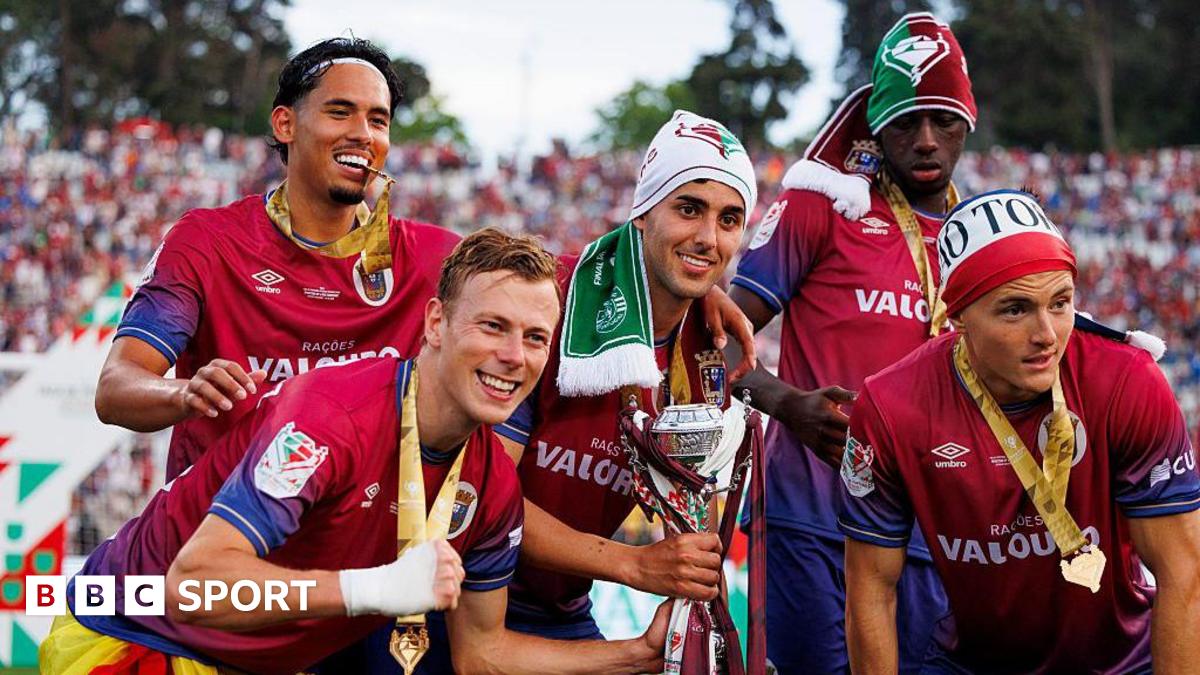
Torreense winning the Portuguese Cup while remaining in the second division is the most absurd story of the 2026 season. Because they navigated the bracket while simultaneously failing to secure promotion via their play-off final defeat, they occupy a surreal space in the record books. They are now qualifying for a continental competition while preparing for another year of domestic tier-two football. As the BBC reported, this places them in an elite, unwanted intersection of history. It remains a logistical nightmare for UEFA officials who favor stability over, well, whatever this is.
2. The 2026 Tactical Shift
The transition to deep-lying defensive blocks in the lead-up to the World Cup has effectively strangled high-scoring play. This shift began in March 2026 and has forced managers to abandon expansive wing-play entirely. The result is a game defined by patience and low-clearance errors. It is efficient, but it is also suffocating the joy out of the league phase for mid-table sides.
3. The Penalty Shootout at the Carabao Final
The recent shootout saw a total of 14 continuous conversions before a miss decided the trophy. The sheer technical composure shown by center-backs stepping up under extreme pressure was uncharacteristic. It highlighted a level of goalkeeper preparation that is finally catching up to penalty-kick geometry. It was a brutal display of individual concentration over team spirit.
4. The Mid-Season Manager Carousel
The volatility of coaching roles reached a breaking point in April 2026, with six clubs swapping managers in under two weeks. This panic-driven cycle decimated squad cohesion. It is a sign of short-sighted ownership that favors quick-fix results over long-term development. The lack of patience is actively harming the talent pipeline in the Premier League.
5. Youth Academy Breakthroughs
We saw three teenagers debut for top-four clubs in the same weekend in May 2026. These players did not just fill spots; they provided critical assists in high-leverage games. This influx of internal talent is the only thing preventing massive transfer fees from feeling completely disconnected. It proves that investment in local scouting actually provides a return.
6. VAR Communication Transparency
The push for real-time audio release during reviews has improved the game, yet it highlighted how confused officials are in the booth. Hearing a referee argue with his assistant over a hand-ball incident at 74 minutes was both embarrassing and necessary. It stripped away the illusion of infallible officiating. We now know they are guessing just like the fans are.
7. Injury Crisis in the Midfield
The physical toll of the current calendar year resulted in an unprecedented number of soft-tissue injuries. It is not just bad luck; it is a direct consequence of an overloaded schedule. Clubs with limited depth suffered massively, losing key starters for the final run. This issue exposes the lack of protective measures for player welfare.
8. The Late Equalizers
The trend of goals scored after the 90th minute increased by 15% this season compared to 2025. It reveals that defensive concentration is failing as matches drag on into extended stoppage time. Elite teams are no longer able to shut games down effectively. Fitness levels are high, but the mental discipline is clearly dropping off.
9. The Underdog Cup Runs
Smaller clubs managed to push through to the semi-finals across three major European tournaments this year. While many were eventually outclassed, their deep runs forced bigger squads to take them seriously for the first time in years. They disrupted the usual flow of top-tier matches with high-intensity pressing games. This parity is the only thing keeping the group stage relevant.
10. The Return of the Target Man
Tactical models suggested the classic hold-up striker was finished, yet he made a massive comeback throughout the spring. By bypassing the clogged midfield with long balls, teams were able to break the high press of top-six opponents. It is a blunt, ugly weapon, but it works when the complex systems fail. It serves as a reminder that tactical cycles never truly die; they just wait for the right moment to return.
Honorable Mentions
The clean sheet streak by relegation-threatened Cardiff, the failed expansion of the squad registration rules in January, and the bizarre double-substitution error by West Ham in early May all narrowly missed the list. These moments defined the chaos of the season but lacked the lasting implications of the entries above.