The billionaire benchmark and the price of entry
The math of elite sports has reached a point of total detachment from reality. According to the latest Sunday Times Rich List, David and Victoria Beckham have officially hit billionaire status, becoming the first British sporting couple to crack the ten-figure ceiling. It is a staggering number, yet they were still pipped to the top spot. When a billion pounds doesn't make you the richest person in the room, the room has become too expensive for almost everyone else.
This wealth explosion isn't just about personal bank accounts. It is the new baseline for survival in the Premier League. As revealed in the Sunday Times data, an unnamed England star has already cracked the top ten. We are seeing a shift where active players are accumulating generational wealth before they even hit their peak years, fundamentally changing the leverage they hold over their clubs.
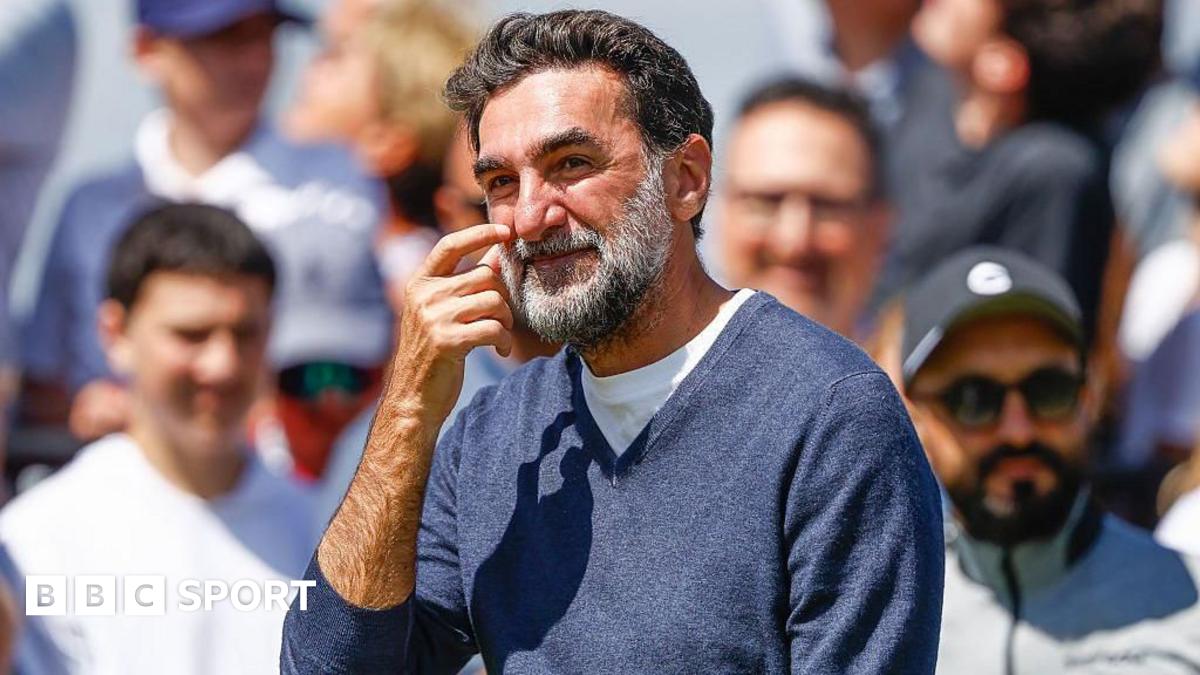
But the real money is moving into concrete and glass. In the northeast, the Public Investment Fund (PIF) is preparing to drop a sum that will make the Beckham billion look like pocket change. Following a high-level summit at Matfen Hall, Newcastle United have moved closer to a new super-stadium project that looks to redefine the city's skyline.
The bubble-wrap facade and the Allianz model
Newcastle Confidential has leaked the first images of this proposed build. The design features a translucent, bubble-wrap facade that draws immediate comparisons to Bayern Munich’s Allianz Arena. It is a bold, perhaps garish, aesthetic choice. But aesthetics are secondary to the revenue numbers PIF is chasing.
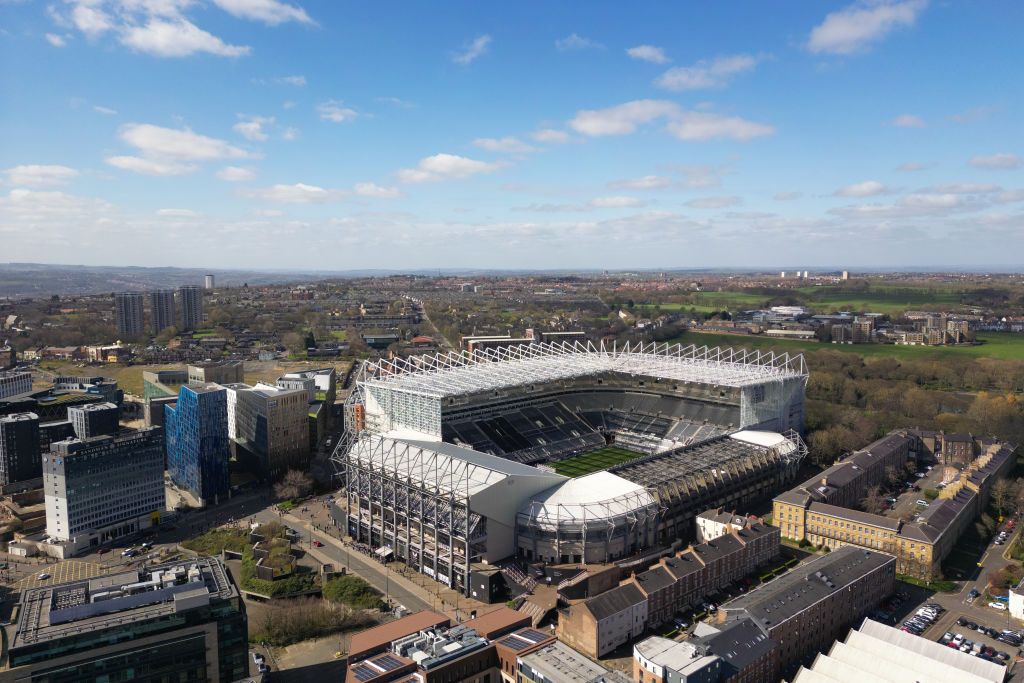
Building a stadium in 2026 is no longer about seats. It is about maximizing every square inch of the footprint for 365 days a year. Newcastle's current home, St James' Park, is an architectural marvel but a commercial bottleneck. The Matfen Hall summit made it clear: the owners want a venue that can compete with the 75,000 capacity standards of the European elite.
The risk here is obvious. St James' Park is the soul of the club, perched on the hill like a cathedral. Moving to a sterile "super-stadium" with a plastic-looking skin is a gamble with the fans' loyalty. If the performance on the pitch doesn't match the grandiosity of the building, that bubble-wrap facade will become an easy target for every cynical pundit in the country.
Why Joao Pedro is the new untouchable
While Newcastle builds up, Chelsea is trying to hold what they have. Reports from Stamford Bridge indicate that Joao Pedro has been slapped with an "untouchable" label. Despite aggressive interest from Barcelona, Chelsea insiders claim they have zero interest in selling the forward this summer.
"Insiders at Chelsea are adamant that they have zero interest in such talks, and that this will be a summer window for strengthening their squad under a new coach."
This is a fascinating data point. Barcelona’s interest is real, but Chelsea’s refusal is a statement of intent. Under a new coach, the Blues are prioritizing continuity over a quick profit. In the current market, finding a player with Joao Pedro's output and age profile would likely cost north of £85 million. Selling him now, even for a premium, creates a hole that the current market might not allow them to fill without violating Profit and Sustainability Rules (PSR).
Chelsea's stance is a rare win for sporting logic over financial necessity. Usually, when a giant like Barcelona comes knocking, the spreadsheet-heavy recruitment teams at Cobham start looking for the exit ramp. This time, the numbers suggest that keeping Pedro is more valuable than any transfer fee Barcelona can actually afford to pay without triggering their own financial levers.
The VAR distortion and the cost of a point
The financial stakes of these decisions are magnified by the razor-thin margins of the game itself. Look at the fallout from the recent Celtic match. A controversial VAR penalty in the 97th minute handed Celtic a lifeline that could decide the Scottish title race. Chris Sutton has hit back at Gary Lineker, calling the subsequent fury "way over the top."
But is it? A single VAR decision can be the difference between Champions League qualification and a Thursday night in the Europa League. The revenue gap between those two outcomes is roughly £40 million. When the numbers are that high, there is no such thing as "over the top" fury. Managers and owners are justified in their obsession with officiating accuracy because the cost of error has never been higher.
Sutton's dismissal of the controversy as excessive ignores the cold reality of the balance sheet. In a world where the Beckhams are billionaires and Newcastle is building Bayern-style super-stadiums, every refereeing mistake is a financial event. We are no longer just arguing about the rules of the game; we are arguing about the valuation of the assets on the pitch.
The England star in the top ten
Perhaps the most surprising finding in the Sunday Times list is the presence of an active England international in the top ten richest British sportspeople. This isn't a retired legend living off endorsements; it's someone still pulling on a shirt every Saturday. Their wealth is now rivaling that of Anthony Joshua and Tyson Fury, who have spent years headlining multi-million pound pay-per-view events.
This wealth creates a new kind of power dynamic. A player with £50 million in the bank before age 25 doesn't need to sign a new contract for security. They sign for projects. If Newcastle's super-stadium doesn't materialize or Chelsea's new coach fails to find a rhythm, these wealthy young stars have the mobility to walk away. They are the first generation of footballers who are truly richer than the clubs they play for in terms of liquid assets.
The Matfen Hall summit and the Joao Pedro saga are two sides of the same coin. Newcastle is trying to buy prestige through physical scale, while Chelsea is trying to keep it through personnel retention. Both are terrified of the same thing: falling behind the curve in an era where the entry fee for the elite is a billion pounds and a bubble-wrap roof.
Final thoughts on the wealth gap
The Premier League has become a game of capital investment rather than coaching. When you look at the Sunday Times list, you see the individual winners of this system. But when you look at the Newcastle stadium plans, you see the cost of trying to join them. It is a high-stakes arms race where the weapons are stadiums and the casualties are the fans who can no longer afford the tickets.
Newcastle’s move to Matfen Hall for their summit shows they are thinking like a corporate entity, not a football club. That is the only way to survive at the top now. If you aren't planning a super-stadium or hoarding "untouchable" stars, you are just waiting to be relegated to the secondary tiers of the global market. The math is brutal, and it doesn't care about the traditions of St James' Park.