The 33-Day Rejection
It took exactly 33 days for the Wilfried Nancy experiment to violently collapse at Celtic Park. The autopsy of this incredibly brief managerial stint reveals a club completely at odds with its own long-term strategy.
In his first public comments since the sacking, Nancy described his month in Glasgow as a "beautiful experience." He then pointed out the glaring reality. It is a "no brainer" that he wasn't given the requisite time to change the culture or impose his tactical methodology.
You cannot execute a full-scale tactical transplant in a month. The squad simply rejected the operation.
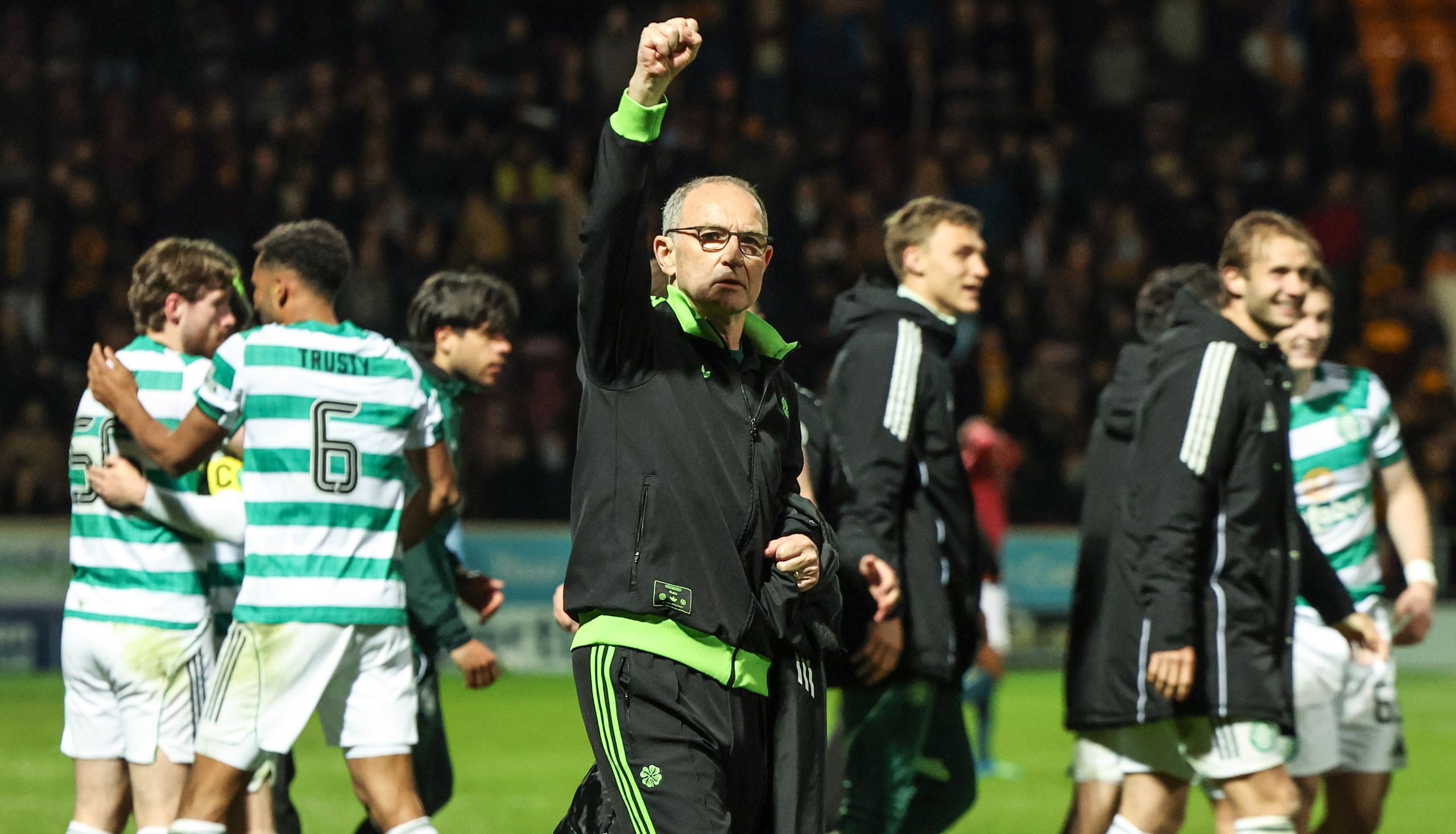
Wilfried Nancy describes his 33-day tenure as Celtic manager as a "beautiful experience" but contends it's a "no brainer" that he didn't get long enough to change the culture.
Nancy’s comments about changing the culture are highly revealing. Culture in modern football is inextricably linked to physical conditioning and daily standards. Nancy demands a heavily orchestrated style of play that requires peak cardiovascular fitness and absolute concentration.
When he arrived at Lennoxtown, he attempted to establish a new, demanding baseline for physical exertion. The players, comfortable in their established routines and aware of their dominant domestic standing, clearly balked at the sudden spike in demands. The organizational tissue rejection was immediate.
When you hire a systemic manager, you are signing up for a period of painful rehabilitation. The players have to unlearn their previous muscle memory. They must adapt to new training loads, different pressing triggers, and a completely foreign method of ball circulation.
Nancy tried to force this evolution much too quickly. The resulting friction was visibly detrimental on the pitch. Celtic looked completely disjointed, caught between the ghost of their past identity and the demanding instructions of their new boss.
The board panicked at the first sign of instability and pulled the plug. It was an absolute failure of nerve.
The Medal Question and the Hearts Clash
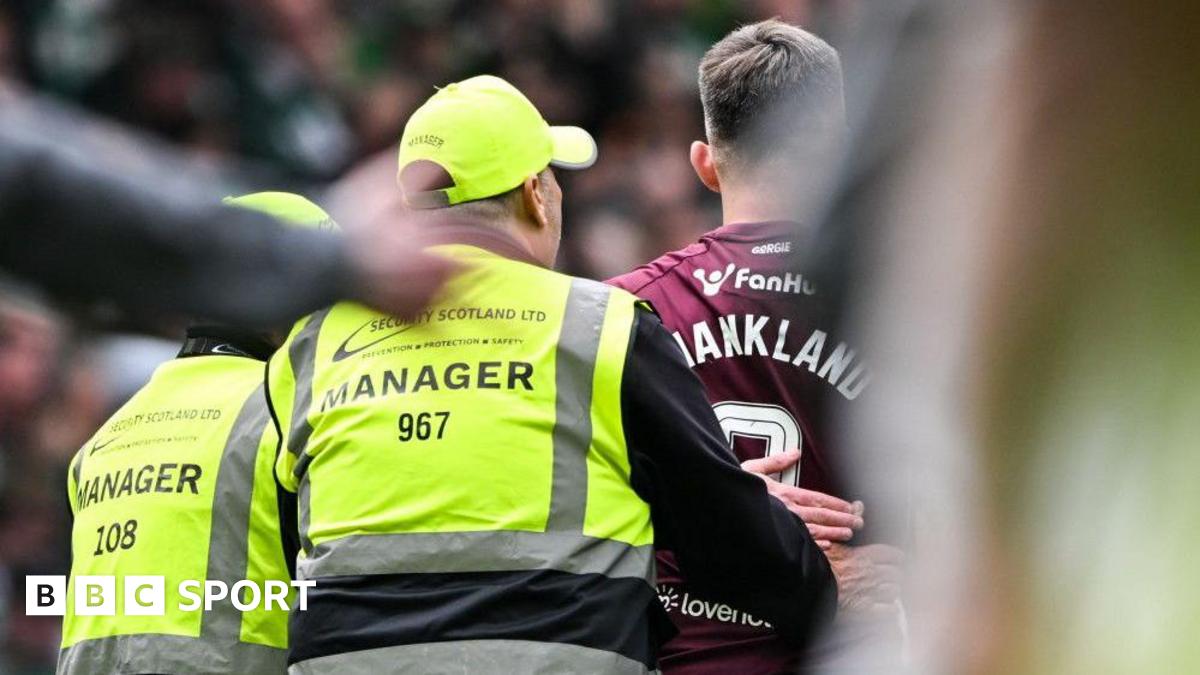
The timing of the fallout makes the current situation even more surreal. Celtic are on the verge of lifting the Scottish Premiership trophy. They could officially secure the title this weekend with a massive result against Hearts.
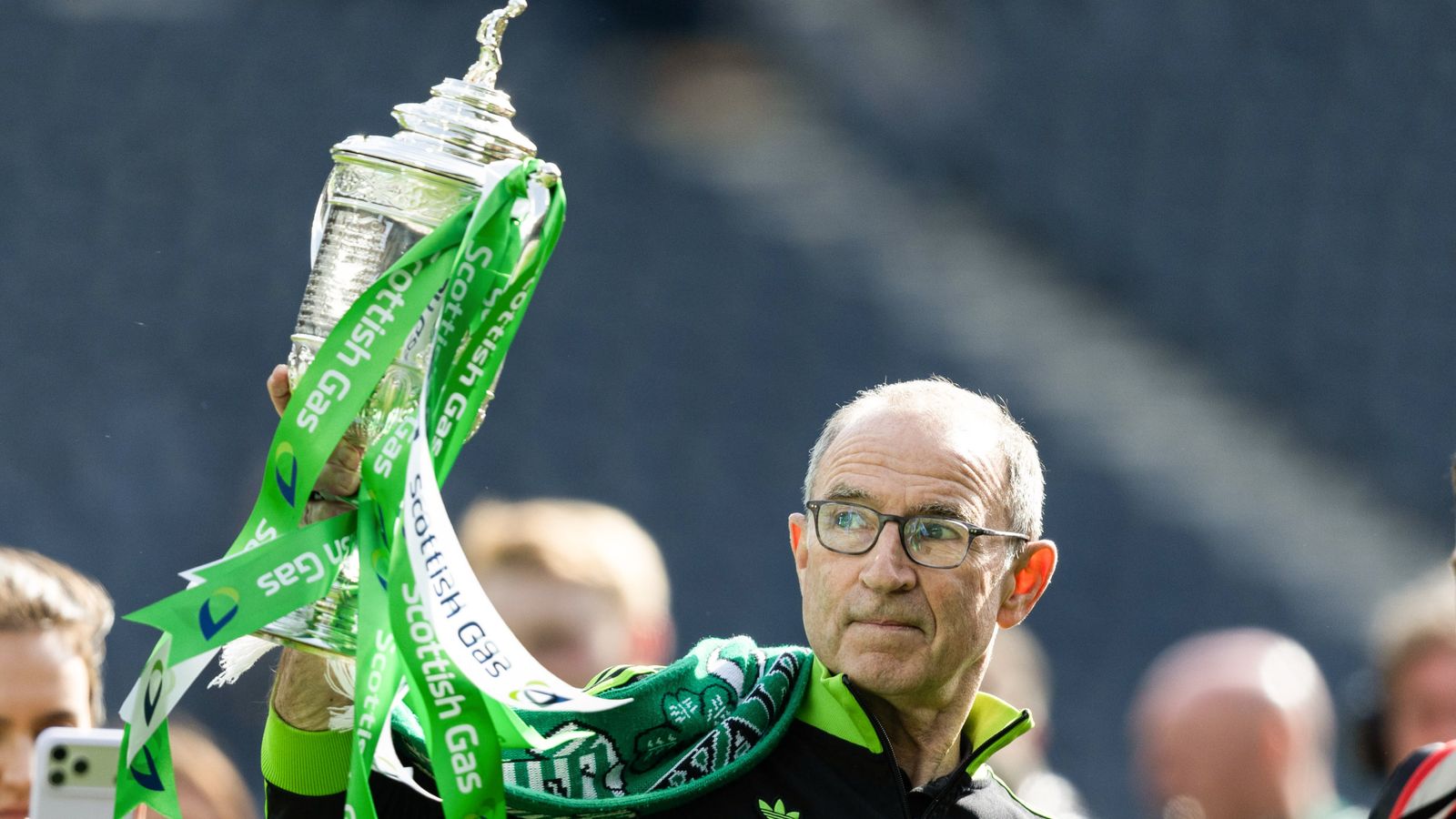
The fact that the club is still in a position to win the league speaks to their structural advantages, not managerial stability. But it also brings up a fascinating, almost farcical technicality. As FourFourTwo recently noted, there is genuine debate over whether Nancy will receive a title winner's medal.
If Celtic secure the title against Hearts, the celebration will feel entirely disconnected from the tactical trauma the squad endured last month. Handing Nancy a medal for a 33-day stint where he arguably alienated the dressing room would be the ultimate irony.
According to league rules, participation matters, even if that participation was brief and destructive. Nancy was technically the architect of a microscopic fraction of this championship run. He stood on the touchline, ran the training sessions, and absorbed the stress.
Whether he actually wants a physical reminder of a 33-day failure is another question entirely. It would be a medal won by default.
The Financial Chasm Protecting the Old Firm
How does a club survive a mid-season managerial meltdown of this magnitude and still win the league? The answer lies in the sheer financial gravity of the Scottish Premiership.
The margin for error at Celtic Park is massive compared to almost any other league in Europe. A recent BBC analysis broke down the widening financial gap between the Old Firm and the rest of the Scottish top flight. The numbers are staggering.
This financial isolation completely insulates Celtic and Rangers from the consequences of their own administrative incompetence. When a club possesses this level of economic superiority, actual coaching often becomes secondary to sheer squad depth.
Celtic can afford to carry international-caliber players on their bench. This depth acts as a massive shock absorber. When the Nancy experiment caused the engine to misfire, the raw individual quality of the players compensated for the lack of tactical cohesion.
They did not need Nancy's intricate passing networks to break down domestic low blocks. They just relied on their superior athleticism. The financial moat surrounding Celtic Park is so wide that not even a disastrous managerial appointment can bridge it.
Historical Precedents of Managerial Whiplash
We have seen these rapid-fire dismissals before, and they always leave a lasting scar. Brian Clough lasted 44 days at Leeds United in 1974, a reign defined by immediate hostility from the dressing room.
Frank de Boer survived just 77 days at Crystal Palace in 2017 when he tried to pivot a pragmatic squad into a possession-based outfit. Nancy's 33 days now sit near the top of this infamous list.
Jock Stein famously managed Leeds United for just 44 days in 1978 before leaving for the Scotland national team job. But Stein left on his own terms. Nancy was forcibly removed.
The common denominator in all these failures is a fundamental disconnect between the boardroom's ambition and their patience. In the modern era, where high-pressing data dictates tactical setups, managerial changes require careful calibration.
When a squad is suddenly exposed to radically different physical triggers, the risk of breakdown spikes. Changing from a mid-block holding pattern to an aggressive man-to-man press demands heavy physical output.
The modern football calendar is brutal. Implementing a high-intensity philosophy mid-season is almost physically impossible without causing a spike in hamstring and groin injuries. The players simply do not have the base fitness required to hit the necessary sprint metrics.
Nancy tried to bypass the required physical conditioning phase, and it backfired spectacularly. While Celtic avoided a total physical collapse during his brief reign, the cognitive load of absorbing a completely new tactical language took its toll.
It is the managerial equivalent of overtraining. You overload the squad with new information without adequate recovery time, and the system crashes.
The Long-Term Damage
Celtic will likely win the league this weekend. The fans will celebrate, the trophy will be lifted, and the Nancy era will be swept under the rug as a bizarre fever dream.
But the underlying issues remain completely unaddressed. The club has broadcast to the rest of the continent that they are not a safe environment for progressive coaches.
Why would the next highly-rated tactical innovator take the job knowing they might be out the door in a month? Nancy will be fine. He has already started framing the experience as a learning opportunity.
His reputation as a sharp tactical mind will survive this Scottish misadventure. But Celtic have exposed themselves.
They are a club trapped by the necessity of immediate domestic dominance. They are heavily reliant on their massive financial advantage, and seemingly terrified of the short-term pain required for long-term modernization.
Winning the title against Hearts will provide temporary relief, but it does not cure the underlying rot. The 33-day experiment was an absolute disaster, and the scars of this panicked decision will linger long after the medals are handed out.
Read Next
- Celtic are about to win the league despite the Wilfried Nancy chaos
- Celtic's late VAR drama shifts the Scottish title race into the final gear
- Hearts face a hostile Parkhead with the weight of history against them
- Celtic need more than luck to survive their final league stretch
- ⚽ Scottish Premiership 2025-26 — Celtic vs Rangers Hub