The pragmatic evolution of Eddie Howe's recruitment
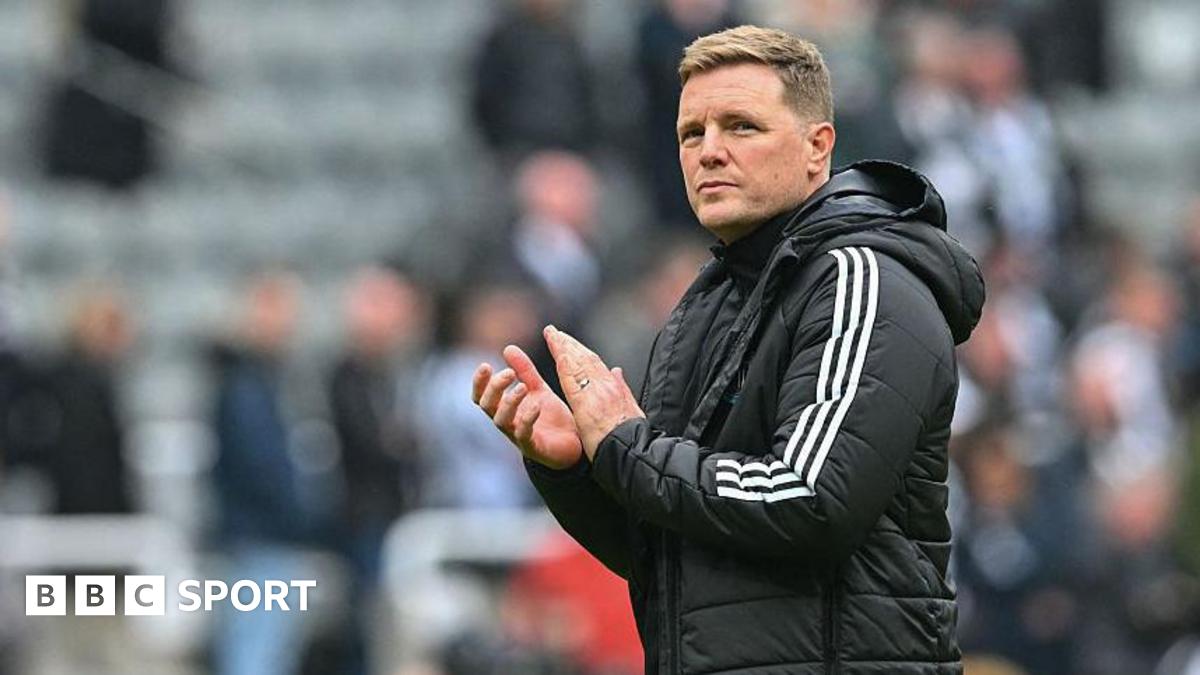
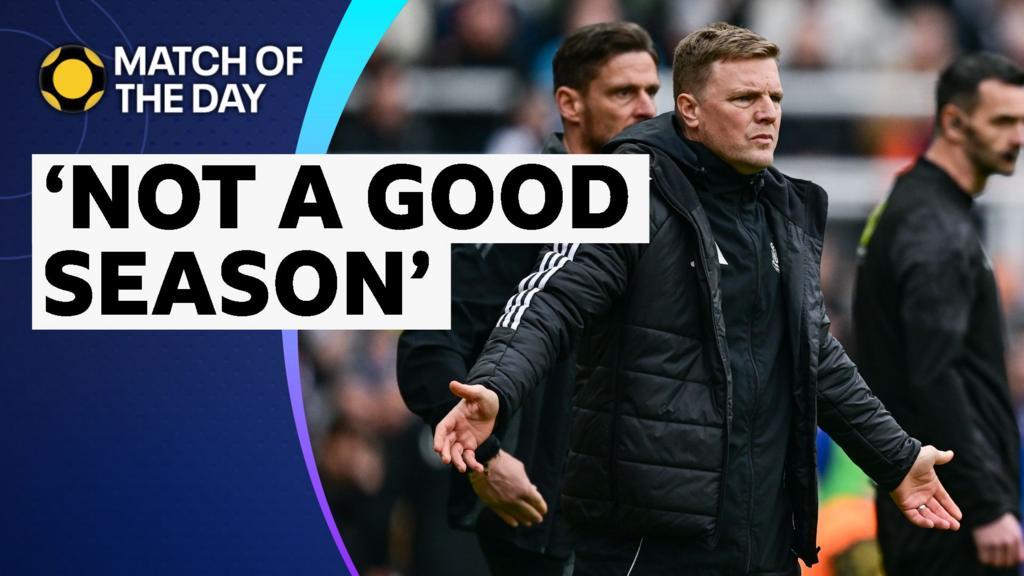
Newcastle United are in the midst of a pivot. Following a season defined by injury crises and a shallow squad, the St. James' Park hierarchy is actively targeting depth in the final third. Recent developments indicate that the club is deep in talks to secure a winger from the Osasuna ranks. This move signals a departure from the high-profile, record-breaking acquisitions that characterized their initial takeover period.
The current recruitment strategy points toward a desire for tactical versatility. Newcastle frequently found themselves forced into a narrow 4-3-3 shape last year, often over-relying on the technical output of Anthony Gordon or the raw energy of Miguel Almiron. When those players faced fatigue or tactical marking in the 60th minute, the offensive fluidity vanished. Bringing in a player from the La Liga mold suggests Howe wants a wide outlet capable of sustaining possession under higher pressure.
The Osasuna connection
Osasuna operates with a functional, often rugged, wide-play structure. They rarely rely on individual brilliance to unlock defenses, instead preferring a blend of overlapping fullbacks and wingers who understand the value of a defensive transition. Newcastle's interest highlights a clear need to bolster their off-the-ball recovery rates in the final third.
Statistically, the Magpies struggled to maintain their pressing intensity over 90 minutes. Last season, their opponent's progressive pass completion against them hovered around the 78 percent mark. By identifying a target who understands the rigors of disciplined defensive banks, Newcastle aims to mitigate the space between their midfield and backline. It is a cynical but necessary adjustment for a team looking to reclaim a European finish.
The pitfalls of this transfer profile
There is, however, an inherent risk in importing players who have only flourished in a mid-table European environment. History is littered with wingers who arrived on English shores with technical proficiency but lacked the necessary speed to handle the transition game. If the target fails to adjust to the speed of the Premier League, Newcastle faces a significant financial strain.
Furthermore, the reliance on mid-tier European talent can signal a lack of ambition to the supporters. A club of Newcastle’s valuation arguably should be pursuing Champions League-ready profile players. Settling for a rotational piece suggests the budget is tighter than the ownership let on. Efficiency is fine, but it rarely wins trophies in a league that demands elite-level output in every position.
Tactical stakes for the upcoming campaign
The success of the 2026/27 campaign rests on whether this incoming winger can fit into a high-octane press. Watching how the coaching staff integrates this profile during the pre-season will unveil the blueprint. Will they maintain the aggressive, vertical build-up that defines the atmosphere at Tyneside, or are they pivoting toward a controlled, possession-oriented style?
My prediction: Newcastle concludes the deal within the next fortnight under a fee near the 25 million pound mark. While the fanbase will clamor for a marquee forward, this signing will ultimately prove the difference in securing six additional points throughout the winter months against bottom-half opposition. It is not the headline move supporters want, but it is the squad-building maneuver the league table demands.