The evolution from heavy metal to forensic football
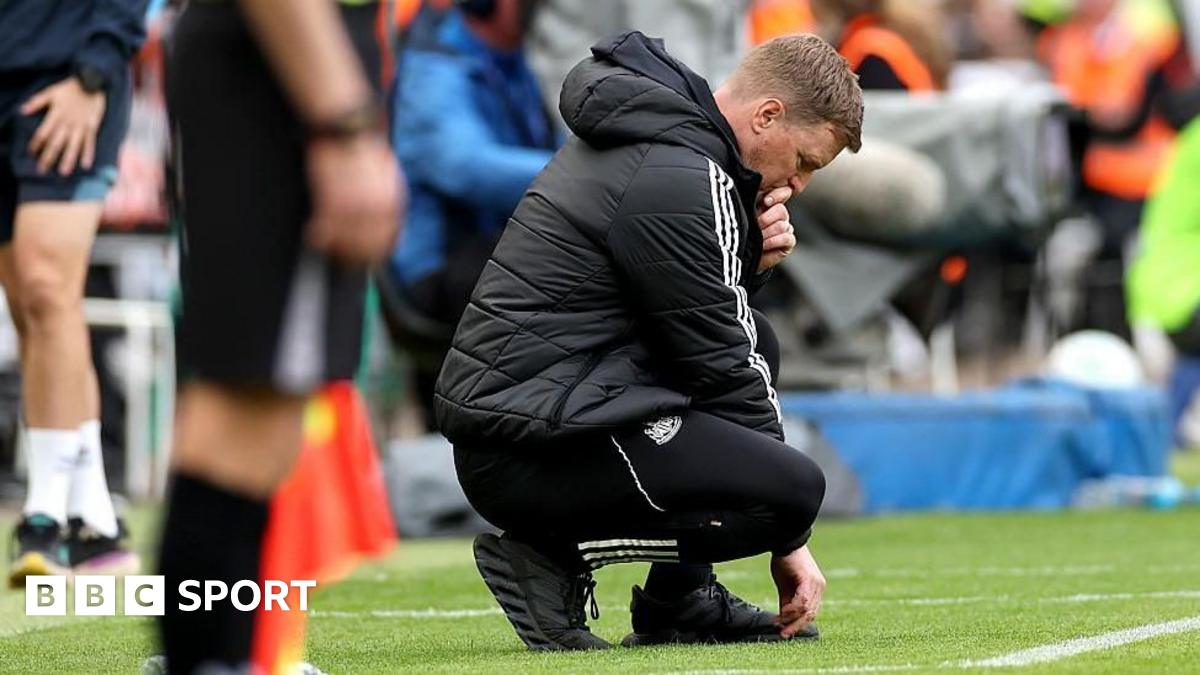
April in Newcastle usually involves scanning the horizon for the first signs of European qualification, but 2026 has recalibrated the expectations at St James' Park. We are no longer talking about the novelty of the Champions League; we are talking about the cold, hard mechanics of winning it. Eddie Howe has spent the last month hammering home a new mantra: the need to "work smarter" as the club enters the most congested fixture block of the post-takeover era.
This shift in rhetoric isn't just PR fluff designed to manage expectations. It is a necessary response to the tactical fatigue that saw Newcastle’s 2024 campaign derailed by a refusal to drop the intensity. In 2026, the data shows a different team. The frantic, high-intensity press that defined Howe’s early years has been replaced by a mid-block that prioritizes vertical compactness over individual lung-bursting sprints. Newcastle are no longer trying to outrun the Premier League; they are trying to out-think it.
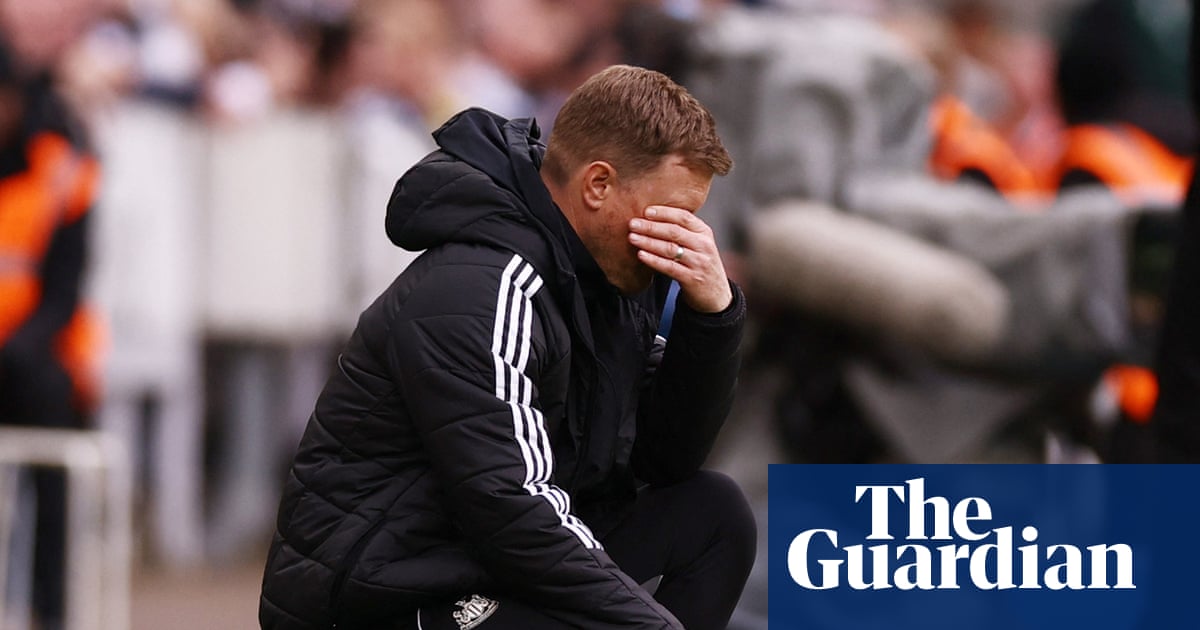
As Sky Sports recently reported, Howe’s commitment to this smarter approach is the cornerstone of his survival in the dugout. With the Champions League Quarter-Final second leg looming on April 14, the margin for error has evaporated. The 1-1 draw in the first leg showcased this new identity—Newcastle were happy to cede 60% possession, trusting in their rest-defense to stifle central penetration. But "working smarter" is a double-edged sword that risks bluntness in the final third.
The Guimarães trap and the midfield ceiling
The tactical center of gravity remains Bruno Guimarães, but the demands on the Brazilian have shifted. In the old system, he was the conductor of a chaotic orchestra. Now, he is tasked with being a positional anchor, often dropping between the center-backs to facilitate a 3-2 buildup structure that guards against the counter-attack. While this has stabilized the defense, it has neutered Guimarães’ ability to ghost into the half-spaces where he is most dangerous.
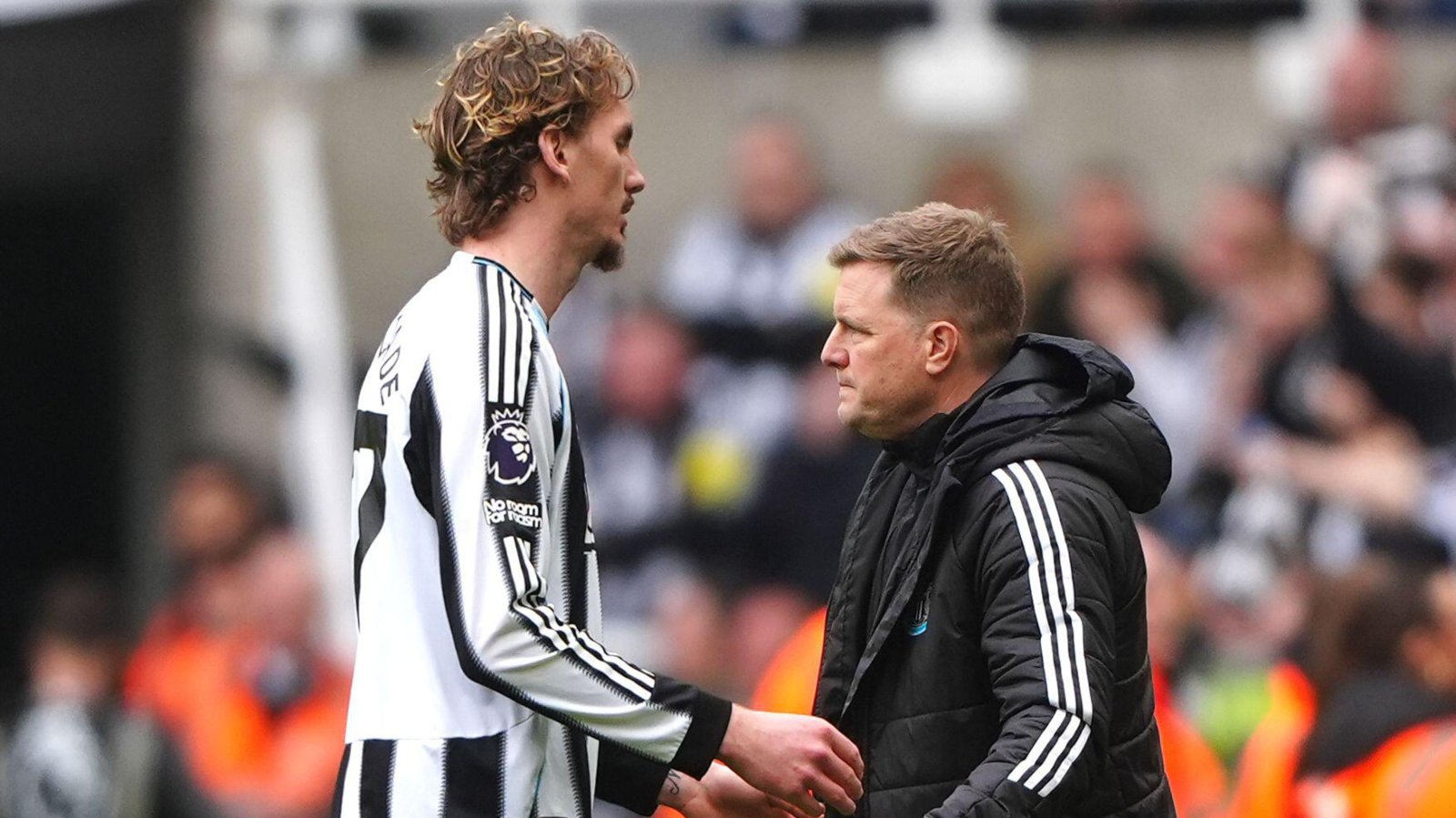
There is a growing concern that Newcastle have become too risk-averse in their quest for efficiency. Sandro Tonali, now fully integrated and arguably the team’s most consistent performer this season, is often left covering the lateral shifts of the full-backs rather than driving forward. Against elite opposition, this defensive discipline can feel like a self-imposed ceiling. If you spend 80 minutes working smart to stay in the game, you often find you’ve forgotten how to win it.
The critical observation here is that Howe has traded Newcastle’s greatest weapon—their unpredictability—for a sense of control that might be illusory. When the pressure mounts in the final twenty minutes, the team looks for a spark that isn't there because the system has coached the spontaneity out of them. It’s efficient, yes, but it lacks the visceral edge that once made St James' Park a graveyard for the European elite.
The defensive tightrope and the Livramento factor
Defensively, the move to a smarter system has seen Tino Livramento emerge as the most vital component of the back four. His recovery speed allows Newcastle to maintain a high line without the suicidal tendencies of previous seasons. However, the reliance on Livramento to bail out an aging Dan Burn or an occasionally static Fabian Schär is a structural flaw that smarter opponents are beginning to exploit. They bait the press, draw Livramento out of position, and then hammer the channel he leaves behind.
We saw this specifically in the draw last week. The opposition ignored the central congestion and focused entirely on overloading the wide areas during transition phases. Newcastle’s pass completion in their own half sat at a respectable 88.4%, but they struggled to progress the ball beyond the halfway line whenever the opposition triggered a man-oriented press. Working smarter apparently doesn't include a Plan B for when the short-passing lanes are cut off.
The lack of a true, bruising number six continues to haunt the recruitment strategy. While the board vows to work smarter in the transfer market, the failure to address the physical deficit in the center of the park forces the existing personnel to over-compensate. This leads to the very fatigue Howe is trying to avoid. You cannot out-think a physical mismatch forever; eventually, the game requires a tackle, a duel, or a moment of raw power that doesn't fit into a tidy analytical model.
Pressure on the front three to deliver on scraps
Alexander Isak remains the one player capable of transcending the system. His movement in the channels is world-class, but he is increasingly isolated in this new, cautious Newcastle. He is currently averaging just 22 touches per game, a staggering drop from his peak. When he does get the ball, he is often forty yards from goal with no support, forced to take on three defenders or wait for a slow-moving midfield to catch up.
The supporting cast of Anthony Gordon and Harvey Barnes are being asked to play as auxiliary wing-backs in defensive phases. While their work rate is commendable, it leaves them gassed when the transition opportunity finally arrives. It is a classic tactical trade-off: you gain defensive solidity but lose the explosive outlet that makes a 4-3-3 effective. If Newcastle are to progress on April 14, Howe must be willing to abandon the safety of the mid-block and let his wingers cheat forward.
There is also the question of the bench. Beyond the starting eleven, the quality drop-off is sharp. The "smart" rotation Howe talks about is often a necessity rather than a choice. Bringing on aging veterans or unproven youth in a Champions League quarter-final isn't working smarter; it’s surviving on a prayer. The squad depth is a glaring hole that no amount of tactical tinkering can fully disguise.
The verdict for the season-defining week
We are at a crossroads. Newcastle have proven they can be a disciplined, difficult-to-beat unit that mimics the giants of the continent. But being difficult to beat is the floor, not the ceiling. To take the next step, Howe needs to find a way to marry this new-found efficiency with the ruthless aggression that defines the club’s DNA. The upcoming second leg will not be won by the team that makes the fewest mistakes, but by the team that seizes the initiative.
The skepticism remains regarding Howe’s ability to make the mid-game adjustments required at this level. He is a fantastic structural coach, but his reactive changes often come too late—usually around the 75th minute mark when the momentum has already shifted. If he waits for the game to come to him on Tuesday, he will find that the Champions League has already moved on.
This is the ultimate test of the "work smarter" philosophy. If it yields a semi-final berth, Howe will be hailed as a tactical chameleon who evolved to save his job. If they crash out with a whimper, the fans will rightly ask why the most exciting team in England was turned into a cautious, data-driven machine that forgot how to attack. The stakes couldn't be higher, and the margin for error couldn't be thinner.
My prediction is a night of high tension that exposes the limitations of this cautious approach. Newcastle will hold firm for an hour, but the lack of an outlet will eventually invite too much pressure. The opposition will find the breakthrough in the 89th minute, leaving Howe to rue the risks he didn't take. We are looking at a 0-1 defeat on the night and a painful exit from Europe, proving that sometimes, working smarter just isn't enough when you're playing against the best.