The Corporate Reality at St. James' Park
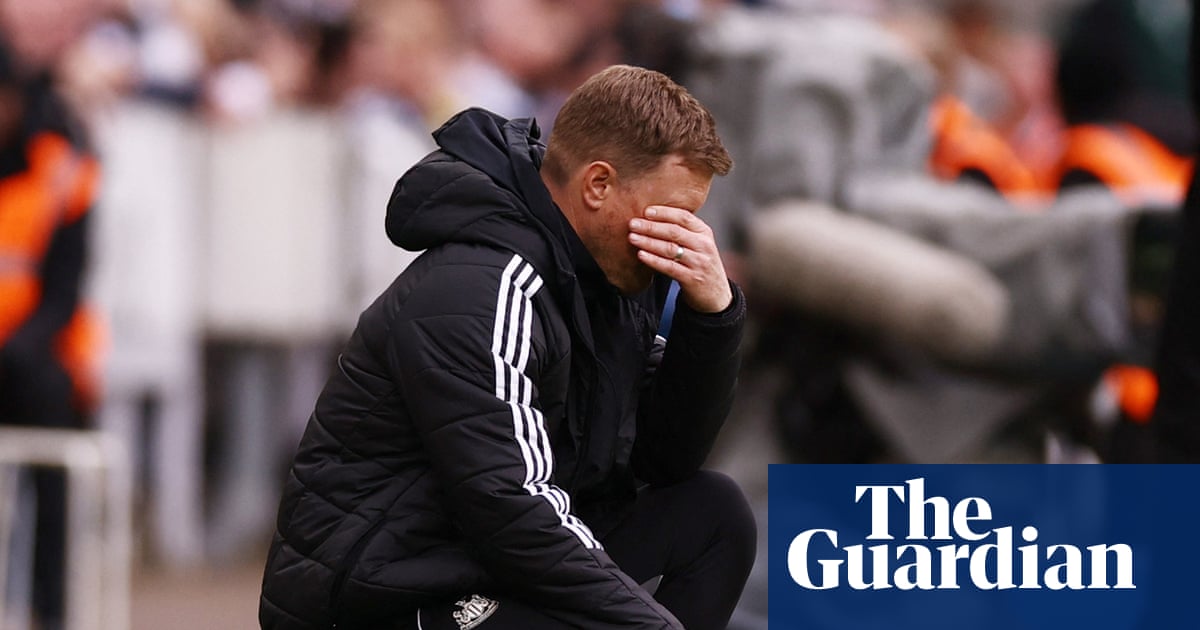
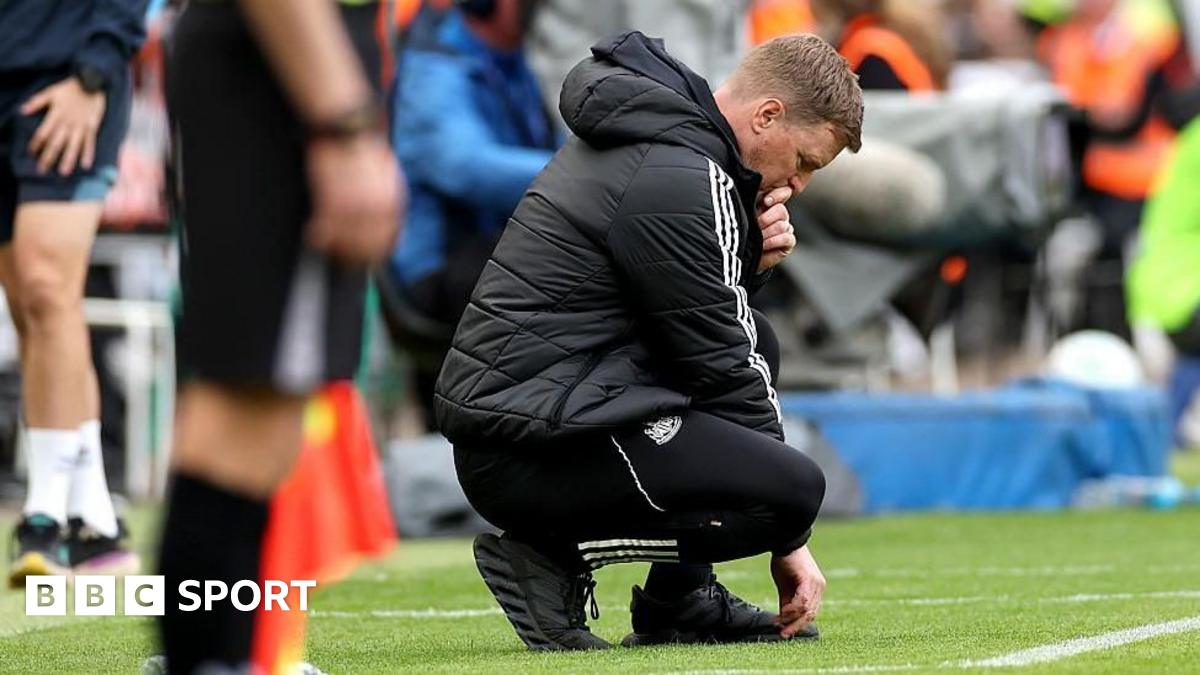
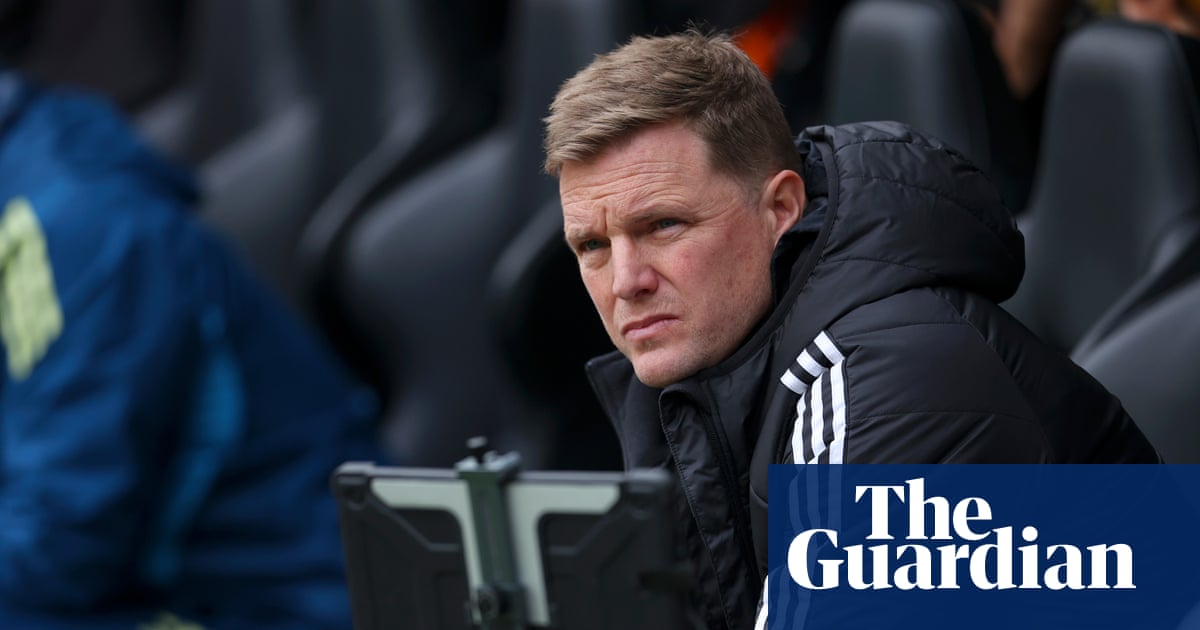
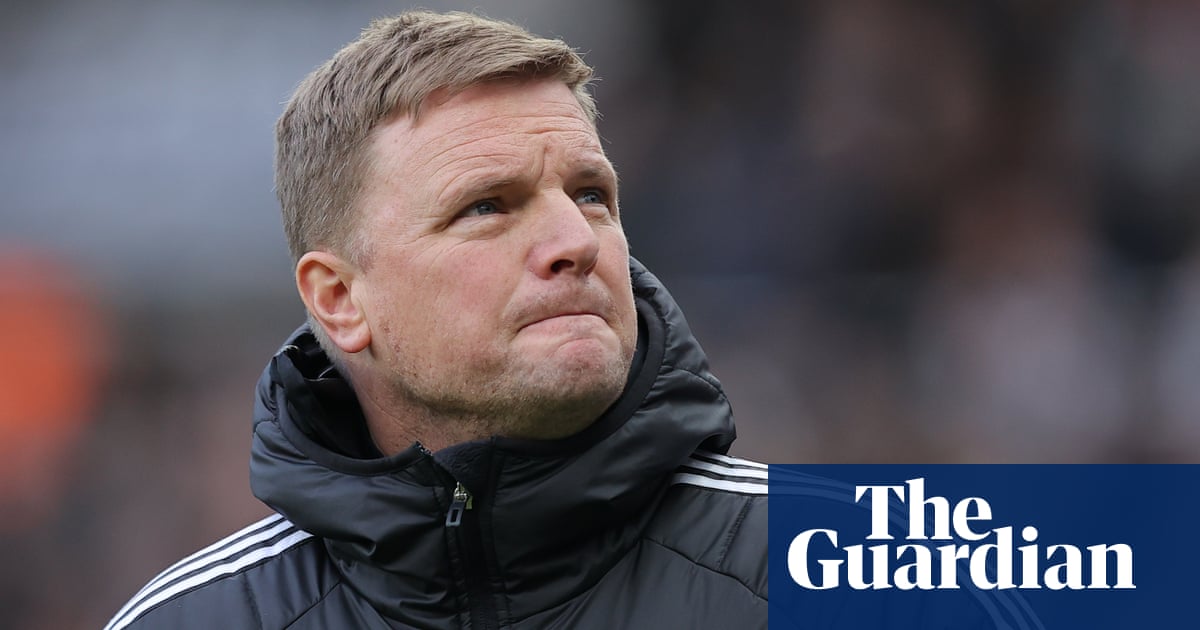
The private jets have touched down. The Public Investment Fund ownership group is on Tyneside for their annual review, and the atmosphere around the club has abruptly shifted. This is not a ceremonial visit. As Sky Sports reported, Eddie Howe's future is actively on the agenda. It is a stark reminder of the ruthless corporate logic that governs modern football.
You do not spend the kind of money Newcastle United have spent to simply plateau. The initial surge into the Champions League raised the baseline of expectations. Finishing in the European spots is no longer viewed as an overachievement; it is the absolute minimum requirement.
Right now, Howe is failing that mandate. The Saudi ownership group watches the elite clubs in Europe dictating games with suffocating, methodical control. Newcastle, by contrast, still rely heavily on chaos, transition, and emotion. Emotion is a powerful fuel. But it eventually burns out. Control is sustainable. Howe's system has lost its control, and the timing could not be worse.
The Breakdown of the Pressing Trap
To understand why Howe is under extreme pressure, you have to look at the pitch. The machine is completely broken. When Howe first implemented his 4-3-3, it was a terrifying prospect for opposing defenders. It was a suffocating, man-oriented press that forced turnovers high up the pitch and generated immediate goal-scoring chances.
Fast forward to late April 2026. The league has adapted. The blueprint for bypassing Newcastle's press is an open-source document that every tactical analyst in the country has memorized.
Opposing center-backs are no longer panicked by Alexander Isak initiating the press. They simply split wider. They drop deeper. This action stretches the physical distance Newcastle's wingers have to cover. When Anthony Gordon or the right-sided winger jumps to press the outside shoulder, the opponent clips a simple, lofted pass into the half-space.
This is where the entire system collapses. Two years ago, a Newcastle midfielder would be snapping at the heels of the receiving player instantly. Now, there is a half-second delay. In the Premier League, a half-second is lethal. The pressing trap has become a massive structural liability.
Midfield Isolation and the Guimarães Dilemma
The knock-on effect of this broken press falls squarely on the shoulders of Bruno Guimarães. The Brazilian is a brilliant metronome. He is a dictator of tempo and an elite progressor of the ball. He is not, however, a pure defensive destroyer.
Yet, Howe's current spacing often leaves Guimarães trying to cover vast expanses of lateral space in front of the back four. It is a mathematically impossible task. When the initial press is bypassed, Newcastle's defensive line instinctively drops to protect the goalkeeper. The advanced midfielders, however, are still caught high up the pitch trying to recover from their initial jump.
The result is a gaping hole in Zone 14. Teams are exploiting this space with late runners and cut-backs with alarming regularity. It is a recurring nightmare for the St. James' Park faithful. You can see the visible frustration in Guimarães' body language. He is constantly fighting fires he did not start.
The integration of Sandro Tonali was supposed to fix this issue. Tonali brings technical security and Champions League pedigree. But his defensive positioning in quick transitions has occasionally clashed with Howe's rigid man-marking scheme. Tonali wants to hold his zone, while the system demands he track a runner deep into the fullback areas. This hesitation creates the exact disjointedness that top-tier attacks feast upon. Tonali is accustomed to the methodical pacing of Serie A, where tactical blocks shift as a single unit. In England, transitions happen at light speed. When Tonali takes an extra touch or hesitates for a fraction of a second to read the game, the opposition is already running directly at the center-backs.
Defensive Transitions and the High Line
The defensive issues extend directly to the flanks. Tino Livramento provides exceptional raw pace and recovery speed. In theory, this should allow Newcastle to push their defensive line even higher. But Livramento has a tendency to tuck inside and act as an inverted fullback in possession. This creates severe headaches during defensive transitions.
When Newcastle lose the ball, Livramento is often caught centrally. The right winger is forced to drop sixty yards to cover the exposed channel. This completely blunts their threat on the counter-attack. It is a cascading negative effect. Every tactical action has a reaction, and right now, Newcastle's reactions are poorly calibrated.
On the opposite side, the defensive solidity of the Dan Burn era feels like a distant memory. Burn allowed Newcastle to essentially form a back three in possession. Now, with two highly attacking fullbacks, the center-backs are dangerously exposed. Fabian Schär and Sven Botman are excellent readers of the game, but neither possesses elite recovery pace. When the midfield screen fails, they are left defending massive areas of open grass.
Botman's passing range was a major weapon during their peak form. He could punch hard passes through the lines to find Guimarães on the half-turn. Now, with the midfield heavily marked and the fullbacks pushed dangerously high, Botman is forced to play safe, lateral passes. The entire tempo of Newcastle's build-up play has slowed to a crawl. They are remarkably easy to defend against because everything happens in front of the opposition block.
Predictable Attacking Patterns
The tactical stagnation is certainly not limited to the defensive phase. When you strip away the noise of the home crowd, Newcastle's attacking patterns are frustratingly repetitive. The entire offensive game plan relies on wide overloads and driving runs to the byline.
Opposing managers have scouted this to death. Fullbacks are strictly instructed to show Gordon onto his weaker foot. Defensive midfielders heavily clog the penalty spot to intercept the inevitable cut-backs. The forward passing lanes are blocked before Newcastle even reach the final third.
There is no plan B. When the wide areas are completely shut down, Newcastle struggle to create through the center. Isak is an elite finisher, but he is too often forced to drop deep into midfield just to touch the ball. He should be operating on the shoulder of the last defender, ready to exploit the space behind. Instead, he is playing as a false nine out of sheer necessity.
Howe desperately needs to introduce verticality. He needs forwards willing to make sharp out-to-in runs that disrupt center-backs. Yet, the starting eleven rarely seems to reflect a specific tactical adaptation to the opponent. Newcastle play the exact same way against title contenders as they do against relegation fodder. That lack of nuance separates good managers from truly elite tacticians.
The Tactical Pivot Required
This weekend's fixture is a live audition. Howe is managing for his job. The extreme temptation will be to double down on his core philosophy. He will want his players to run harder, tackle harder, and press higher. It is the natural instinct of a man who built his reputation on pure intensity.
It would also be tactical suicide. The smart move is a pragmatic pivot. Newcastle must rediscover the art of suffering without conceding. They need to be comfortable sitting in a compact 4-4-2 mid-block and absorbing pressure.
If Howe insists on maintaining a high press, he absolutely must solve the vertical spacing issue. The defensive line has to boldly squeeze the pitch. Playing a high press with a deep defensive line gives the opposition the best of both worlds. They get vast space behind the midfield and ample time on the ball if they beat the first wave.
Final Verdict
Will Howe compromise? He is notoriously stubborn. He believes in front-foot football regardless of the context. But pragmatism is the absolute only thing that will secure his employment beyond the summer.
I expect Newcastle to start extremely fast this weekend. The atmosphere and the sheer desperation will drive them forward. They might even snatch an early goal through a forced high turnover.
But the underlying structural flaws will eventually reveal themselves. As legs inevitably tire around the 60-minute mark, the spaces will tear open. The opposition will find their way through that totally disjointed midfield third.
I anticipate a chaotic, deeply frustrating 2-2 draw. It will be a performance that highlights both Newcastle's blistering attacking potential and their glaring defensive fragility. And it will leave the PIF executives with a very clear, very difficult decision to make on their flight back to Riyadh.