The Season in Focus
The 2025/26 campaign has been a relentless grind, punishing the unprepared and elevating the opportunistic. Every point dropped and every managerial appointment served as a referendum on the current state of professional football.
10. Bournemouth 3-0 Manchester City
Manchester City suffered a catastrophic breakdown in October that left their tactical setup in ruins. Bournemouth exploited a high defensive line, repeatedly bypassing the press to find space behind Ruben Dias. The 3-0 final scoreline highlighted a vulnerability that previously unthinkable for a Pep Guardiola side. This moment set the tone for a season where the champions looked mortal for the first time in an era.
9. Liverpool's Deadline Day Gamble
Liverpool opted for a late-window recruitment surge rather than a summer overhaul, a strategy that drew heavy skepticism from pundits. While the new arrivals provided secondary scoring, the lack of a defensive anchor in midfield left gaps against top-six opponents. They traded consistency for pure chaos, producing thrilling matches at the cost of defensive structural stability. It remains a high-risk approach that likely capped their points ceiling.
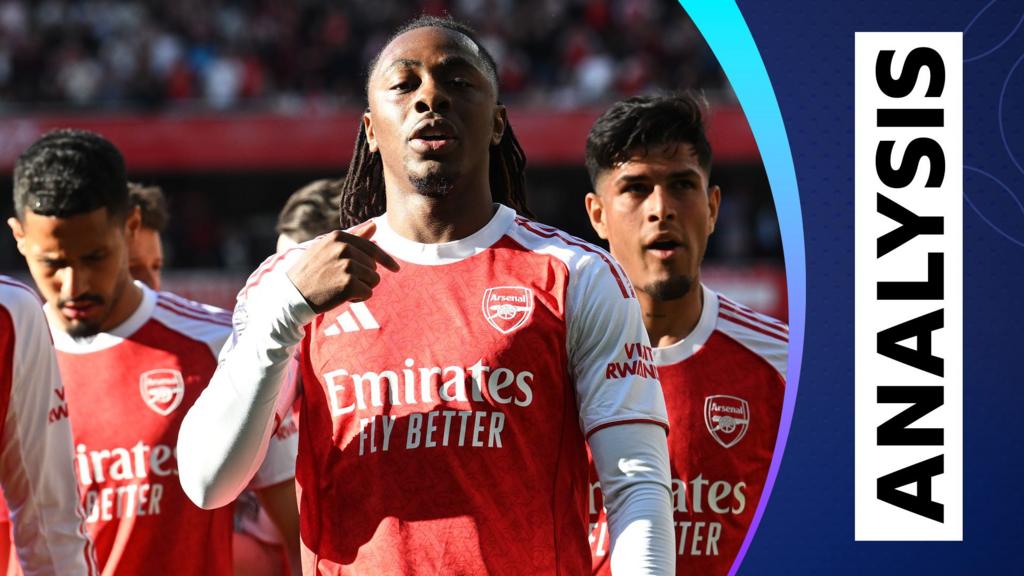
8. Arsenal's Midfield Reshuffle
Mikel Arteta shifted his starting XI in January to accommodate a more aggressive pressing structure, sacrificing control for pure efficiency. The change saw them drop points in winnable games, but it also resulted in their highest offensive output of the calendar year. Critics argue this move destabilized the defensive unit, yet the numbers suggest they needed the gamble to stay in the title conversation.
7. Chelsea’s Tactical Whiplash
Chelsea spent the first quarter of the season toggling between three different formations, resulting in zero rhythm for their star-studded front line. The indecision cost them valuable ground before they settled into a 4-3-3 that finally allowed Cole Palmer to operate in the half-spaces. It is difficult to argue they were contenders when they spent three months effectively training in public.
6. The Birmingham Managerial Carousel
Birmingham City cycled through three managers in six months, a classic display of institutional instability. Each coach brought a different philosophy, leaving players confused and results inconsistent. While the squad talent level remains high, the absence of a singular vision turned their season into an experiment in frustration. They are currently the prototype for how NOT to run a modern club.
5. Brighton's Mid-Season Surge
Brighton maximized their resources through a series of smart tactical tweaks that centered on their wing-back rotations. They consistently took points off teams with higher wage bills, proving that technical discipline beats pure star power. Their climb up the table is a genuine achievement, even if their lack of squad depth makes a serious cup run look unlikely. They represent the best-run operation in the mid-table pack.
4. The Aston Villa Recruitment Model
Aston Villa committed to a high-volume transfer strategy that yielded immediate, if volatile, returns. The integration of five new starters in under four months led to a disjointed start before the team finally clicked in February. Their ability to integrate diverse profiles into a high-octane system is commendable, though they remain vulnerable to injury-induced slumps. They are officially the most dangerous 'wildcard' team in Europe.
3. Sophie Ingle's Return to Action
After a grueling recovery from a long-term injury that spanned nearly a year, Sophie Ingle returned to the Wales squad to stabilize their midfield. Her reintroduction changed the dynamic of the national team, providing the experience needed for their high-stakes matches against Albania. As detailed in our report on Sophie Ingle's return providing a vital boost, her fitness is the anchor for their tactical plans. She is officially the most influential comeback story of this campaign.
2. Tottenham's North London Derby Implosion
Nothing defined Tottenham's inability to see out big leads quite like their collapse in the final 15 minutes of the derby. Leading by two goals, they retreated into a low block that invited relentless pressure, eventually succumbing to a 3-2 defeat. It wasn't just a loss; it was a psychological blow that forced them to reconsider their entire endgame strategy. They rank second here because it perfectly encapsulated the fragility of their current project.
1. The Rise of the Tactical Pragmatists
The defining moment of 2025/26 is not a single match, but the death of the 'all-out attack' obsession that dominated the previous two seasons. Teams across the top flight have prioritized defensive solidity, leading to an average of 2.4 goals per match, the lowest in five years. This shift has favored the tactical managers over the entertainers, transforming the nature of weekly league fixtures. It is a controversial change, but it is undoubtedly the most significant trend of the era. Honourable mentions go to Newcastle’s cup heartbreak and the surprising defensive record of Nottingham Forest throughout the winter months.