The Theatre of Memes crashes during the opening act
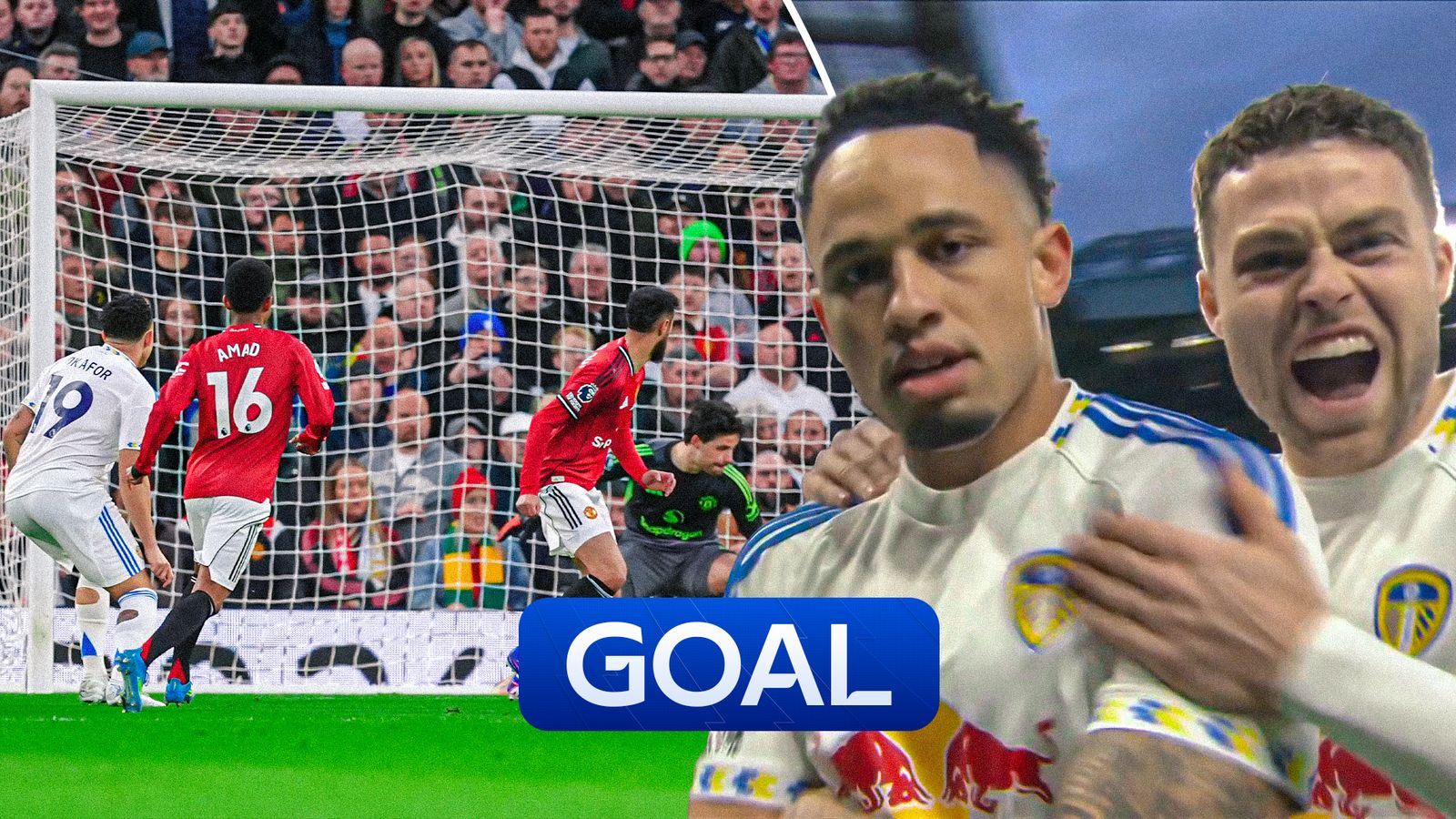
Manchester United’s defensive structure is currently operating like a large language model with its context window set to zero. We are exactly five minutes into the match at Old Trafford, and Leeds United have already turned the stadium into a silent retreat for the disillusioned. Noah Okafor just walked through a United backline that had the structural integrity of a wet paper towel, slotting home a finish that has sent the traveling Leeds fans into a state of absolute, unbridled delirium.
If you wanted to see a system failure in real-time, this was it. United’s midfield was caught ball-watching while the defense performed a synchronized impression of statues in a park. It took less time for Leeds to score than it does for a modern GPU to run a basic inference check. The scoreboard reads 0-1, and the scent of impending disaster is already wafting through the Stretford End like a bad smell that nobody wants to acknowledge.
The Leeds Delirium: Optimization at its peak
Over on the Leeds United forums, the vibe is currently 'we are winning the league and nobody can tell us otherwise.' The fans have been waiting for a moment like this—a chance to walk into the home of their biggest rivals and punch them in the mouth before the popcorn is even warm. There is a sense of validation among the Leeds faithful that Okafor is finally the high-bandwidth striker they were promised when he signed. The take in the pubs across West Yorkshire is simple: Leeds are playing with a higher clock speed than Manchester United can handle.
Enthusiasts are pointing to the high press that led to the turnover. They see this goal not as a fluke, but as the inevitable result of a team that has been fine-tuned for chaos. For the Leeds supporters, this is a jailbreak from the years of mediocrity and being looked down upon by the red side of the Pennines. They are currently basking in the glow of a tactical setup that looks like it was designed by a developer who actually knows how to optimize for performance rather than just throwing expensive hardware at the problem.
The United Meltdown: A degraded model in action
On the flip side, the Manchester United community is currently a toxic waste dump of frustration and 'I told you so' posts. The prevailing sentiment is that the team is fundamentally broken, a legacy system that has been patched so many times it no longer knows what its original purpose was. Skeptics are already calling for the manager’s head, arguing that conceding inside 5 minutes at home against Leeds is a sackable offense regardless of what happens in the remaining 85 minutes of the game.
The takes coming out of the United fan base are brutal. People are looking at the defensive positioning and wondering if the players have been trained on a dataset that didn't include the concept of 'marking a striker.' There is a genuine fear that this is just the beginning of a long, painful afternoon. The contrarians in the group are trying to stay calm, suggesting that there is plenty of time to turn it around, but they are being drowned out by the screams of fans who have seen this movie too many times before. It is a classic case of a fanbase that has been overfit on disappointment.
Why the Leeds press is breaking the simulation
My analysis of this early strike is that Manchester United were completely unprepared for the latency of their own decision-making. When you play against a team like Leeds, you cannot afford to have a high ping between your brain and your boots. Okafor’s movement was a direct exploit of a slow-moving defensive kernel. He didn't just score; he highlighted a fundamental flaw in how United approach the game in 2026. They want to play a slow, possession-based style in a world that has moved on to high-frequency trading.
The stronger argument here belongs to the Leeds enthusiasts. While it is true that a match lasts 90 minutes, the psychological damage of a 5-minute goal in a rivalry this intense is hard to quantify. Leeds didn't just get lucky; they executed a plan that targeted United’s inability to handle immediate pressure. It is the football equivalent of a prompt injection—Leeds forced United into a state they didn't want to be in, and now the home side has to figure out how to reset their entire logic without crashing the whole system.
The Okafor Factor and the ghost of 1972
Noah Okafor is rapidly becoming the most hated man in Manchester, which is exactly where he wants to be. His career has always felt like a series of unoptimized bursts, but at Leeds, he seems to have found a home where his high-velocity style actually makes sense. He isn't interested in a slow build-up; he wants to break the line and end the conversation as quickly as possible. This goal was a reminder of why Leeds fans still talk about the glory days of 1972—it’s about that arrogant, front-foot football that makes everyone else uncomfortable.
The critical observation here is that United’s reaction to the goal was even worse than the goal itself. Instead of tightening up, they looked rattled, like a server under a heavy DDoS attack. If they don't find a way to stabilize their defensive middleware, this scoreline is going to get a lot uglier before the half-time whistle. Leeds aren't going to stop pressing just because they are ahead; if anything, they are going to turn up the heat and see if they can force a total system failure.
The fallout of a five-minute disaster
As we look ahead to the rest of the game, the pressure on the United dugout is going to be immense. You cannot lose this game. You especially cannot lose this game after giving up a goal before some fans have even found their seats. This isn't just about three points; it's about the narrative of the season. If Leeds walk out of Old Trafford with a win, the power dynamic in the North is going to shift in a way that United might not be able to recover from for a long time.
The reality is that United are currently playing like a legacy codebase that nobody wants to touch because they are afraid of what might break next. Meanwhile, Leeds are acting like a lean startup with a lot of VC funding and absolutely nothing to lose. The early goal from Okafor is the proof of concept that their model works, and the rest of the league is watching with a mix of fascination and horror. This isn't just a goal; it's a statement of intent from a club that is tired of being the punchline.
In the end, whether Leeds hold on or not, the damage is done. The 'Theatre of Dreams' has been hacked, and the password was 'Okafor.' The United faithful are left staring at the screen, waiting for a reboot that might never come, while the Leeds fans are already celebrating like they've just won the championship. It's chaotic, it's loud, and it's exactly why we keep coming back to this beautiful, broken game.
Read Next
- Leeds punish Manchester United's recurring first-half amnesia
- Leeds have found the blueprint to dismantle this United side
- Michael Carrick’s defensive structure collapses against Leeds
- Michael Carrick is making a very strong case for the permanent United job
- 🇨🇭 Switzerland World Cup 2026 — La Nati Hub
- 🏟 EFL Championship 2025-26 — Promotion Race & Play-Off Final Hub