Pull up a plastic chair, order a double of whatever cheap lager is on tap, and let us talk about the absolute circus that just went down at Wembley. Middlesbrough had no business playing in this match, yet there they were, ninety minutes away from the promised land of the Premier League. Instead, they ended the afternoon face-down on the hallowed turf, wondering how their season of miracles turned into a punchline.
We have to start with the sheer comedy of Middlesbrough even getting off the team bus for this final. They were dead and buried weeks ago after Southampton absolutely dismantled them in the play-off semi-finals. Then, the footballing gods decided to hand them a golden ticket wrapped in the stupidest cheating scandal of the modern era.
Southampton manager Tonda Eckert got caught red-handed sending interns with video cameras to film training sessions like a low-budget spy movie. The EFL did not just slap their wrists; they kicked the Saints out of the tournament entirely and handed them a heavy four-point deduction for the upcoming season. It was Spygate on absolute steroids, making Marcelo Bielsa’s hedge-peeking exploits back in 2019 look like a harmless schoolboy prank.
So Boro got reinstated, rising from the grave like the Undertaker at SummerSlam to claim a spot they did not earn on the pitch. They had a second chance at life, a shot at ultimate glory, and they spent the entire afternoon playing like they were terrified of their own shadow. It was an insult to the footballing gods who had gone out of their way to resurrect them.
The Ninety-Minute War Crime
Let us be completely honest about what we watched yesterday afternoon because for ninety-four minutes, this game was an absolute war crime. It was turgid, fearful, sideways football that made you want to claw your own eyes out. Both teams played with the handbrake pulled so tight you could practically smell the burning rubber from the stands.
Hull City manager Sergej Jakirović set his team up to play some of the most turgid, risk-averse football ever seen in a Wembley final. His players looked like they had their boots on the wrong feet, passing backward at every opportunity and refusing to take a single risk. The midfield was a black hole where creativity went to die, leaving poor Oli McBurnie isolated up front like a lighthouse in a storm.
On the other side, Kim Hellberg’s Middlesbrough was somehow even worse. Ever since he took over in November after Rob Edwards departed, Hellberg has preached caution, but this was pure, unadulterated cowardice. Boro sat in a low block and hoped for a penalty shootout from the opening whistle, refusing to commit a single body forward in transition.
If you paid five hundred pounds for a ticket to watch this live, you deserve a personal apology and a full refund from the EFL. It was the footballing equivalent of watching two accountants argue over a spreadsheet in a damp basement. You could feel the collective will to live draining out of eighty thousand people with every passing minute.
The match had zero flow, zero drama, and zero quality, defined instead by heavy touches and cynical fouls. Middlesbrough spent more time rolling on the grass trying to waste time than they did actually trying to score a goal. It was turgid Championship football at its absolute worst, a game that deserved to end with both teams being relegated.
The Nightmare of Sol Brynn
Then the clock ticked past the ninety-minute mark, the fourth official held up the board showing five minutes of added time, and the footballing gods decided they had seen enough of this turgid display. Hull City, who had done absolutely nothing all game, managed one last desperate push down the right flank. Yu Hirakawa, the Japanese winger who was Hull’s only spark on the day, found a yard of space and whipped in a cross.
Hirakawa floated a looping, lazy cross toward the back post that should have been an easy catch for any professional goalkeeper in the country. It was a gentle, looping ball you would expect a teenager in Sunday league to claim with his eyes closed. Sol Brynn came off his line to collect it, and eighty thousand people held their breath.
What happened next will be replayed in Teesside pubs for the next fifty years and spoken of in hushed, tragic tones. Brynn jumped, reached out, and his hands suddenly turned into wet soap. The ball slipped through his fingers, bounced off his chest, and rolled loose into the six-yard box like a stray piece of garbage.
It was a moment of pure, unadulterated horror that instantly evoked Loris Karius in Kyiv or Rob Green in Rustenburg. A goalkeeper's career can be defined by one second of madness, and Brynn just signed his own digital death warrant in front of millions. And of course, because the universe loves a punchline, the man waiting for the spill was Oli McBurnie.
You literally could not write a more perfect villain for this Middlesbrough tragedy if you tried. McBurnie is a player who looks like he wandered onto the pitch after a three-day bender at a music festival. He plays with his socks rolled down to his ankles, no shin pads in sight, running with a slouch that defies modern sports science.
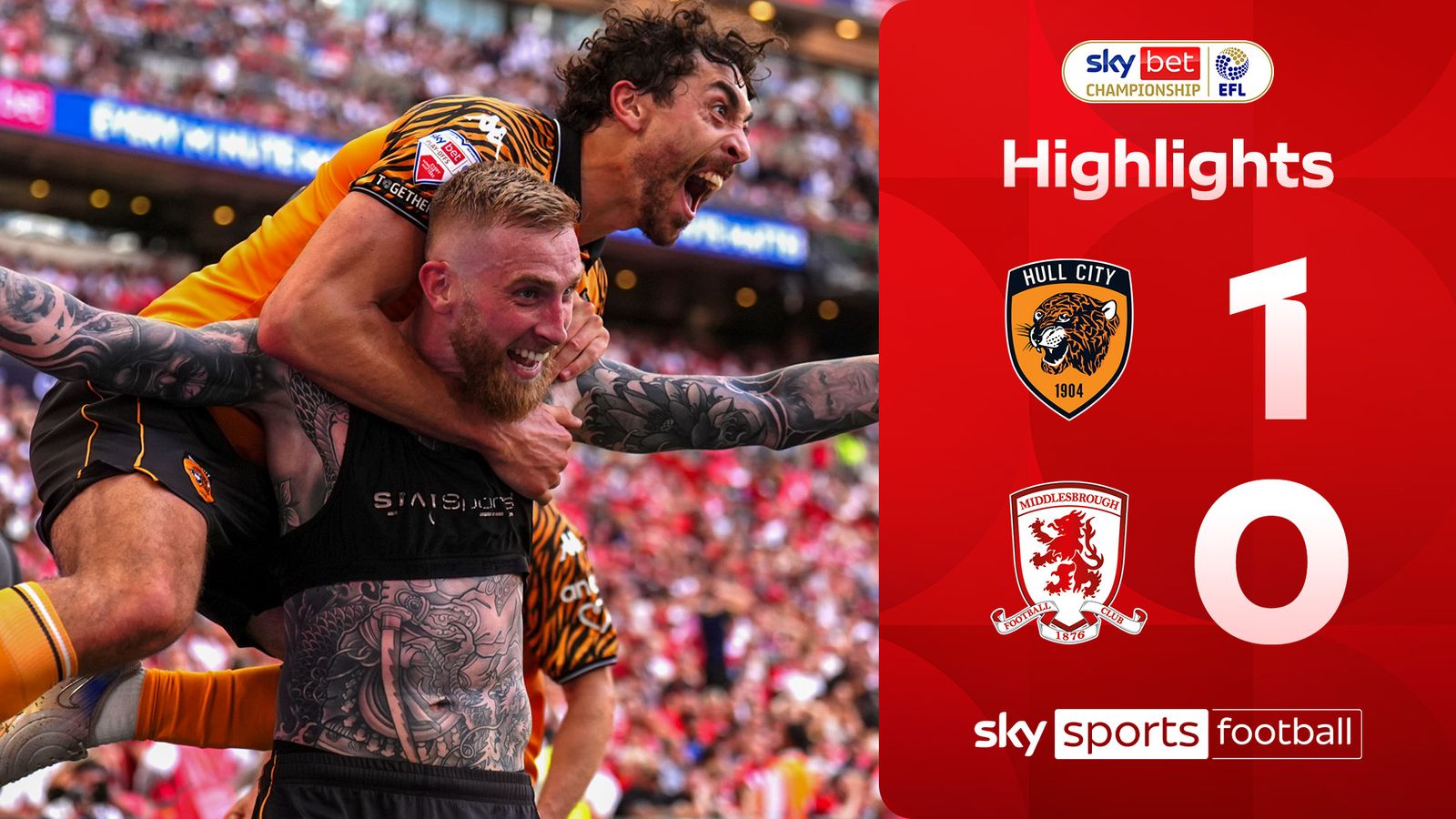
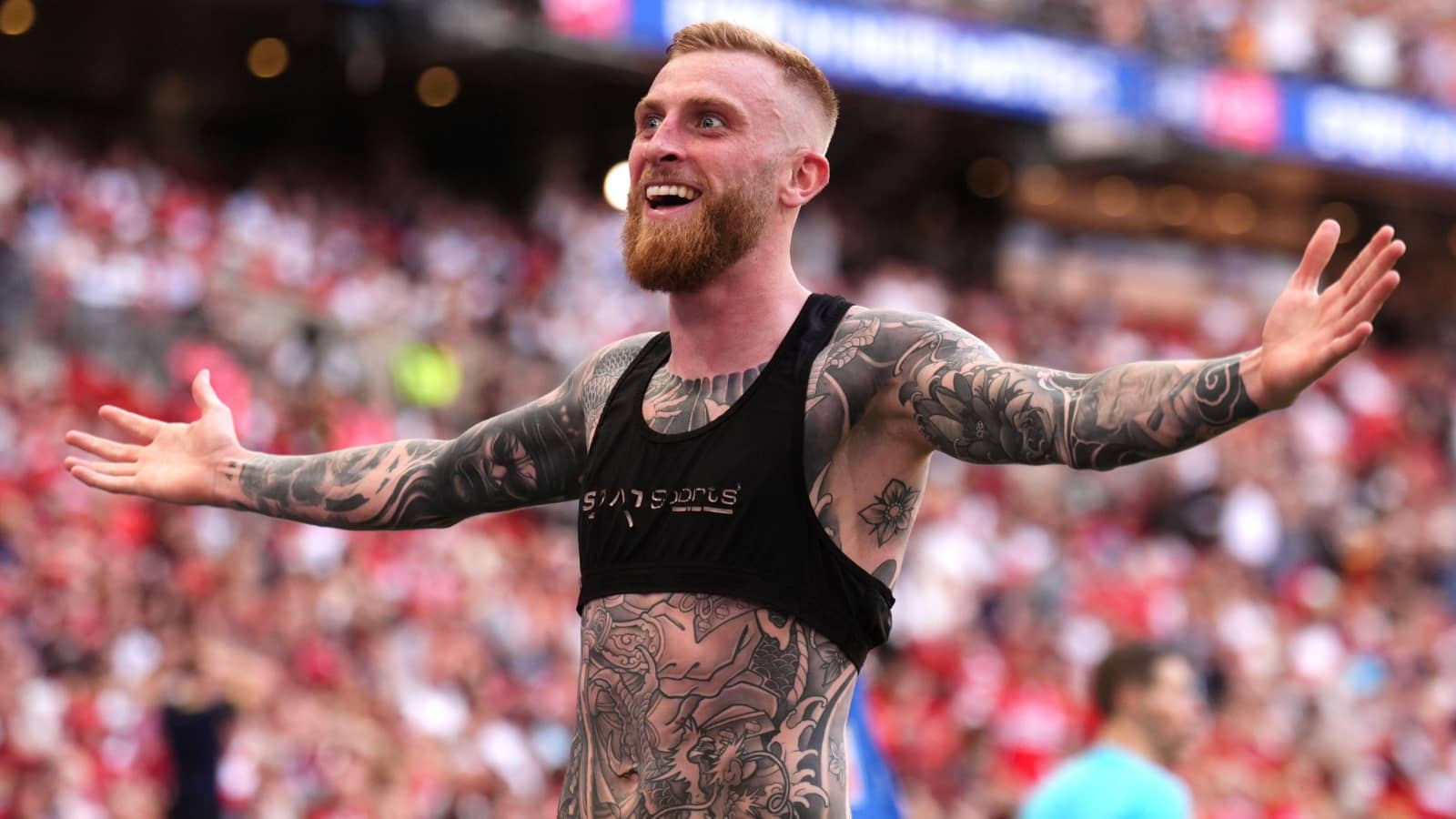
But he is also the ultimate Championship cult hero, a guy who does not score beautiful goals, but thrives on absolute chaos. He was exactly where he needed to be, smelling the blood in the water. He lunged forward and poked the loose ball into the roof of the net in the 95th minute.
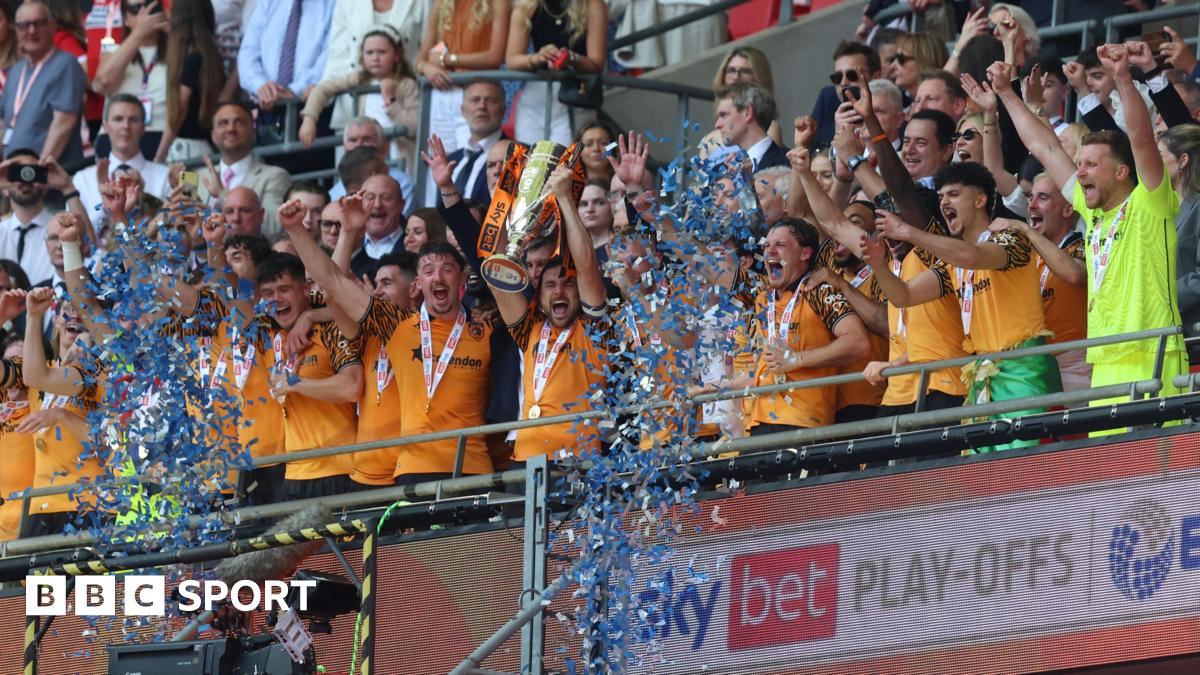
The Hull end of Wembley erupted into absolute bedlam, a sea of black and amber shirts spilling over the advertising hoardings. The score sat at 1-0, and it was over. Middlesbrough players collapsed to the turf like their puppet strings had been cut, realizing their dream had died in the most embarrassing way possible.
The Tragedy of the Golden Ticket
Hellberg stared blankly at his shoes, realizing his hyper-conservative game plan had just blown up in his face in the worst way possible. Boro had played for a draw and got exactly what they deserved. Think about the sheer, mind-boggling irony of Middlesbrough’s entire postseason campaign.
They got knocked out, got gifted a place in the final because their opponents were caught spying, defended like Spartans for ninety-four minutes, and then conceded because of a self-inflicted disaster. It is like winning a free trip to Las Vegas, getting to the high-roller suite, and then immediately tripping over the rug and breaking both of your collarbones. Middlesbrough fans will never get over this.
They will be arguing about Sol Brynn's hands in internet forums until the next decade. But let us turn our attention to the victors because Hull City are back in the Premier League, ending their nine-year exile from the top flight. The club will rake in a windfall of over one hundred million pounds, a life-changing sum for the hierarchy in East Yorkshire.
Yet, a massive reality check is sorely needed for the Tigers before they start printing their Premier League jerseys. If Jakirović thinks this turgid style of play will keep them up next season, he is in for a rude awakening. Erling Haaland and Bukayo Saka will eat this defensive unit for breakfast before the referee even blows the opening whistle.
Hull will need a massive summer squad overhaul, starting with a midfield that can actually pass the ball forward instead of sideways. But that is a problem for August, and right now, nobody in East Yorkshire cares about tactics or transfer budgets. The World Cup is kicking off in just eighteen days, but for Hull fans, the biggest tournament in the world already concluded yesterday afternoon at Wembley Stadium.
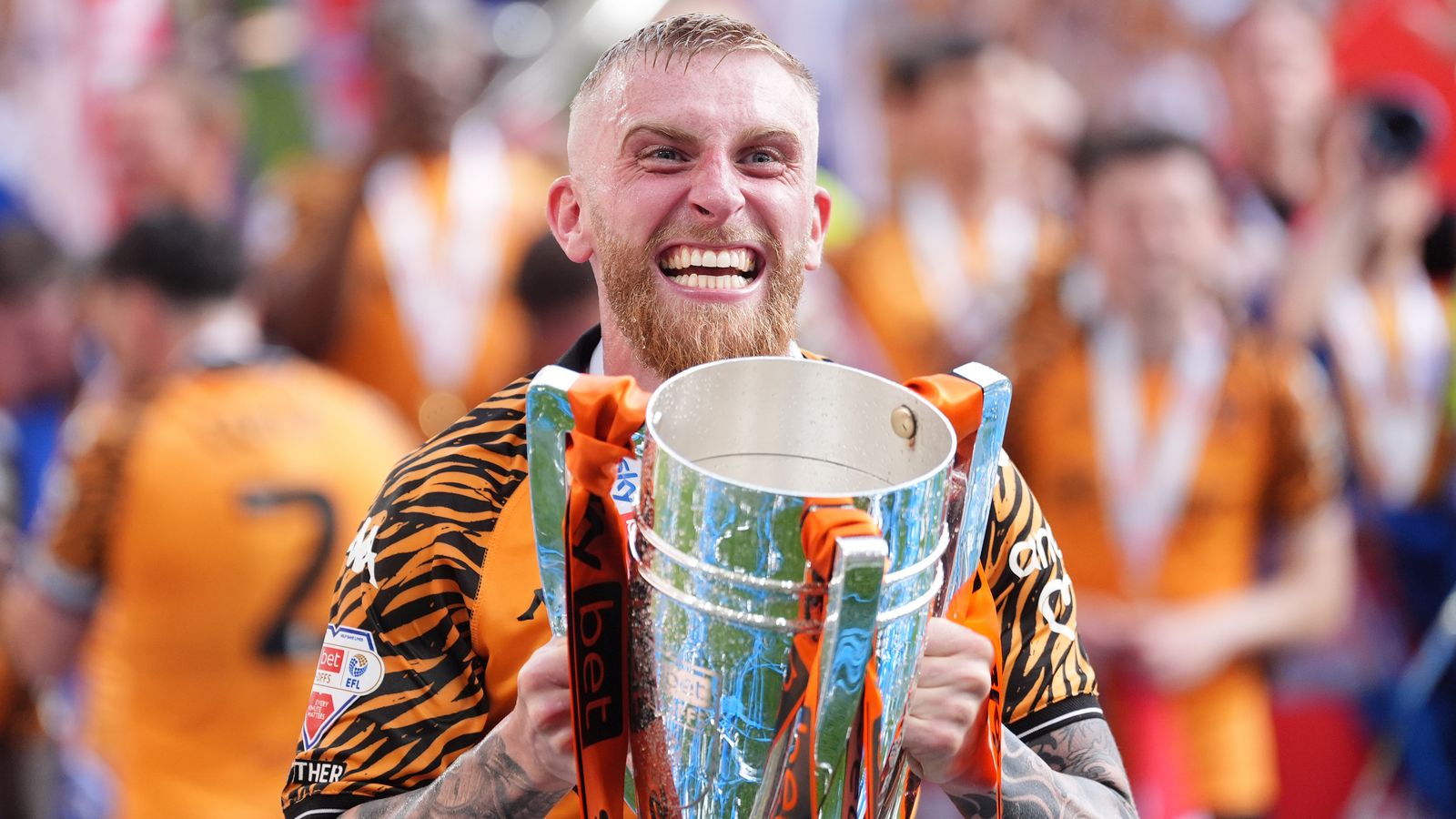
They will spend the summer singing the name of Oli McBurnie, the bare-legged savior who sent them back to the big time. For Middlesbrough, they must return to the cold reality of the Championship, wondering how a season of miracles ended in such a hilarious tragedy. Sol Brynn will carry this scar forever, a reminder that in football, the line between hero and laughingstock is paper-thin.
Read Next
- Why Boro and Hull face a tactical chess match in the shadow of spygate
- Harry Kane finally broke the curse and made the tactical hipsters cry
- Uli Hoeneß just reminded Barcelona that they are broke and it is glorious
- Arsenal just won the league and their rivals should be absolutely terrified
- 🏆 FA Cup Final 2026 — May 16, Wembley