The Anatomy of an Emirates Comeback
In the high-stakes vacuum of a Champions League semi-final, efficiency often trumps aesthetic superiority. Arsenal’s 2-1 victory over Lyon at the Emirates Stadium on Sunday was not a masterclass in sustained dominance, but rather a surgical exploitation of rare French fallibility. The Gunners took a one-goal lead into the second leg, proving that a marathon is won by staying in the race until the final sprint.
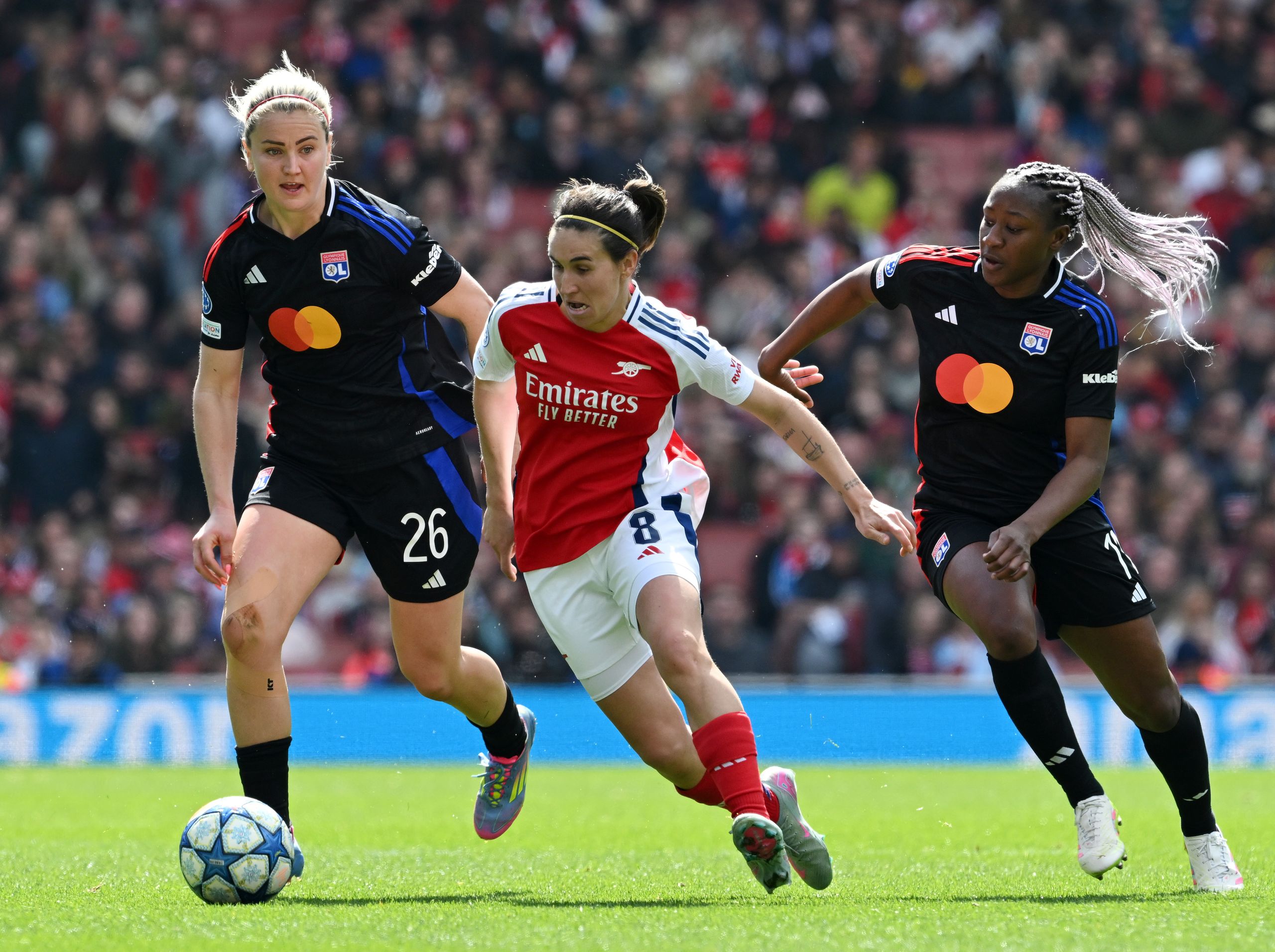
For the opening 30 minutes, Arsenal looked second best, struggling to bypass a Lyon midfield that suffocated the half-spaces. The tactical trigger shifted when Arsenal transitioned from a cautious mid-block to an aggressive high-press. According to BBC reports, Renee Slegers’ side capitalised on a pair of defensive errors to overturn an early deficit. This wasn't luck; it was the result of a calculated gamble to force Lyon’s ball-playing centre-backs into uncomfortable lateral passes under pressure.
The statistical reality of the night is stark: Lyon controlled the tempo for roughly 65% of the match, yet they leave London with nothing. Arsenal’s xG (expected goals) was likely inflated by the proximity of their chances following those defensive lapses. When your opponent hands you the keys to the final third, you don't need a complex combination play—you just need a clinical finisher. In this instance, that finisher was Olivia Smith.
The Smith Factor and the Art of the Pounce
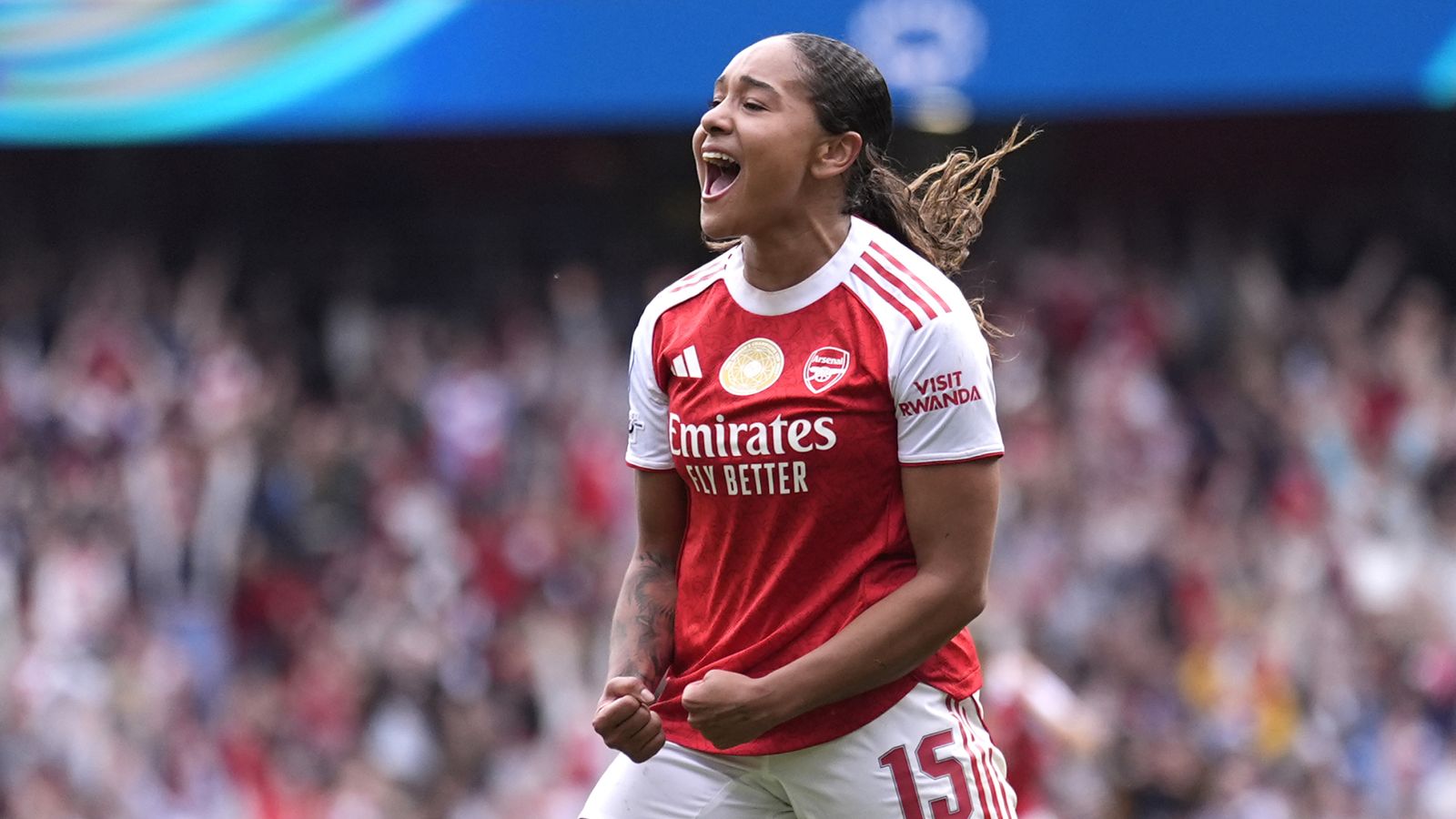
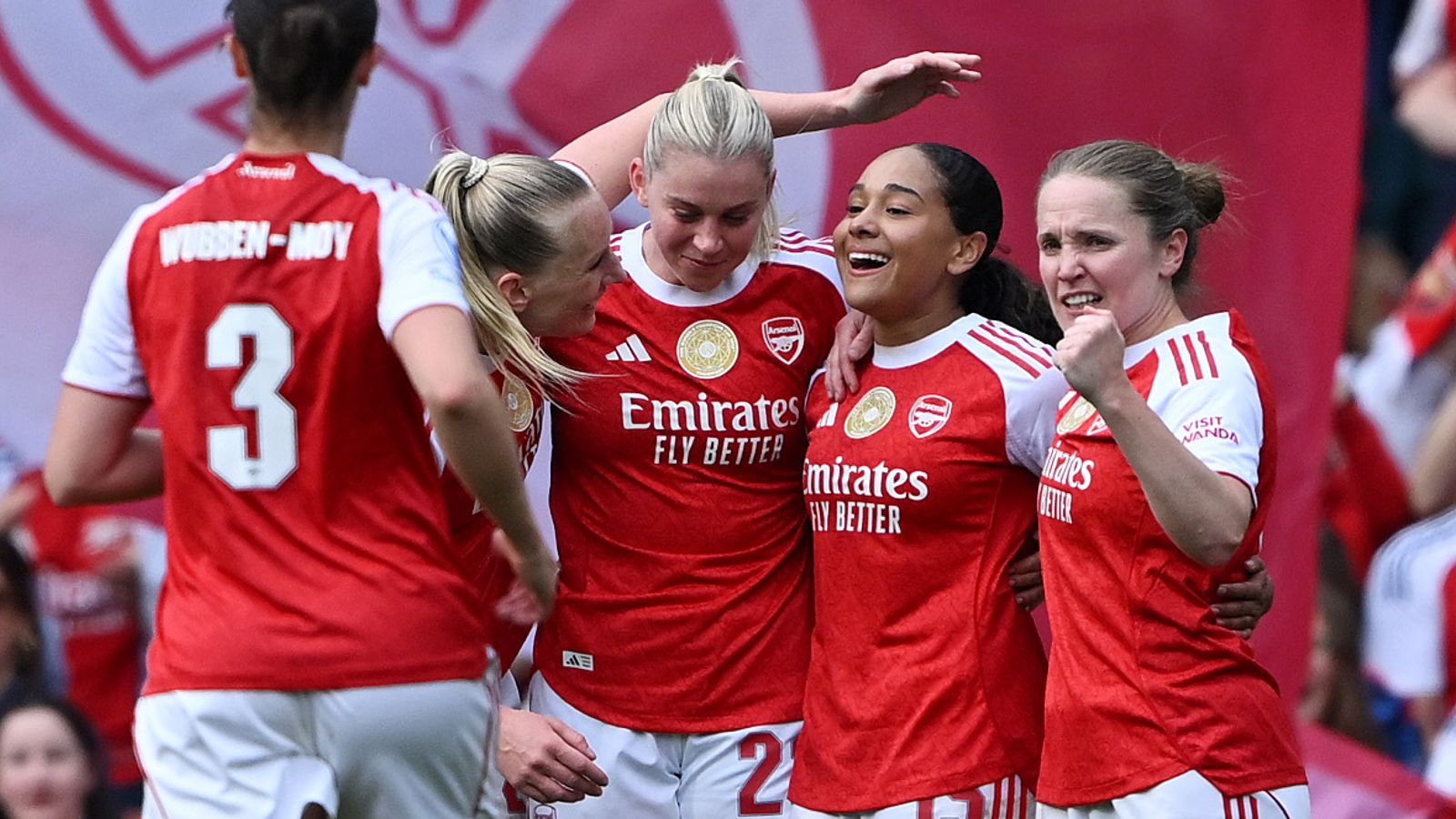
Olivia Smith’s winner in the second half was the definitive statistical outlier of the match. Smith has developed a reputation for being a high-volume shooter, but her restraint here was noteworthy. She waited for the specific moment of hesitation in the Lyon backline before snatching the goal that puts Arsenal in the driver's seat for the return leg in France. As The Daily Mail noted, Smith’s intervention allowed the reigning champions to edge ahead in what is essentially a 180-minute tactical chess match.
The 2-1 scoreline is a dangerous advantage. Historically, Lyon are a different beast at the Groupama Stadium, where their win rate in European knockout stages exceeds 80% over the last decade. Arsenal’s character was praised by Slegers, but character doesn't always track with expected outcomes. The Gunners’ ability to turn two defensive errors into two goals represents a 100% conversion rate on high-value turnovers. Maintaining that level of clinical finishing in the second leg is statistically improbable, meaning the defensive structure must improve.
Leah Williamson’s return to the starting lineup provided a much-needed outlet for ball progression. Williamson’s long-range passing accuracy traditionally hovers around the 75% mark, and her presence allowed Arsenal to bypass the first line of Lyon’s press. However, the defensive line still looked vulnerable during transitions. There were at least three occasions where Lyon players found themselves goalside of the Arsenal full-backs, only to be let down by their own poor final balls.
Tactical Regression and the Cost of Hesitation
Despite the win, a critical eye must be cast on Arsenal's first-half pass completion rates in the final third. For a twenty-minute stretch, the Gunners failed to register a single touch inside the Lyon penalty area. This passivity is a recurring flaw in Slegers' system when facing elite continental opposition. Relying on a 2-1 scoreline built on opposition mistakes is a high-variance strategy that could easily backfire in the second leg.
Character is what gets you through these nights, but structure is what wins you trophies. We pounced when they blinked.
Lyon’s inability to protect their lead suggests a structural decline in their defensive coordination. For a team of their pedigree to commit two unforced errors leading directly to goals is unprecedented in this stage of the competition. Arsenal’s coaching staff clearly identified a lack of communication between the Lyon goalkeeper and her central defenders. By instructing Smith and the forward line to shadow the passing lanes rather than directly engaging the ball carrier, Arsenal created a sense of doubt that eventually manifested in the winning goal.
Mapping the Second Leg Variables
The math for the return leg is simple: Arsenal need a draw or better to progress. However, the statistical probability of keeping a clean sheet against Lyon away from home is remarkably low. Lyon have scored in 95% of their home European fixtures over the last five seasons. Arsenal’s one-goal cushion feels like a thin veil against the inevitable French onslaught. The key metric to watch will be the percentage of successful aerial duels in the Arsenal box, an area where they struggled in the first leg.
Arsenal’s fitness levels will also be tested. The high-press used to force those errors in London requires a massive physical output. If the Gunners drop their intensity by even 5%, the space between their lines will expand, allowing Lyon’s creative midfielders to dictate the rhythm. Slegers hailed the character of the team, but she will need more than spirit in France. She will need a defensive performance that limits Lyon to less than 1.0 xG, a feat few teams have managed on Lyon’s home turf.
The 2-1 result at the Emirates is a significant milestone, but it remains a half-finished story. Arsenal have shown they can survive the pressure and punish mistakes, but they have yet to prove they can dictate a game against the very best for a full 90 minutes. As they head to France, the Gunners are no longer the underdogs, but the hunted. The statistical edge is with them for now, but in the Champions League, that edge can vanish in the time it takes to commit a single defensive error.
Read Next
- Arsenal's defensive wall cracks as Steph Catley misses Lyon semi-final
- Arsenal's narrow lead over Lyon is a tactical mirage waiting to be exposed
- San Siro's patience has finally run out after Milan's scoreless Juve draw
- Arsenal are winning ugly while the rest of European football drifts
- ⚽ Ligue 1 2025-26 — PSG, Monaco & the Title Race Hub
- ⭐ UCL 2026 — Champions League Quarter-Finals Hub