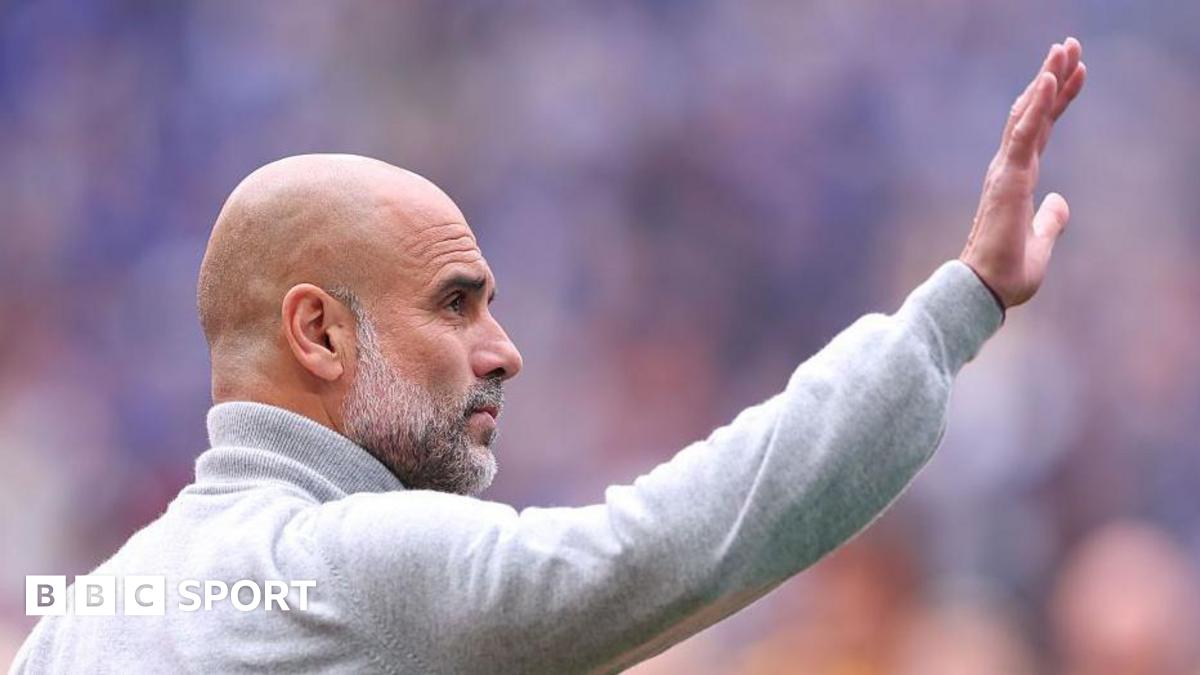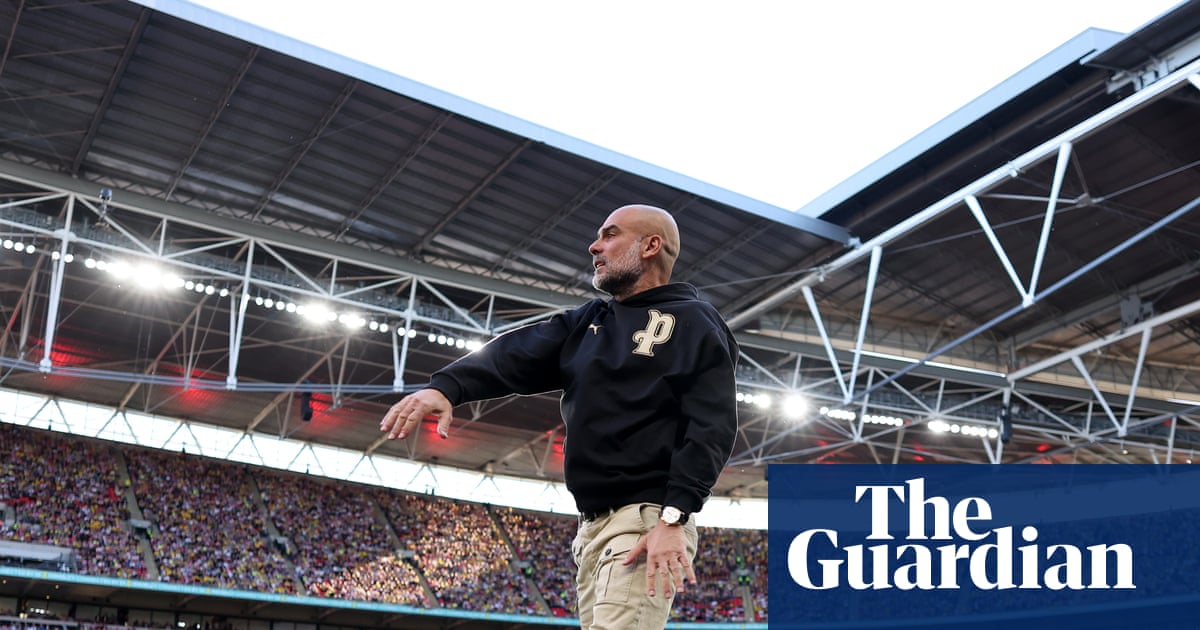
So it finally happened. After years of relentless speculation and amateur body language analysis, Pep Guardiola is actually leaving Manchester City. Jonathan Wilson over at The Guardian dropped the definitive obituary for the Guardiola era today, capturing the mood perfectly:
"Departing Manchester City manager has left huge imprint but equally stands alone in his willingness to adapt... When Pep Guardiola arrived in English football in the summer of 2016, there was a degree of scepticism."
Wilson isn't wrong. But if you look at the reaction across social media right now, adaptability isn't exactly the main topic. The discourse is a toxic, chaotic mess. Rival fans are throwing parades. City fans are in deep mourning. And tactical hipsters are writing massive essays about inverted fullbacks that absolutely nobody asked for.
Let's break down the madness of the internet's reaction to the biggest managerial news of the decade.
The Rival Fanbases: Unadulterated Joy and Asterisks
If you visited the Arsenal or Liverpool subreddits this morning, you would think their clubs just won a treble. The overwhelming emotion isn't respect. It is pure relief.
For the better part of a decade, Guardiola has been the final boss nobody could consistently beat. Jurgen Klopp burned himself out trying to keep pace. Mikel Arteta copied his homework and still came up short at the finish line. So naturally, the immediate reaction from rival supporters is to celebrate the departure of the man who ruined their weekends.
But the celebration is laced with bitterness. You cannot read a single thread about Guardiola's departure without hitting a wall of comments about financial charges. The number 115 is currently trending worldwide. Rival fans are determined to ensure that Guardiola's legacy is forever tied to the Premier League's investigation into City's finances.
The general sentiment among these skeptics is that anyone could have won titles with a blank checkbook. They argue his tactical genius was merely a byproduct of buying fifty-million-pound defenders just to leave them on the bench. It is a reductive argument, sure, but today nuance is completely dead.
The City Faithful: Losing the Architect
Over in the blue half of Manchester, the mood is bleak. City fans aren't just losing a manager. They are losing the guy who built their modern identity.
Before Pep arrived, City were successful, but they were chaotic. Guardiola turned them into a ruthless machine. Supporters are currently flooding timelines with highlight reels of Ilkay Gundogan arriving late in the box and Kevin De Bruyne hitting impossible cross-field passes.
The anxiety is very real. City fans know replacing Guardiola is an impossible task. You don't just replace a guy who normalizes winning 14 consecutive matches to close out a title race. There is a genuine fear that the club will immediately regress. They are looking at what happened to Manchester United after Alex Ferguson left, and the panic is setting in fast.
For these enthusiasts, Guardiola isn't just the best manager. He is the standard by which all Premier League football will be judged. They point out that half the league now tries to play out from the back as definitive proof of his absolute influence.
The Football Purists: Did He Ruin the Game?
This is where the discourse gets really interesting. A loud contingent of contrarians are arguing that Guardiola actually made football worse to watch.
By effectively solving football, they say Guardiola sterilized it. His teams are so focused on absolute control and dominating possession that they squeeze the life out of matches. Critics point to the endless sequences of recycled possession around the penalty area. They call it robotic. They claim it lacks the raw emotion that made the Premier League famous in the first place.
These purists miss the old days of frantic counter-attacks and massive target men causing havoc in the box. They blame Guardiola for the homogenization of tactics, where even relegation-threatened teams pass out from the six-yard box instead of just launching the ball to survive.
It is a fascinating take. Jonathan Wilson touched on the "degree of scepticism" when Pep first arrived in 2016, with pundits questioning if his style could survive English football. He proved them wrong, but he fundamentally changed how the game is played at every level.
The Tactical Nerds: Mourning the Innovations
While casual fans argue about money and boredom, the tactical community is in mourning. These are the people who genuinely get excited about asymmetric formations and positional play.
They are debating his greatest tactical innovation. Was it turning Fabian Delph into a title-winning left-back? Was it deploying John Stones as a roaming defensive midfielder who suddenly looked like prime Sergio Busquets? Or was it playing without a recognized striker for an entire season and coasting to the title while other teams desperately hoofed the ball up the pitch?
The consensus among tactical nerds is that Guardiola's constant tinkering forced every other manager to level up. If you didn't evolve, Guardiola would ruthlessly expose you. They argue the technical quality of the Premier League has never been higher, purely because of the Catalan demanding perfection.
The Verdict: Who Has the Stronger Argument?
So, who is actually right here? The bitter rivals, the mourning City fans, or the bored contrarians?
Honestly, they all have a point, but the rivals are letting hatred cloud their judgment. You cannot completely separate Guardiola's success from City's massive financial backing. That is a valid criticism. The resources at his disposal were absurd. However, to claim he was just a lucky passenger on a wealthy train is historically inaccurate and lazy.
Money buys you a seat at the table. It doesn't organically create the intricate passing triangles that leave opposition defenses chasing shadows for ninety minutes. Guardiola's actual genius was making already great players significantly better. Just look at Raheem Sterling's numbers under Pep compared to the rest of his career.
That said, the contrarians aren't entirely wrong about the aesthetic of modern football. City's matches often felt more like an inevitable mathematical equation being solved rather than a sporting contest. It was brilliant to watch, but it rarely got the blood pumping unless you were deeply invested in defensive structures.
But the strongest argument definitely belongs to those who view him as a transformative figure. As Wilson pointed out, Guardiola changed the face of English football. He raised the bar so ridiculously high that a massive 90-point season is no longer a guarantee of a league title. He forced everyone to get smarter.
What Happens Next?
The immediate fallout is going to be fascinating to watch. The power vacuum at the top of the Premier League is suddenly wide open. Arsenal and Mikel Arteta must feel like the universe has finally handed them an engraved invitation. Liverpool are entering a new era of their own, but they will seriously fancy their chances in a post-Pep world.
As for City, the upcoming transition is brutal. Whoever takes the job next is walking into a highly pressured situation where anything less than absolute perfection is considered a failure.
Love him or hate him, the Premier League is going to be significantly weirder without an intense bald man in a designer cardigan frantically waving his arms on the Etihad touchline. The king is leaving. Let the chaos begin.
Read Next