The End of an Era in Manchester
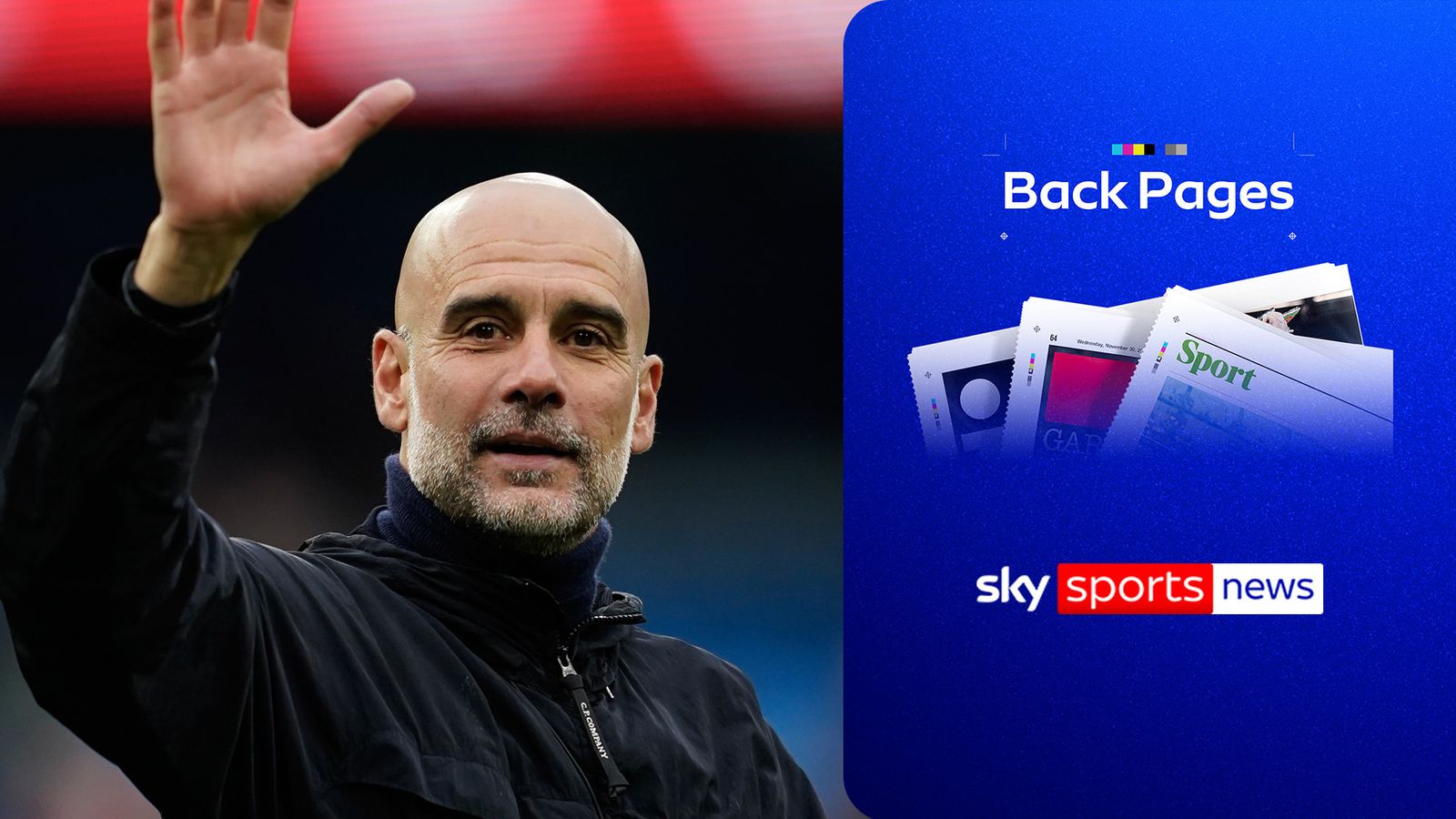
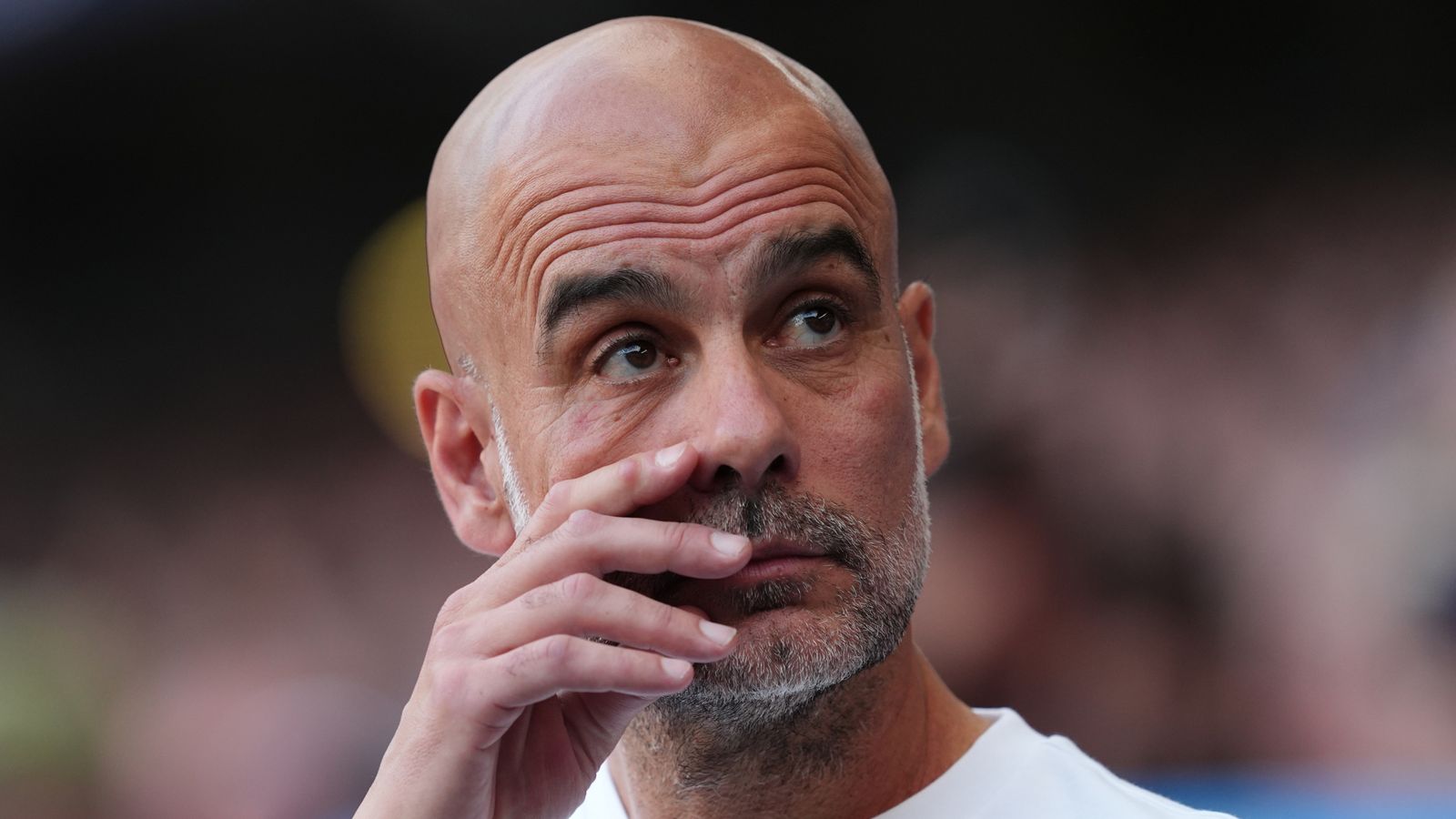
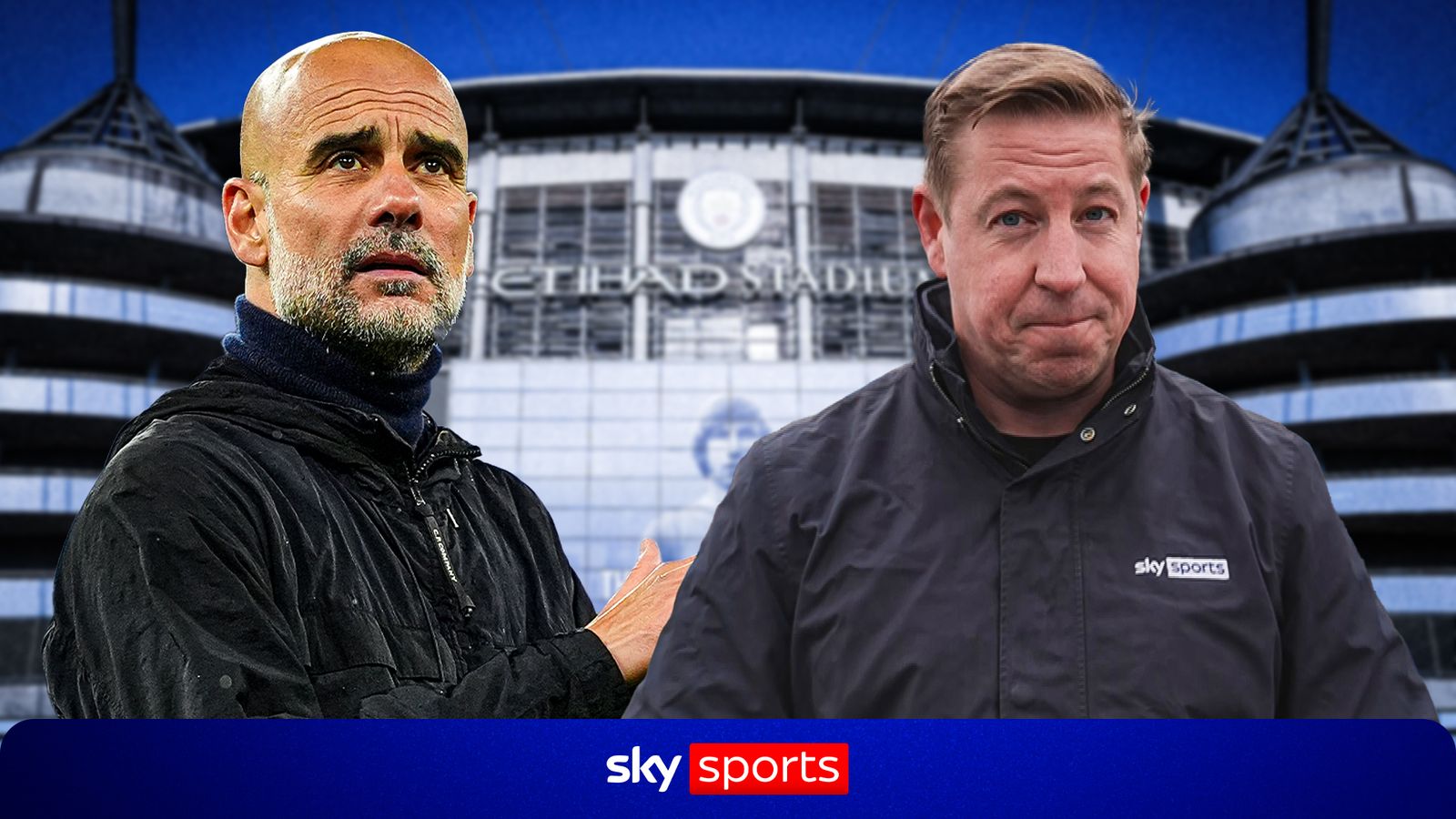
The murmurs have finally grown into a roar. According to weekend reports from Sky Sports, Pep Guardiola is stepping down as Manchester City manager. This marks the end of a decade of tactical obsession that broke English football and rebuilt it in his own image.
For weeks, the body language on the touchline has told a story. The frantic hand gestures have turned into exhausted shrugs. Managing a squad of elite millionaires while maintaining a standard of near-perfection takes a psychological toll that few can comprehend.
He is vacating a throne constructed from inverted fullbacks, false nines, and relentless pressing triggers. The Premier League has spent ten years trying to solve the Guardiola puzzle. Just when Arsenal or Liverpool seemed to crack the code, he would change the locks.
This weekend's fixture represents the culmination of an experiment that pushed the boundaries of what a football team could achieve. But all experiments must eventually end. The question now is what happens to the laboratory when the mad scientist walks away.
A Tactical Evolution Born of Obsession
Look at the distinct iterations of his City sides over the past decade. The early years relied on Leroy Sane and Raheem Sterling hugging the touchline, stretching defenses to their absolute breaking point. This created massive gaps in the half-spaces for Kevin De Bruyne to exploit.
It was beautiful to watch. It was fluid, attacking football that overwhelmed opponents with a sheer volume of chances. But it was also fragile against aggressive transition teams, where City could dominate for 80 minutes and lose to three quick counter-attacks.
Then came the false nine era. Ilkay Gundogan suddenly became a lethal penalty-box operator. City suffocated opponents with pure possession, turning matches into 90-minute rondos and starving the opposition of oxygen.
This was Guardiola at his most controlling. He stripped the chaos out of the game, ensuring every movement was choreographed and every pass had a purpose. It was highly effective, but it sometimes lacked the raw thrill of unpredictable football.
The most terrifying version arrived with Erling Haaland. Guardiola threw away traditional fullbacks entirely, deploying four giant center-backs to lock down the rest-defense. It was an admission that even he needed raw physicality to conquer Europe.
Players like Nathan Ake and Manuel Akanji became the bedrock of the team. John Stones transitioned from a ball-playing defender into a hybrid midfielder who dictated the tempo. The joy of the early years was replaced by ruthless, industrial efficiency.
You also have to look at how he utilizes his goalkeeper. Ederson is not just a shot-stopper; he is the most important playmaker on the pitch. Opposing forwards are terrified to press him because he can effortlessly ping a 70-yard pass onto a winger's chest, bypassing the entire midfield.
Forcing the League to Adapt
You cannot measure Guardiola's impact simply by looking at the trophy cabinet. His true legacy is etched into the tactical blueprints of his rivals. He forced the entire Premier League to adapt or perish.
Jurgen Klopp arrived in England preaching heavy-metal football built on furious counter-pressing. But even Klopp realized he could not beat City without controlling the ball. Liverpool eventually morphed into a more possession-oriented side to match Guardiola's cadence.
Then there is Mikel Arteta. Arsenal's manager is quite literally a product of the Guardiola coaching tree. Arteta took the City blueprint down to London and nearly perfected it, adopting the 3-2 build-up structure and suffocating positional play.
Every mid-table manager now demands their goalkeeper play out from the back. The tactical baseline of English football has shifted because one man refused to compromise his principles. But imitation is not the same as mastery, and disciples rarely outsmart the master.
Consider the financial backing as well. Yes, City have spent an astronomical amount of money, but Manchester United and Chelsea have spent comparable figures with embarrassing results. Guardiola's true skill is ensuring that virtually every high-priced signing is molded into a functional part of the collective machine.
The Fatal Flaws in the Machine
Yet, the system was never entirely flawless. Guardiola's genius has always been accompanied by a tendency to overthink when the lights shine brightest. We saw it in the 2021 Champions League final against Chelsea when he disastrously played without a defensive midfielder.
Even this season, City's build-up play has occasionally looked stagnant. When teams sit in a low block and refuse to engage, City often fall into a trap of horseshoe possession. They pass sideways from Josko Gvardiol to Ruben Dias, waiting for an opening that never materializes.
There is also the silent issue of emotional burnout. You cannot demand maximum intensity in every single training session for ten years without breaking a few spirits. Players look mentally fried by April, as the relentless demand for positional perfection leaves little room for individual expression.
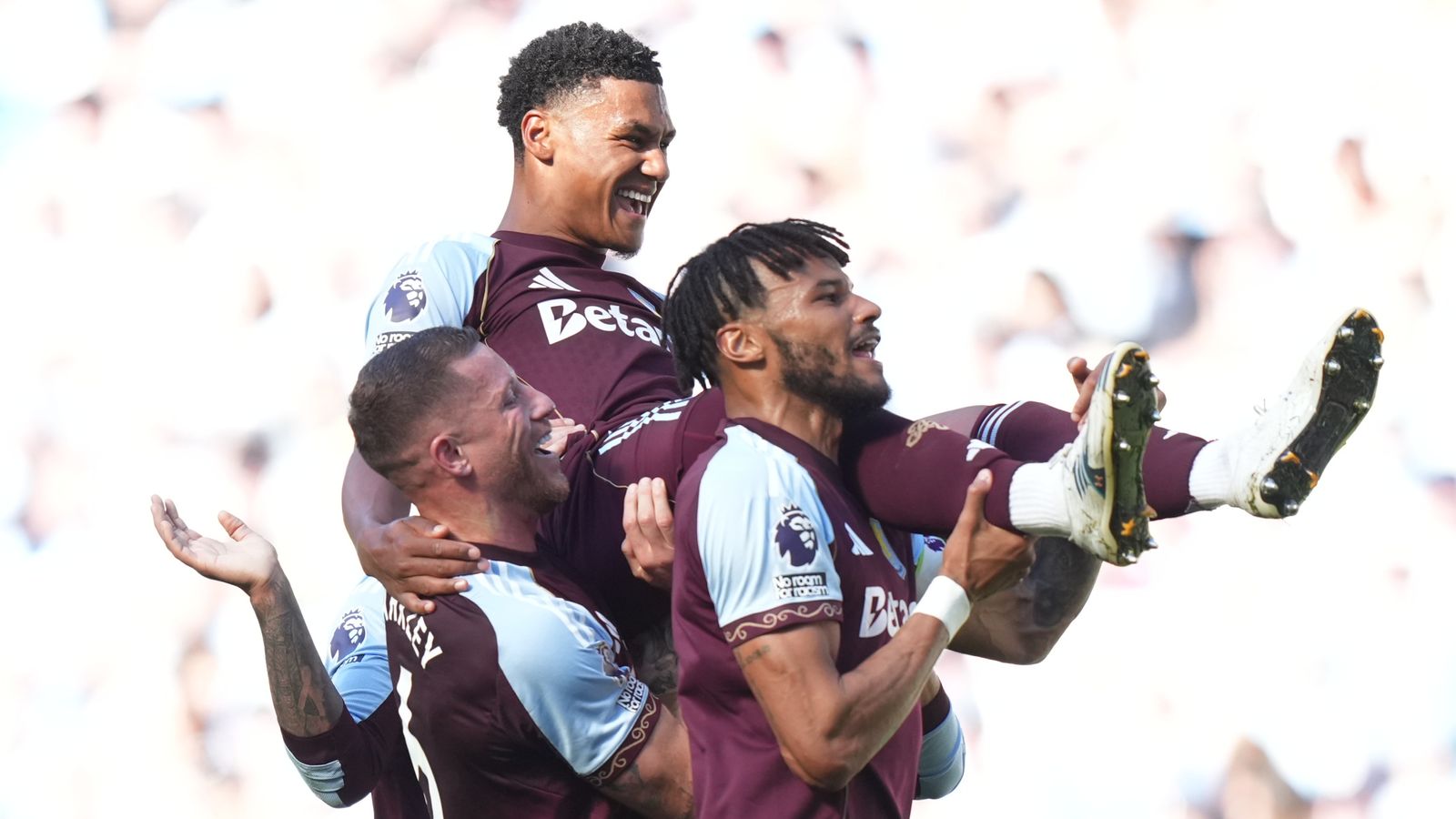
You can see it clearly in players like Jack Grealish. A maverick at Aston Villa, he was broken down and rebuilt into a ball-retention machine. Guardiola demands absolute obedience to the system, and that exacts a heavy price on creative flair.
Predicting the Fallout of a Farewell
Here is the prediction. Guardiola will announce his departure immediately following Sunday's final Premier League fixture. The Etihad will host a tearful goodbye to the greatest manager in the club's history.
But that massive emotional release will cost them dearly. City face the Champions League Final on May 28, just six days after the domestic curtain falls. The narrative suggests a glorious send-off, but the reality of football is rarely so kind.
City will lose the Champions League Final. The squad will be running on fumes. They will be emotionally and physically drained by the magnitude of the moment and the weight of their manager's exit.
Without Guardiola's manic energy driving them from the touchline, the structure will finally crack against elite European opposition. The intensity required to press high and win the ball back will drop by just five percent. At that elite level, a five percent drop is fatal.
The Void Left Behind
The tactical vacuum left behind will be enormous. Every coaching session at the Etihad campus for the last ten years has been built around Guardiola's specific methodology. Changing that underlying culture is akin to rewriting the entire operating system of a supercomputer.
What happens next season? The drop-off will be severe and immediate. You cannot simply replace a system manager who operates as the entire sporting brain of a football club.
Whoever steps into the dugout will inherit a squad tuned to a very specific frequency. The new manager will inevitably want to implement his own ideas. Players conditioned to wait for micro-instructions will suddenly be asked to make their own decisions, and the transition will be brutal.
Expect City to fall well short of the 90-point mark next season. They will regress to the mean, allowing Arsenal and Liverpool to tear them down and reclaim the summit. The safety net of Guardiola's tactical dominance is finally gone.
Sunday means more than a simple farewell. It marks the closing of a championship window. Enjoy the final 90 minutes of this calculated brilliance, because we are about to watch the empire crumble.
Read Next