The Galactico Hangover
It is March 24, 2026. We are exactly two weeks away from April 7, the first leg of the UEFA Champions League quarter-finals. For most elite European clubs, the quarter-finals are a baseline expectation. For Paris Saint-Germain, this specific quarter-final is an existential reckoning.
Think back to the dying days of the Galactico era in Paris. It wasn't just bad; it was actively insulting to watch. You had Lionel Messi strolling around the center circle looking like a guy waiting for a bus in the rain. You had Neymar permanently injured by February, hosting poker tournaments while the team was preparing for season-defining matches.
You had Kylian Mbappe visibly frustrated, throwing his arms up every time a pass didn't land perfectly at his feet. They were defending with seven outfield players in the modern Champions League. It was a tactical suicide note written in gold leaf.
Let's talk about the absolute clown car that was PSG's recruitment strategy for the better part of a decade. They operated like a teenager playing FIFA Career Mode with the financial takeover cheat enabled. Need a defensive midfielder? Let's buy another left winger. The defense is leaking goals? How about we sign a veteran center-back on massive wages who will be injured for half the season?
The strategy was nonexistent. They just threw obscene amounts of money at whoever had a high rating and hoped the manager could figure it out. When you put Messi, Neymar, and Mbappe on the same pitch, you are essentially daring the opposition to run right through your midfield.
Against any serious European opposition, the Parisian midfield was completely overrun. I remember watching them against Bayern Munich a few years ago, and it looked like a training exercise for the Germans. Joshua Kimmich and Leon Goretzka were just laughing as they waltzed through the center of the park completely uncontested.
Marco Verratti was out there trying to single-handedly bypass the Bayern press while Ander Herrera pointed at things. It was embarrassing. It was the absolute antithesis of modern, winning football.
The Luis Enrique Intervention
When that ridiculous project finally collapsed under the weight of its own inflated ego, PSG did something entirely out of character. They stopped buying names and started building an actual football team.
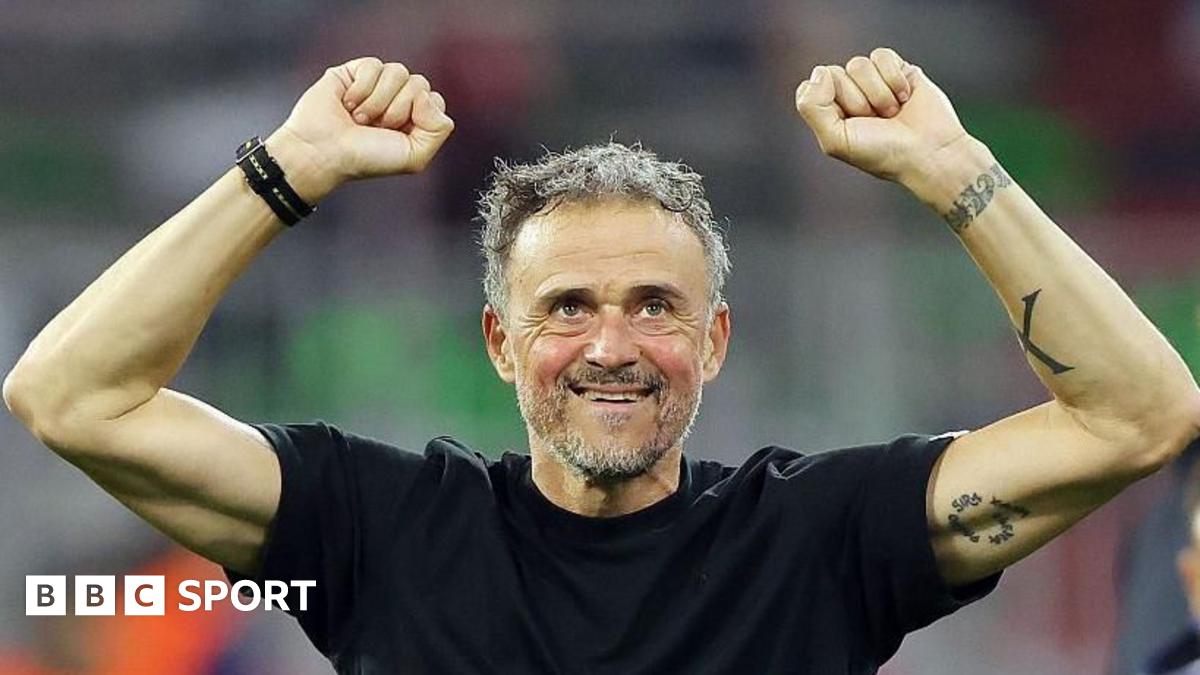
Enter Luis Enrique. The man is notoriously stubborn, occasionally arrogant, and exactly what this spoiled, rotten club needed. He looked at the dressing room and immediately established that nobody was bigger than the system. If you don't press, you sit on the bench. If you leak stories to the French media, you sit on the bench. It sounded like standard manager speak, but then he actually enforced it.
The transformation of Vitinha is the clearest indicator of this dramatic shift. Two years ago, he looked like a frightened kid who was only on the pitch to pass the ball sideways to a superstar and get out of the way. Now? He has mutated into an absolute monster. He carries the ball through the lines, he snaps into tackles, and he dictates the entire rhythm of the game.
Combine that with Warren Zaïre-Emery, who is frankly terrifying to watch. He just turned twenty a couple of weeks ago, yet he plays with the cynical, hardened edge of a guy who has been fighting in the trenches for fifteen years. He doesn't just win the ball back; he physically dominates opposing midfielders.
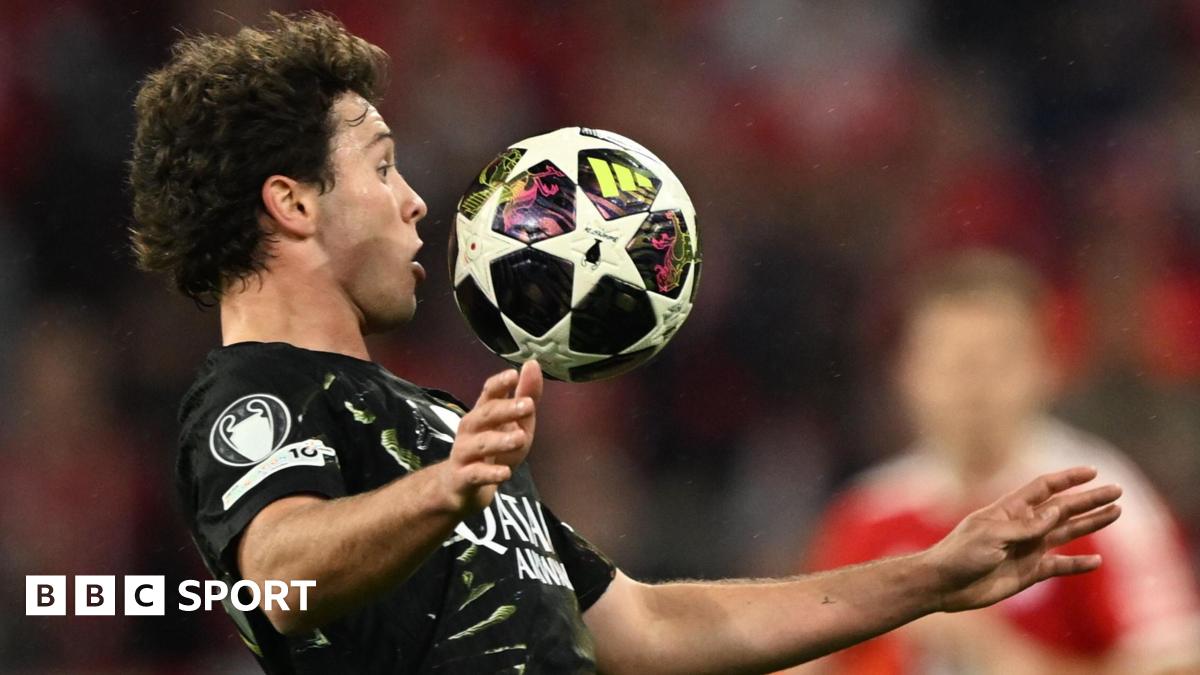
Then you have Joao Neves. Getting him to anchor that midfield was the smartest piece of business the Qatar Sports Investments group has done in years. Instead of buying a flashy number ten to sell shirts in Asia, they bought a guy who actually enjoys doing the dirty work. He cleans up the messes before they ever reach the backline.
Up front, the departure of the superstars forced a massive recalibration. Bradley Barcola is doing the relentless, lung-busting running that Neymar never even considered. Goncalo Ramos and Randal Kolo Muani have been pushed to actually operate as a unit rather than waiting for a moment of individual brilliance to bail them out. They actually counter-press now. They actually track runners. It is shocking to see a PSG side that looks like they met each other before kickoff.
The Glaring Weaknesses
But let's be incredibly clear here: I am not completely sold on this being a finished product.
You cannot erase ten years of institutional bottling in a couple of seasons. This is still PSG, and the capacity for spectacular self-sabotage is baked into the very DNA of the club. The ghost of their past failures is always hovering over the Parc des Princes, waiting for the worst possible moment to strike.
My biggest concern is still Gianluigi Donnarumma. Yes, his shot-stopping reflexes are ridiculous. He will pull off saves that make you question the laws of physics. But the second the ball is at his feet and an opposing forward starts sprinting at him, his brain completely shuts down.
His distribution under pressure is a massive liability. In a tight quarter-final, against a team that presses aggressively, giving the ball away inside your own penalty box is a death sentence. His footwork in European knockout matches is a recurring horror movie for the Parisian faithful. You can practically see the sheer panic in his eyes when a striker closes him down on his weaker foot.
Furthermore, there is a lingering question about their offensive ceiling. Without Mbappe there to bail them out with a freakish burst of speed, they have to rely entirely on the collective to break down stubborn defenses. Ramos and Kolo Muani have been solid, but solid doesn't win you the Champions League.
When the game is locked at 0-0 in the 82nd minute, and the opposition is parked in their own penalty area, who is the guy that grabs the game by the scruff of the neck?
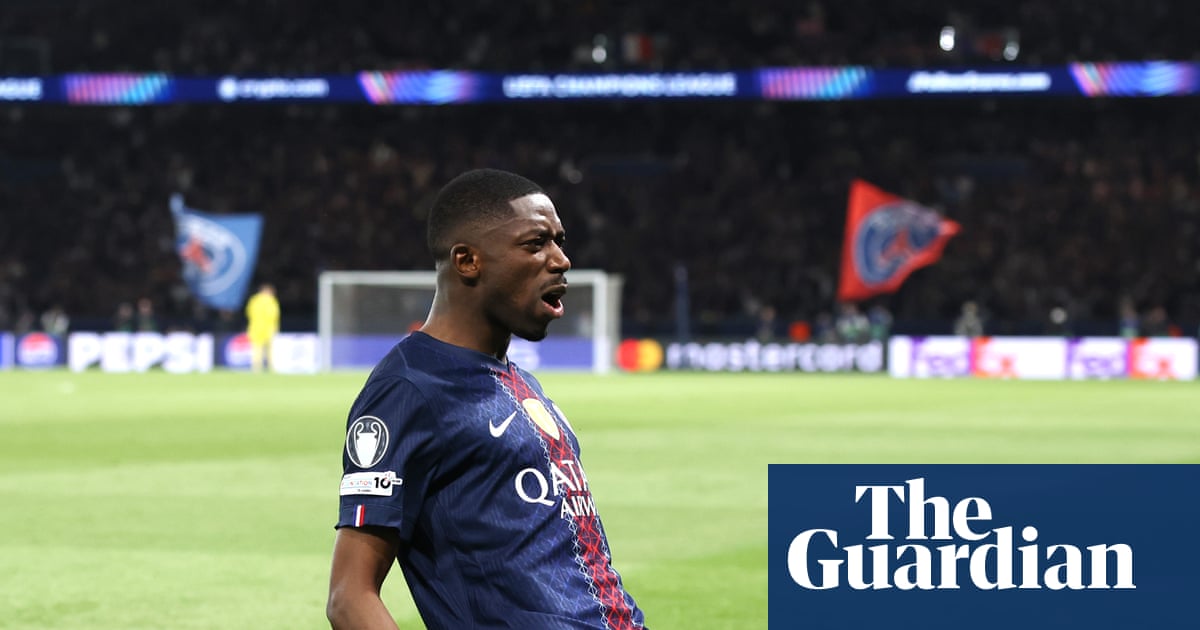
Ousmane Dembele is brilliant on his day, but his decision-making in the final third can still be maddeningly inconsistent. He will beat three players with a run that makes you spill your drink, and then cross the ball straight into the stands. You cannot afford that kind of wild inefficiency in a European quarter-final.
There is also the brutal reality of their domestic league. Dominating Ligue 1 is the worst possible preparation for the final stages of the Champions League.
When you play in the Premier League, you have to fight for your life against Aston Villa on a rainy Tuesday. In La Liga, going away to Athletic Bilbao or Diego Simeone's Atletico Madrid is a physical war. In France? PSG can roll out a heavily rotated side and still win comfortably against teams operating on a fraction of their budget. That creates a false sense of security.
It breeds a complacency that gets ruthlessly exposed when they finally step onto the pitch against a team like Manchester City or Arsenal, teams that have been playing high-stakes, high-intensity football every single weekend since August. They are routinely steamrolling domestic opposition, but beating Le Havre 4-0 on a Sunday afternoon does not replicate the suffocating intensity of a European night.
The Ultimate Acid Test
This brings us directly to April 7. The first leg of the quarter-final.
This is the exact stage where the old PSG used to spontaneously combust. We all remember the infamous collapses. The 6-1 against Barcelona that broke their brains for half a decade.
We all remember the absolute meltdown against Real Madrid at the Bernabeu. Donnarumma dawdling on the ball, Benzema pressing him, the ensuing panic, and then watching a team of expensive mercenaries completely give up. They conceded three goals in less than twenty minutes because nobody on the pitch had the leadership to grab the game and calm things down. Marquinhos looked like he had seen a ghost. The entire structural integrity of the team vanished into thin air.
The lifeless, pathetic exits against Bayern Munich where they didn't even look angry about losing. Those failures were excused by the media because the team was fundamentally broken. The running narrative was always that the superstars simply didn't fit together. But this time? There are no excuses left in the chamber.
Luis Enrique has the exact team he wants. The toxic egos have been cleared out. The midfield is beautifully balanced. The fans in the Virage Auteuil are actually roaring for the players instead of booing them at halftime.
If PSG gets knocked out here, looking disjointed and fragile, what was the actual point of the rebuild? If a team built on collective effort and tactical discipline fails at the exact same hurdle as the team built on marketing and empty vibes, it raises terrifying questions for Nasser Al-Khelaifi. It would suggest that the failure isn't about the players on the pitch, but something rotting deeper within the institution itself.
This is why this quarter-final is the most important match they have played in years. It is a massive, unforgiving referendum on their entire philosophy shift. Winning the French league by fifteen points again proves absolutely nothing to anyone outside of Paris. Beating a mid-tier European side in the group stage proves nothing.
April 7 is the acid test. They have exactly fourteen days to prepare for the ultimate reality check. They have spent the entire post-Messi era desperately telling everyone that they are finally a serious football club. In two weeks, they have to walk out onto the pitch and actually prove it. Because if they don't, the laughter from Madrid, Munich, and Manchester is going to be deafening.
Read Next
- Arne Slot is about to expose Luis Enrique's stubbornness in Europe
- PSG will absolutely run through Liverpool's exhausted midfield
- Stop Pretending Barca vs Atleti Won't Be an Absolute Bloodbath
- Who actually has the stomach for a Champions League second-leg comeback?
- 🇫🇷 France World Cup 2026 — Les Bleus Hub
- ⚽ Ligue 1 2025-26 — PSG, Monaco & the Title Race Hub
- ⭐ UCL 2026 — Champions League Quarter-Finals Hub