The Kvaratskhelia constant and Liverpool's structural failure
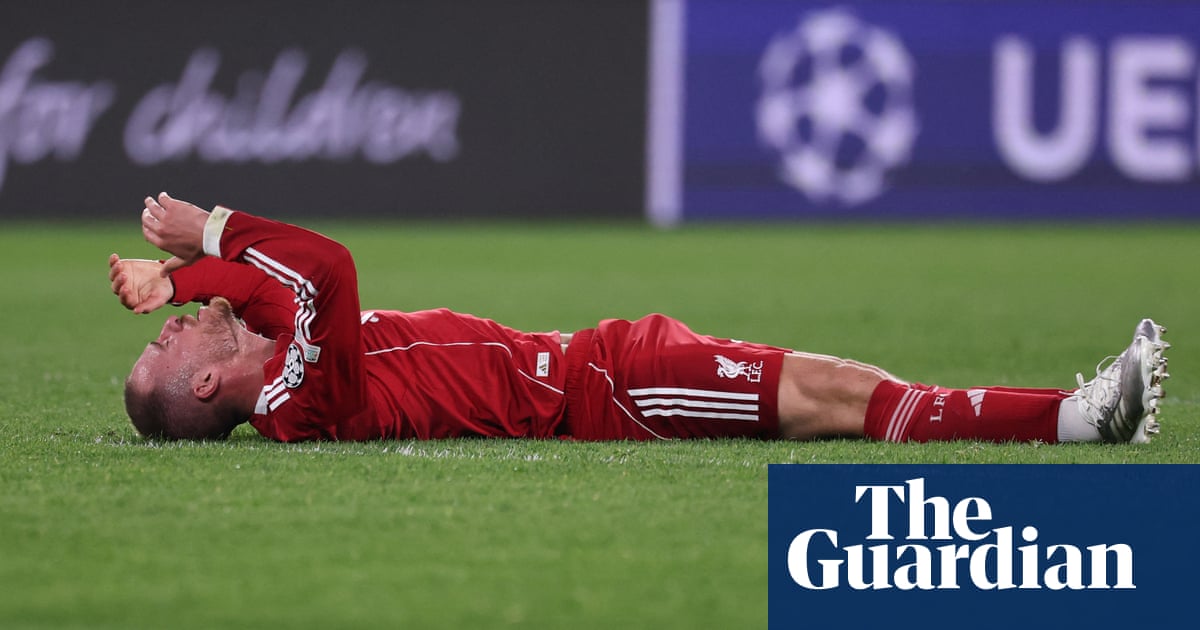
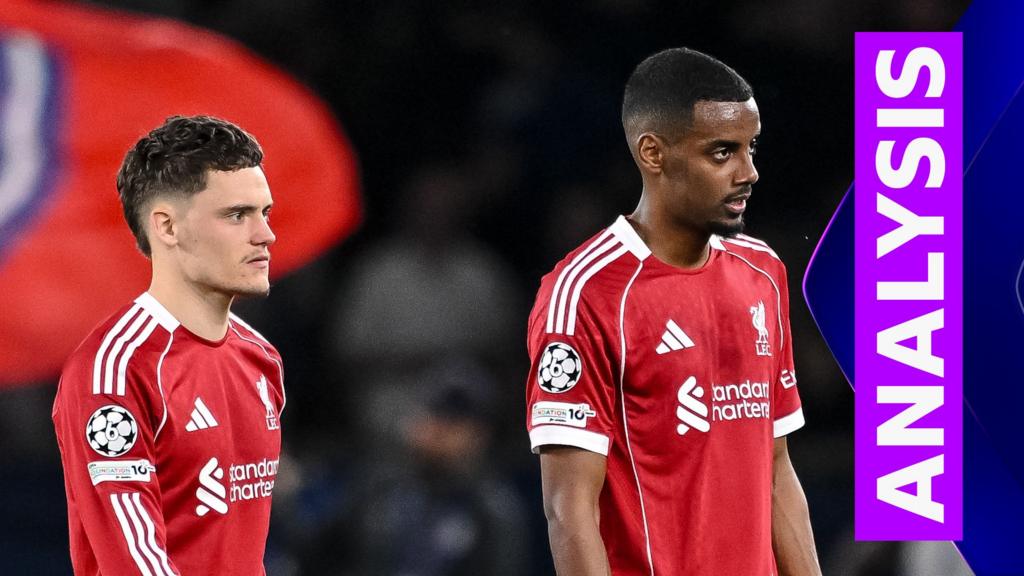
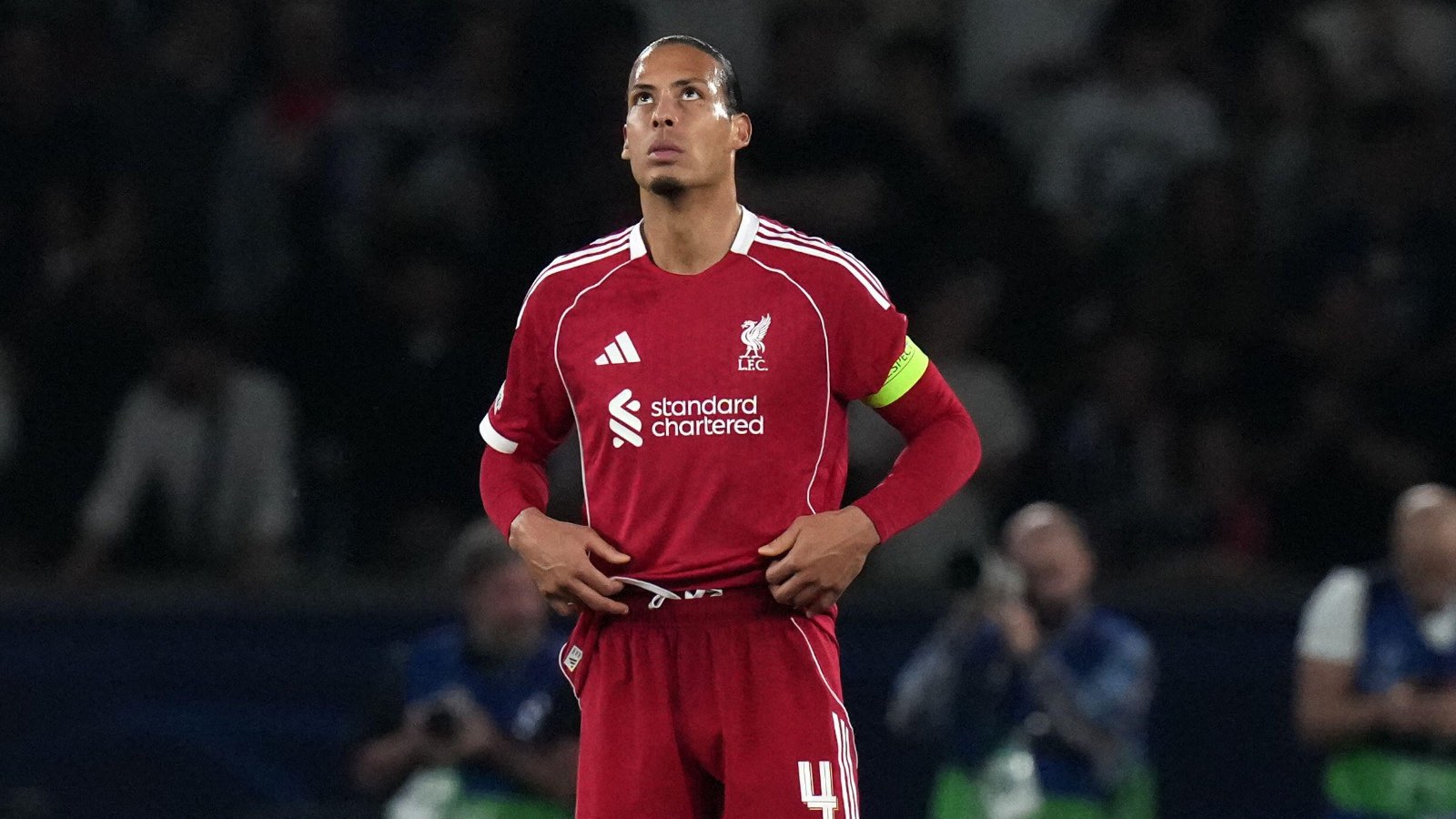
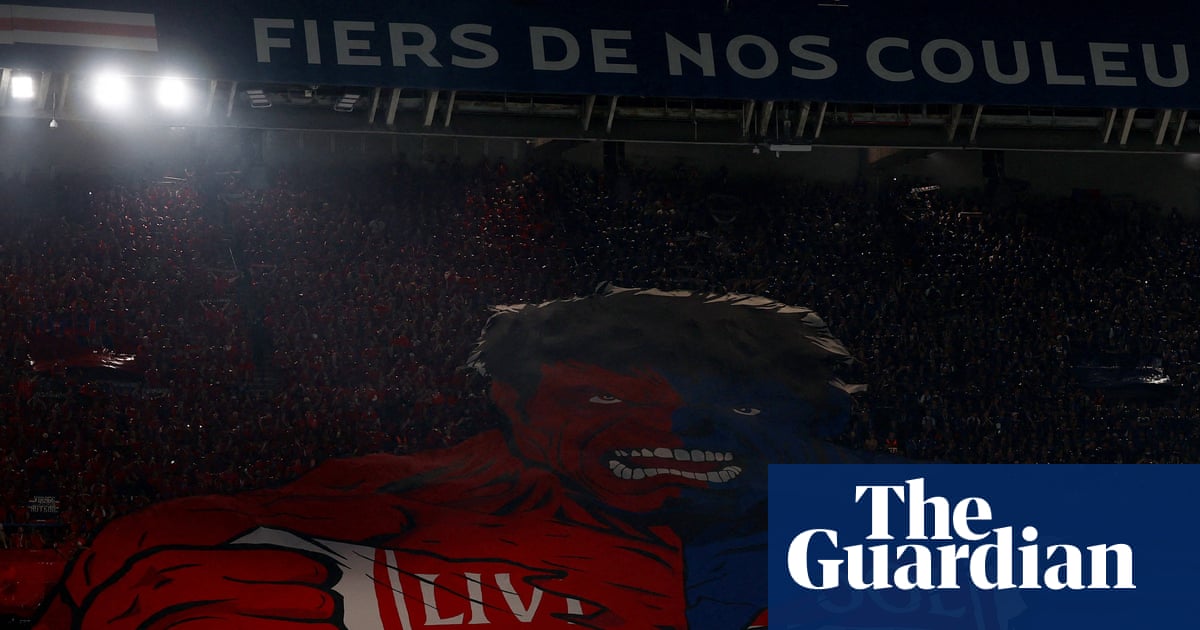
PSG's 2-0 victory over Liverpool at the Parc des Princes wasn't just a result; it was a comprehensive data-driven dismantling of a defensive block that has looked increasingly fragile since the turn of the year. Khvicha Kvaratskhelia’s second goal of the night wasn't merely a piece of individual brilliance. It was the mathematical conclusion of a match where PSG recorded a 64% possession share in the final third, consistently overloading Liverpool’s right-hand side.
The Georgian winger's impact can be quantified through his progressive carries. During the ninety minutes in Paris, Kvaratskhelia registered 12 carries into the penalty area, more than the entire Liverpool squad combined. This high-volume pressure eventually cracked a backline that has historically relied on recovery speed—a metric where they are now showing clear signs of regression.
Vulnerabilities in the high line
Liverpool’s defensive average position was 52 meters from their own goal line. In previous seasons, this aggressive posture was offset by a midfield pressure that forced rushed long balls. Against PSG, that pressure evaporated. PSG’s pass completion rate under pressure was a staggering 89%, allowing them to pick apart the space behind Ibrahima Konate with surgical precision. When Kvaratskhelia slotted home the second, he was the third PSG player to have a clear sight of goal in a ten-minute window.
This isn't a fluke; it's a trend. Liverpool have now conceded the first goal in 40% of their matches this season. Their inability to control the tempo of the opening twenty minutes is no longer a tactical choice—it's a systemic failure. The "mammoth task" ahead in the second leg isn't just about scoring twice; it's about preventing a PSG attack that is currently averaging 2.4 goals per game in European competition.
Millwall's efficiency is defying Championship logic
While the giants of Europe clash, the statistical anomaly of the season is happening in the Championship. Millwall are currently aiming for 2nd spot as they face West Brom, a position they've reached by embracing an almost radical level of efficiency. They aren't dominating the ball—they average just 41% possession—but they lead the league in points gained per shot on target.
The low-block masterclass
Millwall’s rise is built on a defensive solidity that metrics suggest should be unsustainable. They have an Expected Goals Against (xGA) of 1.12 per match, yet they are actually conceding only 0.78. Usually, a discrepancy this large suggests a goalkeeper in world-class form or extreme luck, but Millwall’s shot suppression tells a different story. They force opponents into the lowest-quality shots in the division, with an average distance of 21 yards from goal.
Facing West Brom at the Hawthorns provides a definitive test of this model. The Lions aren't trying to outplay the league; they are trying to out-calculate it. If they secure that second spot, it will be the lowest-possession promotion campaign in the modern era of the second tier. It is a cynical, effective, and deeply impressive use of limited resources.
West Ham's reliance on the Summerville variable
In the Premier League, West Ham's upcoming fixture against Wolves hinges on the fitness of Crysencio Summerville. The data suggests West Ham are a fundamentally different team without him. With Summerville in the starting XI, the Hammers' xG increases by 0.45 per ninety minutes. His ability to draw defenders out of the central channel is the primary reason Jarrod Bowen finds so much space in the half-spaces.
Quantifying the creative void
Without Summerville, West Ham’s attacking transitions slow down significantly. They drop from 4.2 shot-creating actions per match to just 2.8. This 33% drop in creative output is why the medical staff are working overtime to get him ready for the Wolves clash. Wolves operate with a narrow back five, and without Summerville’s 6.8 successful dribbles per game, West Ham risk running into a wall of gold shirts for ninety minutes.
The risk, however, is rushing him back too early. Summerville has already missed three stints this season due to soft-tissue injuries. Relying so heavily on a single player’s output is a dangerous strategy for Julen Lopetegui. It reveals a lack of tactical depth that better-drilled teams will eventually exploit. If he starts, West Ham’s win probability jumps from 38% to 51%, but the long-term cost of another recurrence could derail their entire European push.
The math of the second leg
Returning to the Champions League, Liverpool face a historical mountain. Since the away goals rule was abolished, teams trailing 2-0 after a first-leg away defeat have progressed only 18% of the time. To beat PSG, Liverpool must increase their shot conversion rate, which currently sit at a dismal 9% over their last five outings. It’s not about heart or the "Anfield atmosphere"—it’s about whether they can fix a midfield that is currently being bypassed every 4 minutes of active play.
PSG's control is absolute because their technical security is higher than it has been in years. If Liverpool push too high, Kvaratskhelia will simply repeat the math of the first leg. The statistical reality is that PSG are favorites not just because of the scoreline, but because their underlying metrics suggest they haven't even hit their peak yet. Liverpool are fighting the numbers as much as they are fighting the players.
Read Next
- Liverpool are staring into the abyss after PSG's tactical mugging
- Anfield won't be enough to save Liverpool from this PSG side
- Arne Slot's back-five gamble backfires against fluid PSG
- Liverpool looked totally rattled in Paris and Warnock isn't having it
- ⚽ Ligue 1 2025-26 — PSG, Monaco & the Title Race Hub
- ⭐ UCL 2026 — Champions League Quarter-Finals Hub