The Big Picture
Football is more than a game; it's a global industry, a political tool, and a financial behemoth. The product on the pitch is shaped by seismic events that happen in boardrooms, courtrooms, and secretive voting sessions. These are the ten moments that ripped up the old rules and created the high-stakes, high-finance world of modern football.
10. The Launch of Financial Fair Play (2011)
Announced by UEFA as a measure to stop clubs from spending more than they earn, Financial Fair Play (FFP) was a well-intentioned attempt to pour water on the wildfire of reckless spending. The idea was to prevent another Portsmouth or Leeds United situation, where clubs chased glory and ended up in financial ruin. In reality, its legacy is one of loopholes, creative accounting, and legal challenges. Critics argue it primarily served to protect the established elite, making it harder for ambitious challenger clubs to break in without state-level funding. The constant legal battles, like those involving Manchester City and PSG, show FFP has become more of a regulatory quagmire than a clear-cut rulebook.
9. The Super League's 48-Hour War (2021)
It was the power grab that failed—for now. Twelve of Europe's biggest clubs announced a breakaway 'Super League', a closed-shop competition that would have effectively destroyed the domestic leagues and UEFA's Champions League. The project, backed by JP Morgan, was the ultimate expression of club owner arrogance, a belief that they owned the fans and the game itself. What they didn't count on was the furious, unified backlash from supporters, players, and governments. The league collapsed within 48 hours in a humiliating retreat, but the spectre of it remains, a constant threat the top clubs use as leverage.
8. The Introduction of VAR (2018)
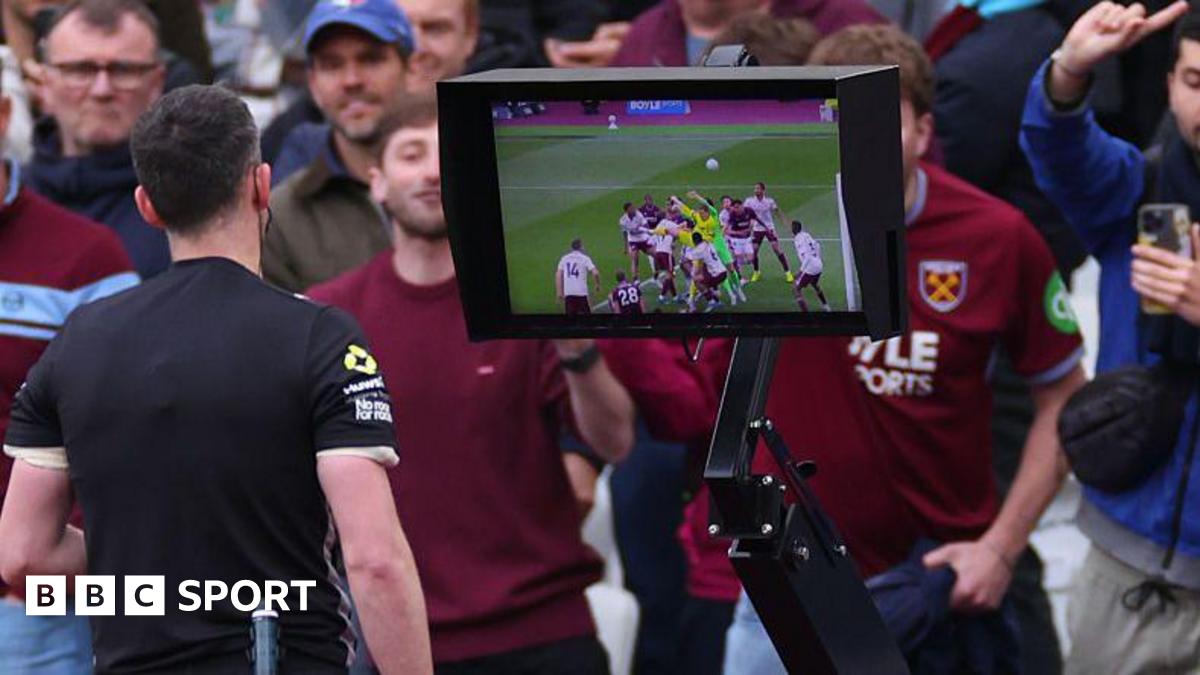
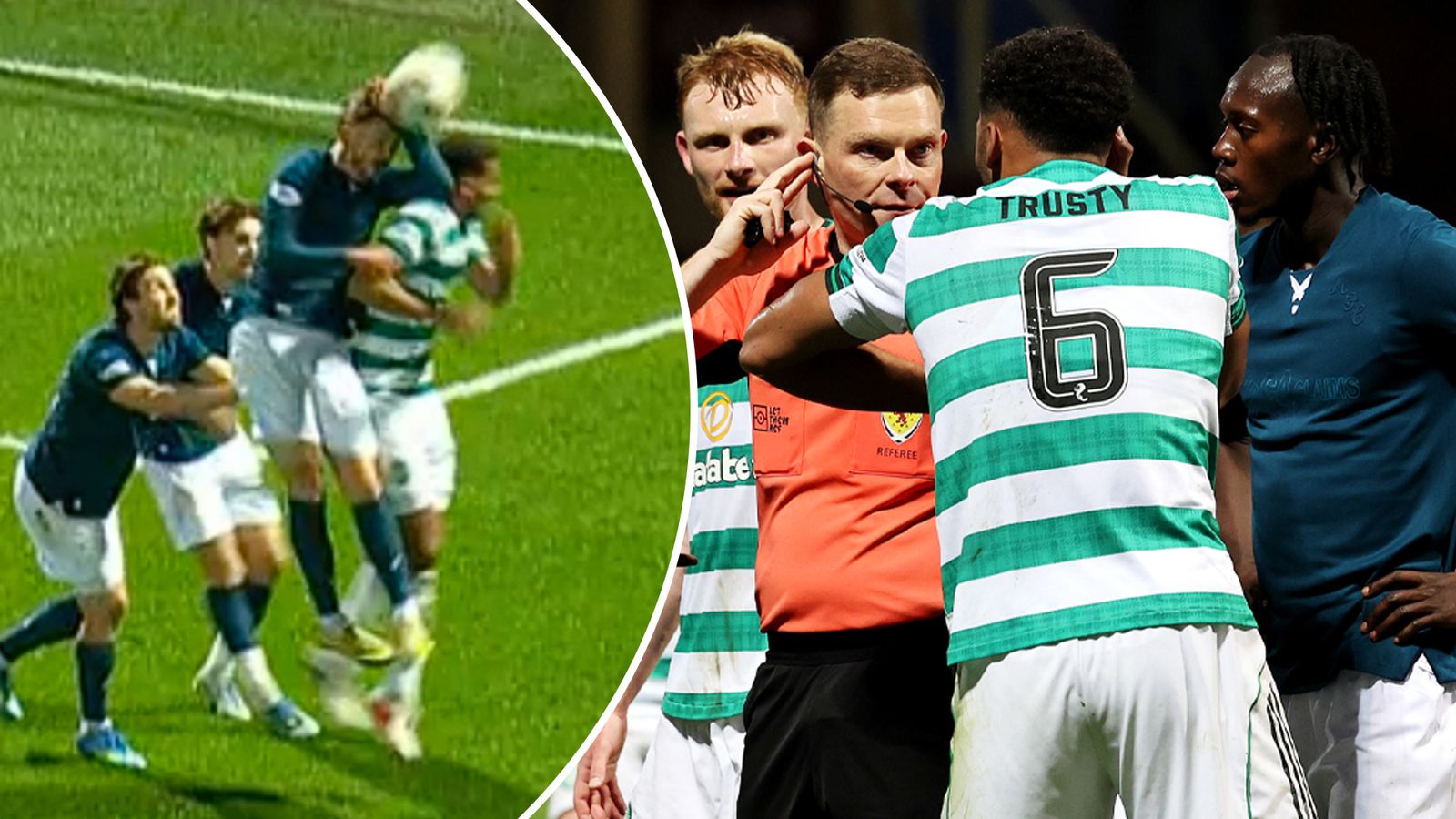
Video Assistant Referees were introduced to eliminate 'clear and obvious errors' from the game, but it has arguably created more problems than it has solved. The promise of technological certainty has been replaced by a new form of frustration: the forensic analysis of offside calls by an armpit, the agonizing wait for a decision, and the death of spontaneous celebration. While it has corrected some injustices, VAR has fundamentally altered the viewing experience. The flow of the game is constantly interrupted, and the authority of the on-field referee has been undermined, leading to a sterile, over-officiated product.
7. Qatar Awarded the 2022 World Cup (2010)
The moment FIFA President Sepp Blatter pulled 'Qatar' out of the envelope was a geopolitical earthquake for football. A tiny desert nation with no footballing history, scorching summer heat, and a questionable human rights record was awarded the world's biggest sporting event. The decision immediately triggered allegations of widespread corruption, leading to FBI raids and the eventual downfall of Blatter's regime. It forced a winter World Cup, ripping a hole in the European club season, and shone an uncomfortable light on the dark underbelly of football governance. The tournament itself was a success on the pitch, but the cloud of how it was won has never dissipated.
6. The Hillsborough Disaster & The Taylor Report (1989)
A horrific tragedy that claimed the lives of 97 Liverpool supporters, the Hillsborough disaster forced English football to confront its own decay. The subsequent Taylor Report was uncompromising: it recommended the removal of terrace standing areas and the introduction of all-seater stadiums. This transformed English grounds from crumbling, unsafe relics into modern, safer venues. It was a necessary and long-overdue change. However, an unintended consequence was the sanitization of atmospheres and a sharp rise in ticket prices, arguably pricing out a generation of traditional, working-class fans.
5. The 2015 FIFA Corruption Scandal
While suspicions about FIFA's dealings had existed for decades, the dam broke spectacularly in May 2015. In a dawn raid on a luxury Zurich hotel, Swiss police, acting on behalf of the US Department of Justice, arrested seven high-ranking FIFA officials. The indictments laid bare a system of bribes and kickbacks totaling over $150 million related to media and marketing rights for tournaments. The scandal led to the downfall of Sepp Blatter and a wave of arrests across the Americas, exposing a level of institutional rot that was staggering even to the most cynical observers.
4. Cristiano Ronaldo Joins the Saudi Pro League (2023)
This wasn't just a late-career payday; it was a state-sponsored statement of intent. When Cristiano Ronaldo joined Al-Nassr, it signaled the arrival of a new, disruptive power in world football. The Saudi Public Investment Fund (PIF) followed up by acquiring a host of other global stars, from Karim Benzema to Neymar, fundamentally altering the transfer market and salary structures. It is the most aggressive example of 'sportswashing' to date, using football's biggest names to project a new image of the Kingdom. The long-term impact on European leagues and the game's competitive balance is still unfolding.
3. Roman Abramovich Buys Chelsea (2003)
Before Abramovich, billionaire owners were rare. After him, they were the standard. The Russian oligarch's purchase of Chelsea FC changed everything, ushering in an era of 'financial doping'. He spent unprecedented sums on players, driving up prices and wages across the continent and transforming Chelsea from a cup-winning side into a European powerhouse. His £1.5 billion investment over two decades set a new template for success: find a billionaire, spend big, win trophies. It's a model that was later copied by state-backed projects at Manchester City and Paris Saint-Germain, forever changing the financial landscape of the sport.
2. The Premier League's Inception & Sky TV Deal (1992)
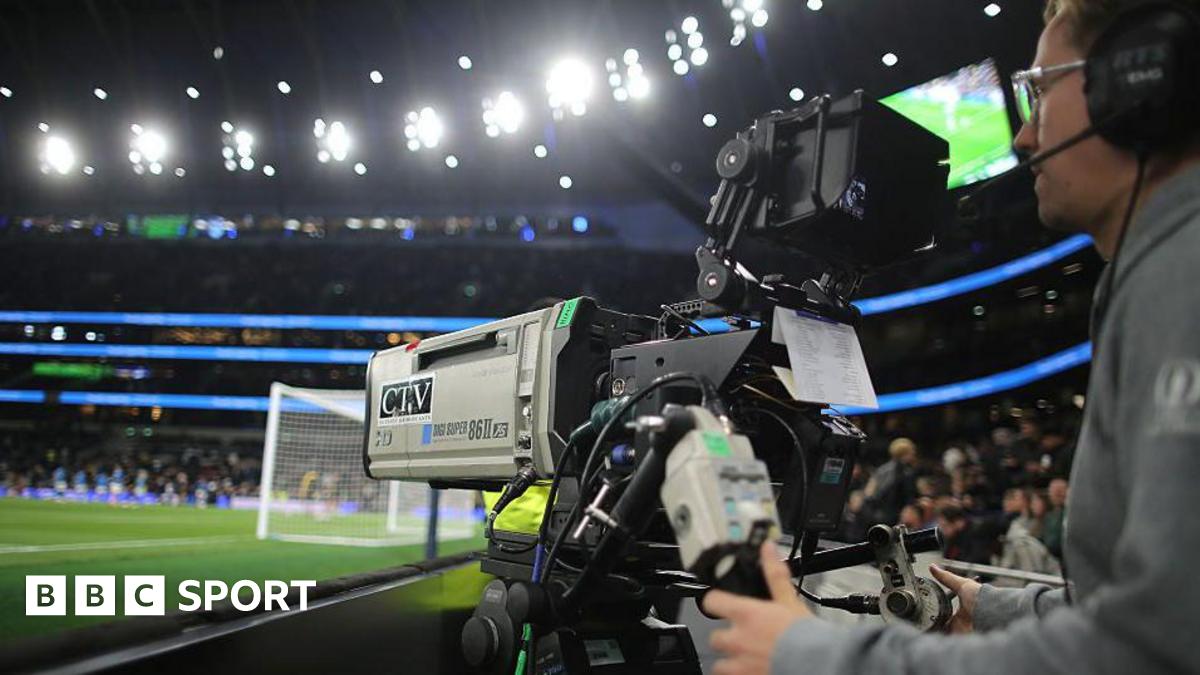
Football was a winter sport; then it became a year-round television show. The breakaway of England's top clubs to form the Premier League and the subsequent £304 million TV deal with Sky Sports was the big bang moment for modern football. It was rebranded as 'a whole new ball game,' complete with flashy graphics, Monday Night Football, and a deluge of cash. This deal turned English football into a global entertainment product, but it came at a cost. As the BBC has reported, the constant rescheduling of matches to suit television audiences has created a massive headache for the match-going fans the game supposedly serves.
1. The Bosman Ruling (1995)
No single event has had a more profound impact on the structure of football than a legal case brought by a little-known Belgian player named Jean-Marc Bosman. The European Court of Justice ruled that out-of-contract players were free to move to another club without a transfer fee. This decision blew up the old transfer system, which essentially tied players to clubs for life. It shifted the balance of power decisively from the clubs to the players and their agents. Every mega-contract, every free-agent frenzy, and every multimillion-dollar signing bonus is a direct consequence of the Bosman ruling. It created the player-empowered world we live in today, making it the undisputed number one moment that shaped the modern game.
Honorable Mentions
A few other moments deserve a mention. David Beckham's move to LA Galaxy in 2007 put MLS on the map, a path Lionel Messi later followed. The 2006 Calciopoli scandal in Italy saw Juventus relegated and stripped of titles, a stunning fall from grace for one of the giants. Finally, the rise of data analytics, pioneered by clubs like Brentford and Liverpool, has introduced a new intellectual front to the game's eternal arms race.