The Big Picture
Football is more than a game; it's a global industry, a political tool, and a financial behemoth. The product on the pitch is shaped by seismic events that happen in boardrooms, courtrooms, and secretive voting sessions. These are the ten moments that ripped up the old rules and created the high-stakes, high-finance world of modern football.
10. The Parking Space vs. The Ticket (2026)
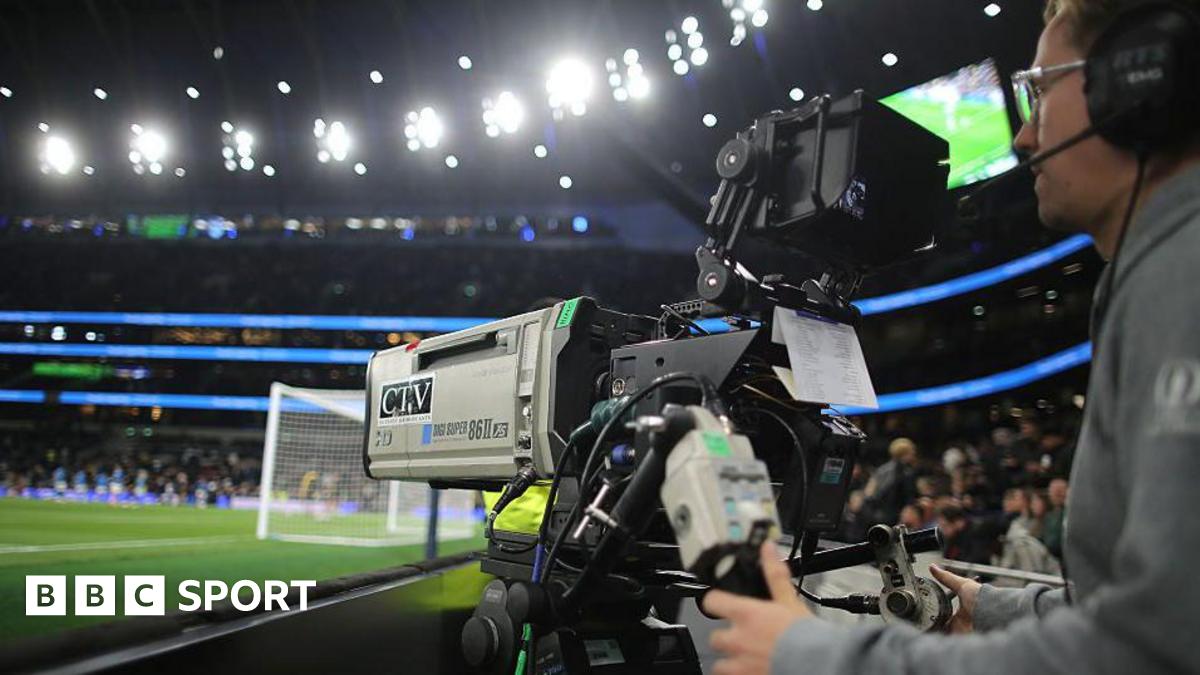
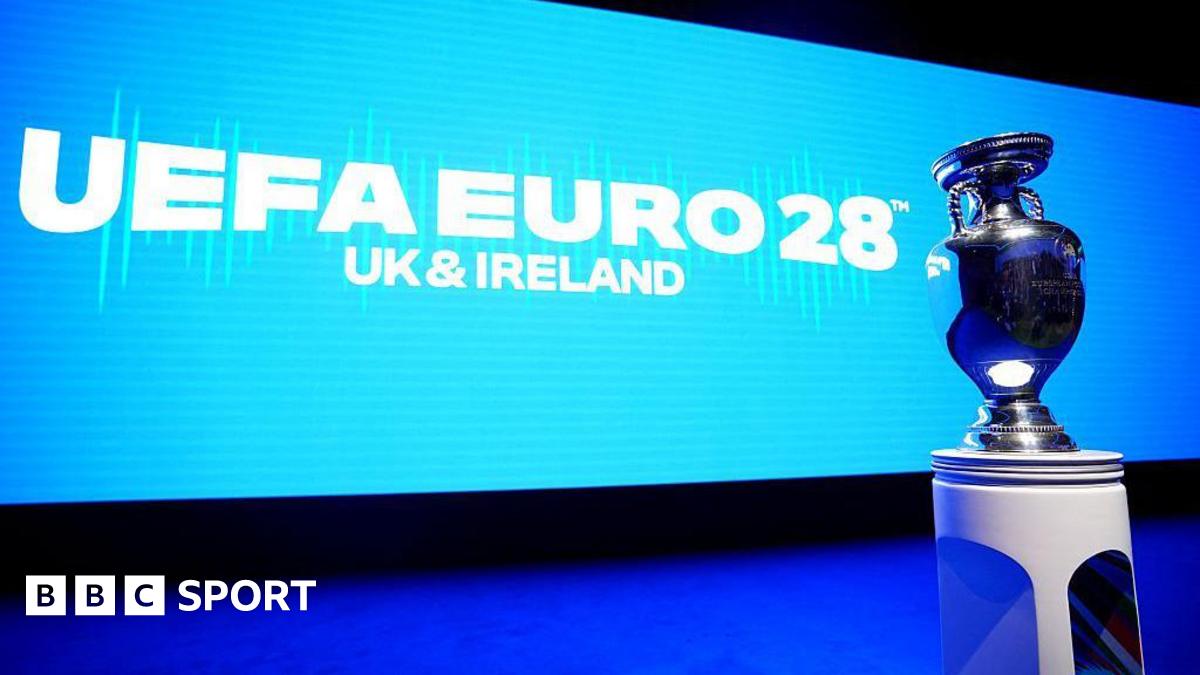
It starts with a simple, absurd piece of math. As reported by the BBC, a single parking space at the upcoming 2026 FIFA World Cup is projected to cost the same as five tickets to a Euro 2028 match. This isn't just a quirky stat; it’s a perfect snapshot of the sport's distorted financial priorities. While UEFA makes a nod towards affordability, FIFA's premier event pushes the boundaries of what fans are expected to pay, not for the experience, but for the convenience of parking. It's a small detail that reveals a massive philosophical divide in how the game's custodians view its most important asset: the supporters.
9. VAR: The Multi-Million Dollar Referee (2018)
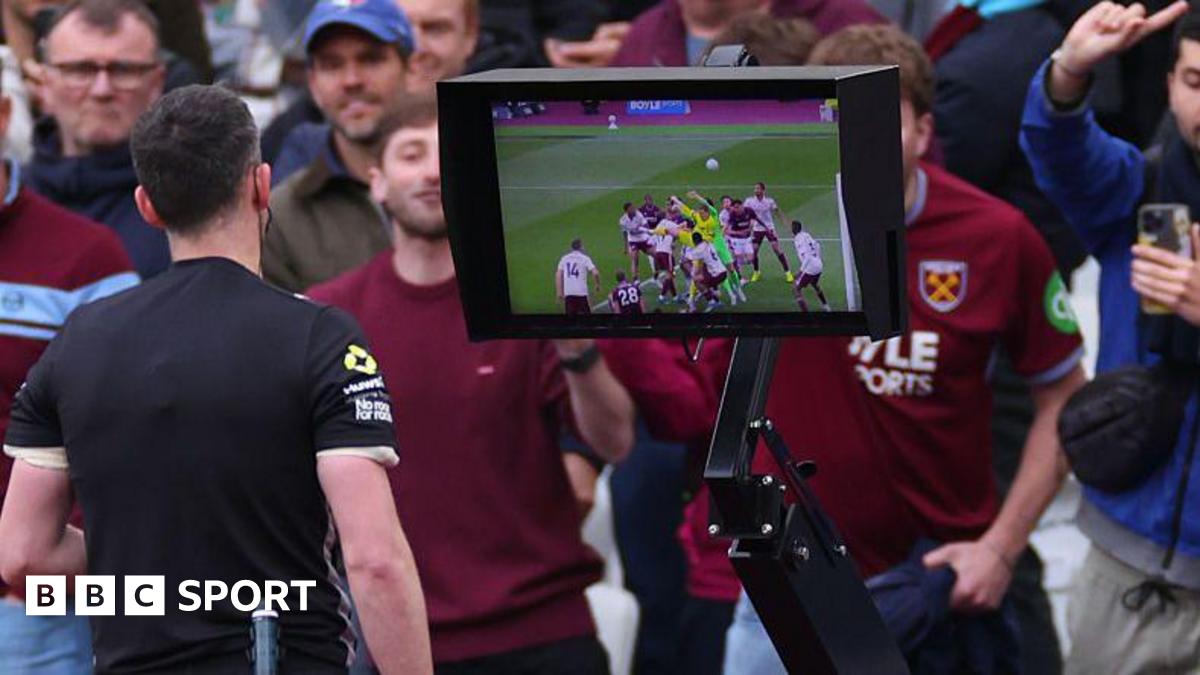
The introduction of the Video Assistant Referee was sold as the end of game-changing injustices. The reality is a system that has cost leagues and federations hundreds of millions in technology and training, only to swap one set of controversies for another. The game is now dissected in slow-motion, with goals disallowed for microscopic offsides and penalties awarded for unintentional handballs. It was a moment where football tried to buy certainty, but only succeeded in purchasing a new, more frustrating, and far more expensive kind of debate.
8. The State-Owned Superclub Arrives (2008)
When the Abu Dhabi United Group acquired Manchester City in 2008, it redrew the map of European football. This was followed by Qatar Sports Investments' purchase of Paris Saint-Germain in 2011. It was the start of a new era, moving beyond merely rich owners to clubs backed by the immense wealth of nation-states. This shifted the financial landscape from a playing field tilted by billionaires to one utterly broken by geopolitics. The transfer market and wage structures were permanently inflated, creating a financial top tier that is nearly impossible for historically-run clubs to compete with.
7. Financial Fair Play: A Noble Failure? (2011)
UEFA's Financial Fair Play (FFP) regulations were meant to be the dam holding back the new tide of unsustainable spending. The goal was simple: stop clubs from spending more than they earn. In practice, however, it has proven to be a deeply flawed system. While it has curbed some of the wildest losses, critics argue its main effect has been to cement the status of the pre-existing elite, making it harder for ambitious challenger clubs to break in. The rules have been bent, broken, and legally challenged into near-irrelevance, proving that football's financial momentum is too powerful for its own governing body to control.
6. Leicester City's 5000-to-1 Miracle (2016)
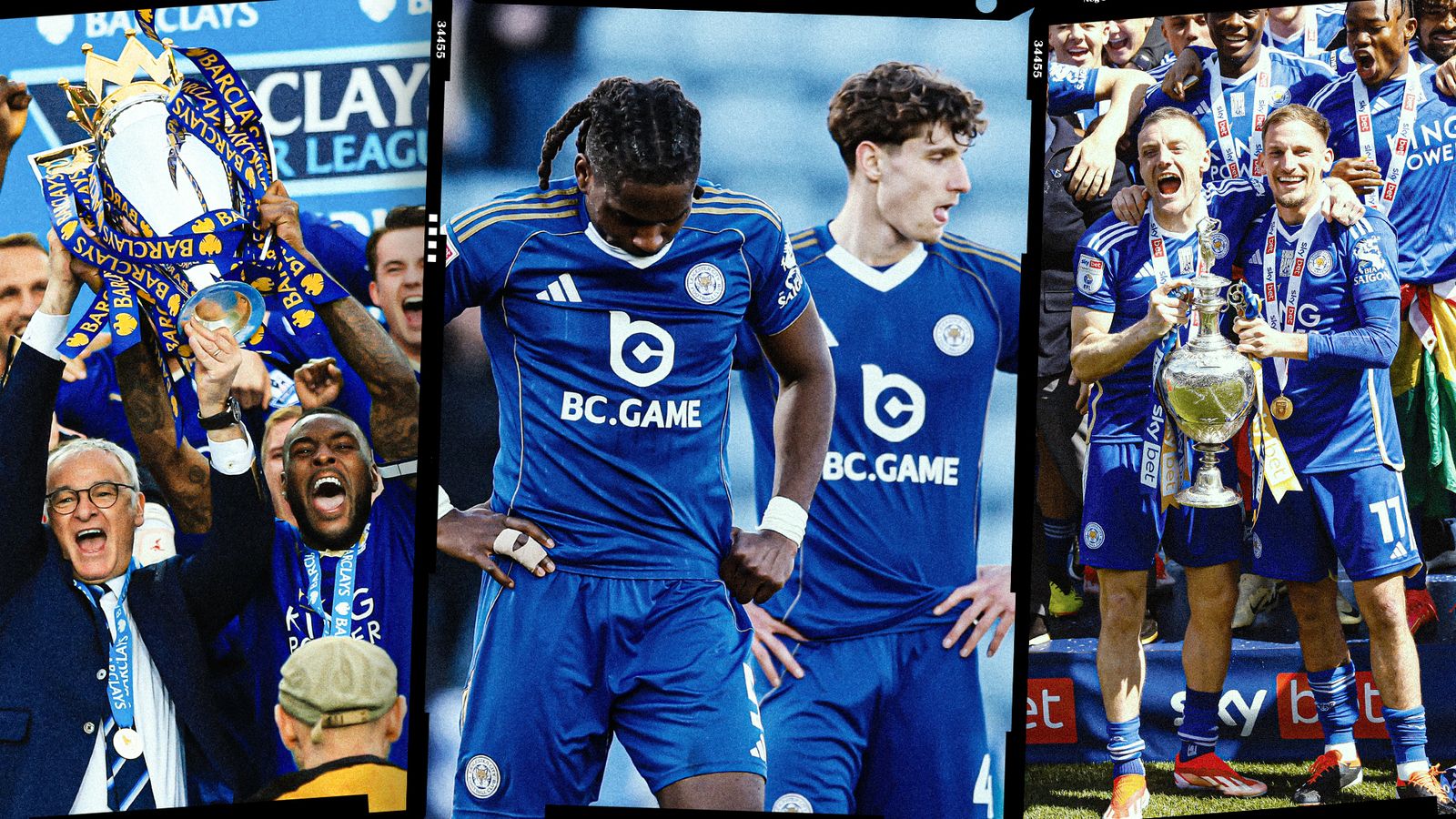
In an era defined by money, one season stood as a stunning outlier. Leicester City, with a squad assembled for a fraction of their rivals' costs, won the Premier League. It was a victory that defied all financial logic, a moment that felt like a throwback to a bygone era. While it didn't reverse the trend of financial polarization, it served as a crucial, unforgettable reminder that on the pitch, the impossible is still, just about, possible. But its status as a shocking miracle, rather than a repeatable feat, only highlights how deeply money has come to dominate the sport.
5. The Super League's 48-Hour War (2021)
For two days in April 2021, the owner-class of European football made their final play. The announcement of a closed-shop European Super League by twelve of the continent's wealthiest clubs was a brazen attempt to create a cartel, guaranteeing revenue and eliminating the risk of sporting failure. The backlash was instantaneous and overwhelming. Fans, players, managers, and politicians united to kill the project in 48 hours. It was a watershed moment, exposing the chasm between the clubs' financial ambitions and the community values their supporters hold dear.
4. Abramovich Buys the League (2003)
Before state ownership, there was Roman Abramovich. The Russian billionaire's purchase of Chelsea FC in 2003 was a shock to the system. He didn't just buy a club; he bought success, pouring unprecedented amounts of cash into the transfer market to rapidly assemble a championship-winning team. This act ushered in the era of the individual oligarch owner, fundamentally altering the competitive balance of the Premier League and proving that a title could be won not on the pitch, but from a superyacht.3. Qatar Gets the World Cup (2010)
The decision by FIFA's executive committee to award the 2022 World Cup to the tiny, incredibly wealthy desert nation of Qatar was arguably the most controversial sporting decision of the 21st century. It triggered years of allegations of corruption, and put a global spotlight on issues of migrant worker rights and the role of 'sportswashing' in international politics. This moment fundamentally changed the perception of FIFA from a flawed sporting body to a deeply compromised organization, setting off a chain of events that would ultimately lead to the downfall of its leadership.
2. The Premier League Is Born (1992)
In 1992, England's top football clubs made a pact that would change world football forever. They broke away from the 104-year-old Football League to form their own competition: the FA Premier League. The driving force was television money. By negotiating their own broadcast deal with Sky Sports, they unlocked a revenue stream that would turn English football into the financial juggernaut it is today. This single commercial decision was the foundation for everything that followed, creating the financial incentives that led to foreign ownership, massive wages, and global expansion.
1. The Bosman Ruling (1995)
One Belgian midfielder's fight for his career became the most transformative legal decision in football history. The European Court of Justice's ruling in the case of Jean-Marc Bosman declared that out-of-contract players were free to move to another club without a transfer fee. In an instant, the power dynamic shifted seismically from the clubs to the players and, crucially, their agents. It created the free market for talent that defines the modern game, directly leading to the explosion in player wages and the rise of the super-agent. Every transfer window, every contract negotiation, and every eye-watering salary is a direct consequence of this single court case.
Honorable Mentions
A few moments that just missed the cut: the Glazer family's leveraged buyout of Manchester United, which introduced a new model of debt-financing a club purchase; the first nine-figure transfer fee for Neymar, which smashed the previous record and ushered in a new level of market insanity; and the quiet rise of data analytics, which has changed scouting and player recruitment from an art into a science.
Read Next
- Arsenal's mass withdrawal is a cynical masterclass in dark arts
- Corruption in Congo-Brazzaville casts a shadow over international football
- Arsenal's title hopes are currently hanging by a very thin medical thread
- Arteta's injury crisis is a predictable mess of his own making
- ⭐ UCL 2026 — Champions League Quarter-Finals Hub