Patient Zero: The Collapse of Arbeloa
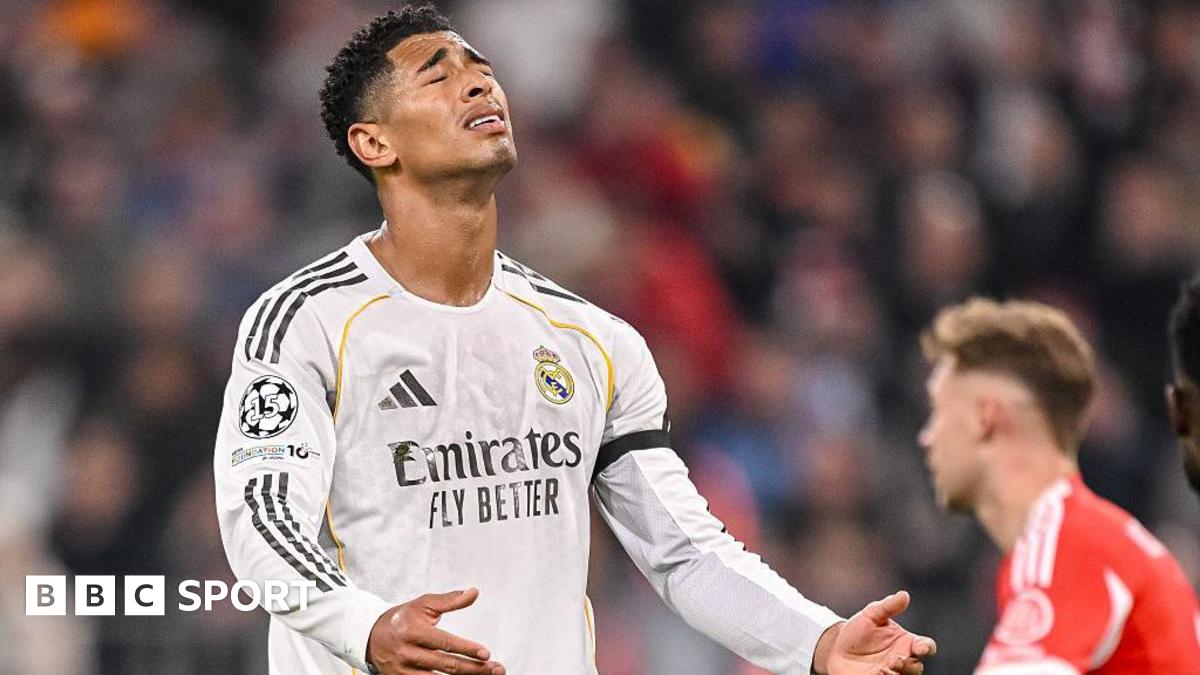
Real Madrid is out of the Champions League. The date is April 28, 2026. The Champions League semi-finals kick off today, and the Santiago Bernabeu is completely silent.
For a club that fundamentally defines its entire existence by European dominance, watching the final four from the couch is a terminal diagnosis. The autopsy of this season will not be kind. In La Liga, the vital signs are fading with each passing week.
They are falling dangerously behind the leaders, dropping points in matches they typically sleepwalk through, and looking physically lethargic across the pitch. Alvaro Arbeloa was supposed to be the steady hand on the scalpel, a club legend who understood the internal temperature of the dressing room.
Instead, his managerial tenure is rapidly bleeding out on the operating table. The noise around his future isn't just a background whisper; it's a blaring heart monitor flatlining.
The Proposed Treatment: A Dose of Mourinho
The proposed treatment for this systemic failure? The BBC recently floated a name that sends immediate shivers down the spine of football purists and adrenaline straight into the veins of Madridistas.
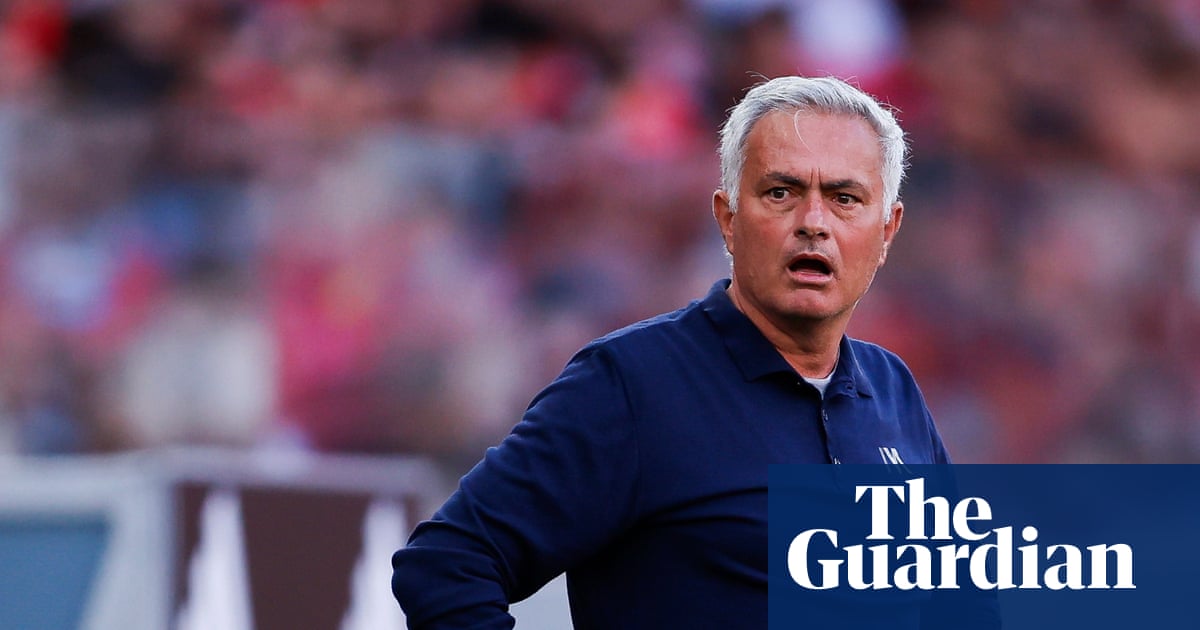
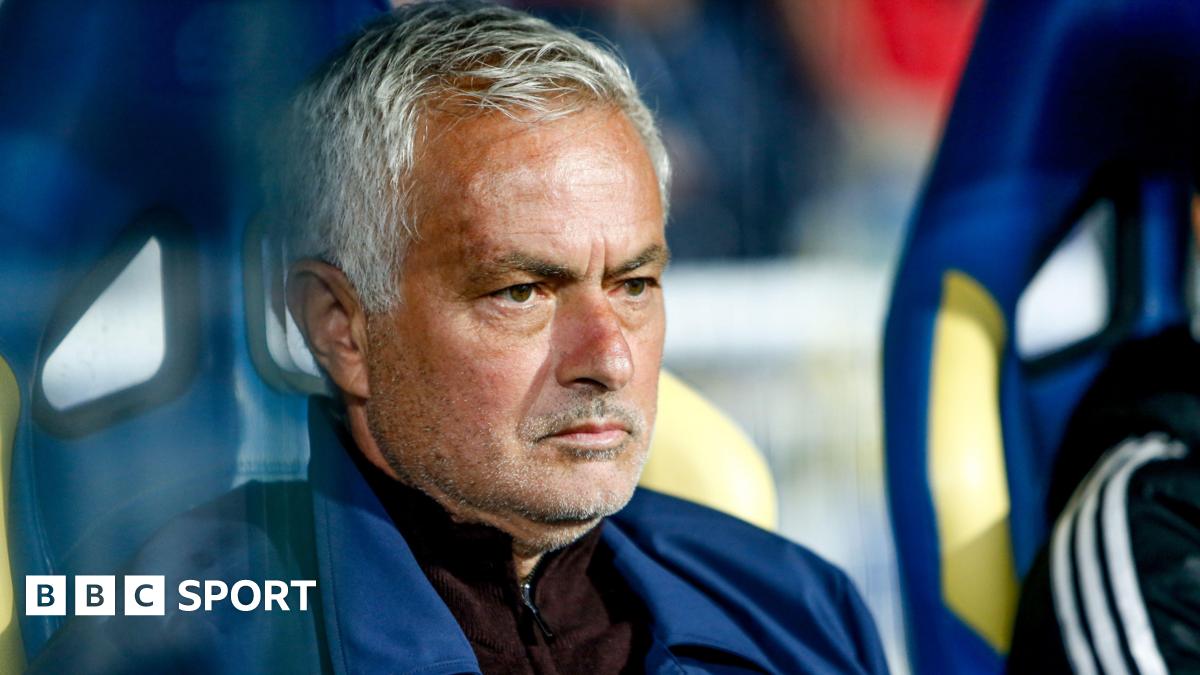
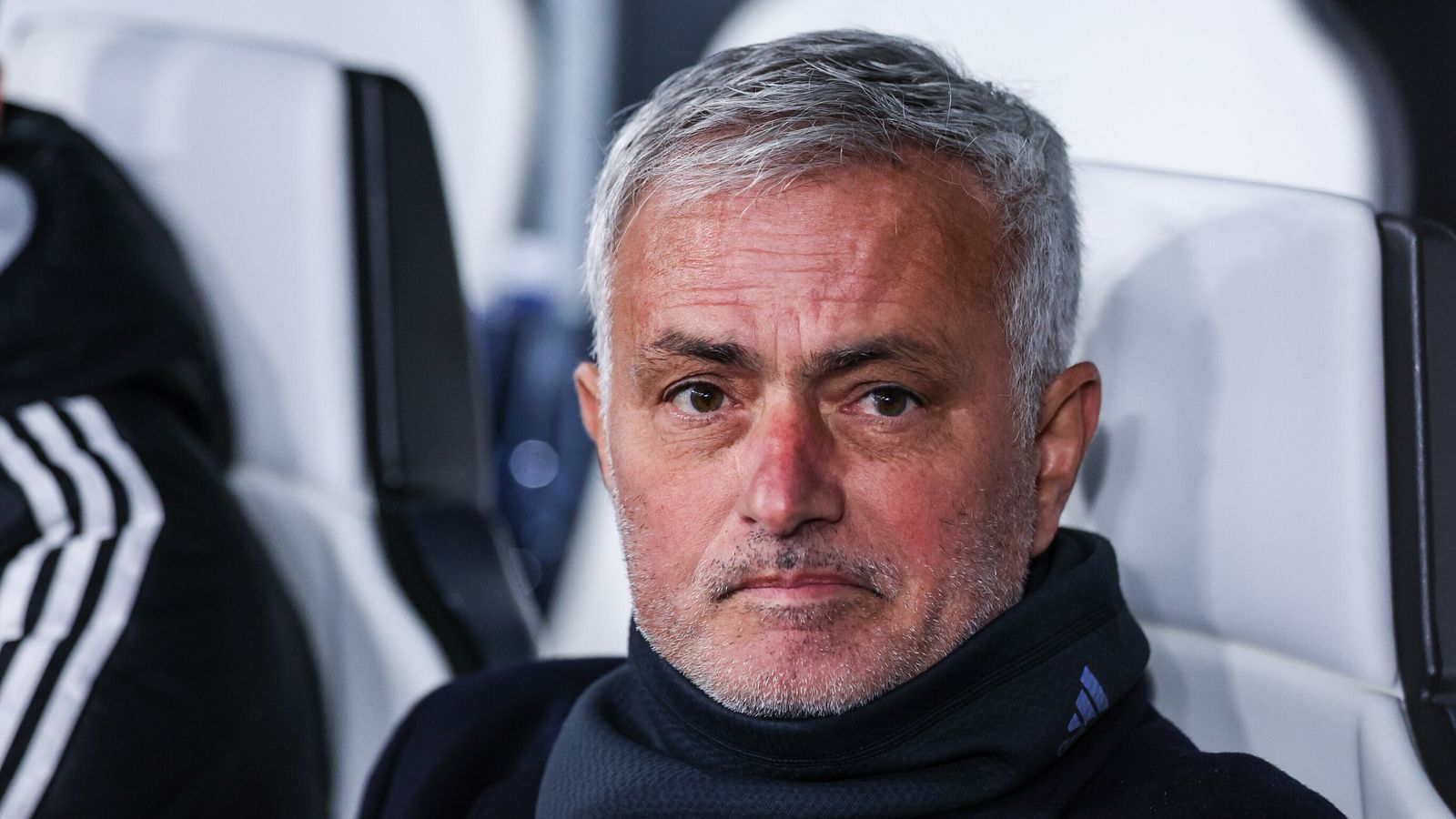
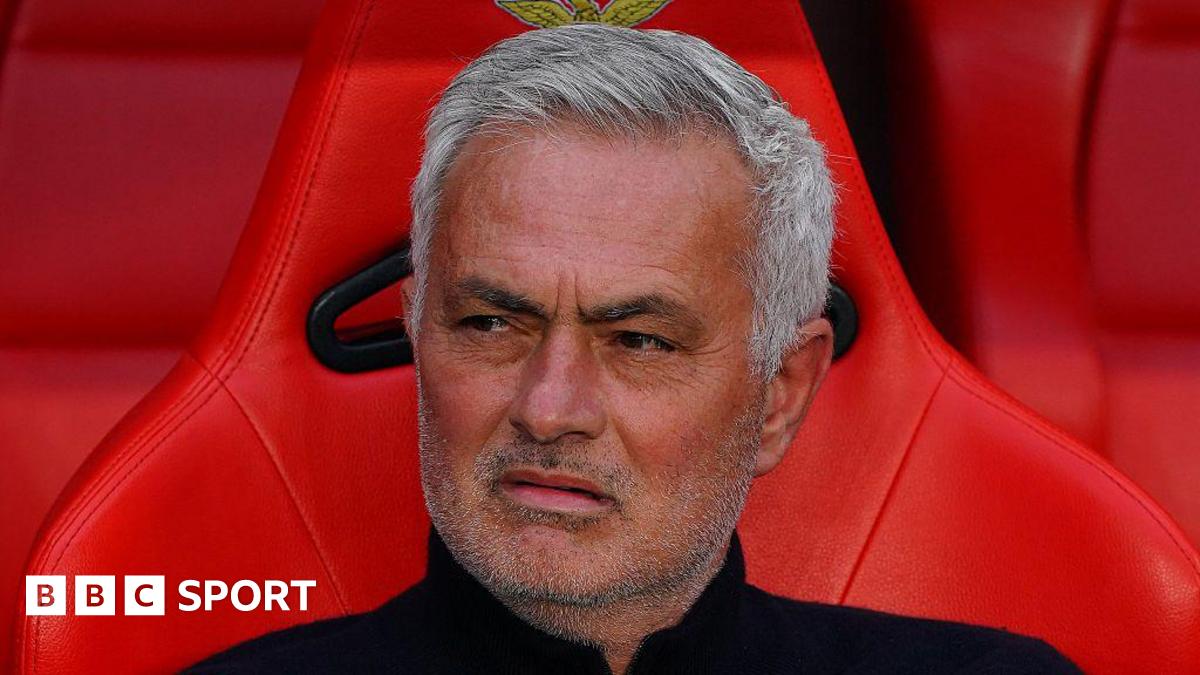
According to the report, Jose Mourinho could be the "ultimate wildcard" for Real Madrid. That might be the most aggressive understatement of the year. Mourinho isn't just a wildcard; he is a heavy, dangerous dose of experimental medicine.
You don't bring him in for a routine checkup or a minor tactical tweak. You bring him in when the patient is coding and the standard treatments have all failed. He is the managerial equivalent of a defibrillator—he will either shock the club back to life or burn the whole place down.
Let's pull the historical medical records to understand the risks. When Mourinho first arrived at the Bernabeu in the summer of 2010, he inherited a bloated, underperforming team that had developed a chronic inability to get past the Champions League round of 16.
It was a psychological block as much as a tactical one, and he broke that curse violently. He built a devastating counter-attacking machine that ripped through Spain, scoring an astonishing 121 league goals in the 2011-12 season.
But the side effects of his methodology were exceptionally severe. He fractured the dressing room permanently, famously poked Tito Vilanova in the eye during a touchline brawl, and completely alienated club icon Iker Casillas.
The psychological toll on the squad was immense, leaving them completely drained by his third season. Arbeloa, ironically, was one of Mourinho's staunchest and most vocal defenders during those incredibly toxic final days. Now, the master might return to coldly replace the apprentice.
Surgical Complications: The Tactical Bloodletting
What does a Mourinho clinical trial actually look like in 2026? His core tactics might feel archaic to modern analysts, relying heavily on deep low blocks, suffering without the ball, and executing rapid attacking transitions.
But his psychological manipulation remains elite. Real Madrid's current squad severely lacks bite. They lack the malicious, cynical edge required to consistently close out tight, miserable matches in La Liga.
Mourinho instantly instills that edge, often by manufacturing an intense "us against the world" siege mentality. He deliberately isolates his squad from the hostile Madrid media, taking all the heat and controversy upon himself.
It acts as a temporary psychological shield. But as the football world witnessed during his chaotic stints at Manchester United, Tottenham, and Roma, that shield eventually rusts and crumbles. The players eventually stop running through brick walls, and the toxicity bleeds directly into the on-pitch performances.
Here is the mandatory critical observation of this entire plan. The modern game has ruthlessly evolved past Mourinho’s defensive blueprints. You cannot simply park a deep bus and rely on the individual brilliance of a few forwards anymore.
You need highly coordinated, suffocating pressing structures to survive at the elite level. Mourinho has rarely demonstrated the ability, or frankly the desire, to coach complex pressing triggers.
If he returns to Madrid, he will face teams coached by obsessive tacticians who map out every blade of grass. Bringing Mourinho back in 2026 feels less like a modern medical breakthrough and more like trying to treat a viral infection with medieval bloodletting.
It might provide a temporary adrenaline spike, but it completely ignores the underlying structural and fitness issues plaguing Madrid's squad building. They look slow, and Mourinho’s arrival will not magically fix their aging midfield engine.
The Ripple Effect: Quarantining the Rest of Europe
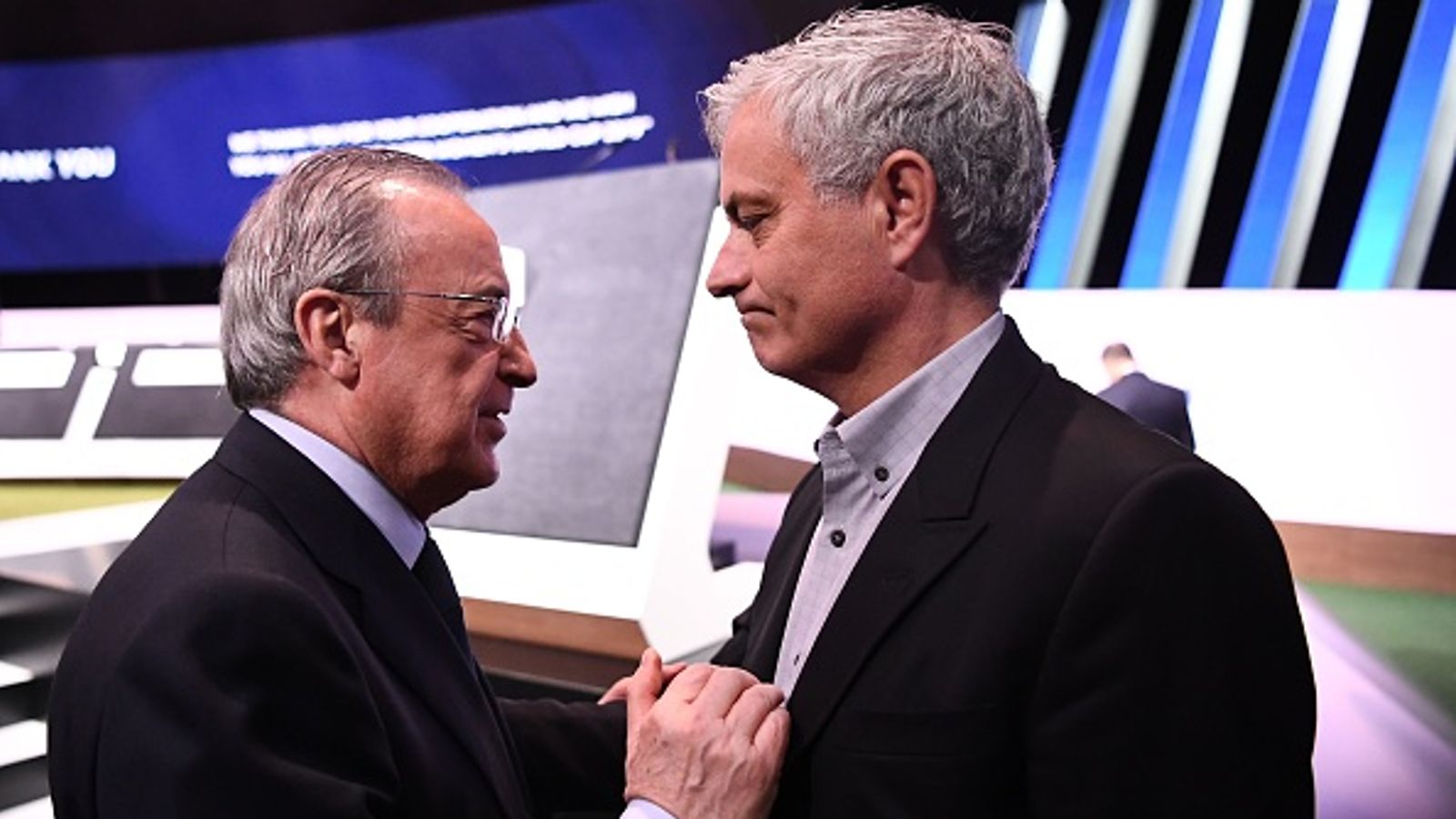
If Florentino Perez actually hits the panic button and administers the Mourinho dose, the shockwaves will immediately hit the rest of Europe. The club's entire transfer strategy will inevitably pivot.
Mourinho demands physical, battle-tested, pragmatic veterans. He does not have the patience or the inclination to develop raw teenagers. This means Madrid might completely abandon their recent, successful strategy of hoovering up young South American talent in favor of established, expensive, win-now stars.
Competitors across the Champions League will take frantic notes. A Mourinho-led Real Madrid is always a massively chaotic variable in knockout football. They might not play beautiful, expansive football, but they will absolutely drag you into the mud, kick you in the shins, and beat you with sheer dark arts and experience.
Before anyone crowns the new king, we have to finalize the autopsy paperwork on Arbeloa. His undeniable failure this season is a brutal reminder that being a highly intelligent player doesn't magically bestow managerial competence.
The transition from the pitch to the technical area is incredibly unforgiving. Arbeloa lacked the necessary tactical flexibility to adapt when muscle injuries inevitably struck his squad this winter. His substitutions were consistently reactive, constantly trying to fix problems rather than proactively dictating the match.
When Madrid desperately needed a massive tactical shift to save their doomed Champions League campaign, Arbeloa simply froze on the touchline. The dressing room clearly sensed that hesitation. In a brutal environment like Madrid, once the players stop fully believing in the manager's tactical diagnosis, the disease becomes entirely incurable.
The Final Prognosis
The timeline for this operation is shrinking rapidly. The season is effectively dead on arrival. The Champions League final is exactly one month away on May 28, and Madrid personnel will be watching on television.
Expect the media noise to reach a deafening roar by early May. The board absolutely cannot afford to let this managerial uncertainty bleed into the critical summer transfer window. A definitive decision needs to be made surgically and swiftly.
If Arbeloa is sacked, it will likely happen within weeks, not months. The FIFA World Cup looms heavily in June, which will completely distract the global football audience. Perez will absolutely want his new manager firmly locked in before the international circus heads to North America. Leaving the club in limbo during a World Cup summer is gross negligence.
The final prognosis is complicated. Is Mourinho actually the answer for Real Madrid? It depends entirely on what question the board is asking.
If the question is "How do we build a sustainable, modern tactical system that will dominate Europe for the next five years?" the answer is definitively no. His methods are too volatile.
But if the question is "How do we inject immediate fear into our domestic rivals and violently snap this complacent squad out of its lethargy?" then the Special One might genuinely still have a pulse. It’s an incredibly high-risk, high-reward surgical operation. Sometimes, you just have to completely shock the system and pray the patient survives the jolt.
Read Next
- Why Florentino Perez is gambling on Jose Mourinho again
- Real Madrid are plotting a chaotic summer with Mourinho and Enzo Fernandez
- On This Day in Football: April 28
- Real Madrid vs Manchester City is a tactical nightmare
- ⚽ La Liga 2025-26 — Title Race Hub
- ⭐ UCL 2026 — Champions League Quarter-Finals Hub