Touring the National Heritage
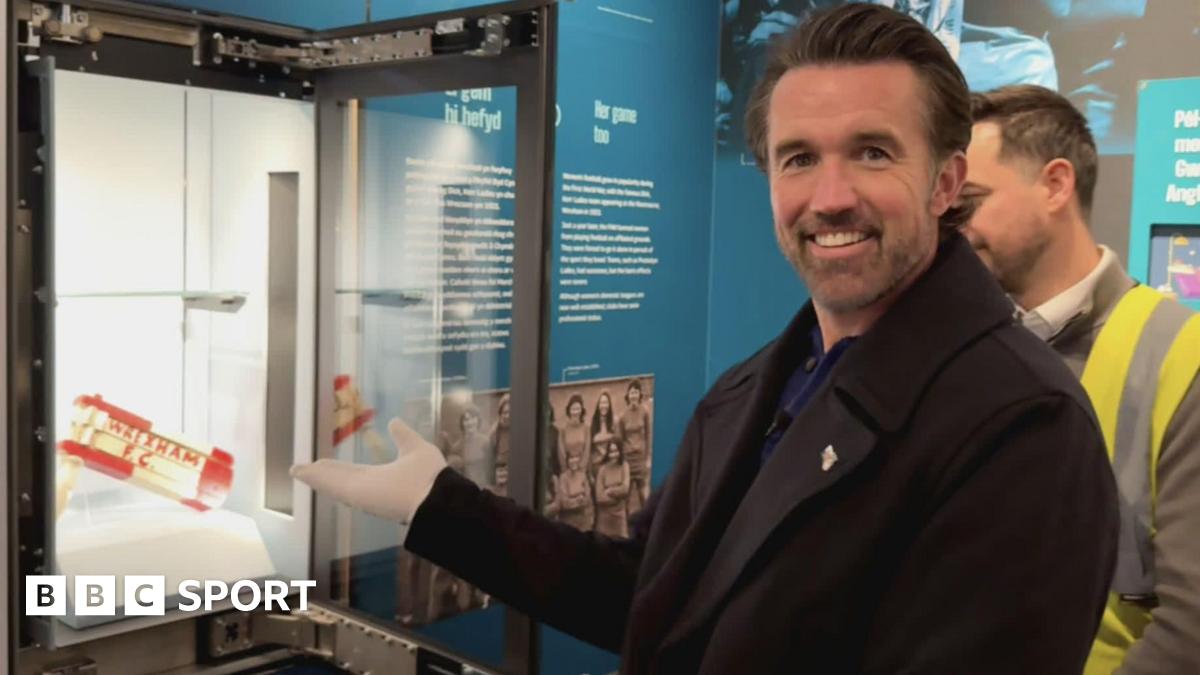
Rob McElhenney is thinking about legacy. The Wrexham co-owner recently toured the upcoming Football Museum of Wales. The facility is set to open its doors later this year to celebrate the nation's sporting history. McElhenney walked away impressed by the exhibits, but he left with a clear objective.
He wants Wrexham to secure their own dedicated section inside the building. As the BBC reported, McElhenney stated he wants the club to "earn" their place in history. Getting into a national museum requires more than a hit television show.
His comments show a deep understanding of the football pyramid. You do not buy your way into the same building that houses the 1958 World Cup squad. You have to win games, secure promotions, and leave a permanent mark on the sport. A Hulu documentary brings international fans, but a museum exhibit demands sustained excellence.
The Physical Toll of Promotion
Wrexham have certainly started that process. Their climb out of the National League was grueling. It required a complete overhaul of the club's medical, fitness, and scouting departments. Surviving a 46-game season in the lower leagues is a brutal physical test.
The Hollywood money helped, but the players had to endure the tackles and congested winter fixtures. Wrexham's financial muscle in the lower divisions drew heavy criticism from opposing managers. Critics frequently pointed out the massive disparity in wage bills. Wrexham could afford to keep a deep squad of highly-paid players while their rivals scraped by.
This allowed the club to heavily rotate their starting eleven. They avoided the devastating injury crises that typically ruin a promotion push. It was a massive, undeniable advantage. Ignoring this financial bullying paints an incomplete picture of Wrexham's recent success.
Their fitness department had the luxury of resting players when they hit the red zone. When star forward Paul Mullin suffered a punctured lung during a pre-season tour in the United States, Wrexham did not panic. They simply relied on other expensive forwards to carry the attacking load until he fully recovered.
Most clubs at that level would see their season collapse after losing a primary goalscorer to a severe injury. Wrexham barely missed a beat. This depth is the true luxury of celebrity ownership.
The medical staff can follow strictly conservative return-to-play protocols. Players are never rushed back onto the pitch with half-healed hamstring strains because a desperate manager needs three points. This structural health is rarely highlighted on television, but it is the primary reason Wrexham escaped non-league football.
The Harsh Reality of the Pyramid
The Football Museum of Wales will showcase the genuine giants of the nation's sporting past. Gareth Bale's heroics at Euro 2016 will feature prominently. The goalscoring records of Ian Rush and the incredible longevity of Neville Southall are guaranteed a spot. John Charles and his legendary move to Juventus remain a massive part of Welsh football lore.
Wrexham are trying to insert themselves directly into this lineage. There is a stark difference between modern viral fame and actual historical relevance. A television series sells replica shirts in Ohio. A museum exhibit requires something much deeper.
McElhenney's ambition suggests he is looking past the current media cycle. This represents a massive shift in how wealthy owners usually operate. The typical vanity purchase involves throwing money at high-profile strikers and hoping for a lucky cup run. Wrexham chose to rebuild the entire physical operation of the club from the ground up.
They invested heavily in their sports science division to keep their core players on the pitch. You cannot secure back-to-back promotions with a treatment room full of broken players. The medical and fitness staff have been the unsung heroes of their recent success.
Paul Mullin and Ollie Palmer have logged massive, heavy minutes over the past three years. Keeping a squad healthy through the brutal English winter requires meticulous, obsessive planning. Recovery protocols, strict load management, and highly customized training regimes were the actual foundation of Wrexham's rise.
But are Wrexham truly ready to stand alongside the Welsh national team in a museum? The critical view says absolutely not. They spent 15 years rotting in non-league obscurity before the buyout. A few successful seasons simply do not erase a decade and a half of total mismanagement and failure.
The current ownership group did not cause that failure. They rescued the club from the abyss. But history measures the entire timeline, not just the successful, televised chapters. Wrexham's dark years are just as much a part of their story as the recent Hollywood era.
A proper, honest museum exhibit will have to cover the financial ruin and the fan bailouts just as thoroughly as the championship parades. The museum itself is a massive project for Wales. Opening later this year, it aims to capture the cultural impact of football across the entire country.
Looking Toward the Future
Rugby has long been viewed as the undisputed national sport of Wales. Football has constantly fought for its share of the spotlight. The recent success of the national team and Wrexham's global explosion have permanently shifted that balance.
McElhenney's visit was a highly calculated move. He understands the immense value of associating Wrexham with the broader history of Welsh football. The club currently functions almost as an independent brand, heavily reliant on American television viewers. Anchoring Wrexham to a national institution gives the project a much-needed sense of permanence.
It roots the flashy Hollywood story deep in local soil. There are obvious potential pitfalls ahead. If Wrexham's momentum stalls, the narrative changes instantly. The English football pyramid is totally unforgiving.
A bad run of injuries, a single failed managerial appointment, or a string of poor transfer windows can derail years of steady progress. The upper tiers of English football are entirely different beasts compared to the lower divisions. The physical demands increase exponentially with each and every promotion.
Wrexham's fitness department will face its toughest tests in the coming seasons. The speed of the game is much faster. The opposing players are stronger and more athletic. The margin for error shrinks to almost zero.
Keeping players match-fit in the upper tiers requires elite sports science and massive, sustained financial investment. McElhenney seems fully willing to provide that investment. His explicit desire to "earn" a section in the museum indicates a long-term commitment.
He is not looking for a quick, profitable exit strategy. He clearly wants Wrexham to be remembered a century from now. That requires building a robust, sustainable football operation, not just producing a successful television series.
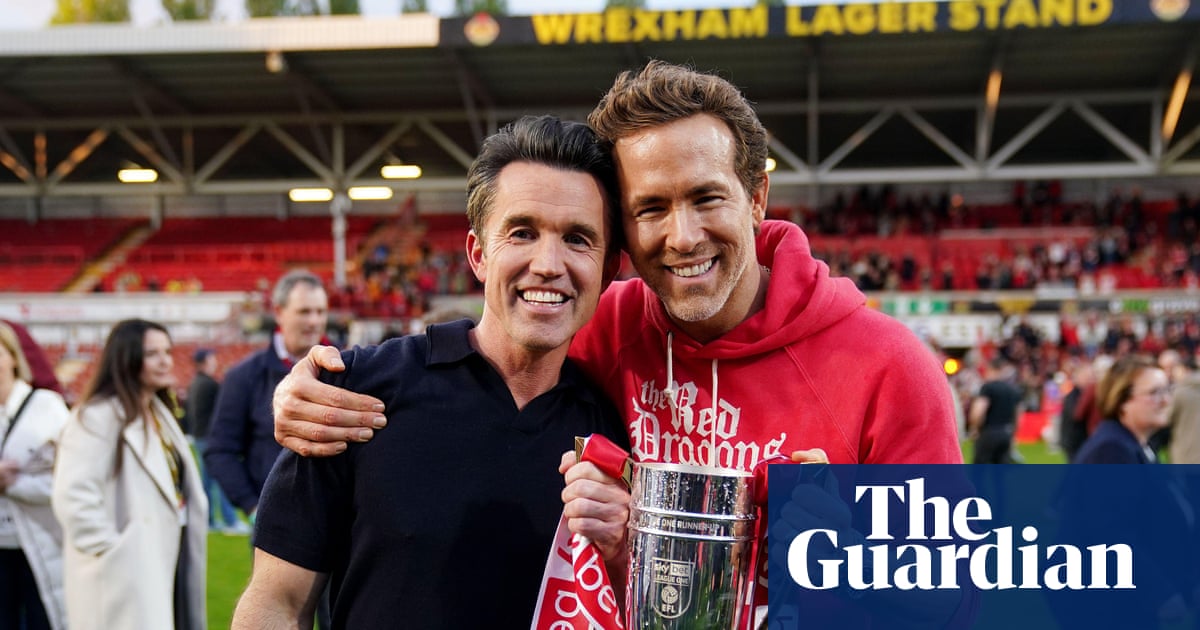
The Football Museum of Wales will be watching closely as the club progresses. Curators deal in cold facts, historical artifacts, and verified achievements. Wrexham has the National League trophy to offer. They undoubtedly have the match-worn shirts off the backs of their promotion-winning squad.
But to secure a permanent, dedicated wing, they need significantly more hardware. They need to conquer the higher divisions and establish themselves as a modern force. The next five years will permanently define Wrexham's place in history.
The documentary cameras will eventually stop rolling. The initial novelty of the Hollywood takeover will inevitably fade. What remains will be the football club, its actual results on the pitch, and its standing within the sport. If Wrexham fail to establish themselves in the upper tiers, their story becomes a minor footnote.
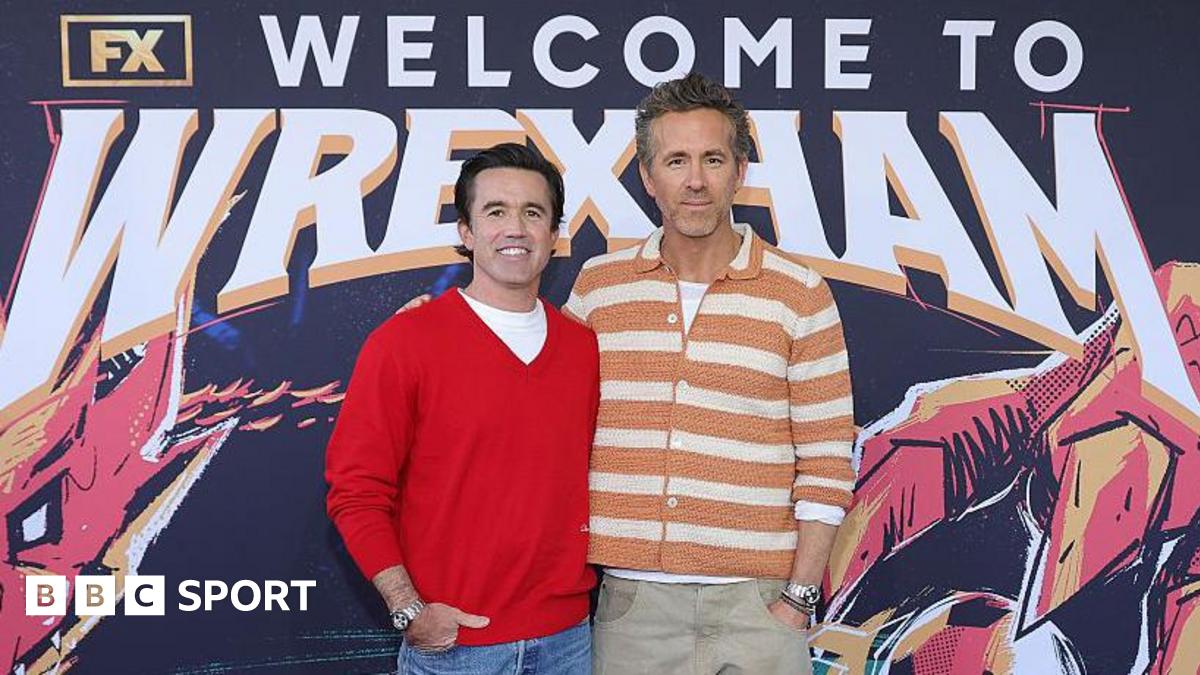
A fascinating, heavily-televised footnote, but a footnote nonetheless. If they succeed, they validate everything McElhenney and Ryan Reynolds have built. They will prove that modern media strategies can successfully fund a traditional, grueling football climb.
Injuries will inevitably play a massive part in this ongoing journey. A torn ACL to a key signing can completely ruin a season. A muscle strain epidemic during the hectic Christmas period can cost a team promotion. Wrexham must navigate these physical hazards while carrying the heavy weight of massive global expectations.
Every single match is scrutinized by an international audience. McElhenney's ambition is glaringly clear. He wants Wrexham to be completely synonymous with Welsh football history.
It is a bold, borderline arrogant goal for a club that was playing semi-professional teams just a few years ago. But the entire project has been built on audacious goals from the very beginning. The tour of the new museum was just the latest statement of intent.
The Football Museum of Wales opens later this year. Wrexham will undoubtedly feature in some limited capacity. The recent promotions are a massive story for the region. But McElhenney wants a permanent section to call their own. He wants to earn it. Now, the club just has to go out and do the grueling physical work on the pitch to make it a reality.
Read Next