The £3.8m hole in the Wrexham narrative
The Guardian just pulled the rug out from under the Racecourse Ground. On April 17, 2026, a bombshell report revealed that Wrexham AFC received a £3.8m government grant without a formal contract or a final state aid assessment. For a club that has carefully curated its image as a community-first fairytale, this is a procedural nightmare that smells of backroom shortcuts.
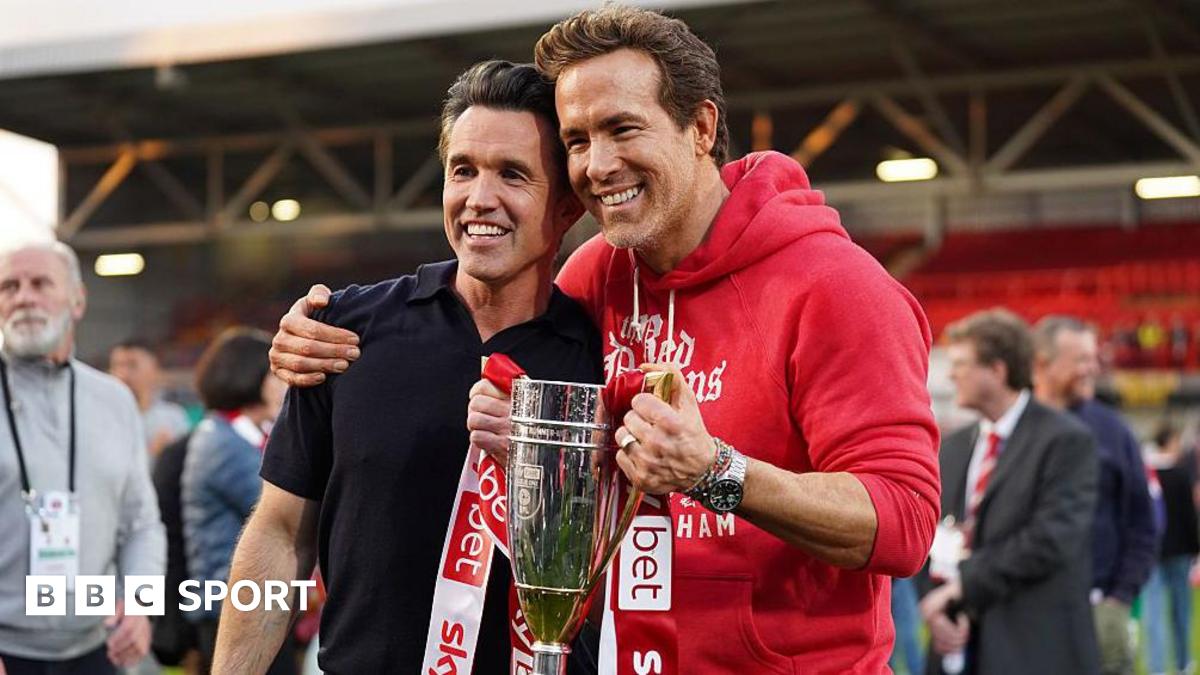
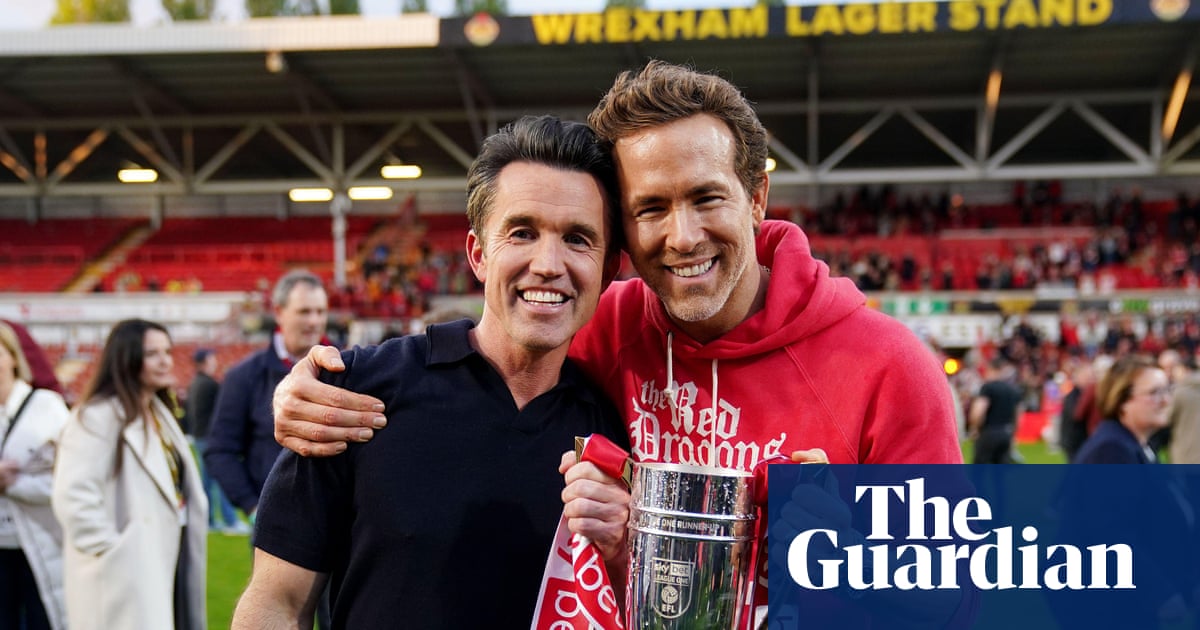
Ryan Reynolds and Rob McElhenney have been the gold standard for celebrity ownership, but this latest revelation suggests the 'Wrexham Effect' might have bypassed the basic due diligence required for public funds. The grant was intended to support the club's infrastructure, yet the lack of an audit trail is a glaring red flag. You cannot simply hand over millions in taxpayer money because the owners are charming on camera.
This isn't just a minor administrative slip. In the world of post-Brexit subsidy control, the rules are rigid. Giving a professional sports entity nearly four million pounds without a signed contract is a move that would get any local council officer sacked. The club is now facing questions that their PR team cannot simply joke away in a Disney+ trailer.
Why the state aid failure is a lethal blow
State aid assessments are designed to ensure that public money doesn't give a private business an unfair competitive advantage. Wrexham is already the most financially dominant force in their division. If this grant is found to be unlawful, the legal precedent is clear: the money must be repaid. There is no middle ground here, and there is no 'oops' clause in the Subsidy Control Act.
The club's management will likely argue that the funds were for the benefit of the community and stadium accessibility. That sounds great in a press release. However, the legal reality cares about the paperwork. If the government awarded this money without a final assessment, they effectively handed Wrexham a competitive subsidy that rivals in League One or the Championship will use as ammunition.
We are looking at a scenario where the club might be forced to find £3.8m in liquid cash by the end of the year. For a club that is already pushing the limits of Profit and Sustainability Rules (PSR), that is a catastrophic hit to the balance sheet. You can't just sell more gin to cover a four-million-pound regulatory clawback.
The club received the grant without a contract or final state aid assessment in place, raising serious questions about the lawfulness of the award.
The summer transfer window is already effectively closed
Wrexham was expected to be aggressive in the upcoming summer market. They need upgrades to maintain their promotion trajectory. But today’s news changes everything. If the club is under investigation for an unlawful grant, their ability to commit to new, high-wage contracts is effectively frozen. No CFO in their right mind would sign off on a new marquee striker while a multi-million pound repayment order hangs over their head.
Expect a 'sell-to-buy' policy to be implemented immediately. The squad depth that has been Wrexham's primary weapon is about to be tested. The club has several aging assets on high wages who were likely earmarked for replacement this summer. Instead of a refresh, they might be forced to keep those players on the books or sell their few sellable young talents just to keep the lights on and the lawyers paid.
The timing is particularly brutal. With the 2026/27 season planning in full swing, the coaching staff now has to operate with a massive asterisk over their budget. It is a distraction that a promotion-chasing team simply cannot afford. The narrative has shifted from 'who will they sign?' to 'how will they pay it back?'
A critical look at the celebrity leverage
Let’s be honest: this grant likely only happened because of the high-profile owners. Smaller clubs in the EFL struggle for years to get five-figure grants for leaky roofs. Wrexham walks into a nearly four-million-pound windfall without a contract? It looks like favoritism of the highest order. The government wanted the 'Wrexham glow,' and they were willing to ignore the rulebook to get it.
This is the first real stain on the Reynolds-McElhenney era. Up until now, every move has been seen as a masterclass in modern sports marketing. But when you start playing with public money, the standards change. This looks like a club that thought they were too big to fail—or too famous to be audited. It’s a cynical move that undermines the very 'underdog' story they’ve spent millions to build.
The lack of transparency is the most damning part. If the club knew the grant was awarded without the proper assessments, they are complicit in a massive regulatory failure. If they didn't know, it shows a level of amateurishness that is hard to square with their 'global brand' aspirations. Either way, the 'fairytale' has just encountered a very real, very expensive villain: the taxman.
Final prediction: The clawback is coming
Here is how this plays out over the next six months. The government will attempt to retroactively justify the grant, but the legal challenge will hold firm. By June, as the world focuses on the 48-team World Cup kickoff, Wrexham will quietly be served with a repayment notice. They will have to return the £3.8m in installments over the next two fiscal years.
This will result in a zero net-spend summer for Wrexham. They will be forced to sell at least two of their top-performing players to balance the books. The dream of a seamless ascent through the leagues is officially on hold. The Hollywood money can buy players and cameras, but it can't buy a way out of a state aid investigation. Wrexham will survive, but the aura of invincibility is gone, replaced by the cold reality of a massive financial audit.
The club will finish the 2026/27 season in the top half of the table, but the promotion talk will be silenced by the need for austerity. This is the moment the Wrexham story becomes less like a Disney movie and more like a cautionary tale about the intersection of celebrity, politics, and public purse strings. The bill has finally come due.