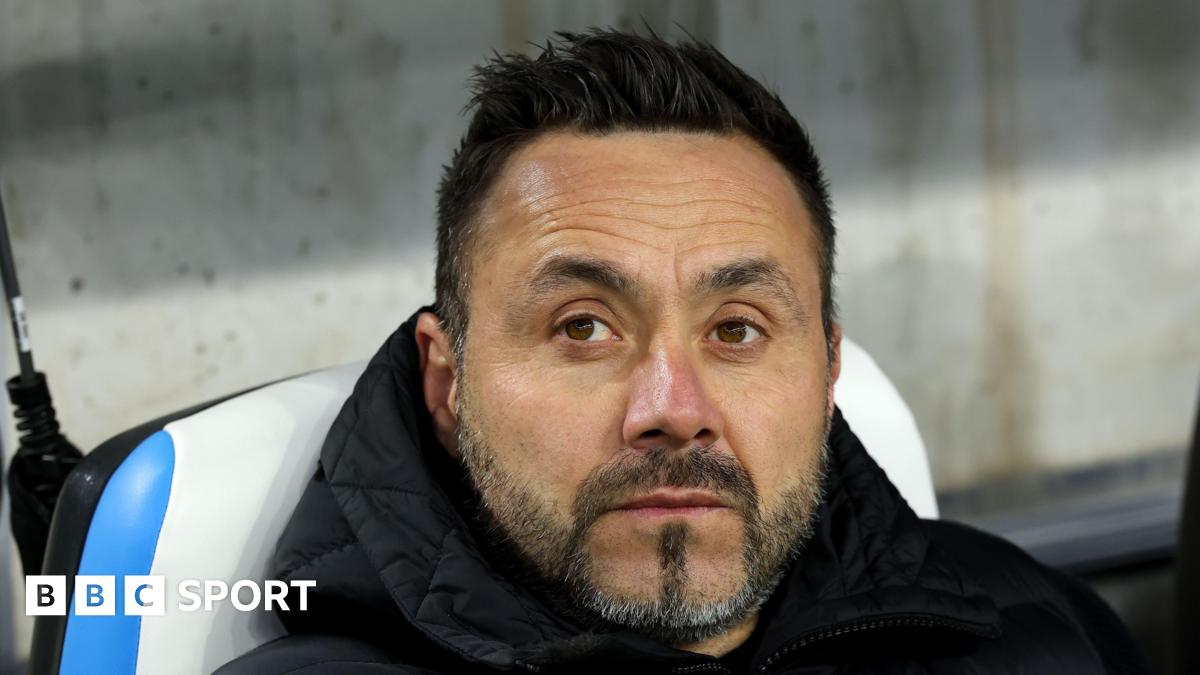
The Training Ground Reset
Roberto De Zerbi has spent his first ten days at Tottenham Hotspur dismantling the tactical frameworks established by predecessors Igor Tudor and Thomas Frank. Reports from the Hotspur Way training complex indicate that the Italian has prioritized a heavy verticality in his sessions, aiming to re-install a high-intensity style that mirrors the Postecoglou era. For a squad that looked disjointed throughout the winter, this is an attempt at rapid surgery.
The intensity of these sessions is already drawing attention. Sources close to the squad suggest that while players are impressed by the technical detail, the physical demands of the new regime are forcing a delicate balance. De Zerbi has publicly committed to a long-term project, but the immediate reality is a survival fight that leaves little room for bedding-in periods.
Tactical Shifts and Player Selection
De Zerbi has already identified six individuals he intends to build his core around, moving away from the wider rotation policy favored by the previous administration. This narrowing of the tactical pool is a high-stakes move. By narrowing the focus to a specific group, he is gambling that their physical fitness levels can sustain the vertical, high-possession game he demands without breaking under the current training ground pressures.
Historical context suggests this is a precarious strategy. Tottenham has consistently struggled with squad depth during transitional phases. When managers enforce rigid stylistic changes mid-season without a full pre-season, soft-tissue injuries frequently spike. The coaching staff is currently monitoring the workload of those six core starters with extreme caution, as any muscle fatigue could derail the attempt to stabilize the club's league position.
The Structural Risk
The transition from the rigid, defensive structures of Thomas Frank to De Zerbi’s chaotic freedom is jarring for any roster. This represents a fundamental shift in athletic conditioning requirements. Players who adjusted to the slower, more compact buildup under Tudor are now being pushed to track back more frequently and initiate high-press sequences from the 5th to the 90th minute.
This shift is not without its detractors. Some elements within the dressing room have reportedly expressed unease regarding the speed of these adjustments. If the squad fails to adapt to the physiological load, we could see a string of fatigue-related absences right as the campaign reaches its most pressurized juncture. A successful survival run depends entirely on whether this team can handle the physical toll of Angeball-adjacent intensity.
Moving Forward
As Mirror Football noted, De Zerbi is moving fast to stamp his identity, but his success will be judged by the health of his starting eleven. If these core players succumb to the intensity spike, the squad depth issue remains unaddressed. The club’s reliance on these few selected players is a ticking clock.
Efficiency is the name of the game for the remainder of April. Tottenham cannot afford a repeat of the late-season collapses that have plagued them in previous years. De Zerbi’s tenure is effectively starting in a fire; whether he can extinguish the flames or simply add more fuel will become apparent within the next three matches. Every sprint in these new training sessions is a potential contribution to the team's season-defining medical log.
Read Next
- Bukayo Saka and Jurrien Timber sidelined as Arsenal title charge hits turbulence
- Tottenham are in the basement and you can't tell me it's a fluke
- Roberto De Zerbi’s messy start at Tottenham is a PR headache
- Brentford and Everton grind to a stalemate in scoreless scrap
- 🏆 Europa League Final 2026 — Full Coverage Hub