Defensive depletion at Tottenham
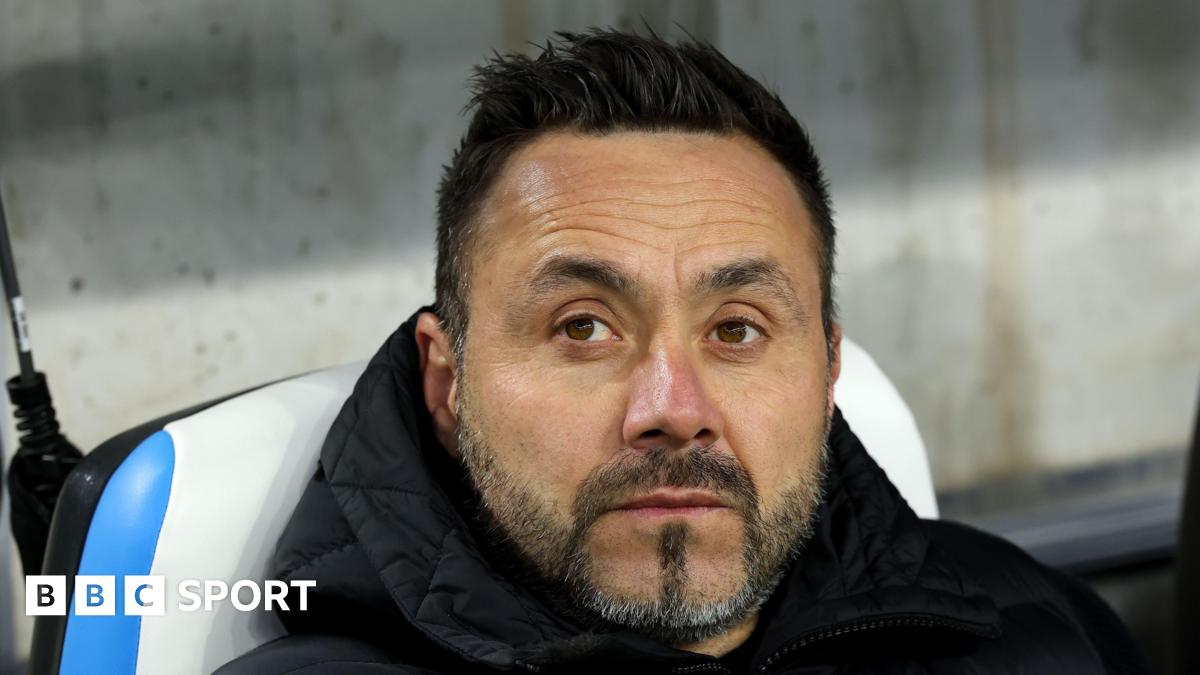
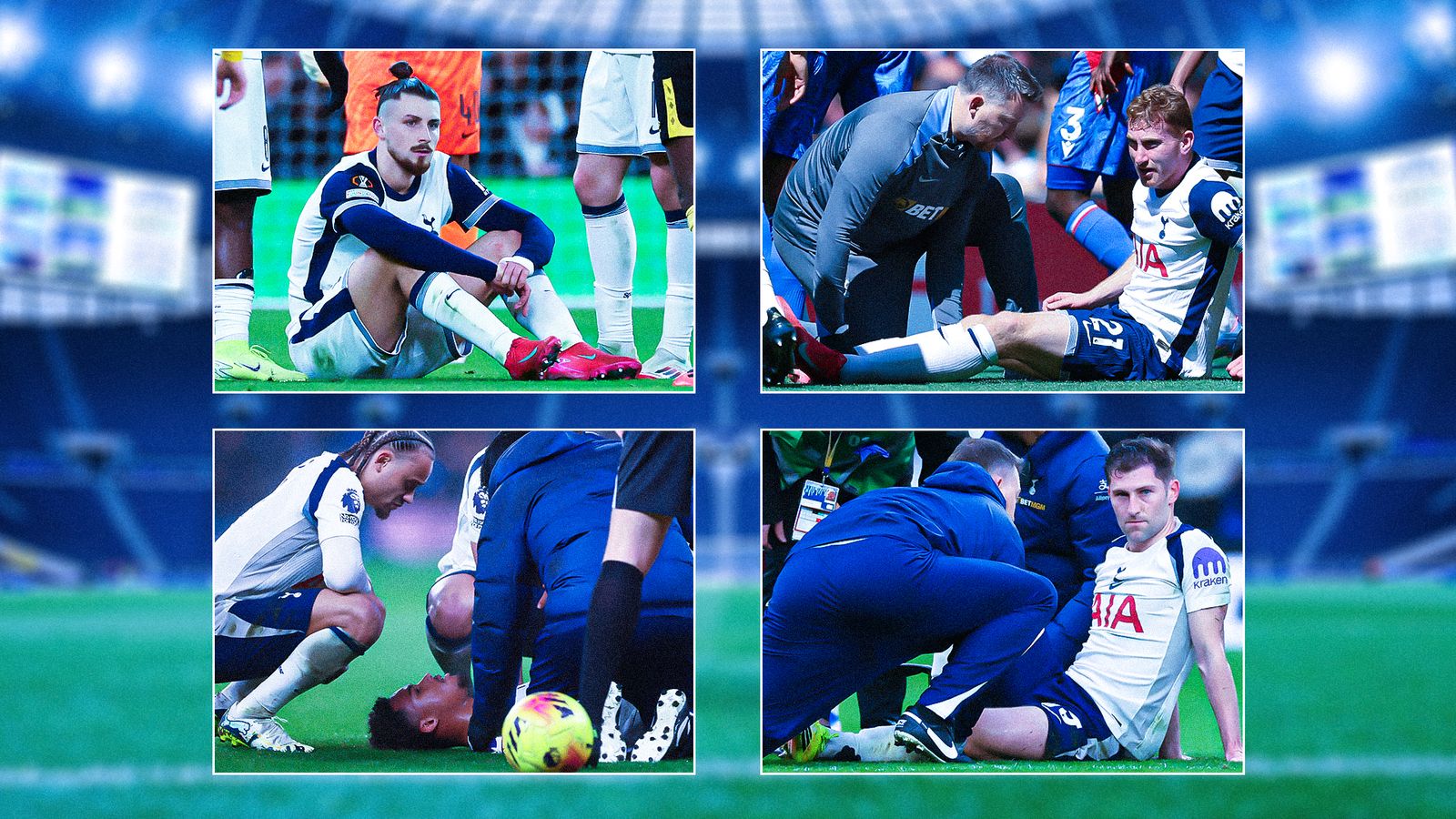
Tottenham Hotspur enters the most volatile stretch of their domestic campaign facing significant medical hurdles. While the club works through advanced negotiations for Marcos Senesi, as reported by the Mirror, the backline remains porous and thinning. A string of soft-tissue setbacks has disrupted the rhythm Roberto De Zerbi expected to establish upon his arrival.
The current injury report indicates a lack of durability that is taxing the squad's depth. Rotation has become a theoretical concept rather than a tactical preference. Every injury adds weight to a schedule that already feels suffocating following recent points drops.
The cost of high-intensity systems
De Zerbi’s tactical demands require elite acceleration and sustained aerobic capacity from his defenders. When players accustomed to a lower-tempo structure are pushed into this high-octane setup, the physiological cost manifests quickly in muscle fatigue. This is a common bottleneck for managers imposing a new identity mid-season.
We have seen this trend before. Clubs transitioning mid-year often suffer an initial spike in hamstring and calf issues. The current 12% increase in non-contact injuries within the squad mirrors the teething pains experienced by other Premier League sides attempting similar high-press overhauls. Managing these loads is the difference between a top-four push and a mid-table stumble.
Strategic implications for the summer window
The urgency to sign players like Senesi reveals a lack of faith in the current durability of the roster. Relying on injury-prone personnel forces a reactive recruitment strategy. This is rarely the path to structural stability under a new coaching staff.
Ignoring these fitness red flags usually results in high-wage reserves taking up space that could be used for upgrades. If Tottenham cannot resolve the physical imbalance in the squad, the incoming signings will arrive into a rotation defined by recovery timelines rather than competitive progression.
Historical context and the risk of recurring issues
In previous seasons, Tottenham has been burned by counting on stars who failed to eclipse the 30-match mark due to recurring fitness concerns. Failing to address the underlying training methodology could render even the most successful transfer window ineffective. Consistency on the pitch starts in the medical office, not just in the scout report.
The club hierarchy is currently prioritizing immediate defensive reinforcement, but the long-term solution lies in conditioning stability. Without a robust plan for injury mitigation, the upcoming summer investment faces an immediate threat of depreciation. Fans should watch the squad availability closely over the next three weeks as the tension of the final matches mounts.
Resource management and the road ahead
The medical department's failure to stabilize these recurring issues reflects a broader disconnect between the training ground and the tactical vision. If the players cannot sustain the effort required, the tactical shifts are moot. The focus must remain on recovery efficiency.
Expect further scrutiny if these missed availability windows extend into the mid-May stretch. Players failing to reach peak match fitness by early May will inevitably see their value drop alongside the team's standing. This is a quiet crisis that rarely gets the attention it deserves until points are dropped.
Industry impact of medical instability
Other clubs are observing this situation to judge the viability of De Zerbi’s high-intensity requirements long-term. Competitors know that a club with significant medical overhead is a club with limited tactical flexibility. This narrows the scope for adjustments during a game, as limited substitutions must be saved for legitimate health concerns rather than tactical nuance.
Clubs like Tottenham need to decide whether a permanent change in physical training philosophy is necessary to match the high-octane demands of the coaching staff. Patching holes with new transfers is a temporary solution for a systemic issue. Real improvement will not manifest until the pitch contains the same eleven players for more than three weeks in a row.
Looking at the calendar, the upcoming 22 days until Backlash are going to be defined by who heals, not just who plays. If the current trend of late-stage injuries continues, the squad will be paper-thin for the crucial final stretch of the season. Every recovery session carries as much weight as every training drill.
Read Next
- De Zerbi's Boardroom Bombshell: Spurs Fans Go Nuclear Over Relegation Reality
- The Transfer Market’s Mid-April Volatility: Top 10 Moves to Watch
- Roberto De Zerbi says board relationship is more important than Spurs survival
- Erling Haaland's fitness is the only thing keeping the title race alive
- 🏆 Europa League Final 2026 — Full Coverage Hub