The 0.82 points per game reality check
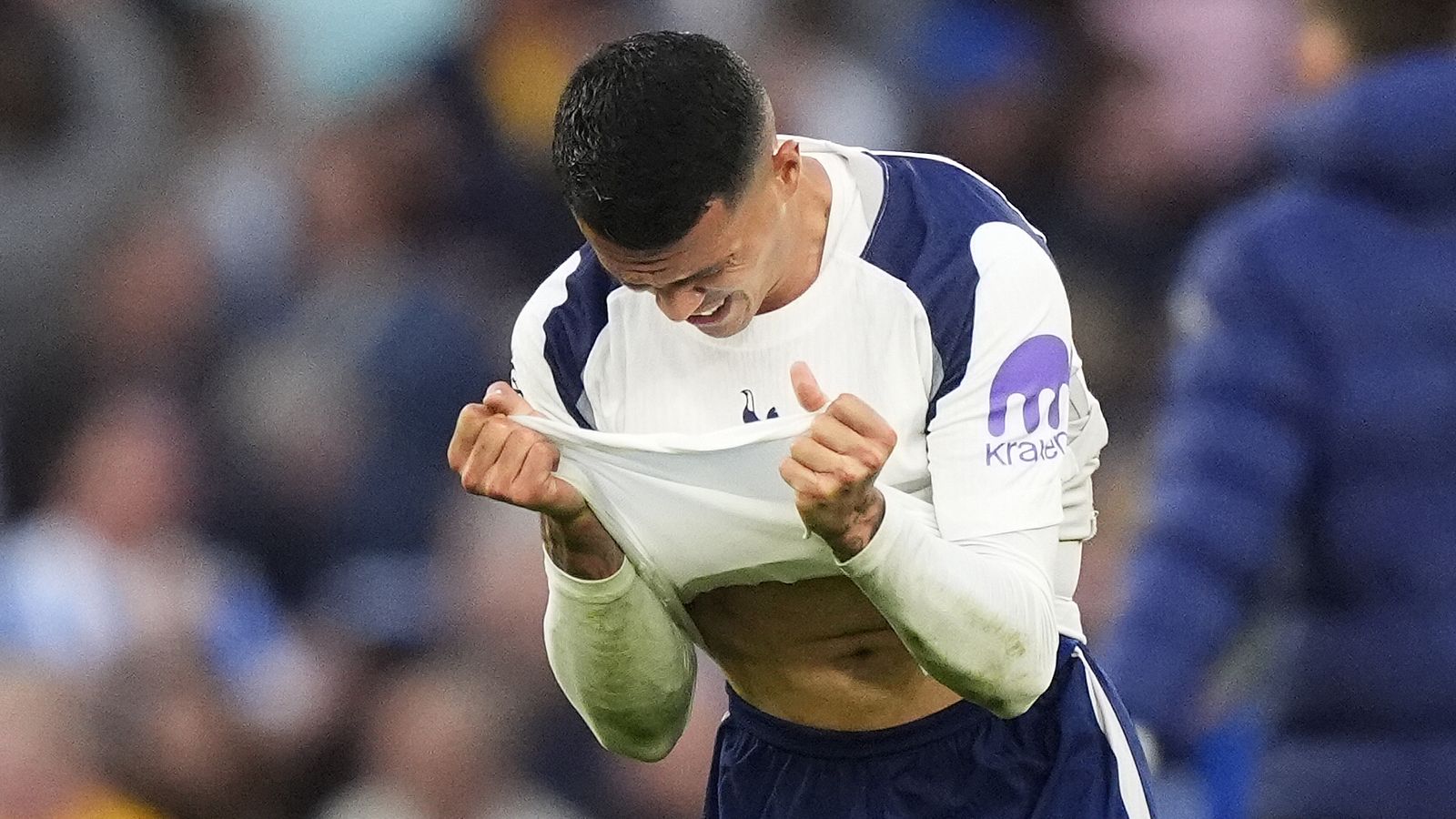
The numbers currently attached to Tottenham Hotspur do not belong to a Big Six institution; they belong to a sinking ship. Since the turn of the year, Spurs have averaged exactly 0.82 points per game, a figure that traditionally mirrors the trajectory of teams destined for the Championship. On Tuesday, April 7, 2026, the spreadsheet tells a story of tactical arrogance colliding with a squad that has forgotten how to defend its own box.
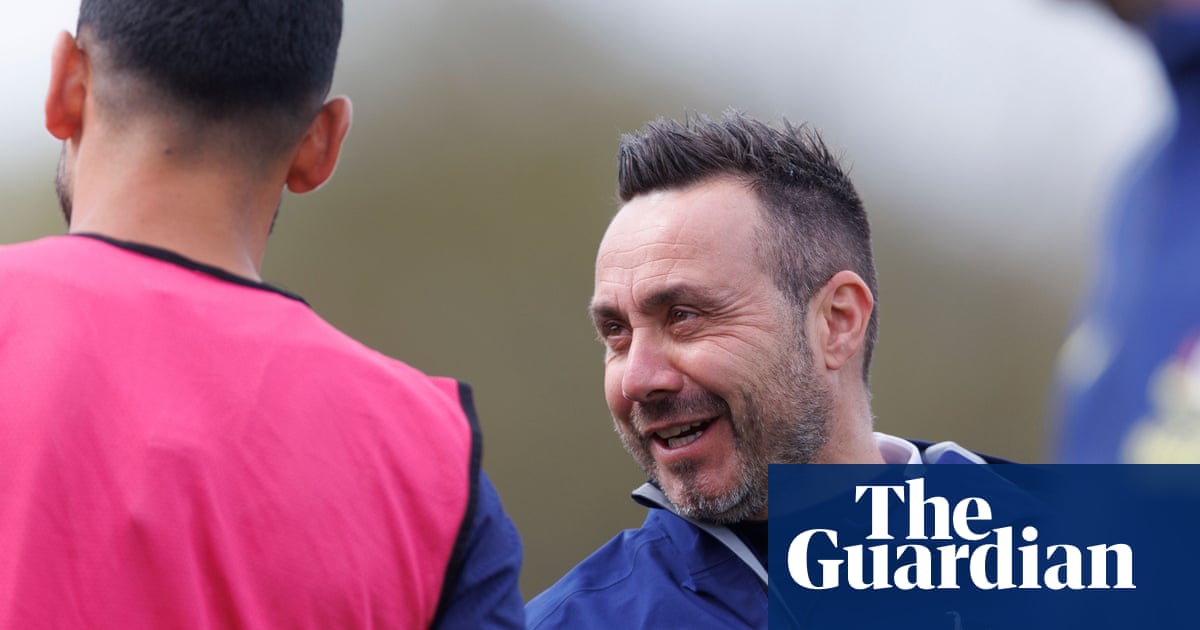
Roberto De Zerbi arrived with the promise of high-concept, possession-heavy football that would erase the memory of Thomas Frank’s pragmatism. Instead, he has delivered a system that is statistically the most vulnerable in the Premier League when transitioned upon. Spurs are currently conceding an average of 1.94 goals per match, their worst defensive output since the 1990s. The shift from Frank’s balanced approach to De Zerbi’s verticality has left a massive structural hole in the center of the pitch.
The irony of the current situation is that Spurs still dominate the ball, averaging 64.2% possession across their last ten fixtures. This is the highest possession percentage for any team in the bottom five in the history of the Premier League. It is possession without purpose, a rhythmic exercise in sideways passing that ends in catastrophe the moment a midfielder misplaces a five-yard ball. The tactical rigidness is no longer a signature; it is a suicide note.
The high turnover trap and the death of build-up
De Zerbi’s insistence on baiting the press has become a gift for every mid-table side with a moderately athletic front three. This season, Tottenham have surrendered 14.2 expected goals solely from high turnovers. For context, that is 4.1 xG higher than the next worse team, showing a systemic failure to manage risk in the defensive third. The players look terrified to clear their lines, shackled by a manager who views a long ball as a moral failing.
When we look at the pass maps from the recent 2-1 defeat at the hands of Bournemouth, the issue is spatial. The distance between the two center-backs during the initial build-up phase has increased to an average of 34 meters. This width is designed to stretch the opponent, but against a compact 4-4-2, it simply leaves the goalkeeper isolated. Spurs have committed 19 errors leading to shots in their last eight games, a statistic that highlights the disconnect between De Zerbi’s vision and his players' technical execution.
The lack of a true defensive screen has exacerbated these issues. Under Thomas Frank, the double pivot provided a safety net that allowed the full-backs to push high. De Zerbi has inverted this, demanding his pivots stay deep to invite pressure. While this worked at Brighton, it has failed at Tottenham because the central defenders lack the recovery speed to handle the inevitable breaks. It is a tactical mismatch that the manager refuses to acknowledge, even as the relegation zone looms.
The conversion crisis in the final third
While the defense is a sieve, the attack has become a blunt instrument. Tottenham’s shot conversion rate has plummeted to a measly 7.4 percent over the last two months. They are taking more shots from outside the box than at any point in the last five seasons, a sign of frustration and a lack of creative penetration. De Zerbi’s system relies on third-man runs that simply aren't happening with the necessary frequency or intensity.
The expected goals for (xG) per match has dropped from 1.68 under Frank to 1.12 under De Zerbi. This isn't just a finishing problem; it is a manufacturing problem. By the time Spurs reach the final third, the opposition has usually retreated into a deep block, nullifying the space that De Zerbi’s build-up is supposed to create. They are playing into the hands of their opponents with predictable, metronomic regularity.
The Thomas Frank legacy and the apology problem
The Mirror recently reported that De Zerbi has already had to issue an apology to the Tottenham board for his public outbursts. While Thomas Frank was often criticized for being too lenient with a dressing room full of egos, his man-management kept the club in the top half of the table. De Zerbi’s abrasive style and tactical dogmatism have alienated key veterans who previously provided the emotional spine of the team.
Statistical evidence suggests a significant drop in physical output since the managerial change. Under Frank, Spurs averaged 114km per match in total distance covered; that has fallen to 109.8km under the Italian. This 4.2km deficit is the difference between closing down a passing lane and watching a counter-attack fly past you. The intensity that defined the early days of the season has evaporated, replaced by a sullen compliance with a system the players clearly do not trust.
The apology mentioned in the press wasn't just about a post-match interview; it was a symptom of a fractured relationship. When a manager starts apologizing for his behavior while the team is 17th in the table, the end is usually near. De Zerbi is fighting a war on two fronts: one against the league table and one against his own reputation. Neither side looks like it’s winning.
The seven-game gauntlet to avoid the Championship
With seven games remaining, the math is simple and terrifying. Tottenham likely need nine points from their final fixtures to guarantee safety, assuming the current bottom three maintain their current PPG. Looking at the schedule, there are no easy wins left. They face three of the top four in their final stretch, teams that will feast on the high-line and slow build-up that De Zerbi refuses to abandon.
The upcoming fixture list includes a trip to the Etihad and a home game against an Arsenal side chasing the title. If Spurs play their usual expansive game in these matches, the scorelines could be historic for all the wrong reasons. There is a desperate need for a tactical pivot—perhaps a return to a back five or a more direct approach—but De Zerbi’s history suggests he would rather go down with his ideas than survive with someone else's.
It is a staggering fall for a club that was playing in a Champions League final less than a decade ago. Today, as the UCL Quarter-Finals kick off elsewhere, Tottenham fans are checking the results of Burnley and Everton. The focus has shifted from European nights to Saturday at 3:00 PM, a grim reality that reflects the total failure of the current sporting project. If the next seven games don't produce a radical shift in performance, the apology De Zerbi made last week will be the least of his worries.
A critical observation of tactical stubbornness
The most damning indictment of De Zerbi’s tenure is his refusal to adapt to the personnel at his disposal. He is trying to build a Ferrari engine using parts from a reliable but aging Volvo. The insistence on playing out through a goalkeeper who ranks in the bottom 20th percentile for short-pass accuracy is not brave; it is negligent. Journalism requires us to call out when a tactical philosophy becomes a hinderance to the primary goal of winning football matches.
Real analysts don't just look at the highlights; they look at the 85 minutes of structural decay that lead to the goals. Spurs are currently a team that plays beautiful football for the first 40 yards of the pitch and then enters a state of total panic. Every time the ball is played back to the keeper, a collective groan ripples through the stadium. This isn't just about results; it's about the erosion of the club's identity under a manager who seems more interested in his own metrics than the league table.
If De Zerbi survives the week, he has to prove he can coach a defense. So far, there is zero evidence of that. The seven-game fight isn't just about staying in the Premier League; it's about proving that his brand of football is actually viable when the stakes are higher than a mid-table finish in Sussex. Right now, the data suggests it isn't.
Read Next
- Liverpool's midfield rebuild requires more than just gossip
- Top 10: The defining moments of the 2025/26 season
- Liverpool fans are right to be furious and every rival should pay attention
- Joey Barton is back in court and the pattern is impossible to ignore
- 🏆 Europa League Final 2026 — Full Coverage Hub