The Breaking Point at N17
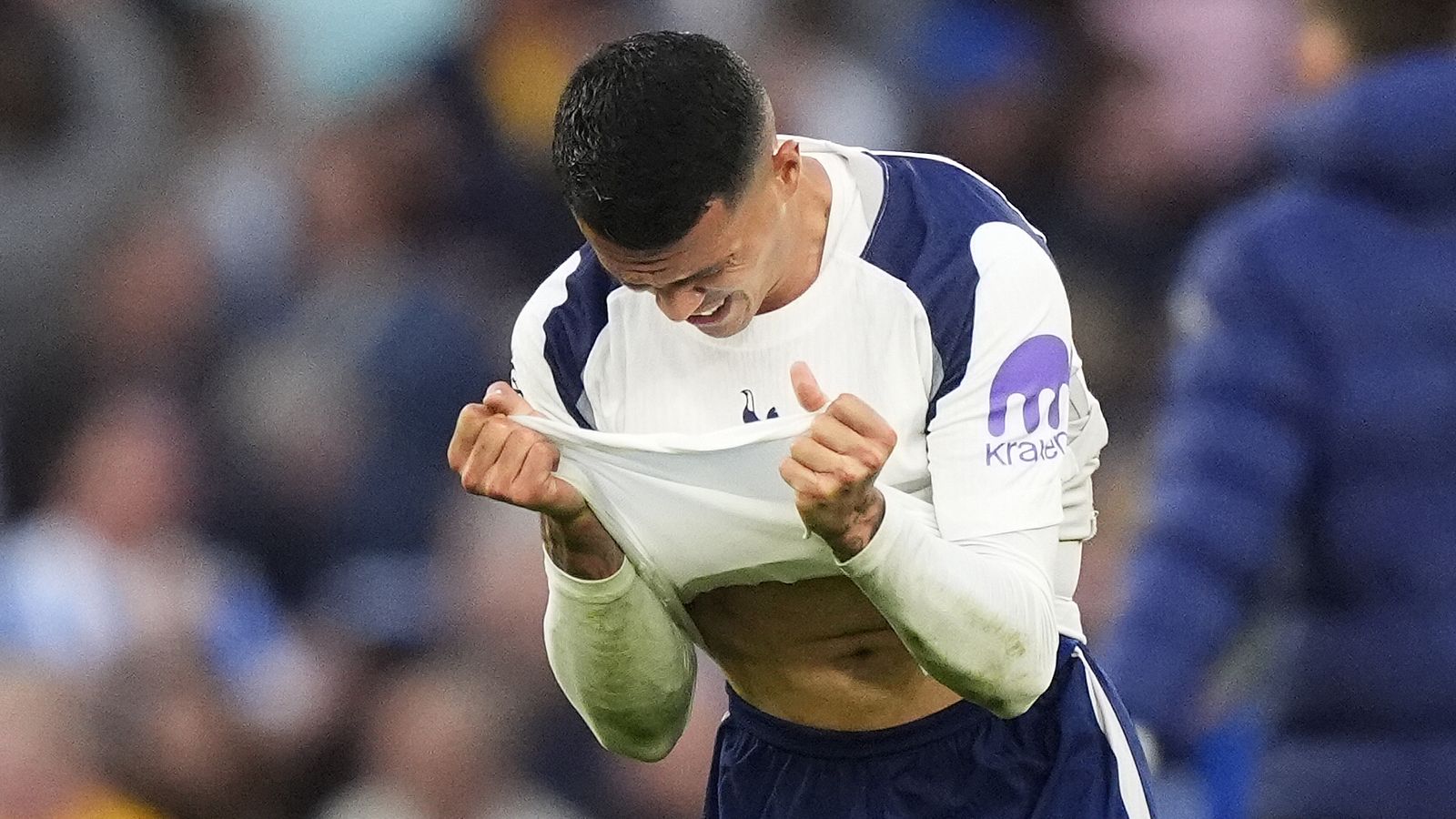
The final whistle at the Tottenham Hotspur Stadium yesterday didn't bring the usual chorus of boos. It brought something far more chilling: a hollow, stunned silence. Tottenham were seconds away from a victory that would have hauled them out of the Premier League relegation zone. Instead, a 94th-minute strike from Georginio Rutter ensured Brighton left North London with a point, leaving Roberto De Zerbi’s side marooned in the bottom three.
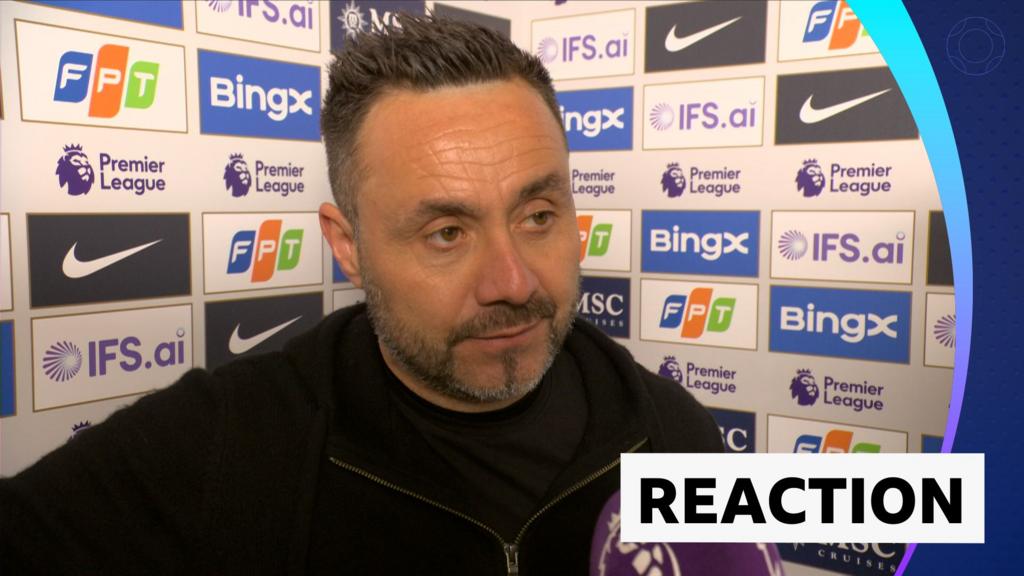
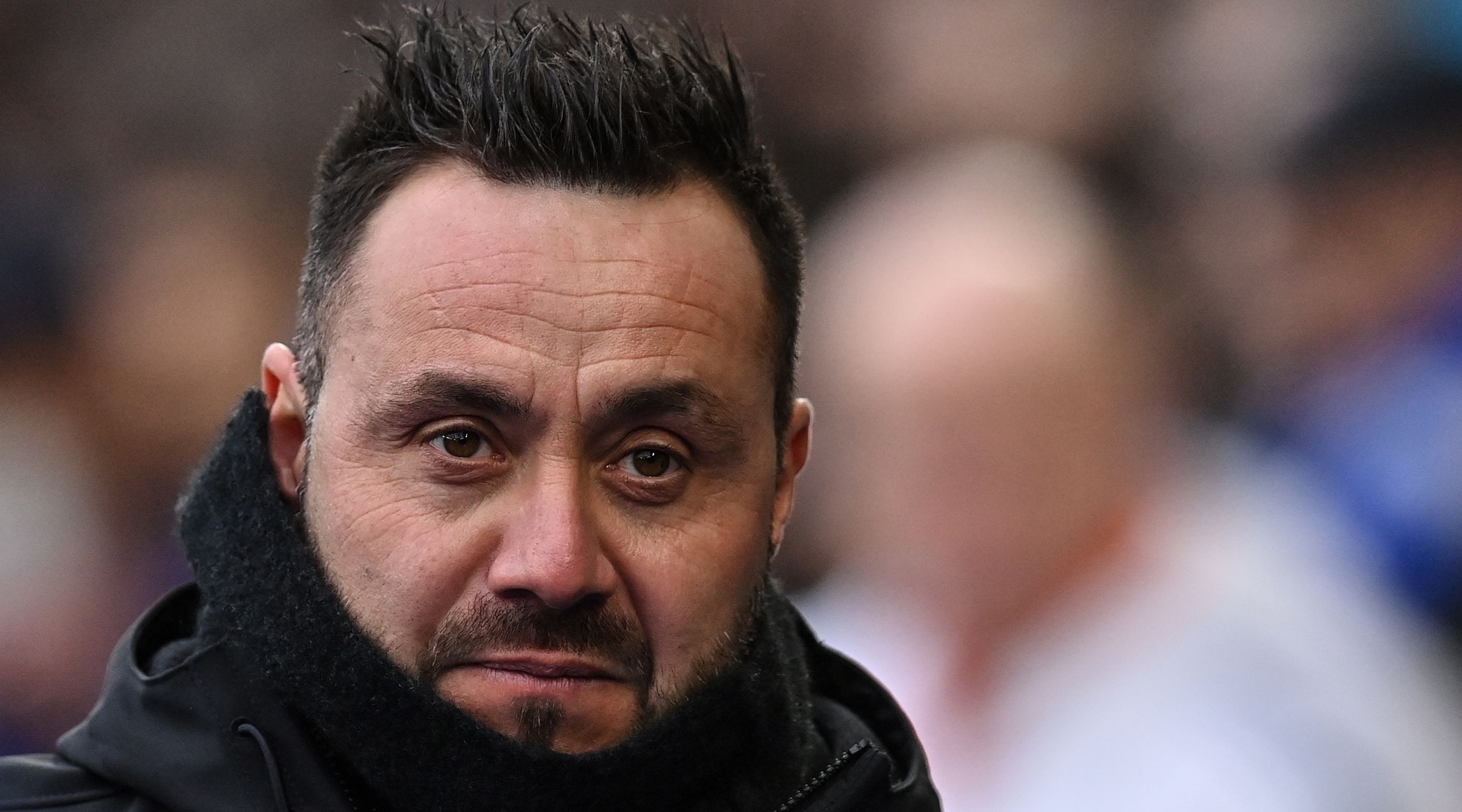
De Zerbi didn't hide in the tunnel. He stood on the touchline, staring at the turf, before delivering one of the most pointed press conferences of his tumultuous tenure. The Italian is known for his volatility, but this was different. This was a cold, calculated warning to a locker room that appears to be buckling under the weight of a catastrophic season. For a club that was playing Champions League football not long ago, the reality of a Tuesday night in the Championship is no longer a punchline. It is a mathematical probability.
The manager’s message was unambiguous. He is finished with the sulking, the slumped shoulders, and the internal friction that has defined the Spurs training ground for months. In a season where everything that could go wrong has, De Zerbi is drawing a line in the sand. He is demanding a psychological pivot that many critics argue is impossible given the current state of the squad's morale.
No Room For The Miserable
The headline from the post-match briefing wasn't about the tactical failure that allowed Rutter to find space in the box. It was about the culture De Zerbi is trying to force upon his players. He made it clear that anyone not fully invested in his vision of positive defiance would be cast aside, regardless of their status or salary. The manager’s patience has evaporated alongside Tottenham's lead.
“I have no time to see negative people. If someone is negative, they can stay at home. We are in a difficult moment, yes, but we are alive. I want to see fire, not shadows.”
This is a high-stakes gamble. By publicly calling out "negative people," De Zerbi is essentially admitting there is a divide in the dressing room. It confirms the whispers that senior players are disillusioned with his demanding, high-risk tactical system. Asking a group of players who have won just twice in their last ten outings to remain upbeat is a massive psychological ask. It’s a move that will either galvanize the survivors or completely alienate the remaining talent.
The irony is that De Zerbi was brought in to provide a spark, a brand of football that would make Tottenham exciting again. Instead, his tenure has become a case study in how a philosophy can be swallowed whole by a club in crisis. The "De Zerbi-ball" that enchanted Brighton fans has looked fragile and naive in the context of a relegation scrap. Yesterday, that fragility was on full display as Spurs retreated into a defensive shell they aren't built to maintain.
The Smile Mandate
De Zerbi’s most controversial statement centered on the atmosphere at the training ground. He isn't just asking for effort; he is demanding a specific emotional frequency. It’s a directive that feels almost surreal given that Tottenham are currently sitting 18th in the table. The gap between the manager's expectations and the fans' misery has never been wider.
“They have to come to the training ground with a smile. If you don't smile, you don't play. We represent a great club, and we must respect that with our energy.”
Is it possible to smile when you’re staring at the drop? De Zerbi seems to think it’s the only way out. However, this "smile or stay home" policy risks looking tone-deaf to a fanbase that is paying some of the highest ticket prices in Europe to watch their team collapse. There is a fine line between maintaining a positive environment and ignoring the gravity of the situation. De Zerbi is currently dancing right on that line.
The reality is that smiles don't track runners in the 90th minute. Spurs failed because of a familiar lack of concentration and a fundamental inability to manage a game. When Rutter picked up the ball on the edge of the area, there were three Spurs jerseys around him. None of them made a challenge. They were static, exhausted, and seemingly waiting for the disaster to happen. That isn't a lack of smiles; it's a lack of basic defensive discipline.
A Tactical Identity Crisis
The most damning indictment of the De Zerbi era at Tottenham is the lack of progress. Usually, his teams show a clear, if risky, progression in how they build from the back. At Spurs, it has looked like a broken machine. They are caught between the counter-attacking instincts of the previous regime and the possession-heavy demands of the current one. The result is a team that does neither particularly well.
Against Brighton, Spurs had 41% possession at home. For a De Zerbi team, that is a statistical anomaly that highlights the lack of confidence. They looked terrified to have the ball, opting for long, hopeless clearances rather than the intricate triangles their manager demands. This disconnect is where the negativity De Zerbi hates actually originates. Players don't like being asked to do things they don't believe they can execute.
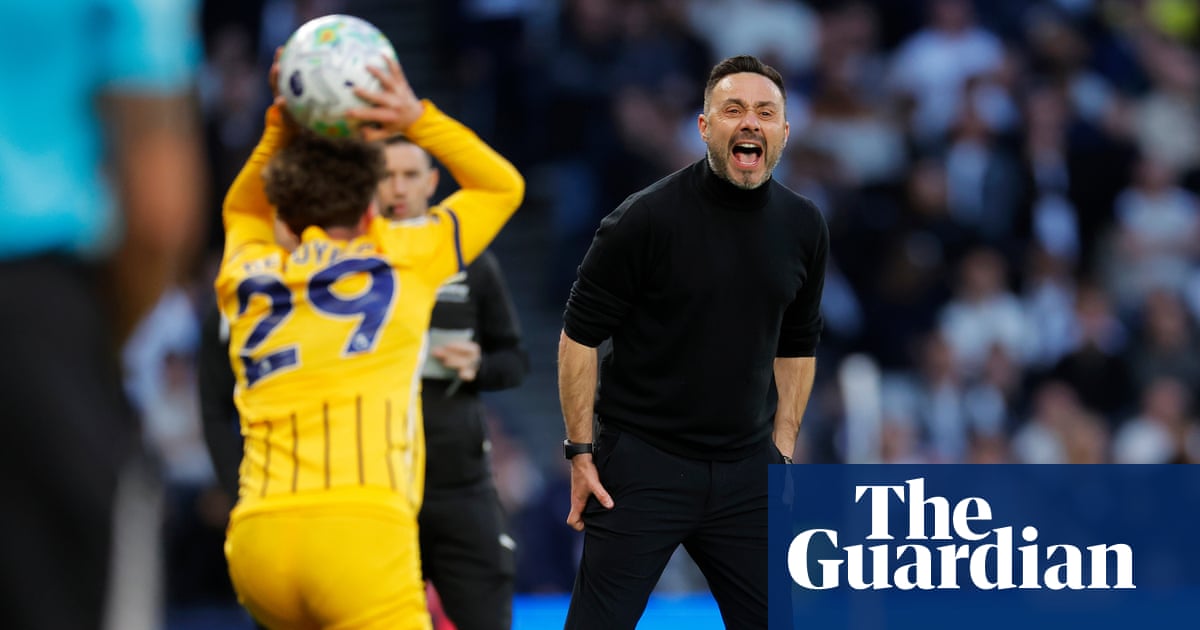
There is also the question of his personnel choices. Leaving creative outlets on the bench in favor of more industrious, defensive-minded players suggests that even De Zerbi is starting to doubt his own principles. If he wants positivity and bravery, he has to reflect that in his team sheets. You cannot demand a smile while playing a system that feels like a funeral march. The tactical rigidity that made him a star in the Premier League is now being used as a stick to beat him with.
The Brighton Body Blow
Losing points to Brighton, the club he helped elevate to the European stage, clearly stung. Georginio Rutter’s equalizer wasn't just a goal; it was a reminder of what Spurs used to be—a team that could find a way. Brighton, even under new management, still carries the DNA De Zerbi left behind. They were patient, they were technical, and they never panicked. They looked like the "positive" team De Zerbi is currently begging for at Tottenham.
When Rutter’s shot hit the back of the net, the reaction from the Spurs bench was telling. Several coaches immediately put their heads in their hands. De Zerbi, conversely, stood perfectly still. He knew what that goal meant. It wasn't just two points dropped; it was the loss of momentum that had been building since their win over Everton. The road to safety just became significantly steeper.
The manager’s post-match comments about "not being finished yet" are technically true. There are still enough games on the calendar to bridge the gap. But football isn't played on paper. It’s played in the minds of players who are currently hearing their own manager tell them to stay home if they can't force a grin. It’s a locker room on the edge of a total breakdown.
The Critical Verdict
De Zerbi is trying to be a leader, but he is dangerously close to becoming a tyrant of positivity. There is a performative element to his demands that feels hollow. Real leadership in a relegation battle involves acknowledging the pain and the fear, then providing a concrete plan to overcome it. Simply telling players to be "positive" while the club's world is burning feels like an abdication of tactical responsibility.
He is right to demand better energy, but he is wrong to think he can manufacture it through ultimatums. The negativity he sees isn't a choice players are making; it is a symptom of a dysfunctional environment. If he wants the smiles back, he needs to provide a defensive structure that doesn't collapse at the first sign of pressure. He needs to win a game 1-0 without the late-game drama that has become a Spurs trademark.
The next fourteen days will decide the fate of both the manager and the club. If the squad responds to this call to arms, De Zerbi will look like a genius who shocked a dying giant back to life. If they don't, his "no time for negative people" quote will be the epitaph of one of the most expensive and high-profile failures in the history of the Premier League. The clock is ticking, and the smiles are nowhere to be found.