
Tottenham are playing like a team that has already accepted the drop
The white flag at White Hart Lane
Tottenham Hotspur is currently performing like a side mid-way through a funeral. After watching the Brighton match, the diagnosis from Oliver Holt in the Daily Mail remains the most accurate account of their decay. The team lacks the functional movement required to survive a Premier League scrap.
Tactically, the absence of a defensive pivot against Brighton exposed a midfield that effectively functioned as open highway for the opposition. High-pressing triggers were non-existent, leaving the backline isolated against swift transitions. It is one thing to lose; it is another to surrender the midfield battle by the 15th minute with zero tactical adjustment.
The math of surrender
The relegation puzzle is becoming increasingly static as we head toward the final weekend of April 2026. While Leeds, Forest, and West Ham are visibly frantic, clawing for points with disorganized intensity, Spurs are strangely placid. Their pass completion rates in the final third have cratered to under 65 percent in consecutive home defeats.
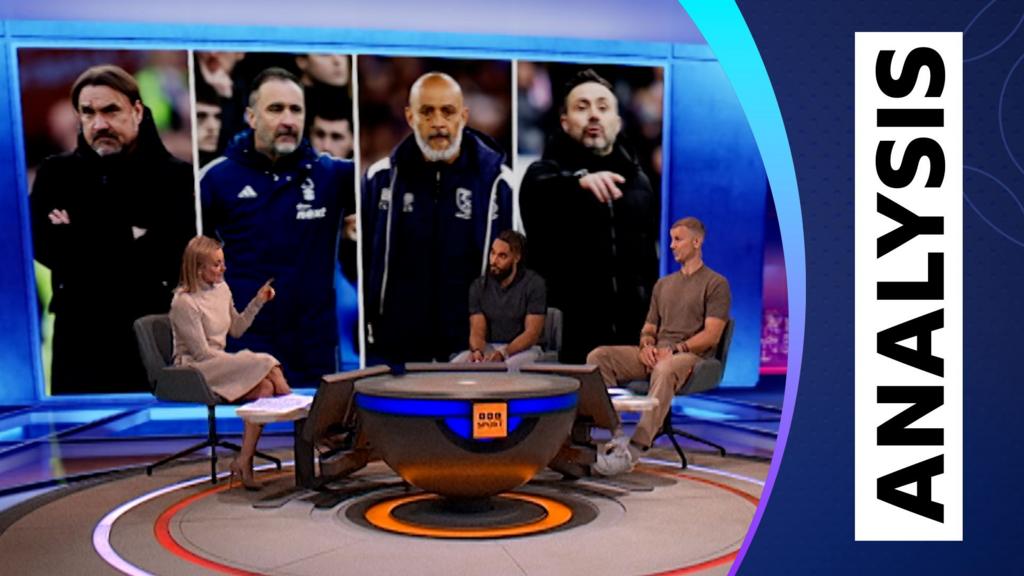
As recent Match of the Day analysis highlighted, the remaining fixture list for these four teams offers little respite. Tottenham, however, lacks the structural identity to exploit the gaps in the bottom-half table. They are choosing to sit in a mid-block that is neither compact enough to thwart shots on target nor aggressive enough to provoke errors.
Defensive collapse and tactical drift
The defensive metrics are damning. Without a cohesive press, their xG against has ballooned past 2.0 per match over the last month. Opponents are consistently finding space in the half-spaces, yet the defensive shape rarely collapses to cover those channels. The instruction appears to be: wait for the whistle, absorb the pressure, and hope for a moment of individual brilliance that never arrives.
Watching Northern Ireland under Michael McArdle recently provided a sharp contrast. McArdle has his side operating with a cohesive, high-energy block, showing that even with limited depth, tactical clarity can yield results. For more on that shift in philosophy, see the analysis here. Spurs have no such identity; they are a collection of individuals awaiting the inevitable exit from the top flight.
Criticism is easy, but the failure here is foundational. When a club loses the ability to shift gears after falling behind, the manager has lost the room. We see this in the 72nd minute substitutions, which are routinely lateral, defensive swaps instead of tactical gambles. If this is the blueprint for survival, the planning is insufficient for the demands of the current environment.
Read Next
- Tottenham are actively trying to sink their own ship
- De Zerbi's Tottenham mandate is the weirdest vibe check in the Premier League
- Another season, another star broken by the Premier League meat grinder
- Tottenham are playing like a team that has already accepted the drop
- 🏆 Europa League Final 2026 — Full Coverage Hub
EA SPORTS FC 24 - PlayStation 5
The definitive virtual football experience for the new era.
Frequently Asked Questions
Why is Tottenham struggling to maintain defensive stability?
What tactical issues were exposed during the Brighton match?
How do Tottenham’s current attacking metrics compare to recent form?
What indicates the manager has lost the support of the team?
How does Tottenham's performance differ from other relegation-threatened clubs?
More Coverage

Why England must fear Panama's disciplined low block
13 minutes ago
Anthony Gordon to Barcelona marks a high-stakes gamble
an hour ago
Arsenal vs PSG: Why tactical rigidity will determine the European champion
an hour ago
Arsenal's 104 million gamble on Julian Alvarez is pure chaos
an hour ago
Top 10: The Definitive Arsenal Moments of the 2025/26 Season
2 hours agoLincoln City just entered the weirdest experiment in League One history
3 hours agoMore Analysis
Tottenham are sleepwalking into a historic disaster
1 week, 2 days ago
Tottenham are flirting with disaster and nobody is surprised
1 month, 1 week ago
Tottenham are in a relegation fight and nobody is laughing anymore
2 months, 1 week ago
Tottenham are sleepwalking into a genuine relegation nightmare
2 months, 1 week ago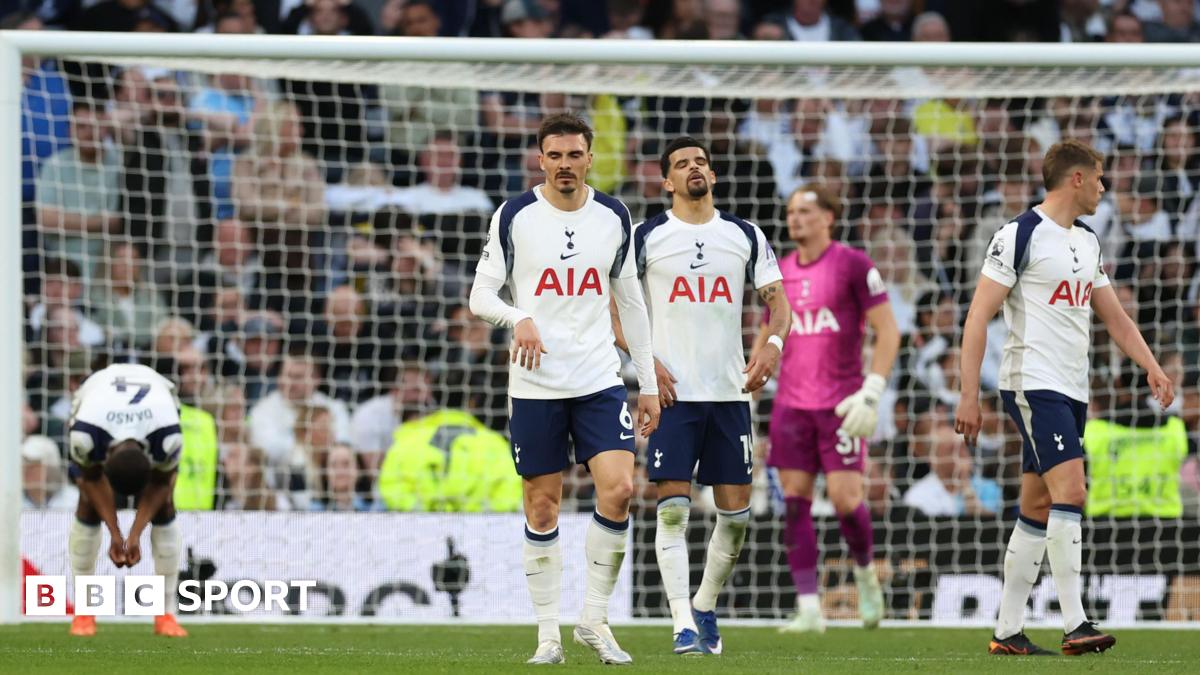
Tottenham are actively trying to sink their own ship
1 month, 1 week ago