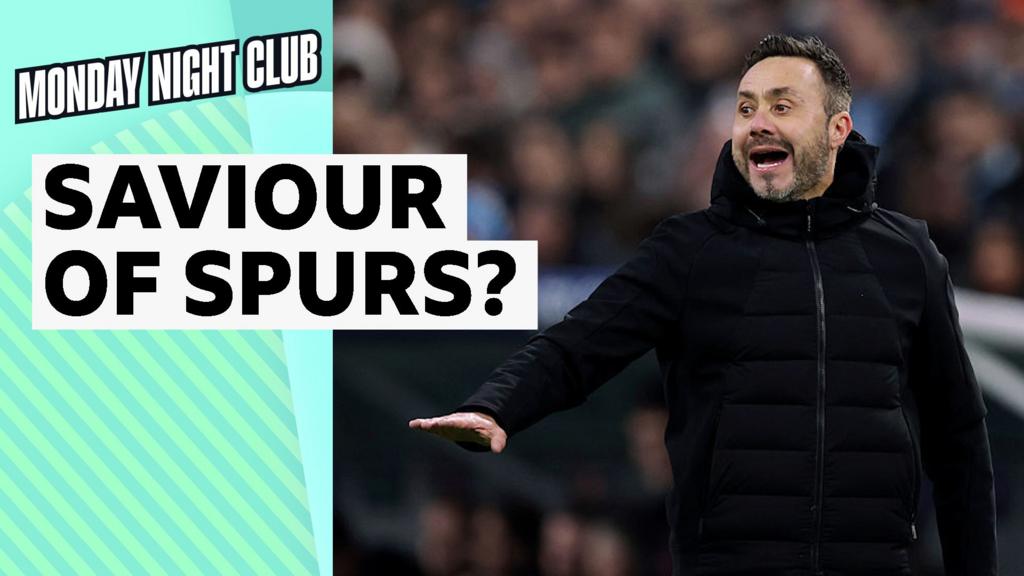
The De Zerbi paradox in North London
Tottenham Hotspur find themselves in a precarious position as April concludes. Roberto De Zerbi, the man tasked with injecting tactical rigidity into a squad that looked rudderless under previous regimes, has moved the needle. Steph Houghton and Martin Keown have both observed a distinct change in the team's output, noting that the players are "really improving" in their application.
However, improvement is a relative term when relegation math is the primary metric. The shift toward a high-possession model under an Italian tactician is noble, but the Premier League table rarely offers patience for stylistic evolution. The fundamental question isn't whether the team looks better on a highlight reel; it is whether they can survive the next month of high-stakes football.
The structural flaws preventing a clean slate
Watching the tape from the last three matches reveals a persistent issue with the defensive transition. De Zerbi employs a daring high line designed to squeeze space, but the recovery pace of the center-back pairing remains suspect. It is common to see opposition midfielders turning into vast pockets of space between the midfield pivot and the defensive line.
While the progression from the back has been cleaner, the lack of a clinical edge in the final third haunts the side. They move the ball with intent until the 20-yard mark, at which point the decision-making often stalls. When you are fighting for your life at the bottom of the table, an xG dominance that translates to zero goals is essentially useless.
The numbers behind the optimism
Progress is usually quantifiable, and Spurs have shown a marginal rise in pass completion rates under the new regime. Getting the ball into the half-spaces is no longer a struggle; it is a feature. The team currently averages 62% possession per match over their last four outings, a significant jump from where they hovered in January.
But possession without pressure is just passing between the center-backs. If they cannot convert these rhythmic sequences into high-quality shots—specifically those generated within the six-yard box—the improvement becomes academic. With the recent appraisal from Match of the Day pundits highlighting their development, the pressure is now on to turn that narrative into concrete survival points.
Predicting the final act
Spurs need to bypass the aesthetic beauty and settle for grit. De Zerbi’s stubborn attachment to his specific build-up style may be his undoing if he refuses to park the bus against top-half opposition in the coming weeks. I expect them to remain competitive through the first hour of their next match, only to collapse once the opposition identifies the lack of tactical flexibility in the engine room.
My prediction for the final standings is bleak: they finish with a total of 34 points. It leaves them just shy of safety, ultimately proving that tactical evolution requires more time than a single season provides. The style is sound, but the foundation arrived five months too late.
Read Next