The Molineux toll
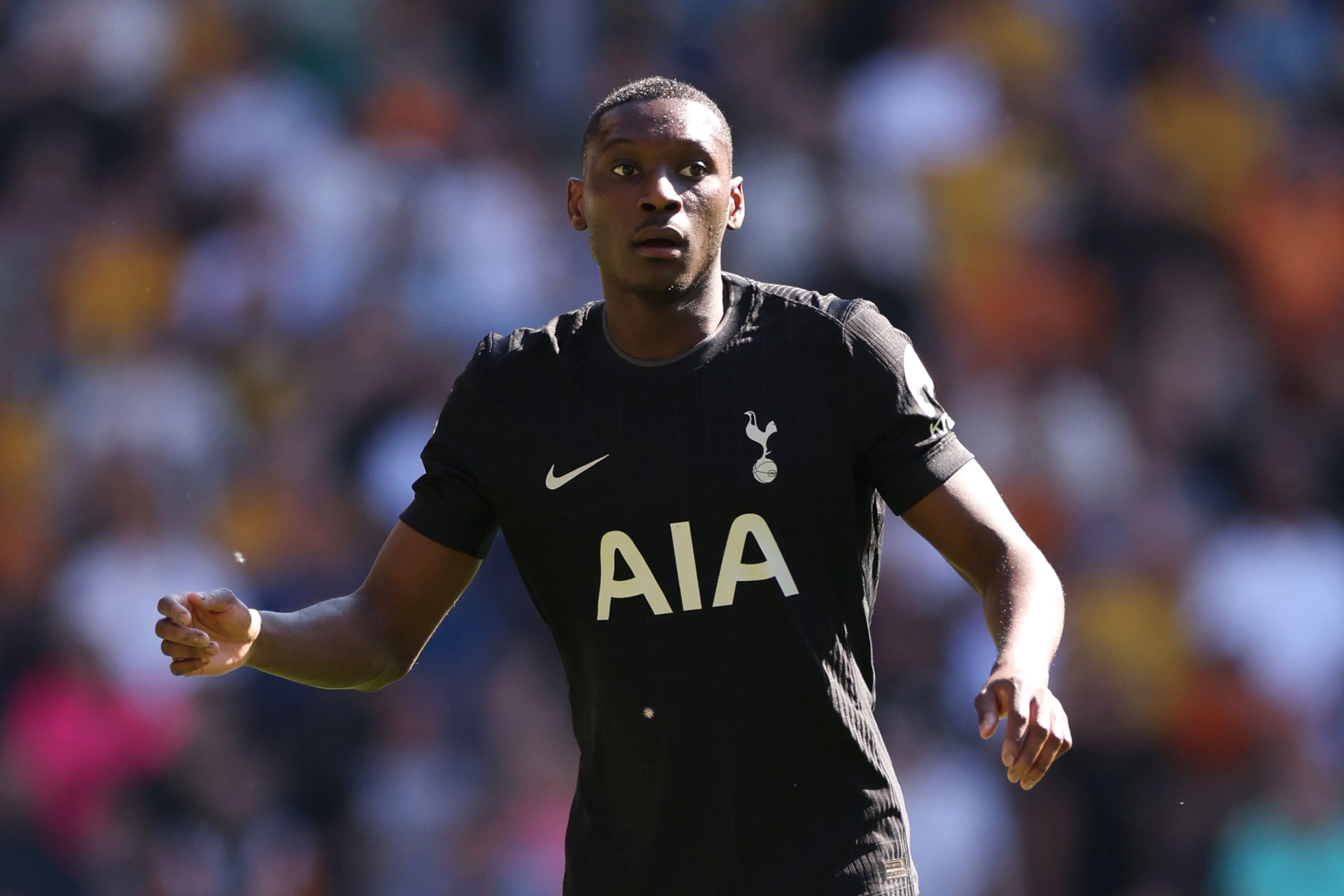
Tottenham Hotspur’s pursuit of Premier League stability has hit a sharp, clinical wall. During the midweek trip to Molineux, the club lost both Dominic Solanke and Xavi Simons to injuries that have forced Roberto De Zerbi to reconsider his tactical rotations just days ahead of the final stretch of the season. The timing is disastrous for a squad that currently remains locked in a bottom-three struggle following West Ham’s recent results.
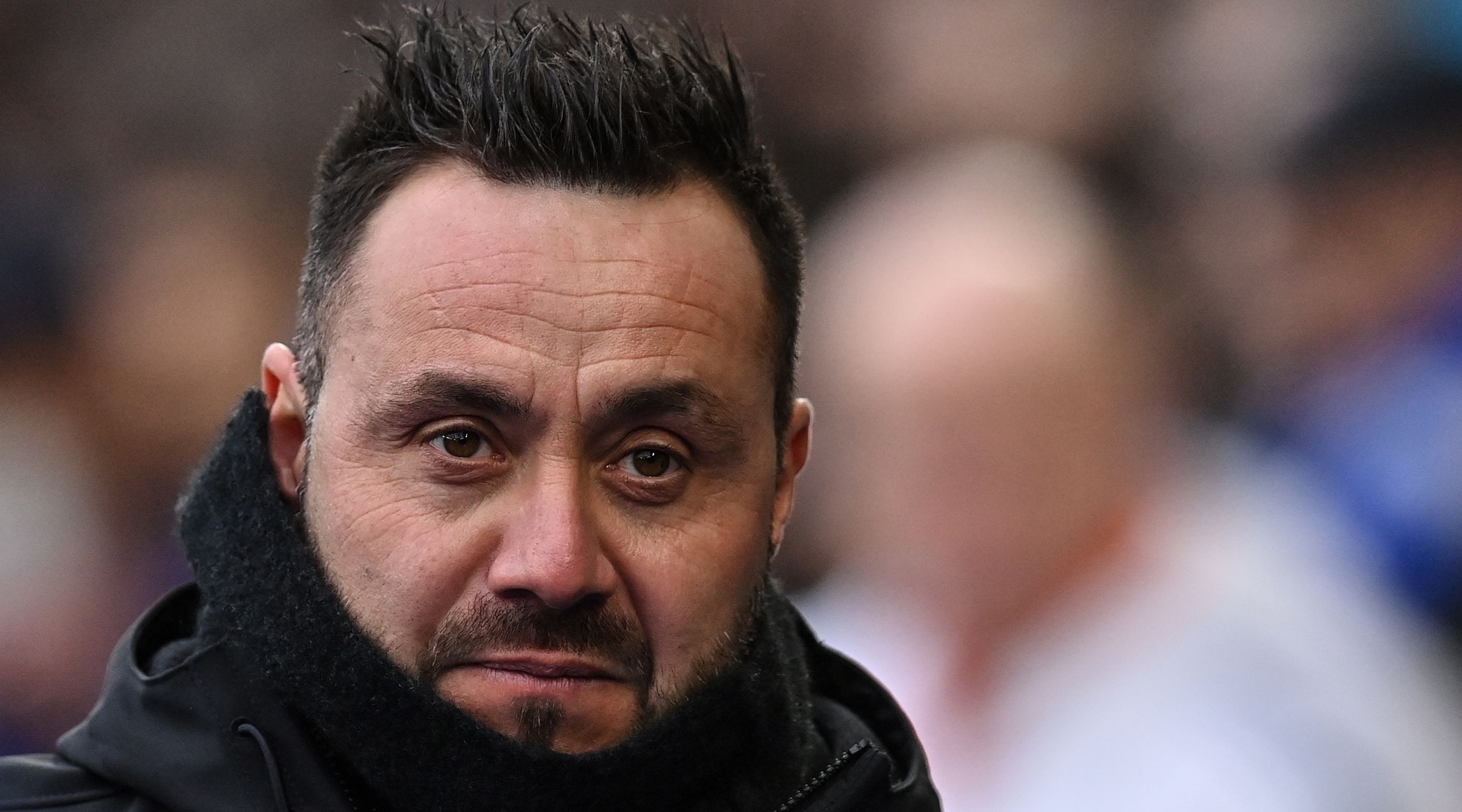
De Zerbi addressed the situation at his Friday press conference, emphasizing the mental strain on a squad already stretched thin by recurring fitness issues. While he expressed a professional optimism regarding the recovery timelines, the loss of two high-impact starters complicates preparations for upcoming fixtures. The club is in a race against the clock to repair a core that has lacked consistency since the start of the year.
Tactical implications of the missing duo
Solanke and Simons were meant to be the linchpins of an aggressive transition game, but their absence ripples through the rest of the roster. Deprived of Solanke’s hold-up play in the final third, Tottenham is forced to rely on depth options that have yet to prove their utility in high-pressure relegation battles. The attacking load now shifts toward younger reserves who have struggled to find rhythm while watching from the bench for the bulk of the spring.
Beyond the immediate lineup changes, this injury set leaves the midfield short-handed during a period packed with physical duels. De Zerbi’s insistence on a high-energy press is inherently risky, but when key movers like Simons are unavailable, the structure often evaporates under the slightest pressure. The reliance on individual rotations has been a hallmark of this regime, yet that model breaks down when the medical room becomes more occupied than the training pitch.
Historical context and performance anxieties
The pattern of late-season attrition at Tottenham has become a recurring nightmare for supporters. While modern sports medicine has advanced, the physical toll of 30-plus league matches remains a consistent factor in squad collapse. Comparisons to previous seasons where injuries derailed mid-table finishes are inevitable, and the current atmosphere at the training ground mirrors the tension of those past failures.
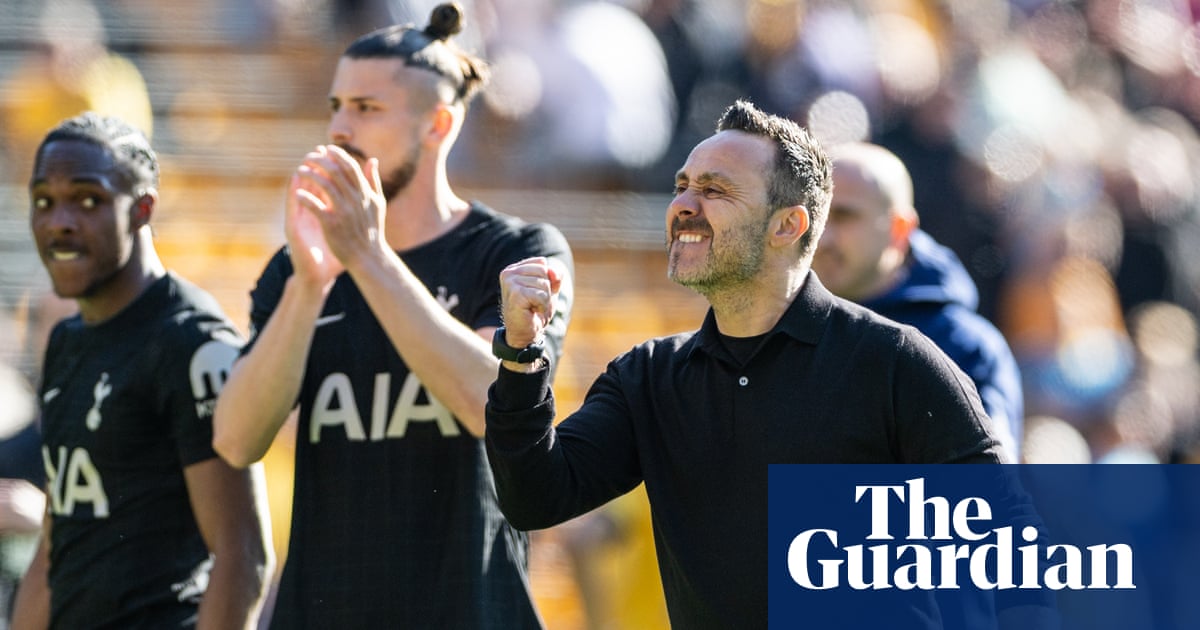
As the Guardian reported earlier today, the manager’s shift in rhetoric suggests a growing frustration with the squad's inability to maintain defensive shape in late-game scenarios. Defensive lapses during the Wolves fixture were exacerbated by the sudden transition to sub-par substitutes, exposing a lack of readiness in the second unit. The drop-off in output after Solanke exited the match was noticeable, with the attack losing its vertical threat entirely.
The math of survival
Staying strong in the head is the manager's mantra, yet stats show a sobering reality. With these two players sidelined, the probability of securing points in the next three rounds decreases significantly. The lack of reliable rotation options means that fatigue will likely affect the remaining starters, potentially leading to soft-tissue injuries before the campaign concludes in late May.
The club is currently trailing rivals due to West Ham’s recent form, leaving no margin for error or slow recoveries. Every training session between now and the next match will be monitored closely for further signs of breakdown. Failure to stabilize at the top end of the pitch will almost certainly seal an ignominious exit from the top flight, a scenario that would leave the organization in a state of administrative disarray.
Management needs to determine if pushing these players back into action ahead of schedule is a viable risk. While the need is 100 percent critical for league positioning, the long-term career viability of these assets cannot be ignored. Expect limited updates until late next week as the training staff concludes their diagnostic assessments.