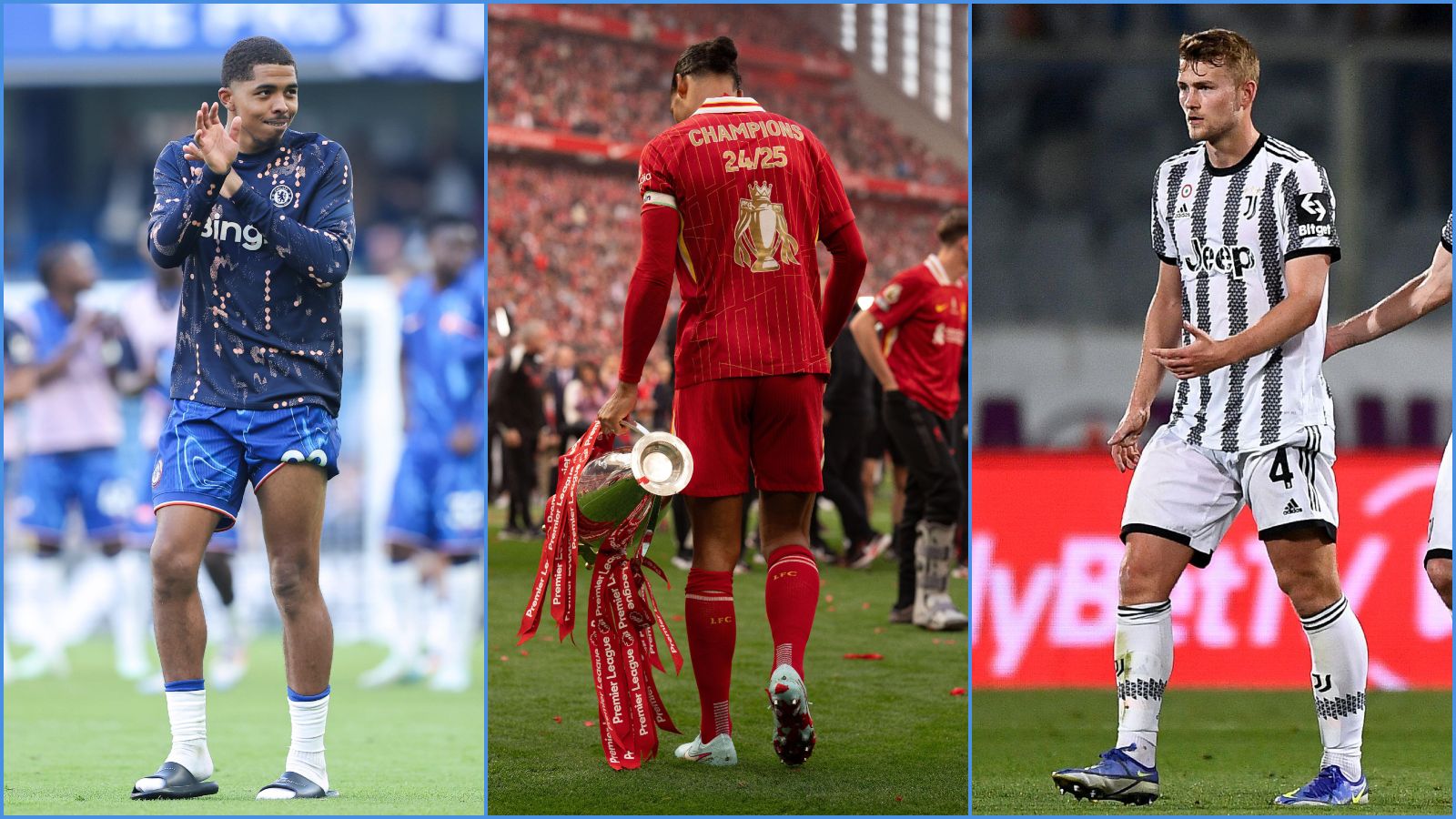
The ghosts of Old Trafford
The news cycle surrounding Sadio Mane has taken a sharp turn as reports confirm he once reached a verbal agreement with Manchester United before his eventual move to Anfield. It is a detail that keeps surfacing during transfer windows, acting as a reminder of how close the club came to securing a player who redefined the Premier League wing-back function. Mane’s ability to ghost into space between center-backs remains a nightmare for defensive coordinators.
His output during his tenure at Liverpool was clinical. Between 2016 and 2022, he logged 90 league goals with a conversion rate that rarely dipped. Watching him now, you see the same explosive change of pace, though he handles the ball with a slightly lower frequency than his peak years. If he triggers a move back to England, he is no longer the primary engine of a press, but a high-value tactical weapon off the bench.
The squad integration problem
Premier League managers frequently fall into the trap of signing legacy stars to solve immediate production gaps. Mane is currently 34 years old, and fitting his wage structure into a modern squad requires sacrifices elsewhere. Signing him is not necessarily a move for the future, but a desperate grab for short-term revenue and shirt sales. As The Mirror reported, the history between the player and United creates a peculiar narrative tension given their current roster needs.
Looking at the current United setup, the wings are already congested. Bringing in a player with his profile invites a bottleneck in the dressing room. You have to wonder if the internal data analytics team has run the regression models on his press-intensity stats. His decline in defensive tracking since leaving Merseyside is well-documented in scouting circles. Relying on him to fulfill a high-octane offensive duty for 90 minutes is a recipe for a sluggish final third.
Tactical regression or strategic masterclass?
The core issue remains the physical toll of 10 months of competitive football. Mane’s high-drag playstyle relies on rapid acceleration cycles that break down as cartilage ages. A return-to-play timeline in a league this demanding is brutal. If he arrives, the manager will need a specific plan for his minutes to avoid a mid-season fatigue collapse.
His experience at Liverpool was defined by his role in a fluid, high-pressing transition system. Expecting a different club to replicate those conditions is wishful thinking. Coaches who attempt to force him into a rigid, possession-heavy structure will find their output plummeting by the 15th matchday. The floor for this transfer is a locker room disruption; the ceiling is a veteran presence providing 10 key goals across a chaotic campaign.
My prediction? Mane signs with a mid-table side pushing for a European spot, not a title contender. He will score a winner against a top-four team, but the team will finish the season 7 points worse off than they would have by investing in a younger profile. It is a vanity move waiting to become a fiscal liability.
Read Next
- Manchester United's summer targets indicate a drastic midfield shift
- Why Sandro Tonali is the missing piece for Ange Postecoglou
- Marcus Rashford needs to stop acting like he's bigger than United
- Why Manchester United’s midfield hunt is stagnating in the U.S.
- 🇸🇳 Senegal World Cup 2026 — Lions of Teranga Hub