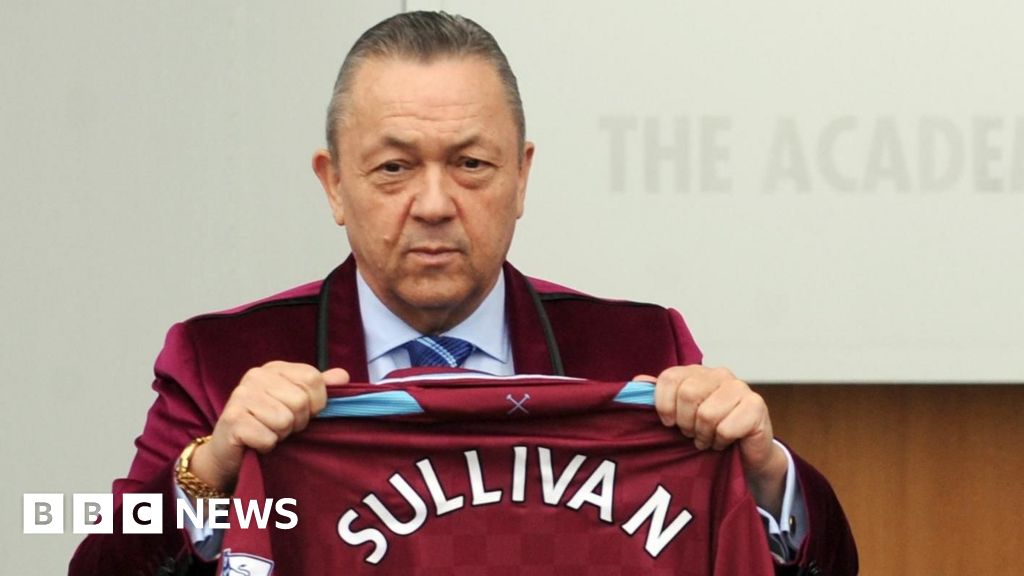
The breakdown in safeguarding communication
West Ham United is currently managing a significant internal crisis involving safeguarding restrictions placed on co-chairman David Sullivan. Recent reports confirm that neither the operators of London Stadium nor the West Ham women's team were formally notified that these restrictions were in place. This communication failure marks a damaging administrative oversight for a club that prides itself on professional hierarchy.
The restriction effectively creates a barrier between the ownership and key staff members. By failing to disclose these limitations to the building management or the women's team, the club has introduced avoidable operational liability. The stadium operators have openly expressed concern regarding the lack of transparency surrounding these protocols.
The strategic risk of poor internal governance
This development adds to the general unrest at the club as they navigate a transition period off the pitch. While the men's side continues to scout potential recruits like the 21-year-old Leyton Orient striker who netted 23 goals last season, the optics of the safeguarding situation are stalling momentum. Management must address how these vetting lapses reach the highest levels of the front office.
Observers of English football history note that administrative gaps like this often bleed into the transfer market. When a club appears disorganized off the field, agents take notice. Negotiating talent acquisition, such as the described interest from Championship sides like Swansea City, becomes significantly harder when the internal organization is under pressure.
Missing the mark on professional standards
It remains baffling that such critical information regarding ownership movement was not communicated to the personnel directly involved in stadium operations. Whether this was a legal oversight or a failure of basic communication channels, the end result is a black eye for the organization. The fact that the women's team staff was similarly in the dark is particularly egregious.
As BBC reporting notes, the ambiguity surrounding the restrictions invites secondary questions about club safety. If the goal of a formal restriction is to ensure a secure environment, failing to notify the hosts of that environment renders the measure largely ineffective. The club currently faces a high probability of increased external scrutiny from the FA.
The owner of West Ham United's home has raised concerns it was not told about safeguarding restrictions.
Looking at the broader trajectory, the club needs to stabilize these internal processes before the start of the next season. The search for a new striker, while necessary, is currently being overshadowed by the investigation into who knew what and when. Without a clear path to resolution, this incident will likely dominate board meetings throughout the summer.
Competitors like Bristol City will monitor the situation closely to see if ownership distraction hurts the club's bottom line. If the front office remains preoccupied with safeguarding compliance and internal blame-shifting, the squad depth could suffer. This is an avoidable error the board should have managed correctly from the start.