Tara Warren excluded from Sullivan inquiry
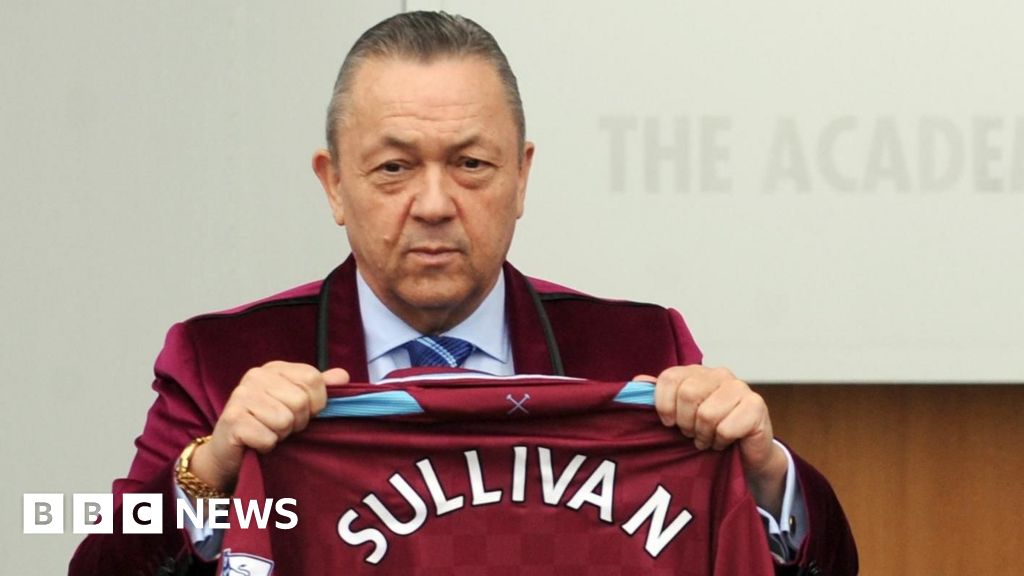
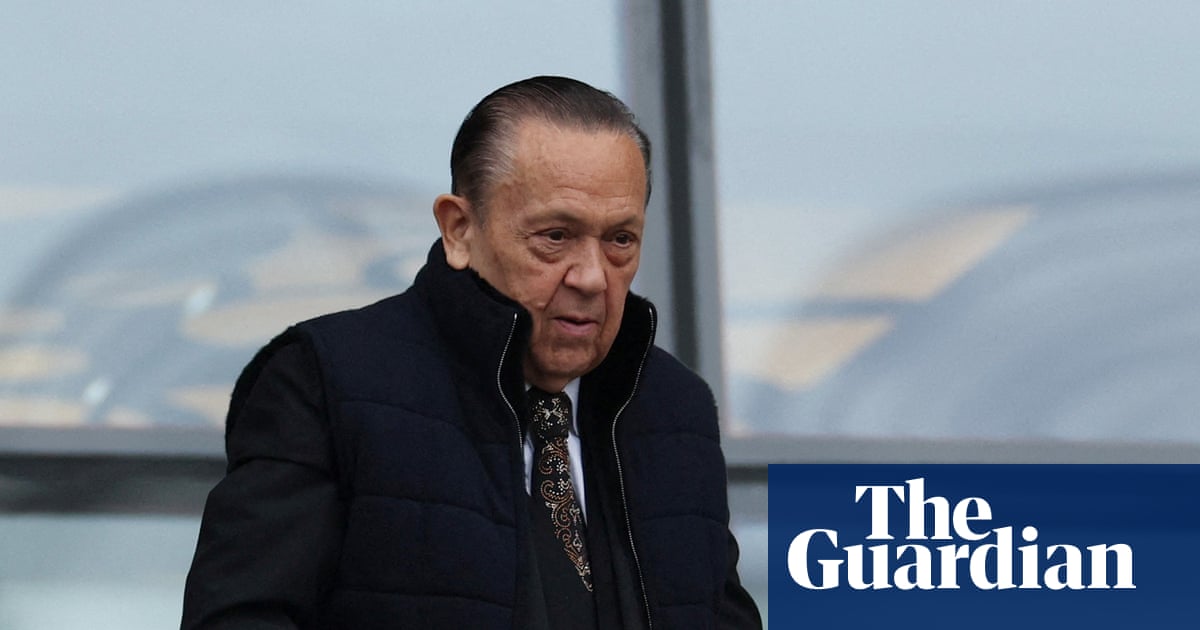
The integrity of the ongoing investigation into West Ham United co-owner David Sullivan has hit a procedural snag. Tara Warren, currently a non-executive director at the Independent Football Regulator, has been formally removed from the inquiry team to mitigate potential conflicts of interest.
Warren served as an executive director at West Ham until December. This institutional proximity to the club ownership created an immediate red flag for those overseeing the allegations of sexual misconduct directed at the board member. By stepping aside, the governing body aims to maintain the firewall between the club’s past leadership and current regulatory oversight.
The mechanism of the Independent Football Regulator
This inquiry marks one of the first major stress tests for the Independent Football Regulator structure. The regulator was designed to act as an objective arbiter, but personnel overlap continues to complicate these high-profile investigations. Finding senior staff with deep industry knowledge who lack historical connections to the Premier League's biggest outfits is proving to be a logistical nightmare.
Removing Warren is a necessary move to protect the inquiry’s credibility. Public trust in these investigative bodies hinges on the perception of total neutrality. Any sign of internal bias would likely render the final report toothless, especially given the sensitivity of the allegations against Sullivan, who has been a central figure in East London football since 2010.
Historical context and broader industry optics
Football governance has traditionally struggled with self-policing, often circling wagons when executive conduct is questioned. This specific removal signals that the regulator is attempting to avoid the systemic failures of previous oversight regimes. However, the appointment process itself is now under scrutiny for failing to identify these conflicts before the investigation entered its active phase.
Opposing clubs and vocal fan groups are watching this inquiry closely. If the process is perceived as compromised, the legitimacy of the regulator will be openly debated in the boardrooms of the other 19 Premier League teams. The administrative shuffle in the June 12 update confirms the regulator is at least identifying these conflicts early, but the delay adds uncertainty to a process that requires speed to ensure public accountability.
Operational risks and future assessments
The removal of a non-executive director from a high-stakes file leaves a gap that must be filled by an external counsel or a neutral party. This adds another layer of bureaucracy to an already slow-moving machine. The previous executive experience held by regulators creates a revolving door that critics argue keeps the old guard in control of the new systems.
The current timeline for the Sullivan inquiry remains internal, with no firm date for a final determination. The industry is looking for clear, decisive action that doesn't rely on the same network of club-connected elites. If the regulator cannot staff this inquiry with personnel lacking ties to the club in question, it risks failure before its most important report even surfaces. Accuracy and neutrality are the only currencies that matter here, and the regulatory body is currently fighting to maintain both.