The ownership crisis at London Stadium
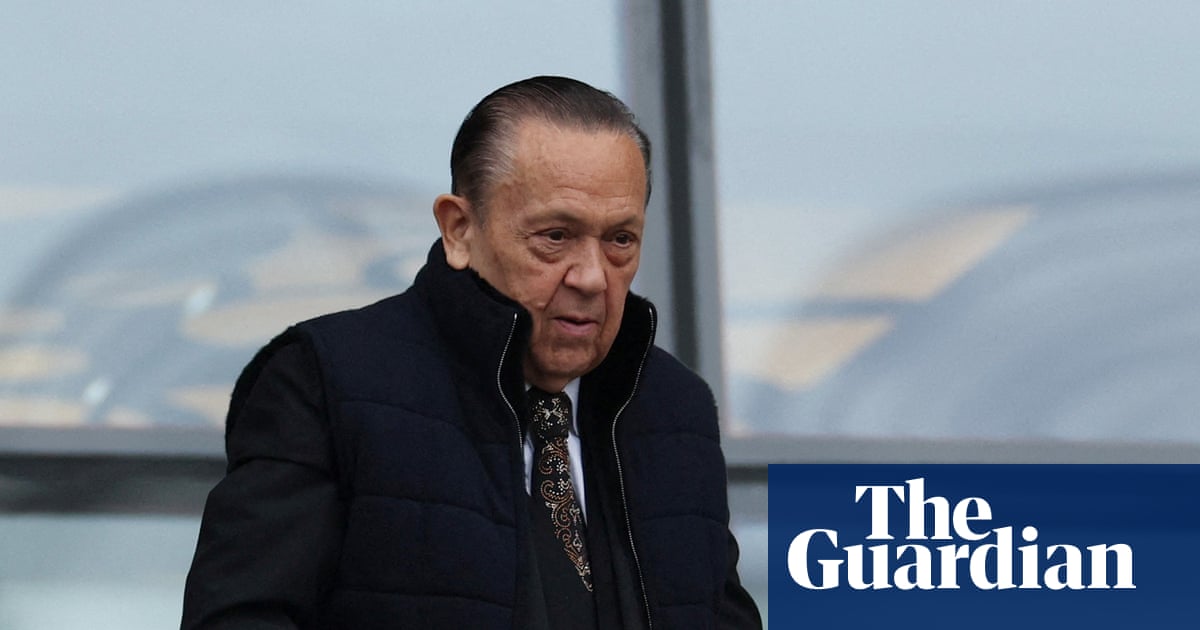
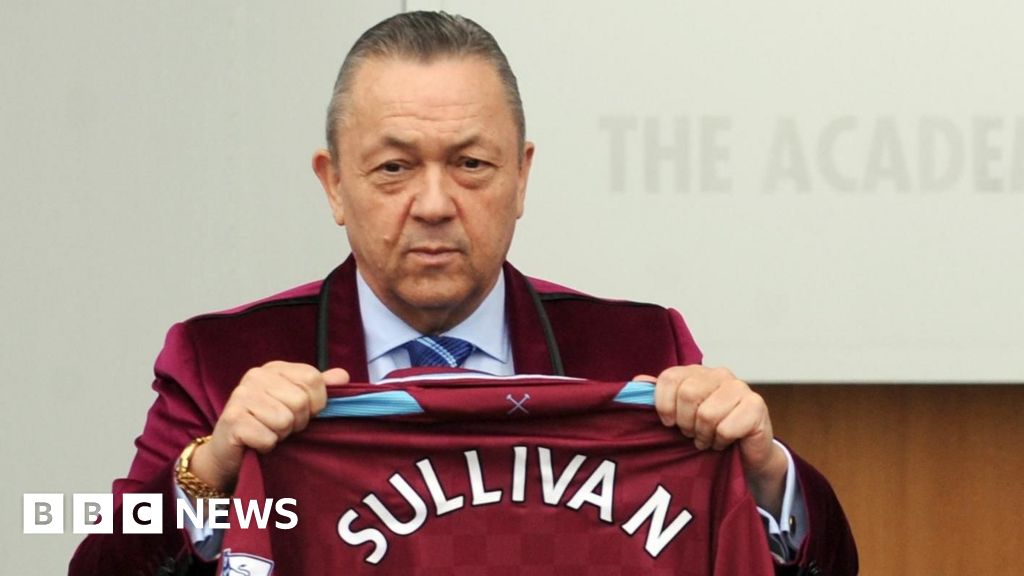
For a club currently preparing to navigate a volatile post-season, the news breaking this week concerning majority owner David Sullivan is catastrophic for organizational morale. As The Guardian reported, Sullivan has been under significant restrictions regarding his interaction with the women’s and youth segments of the club since 2023.
This is not a sudden development. The Football Association initiated a safeguarding investigation three years ago following historical allegations brought to the attention of officials. While the headlines today center on these restrictions, the governance implications for West Ham United are immense.
The Sport newspaper controversy
The situation intensified significantly over the last 48 hours. Reports surfacing on June 9 highlighted that Sullivan’s former Sport newspapers allegedly utilized sexualized images of underage individuals to attract predatory readers. This has drawn sharp condemnation from the former victims’ commissioner, Vera Baird.
The damage to the club’s institutional reputation is moving beyond mere PR mismanagement. When ownership is linked to such incendiary allegations, the ability to conduct standard business—recruitment, commercial partnerships, and stadium operations—becomes severely compromised. Professional players and incoming staff conduct rigorous due diligence; few will be eager to anchor their careers to a club with an ownership structure currently under these specific clouds of scrutiny.
Operational silence and the path forward
Sullivan has already stood down from his role as co-chair, a move intended to buffer the club from the fallout of the FA’s ongoing inquiry. However, the operational reality is grim. Being effectively banned from youth and women’s match-day environments creates a vacuum in leadership continuity for those departments.
As noted by the Daily Mail, this 'temporary agreement' with the FA has been the status quo for three years. The persistent nature of this investigation suggests that a swift resolution from the governing body is unlikely. For the men’s first team, this implies a period of extreme uncertainty during a delicate transfer window where the club needs stability to compete for signings.
Assessment of organizational impact
The probability of this situation forcing a change in the club’s majority share structure in the next 12 months is high. Investors typically flee from such levels of public and regulatory heat. The club faces a critical crossroads where the ownership must decide if they are a net positive or an active liability to the team’s long-term competitive aspirations.
Any potential buyer entering the market will be deterred by the complexity of these investigations. If the FA were to issue a formal sanction or permanent ban, the club will effectively be forced into a fire-sale scenario. The age of 77 often dictates a natural exit point for owners, but the current circumstances accelerate that timeline with brutal efficiency.
The total cost to the club’s brand in the interim is impossible to quantify in a spreadsheet. Sponsors monitor these developments with the sensitivity of a 5 basis point shift in interest rates. West Ham is currently operating in a defensive crouch, and until the ownership question is resolved, every piece of recruitment news will be secondary to the survival of the club’s moral authority.