The Gavel Falls on a Grim Chapter
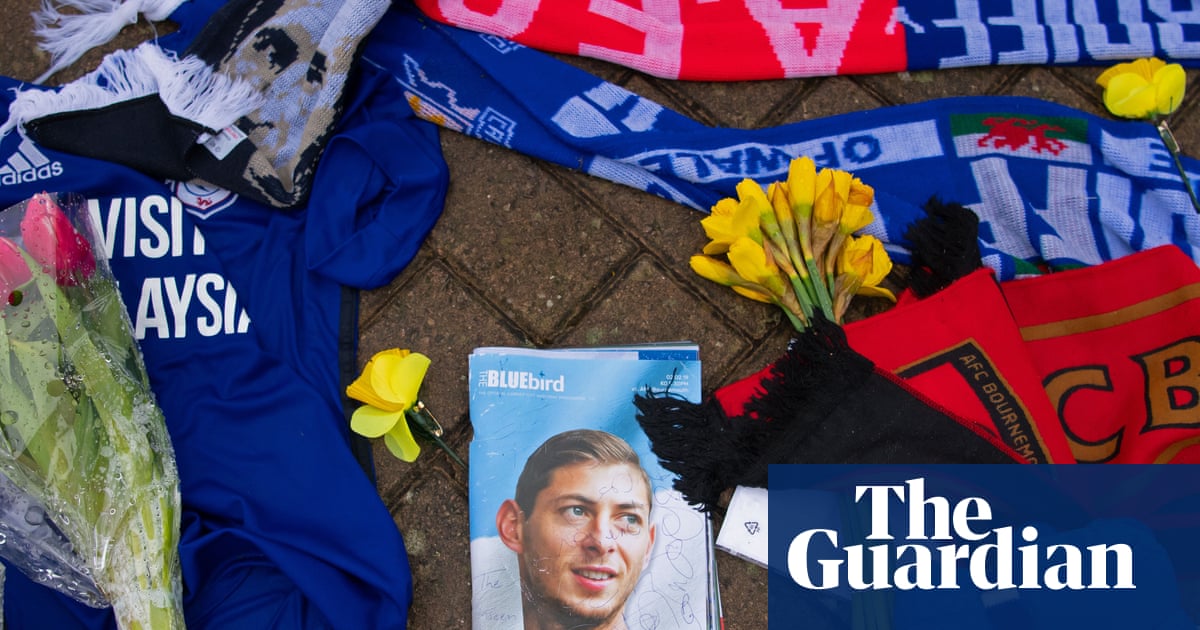
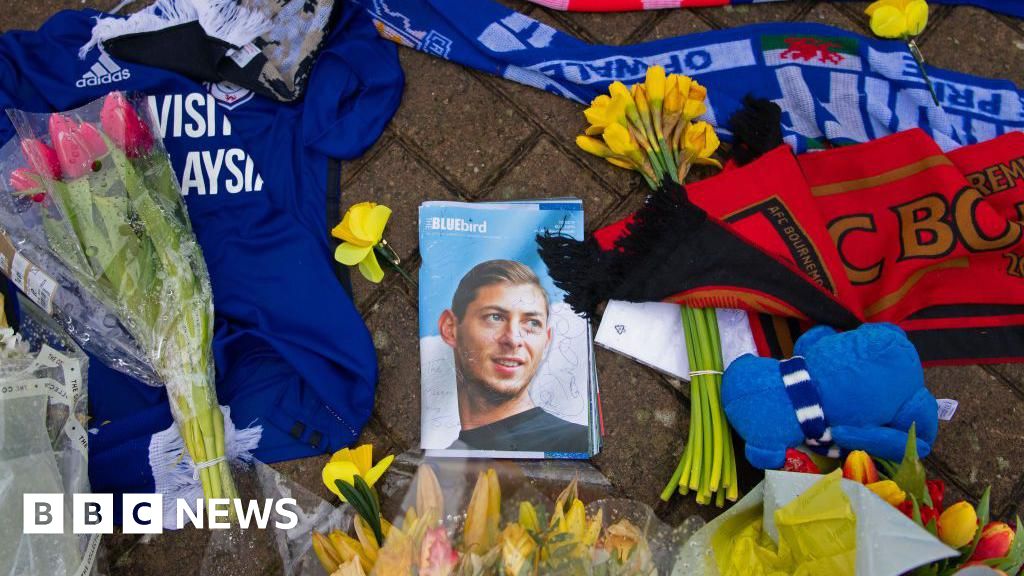
The news, when it finally arrived on Monday, felt less like a bombshell and more like the quiet, exhausted sigh at the end of a marathon nobody wanted to run. A commercial court in Nantes has officially dismissed Cardiff City's monumental compensation claim against FC Nantes. The legal battle over the tragic death of Emiliano Sala is, for all intents and purposes, over.
Seven years. It's a period of time that can feel like an eternity in football, and yet the dispute has dragged on for that long, a constant, ugly footnote to a tragedy. The court's decision was decisive, throwing out the Welsh club's claim for more than £100m in damages, a figure some reports pegged as high as £104m.
A Pyrrhic Victory at Best
For Cardiff, the outcome is a financial and legal dead end. Not only is the claim for damages gone, but the club now finds itself on the hook for approximately £400,000. It’s a costly end to a battle they pursued with grim determination through multiple legal arenas.
But to call this a "win" for Nantes feels wrong. The entire affair has been a stain on the sport. The fight, as detailed by reports from the BBC and others, became a bitter public squabble over liability, transfer fees, and insurance payments. The human element—the loss of a young man about to embark on his Premier League dream—often felt secondary to the balance sheets.
The Heart of the Matter
This was never a simple case. The core of Cardiff's argument was that Sala was not officially their player when the plane crashed in January 2019, and therefore Nantes should bear the financial brunt of the lost transfer value. The court, however, has consistently rejected this line of reasoning.
This final ruling in a French commercial court feels like the last word. It affirms previous decisions and leaves Cardiff with few, if any, avenues for appeal. The legal wrangling is over, but the memory of how it was handled will linger.
The Real Cost
The most critical observation one can make is how profoundly distasteful the entire saga has been. While clubs are businesses, the relentless legal fighting felt cold and callous in the face of a human tragedy. It turned a player's death into a line item in a financial dispute.
There are no winners here. Not the clubs, whose reputations have been bruised by the public feud. Not the sport, which had to witness one of its darkest moments devolve into a protracted legal farce. And certainly not the family of Emiliano Sala, who had to endure this squabble playing out in the background of their grief. The court case is over. But the shame of it all shouldn't be forgotten so quickly.