The end of the beautiful game
It is Tuesday, April 14, 2026. The Champions League quarter-finals are literally kicking off tonight. Real Madrid is currently preparing to do whatever dark magic Carlo Ancelotti conjures up with a raised left eyebrow. Arsenal fans are likely having a collective meltdown over a minor hamstring tweak to a rotation midfielder. But if you open your phone right now, what is the actual top story dominating the group chats?
It is not a thirty-yard screamer. It is not a shocking managerial sacking. It is a headline screaming about a four-time Premier League club facing a points deduction over financial rules. A deduction that could potentially trigger their relegation.
We have successfully broken the beautiful game. We no longer watch football matches. We watch balance sheets.
Let's talk about the absolute farce that Profitability and Sustainability Rules have turned into. If you want to know how grim things have gotten, look at the state of football media. We used to spend our Tuesdays loudly arguing in pubs about whether a wild tackle was a red card or just a hard foul. Now? We have prominent pundits standing in front of giant touchscreens breaking down the amortisation schedules of backup wingers. We have fans on social media tracking private jets, not to see which star striker is signing on deadline day, but to see if a club executive is flying to Switzerland to argue with an independent commission.
The Accountants League
Remember when Everton got docked points back in the 2023-24 season? That was the canary in the coal mine. Then Nottingham Forest got hit. Suddenly, the entire league woke up to the terrifying reality that Richard Masters and the Premier League suits were not bluffing. They had built a bureaucratic machine designed to punish ambition, and they were finally turning the key.
The rules dictate that a club cannot lose more than £105 million over a rolling three-year period. On paper, to a normal human being, that sounds like a staggering amount of money. In the hyper-inflated reality of modern football, where a totally unproven teenager from Brazil costs forty million quid before he even gets a driver's license, it is a suffocating constraint.
The original stated goal of these financial regulations was genuinely noble. It was supposed to stop historic community assets from going out of business. Nobody ever wanted to see another Portsmouth sliding down the divisions in administration, or a Bury getting wiped off the footballing map entirely.
But that is emphatically not what these rules are doing in practice. They are not saving clubs from bankruptcy. They are freezing the hierarchy perfectly in place.
The Death of the Cinderella Story
Think about Leicester City winning the title in 2016. It was the greatest miracle in the history of modern sports. That exact scenario cannot happen today. It is mathematically impossible under the current regulatory regime.
If a newly promoted team tries to invest heavily to bridge the massive, cavernous quality gap between the Championship and the established top six, they are immediately flagged. They are dragged into a windowless room for a tribunal. They are handed a points deduction that guarantees their relegation anyway. You are permitted to exist in the Premier League, but you are not allowed to actually try and win it unless your global revenue was already massive a decade ago.
Newcastle United has the financial backing of the Saudi Public Investment Fund. They are, in theory, the wealthiest club on the planet. Yet, to comply with the rules last summer, they had to frantically offload promising talent just to balance the books. They had to sell Yankuba Minteh to Brighton. They constantly sweat over the June 30 accounting deadline like college students cramming for a final exam.
Even Aston Villa, a club that did everything right, qualified for the Champions League, and played brilliant football under Unai Emery, had to sell Douglas Luiz to Juventus. They reached the pinnacle of European football and their reward was an immediate mandate to strip their midfield for parts to appease the spreadsheets.
When the most successful overachievers are forced to operate like a high-end pawn shop just to avoid a points deduction, your financial rules are utterly broken.
The Pure Profit Loophole
The sheer desperation to comply has birthed the ugliest trend in modern football: the academy player swap.
Because of the twisted way football accounting actually works, selling an academy graduate represents pure profit on the balance sheet. Selling a player you bought for fifty million only registers as a profit if you sell him for more than his remaining book value. But the kid who grew up down the street? He costs nothing on the books. So selling him is a literal cheat code to fix your PSR deficit.
This led to the absurd spectacle of clubs trading random youth players for wildly inflated fees just days before the financial year ended. Aston Villa and Everton trading Tim Iroegbunam and Lewis Dobbin was peak modern football nonsense. Neither player was brought in to revolutionize the starting eleven. They were brought in to save the math. Chelsea essentially did the same thing with Omari Kellyman.
We are treating human beings, young players who grew up dreaming of playing for their boyhood clubs, like carbon credits. It is cynical, it is depressing, and it has absolutely nothing to do with sporting merit. It is an insult to the fans who actually care about the academy system.
Todd Boehly and the Hotel Hustle
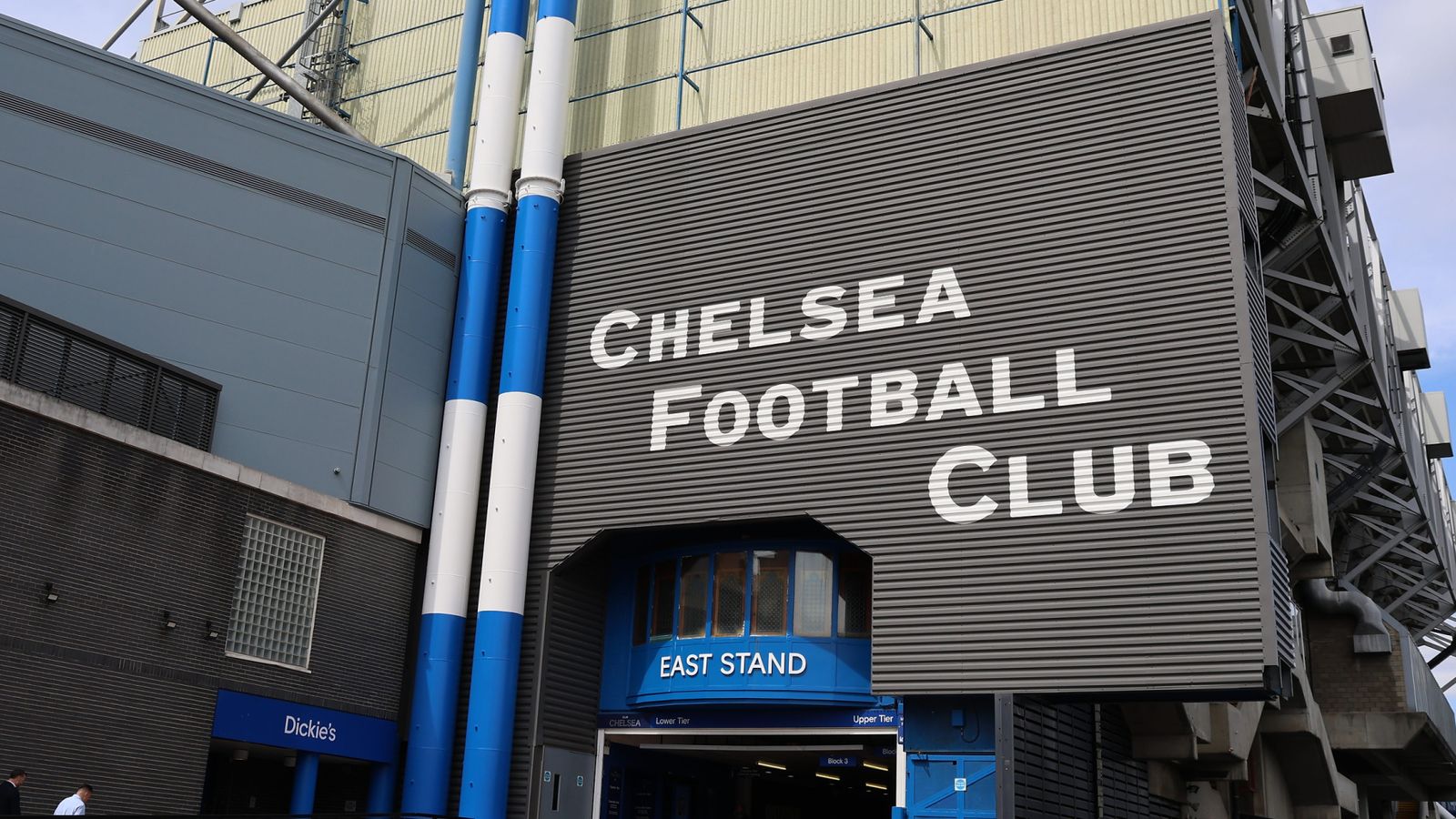
If you want a true villain in this story, you have to look directly at Stamford Bridge. The Chelsea ownership group walked into London and treated the transfer market like a drunken night at a Vegas casino.
They handed out eight-year contracts to players who had half a good season in a weaker league. Mykhailo Mudryk is locked into a deal that will outlast most modern marriages. They spent well over a billion pounds and managed to build a bloated squad that routinely looked completely disjointed on the pitch.
But when the PSR reaper came knocking for them, did Chelsea face the music? No. They found a technicality. To balance the books, Chelsea literally sold their own hotel to another company controlled by their own ownership group.
I am not making that up. That is not a sarcastic joke for this article. That actually happened.
They sold property to themselves to generate paper profit so they wouldn't get a points deduction. And the Premier League waved it through. How are fans of Everton, Nottingham Forest, or Leicester supposed to look at that and feel like they are participating in a fair, sporting competition? You get docked points for overspending on a gritty striker to survive a relegation battle, but a billion-dollar conglomerate can just shuffle real estate deeds around a boardroom to avoid punishment.
The 115-Charge Gorilla
Which brings us to the ultimate source of extreme cynicism. You cannot write about points deductions, financial rules, and the threat of relegation without mentioning Manchester City.
They are the four-in-a-row champions. They are the dominant force of the modern era. And they are a club that has had a staggering 115 charges hanging over their head for years.
The contrast is what drives opposing fans completely insane. A mid-table club commits a minor financial breach and the independent commission drops the hammer in a matter of months. Everton got zero leniency. Meanwhile, the legal battle involving the champions has dragged on longer than a prestige television drama. City vehemently maintains their absolute innocence, and their army of lawyers fights every single technicality in a brutal trench war of attrition.
The average match-going fan doesn't understand the intricacies of associated party transactions or deferred image rights payments. What they understand is that the system feels completely rigged. They see a glaring two-tier justice system where the small clubs get relegated swiftly and the giant clubs get tied up in endless, highly paid litigation. It makes a mockery of the league table.
What Are We Even Doing Here?
So now we sit here in mid-April. We are supposed to be enjoying the massive climax of the season. We should be loudly debating tactical setups, analyzing striker form, and arguing in the pub about who truly deserves the Player of the Year award.
Instead, we are terrified of Friday afternoon press releases from the Premier League headquarters.
When your team scores a brilliant last-minute winner to climb out of the bottom three, you can't even celebrate properly anymore. The spontaneous joy is dead. First, you have to wait for VAR to spend three minutes drawing geometry lines to see if a striker's armpit hair was technically offside. Then, you have to wait for a tribunal in London to decide if your club's amortised transfer debt from 2023 breached the allowable limit by a few million quid.
Relegation used to be a footballing tragedy decided on the grass. You weren't good enough. Your defense leaked terrible goals. Your striker couldn't hit a barn door from six yards away. It hurt, it ruined your weekend, but it was fair. It was sports.
Now? Relegation is a boardroom error. It is a failure of creative accounting. The threat hanging over this four-time Premier League club isn't about their current manager's tactics or a lack of effort from the players. It is about a spreadsheet error made three years ago by a Chief Financial Officer who probably doesn't even work there anymore.
We are no longer watching a sport. We are watching a heavily litigated financial exhibition with a ball involved occasionally.
The Premier League desperately wanted to create a sustainable product that would print money forever. Instead, they created a sterile, bureaucratic nightmare where the most important people at the club aren't the scouts who find the talent or the coaches who develop it. The most important people are the lawyers.
And the absolute worst part about modern football? The lawyers always win.