The Gavel Falls on a Grim Chapter
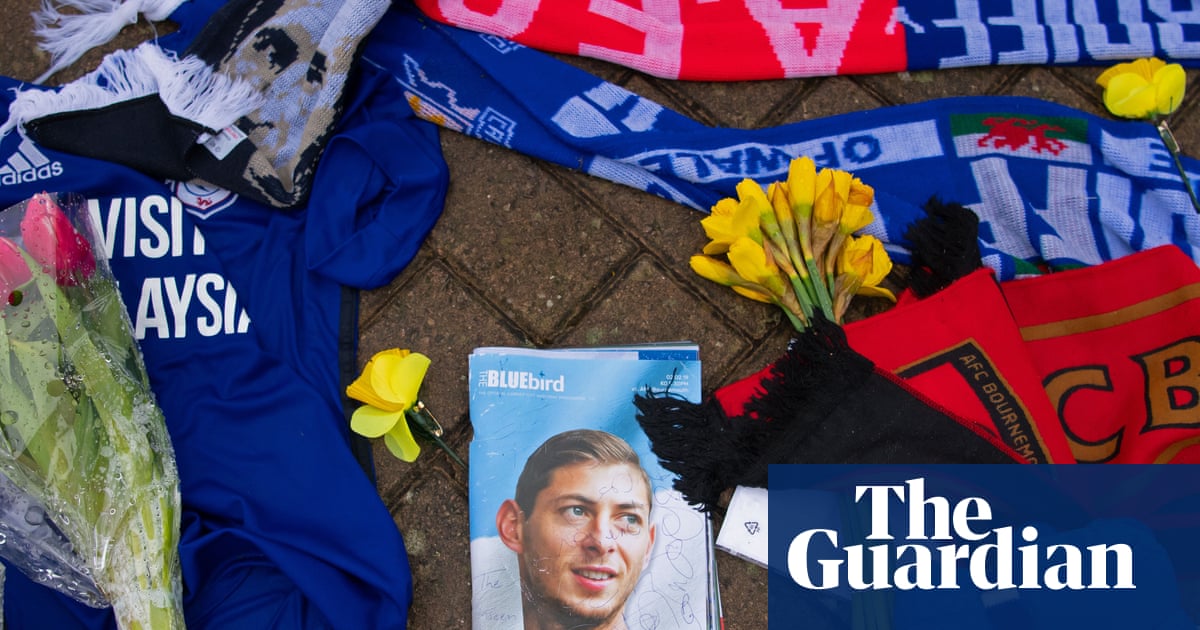
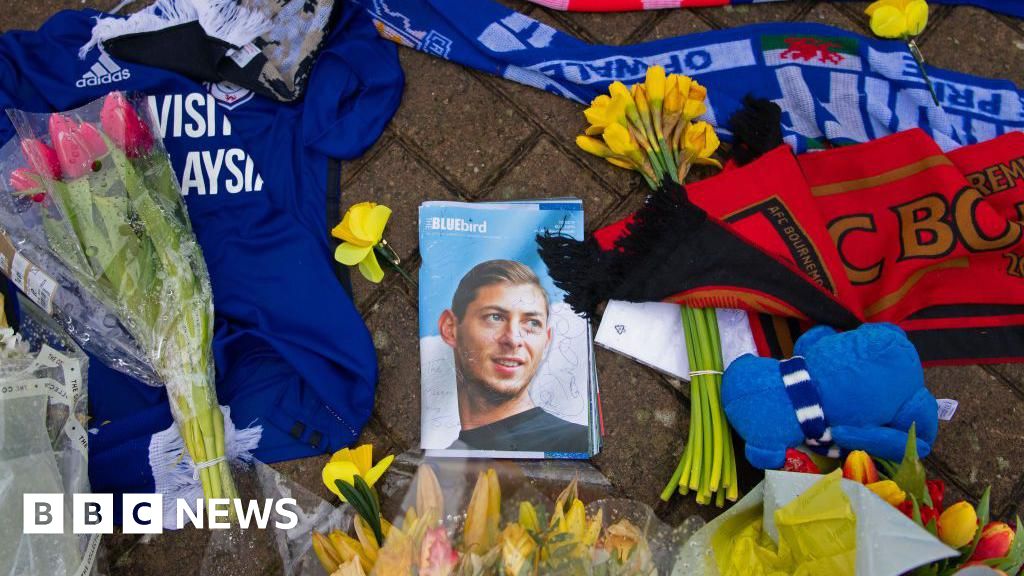
The news, when it finally arrived on Monday, felt less like a bombshell and more like the quiet, exhausted sigh at the end of a marathon nobody wanted to run. A commercial court in Nantes has officially dismissed Cardiff City's monumental compensation claim against FC Nantes. The legal battle over the tragic death of Emiliano Sala is, for all intents and purposes, over.
The figures involved were staggering. Cardiff sought more than £100m, a sum reflecting not just the transfer fee but the perceived on-pitch value Sala would have brought in their desperate, and ultimately failed, Premier League survival bid back in 2019. Now, not only has that claim been thrown out, but Cardiff finds itself on the hook for some £400,000 in legal costs. The final insult in a saga defined by them.
A Victory for Who, Exactly?
Let's be brutally clear: there are no winners here. Not the court, not the lawyers, and certainly not the two football clubs who have dragged the memory of a dead man through a seven-year public squabble over money. The only feeling is a profound sense of waste. Waste of time, waste of resources, and a tragic waste of an opportunity to handle a disaster with dignity.
FC Nantes will feel a sense of legal vindication, but what does that truly amount to? Their name has been tied to this grim affair for years. Cardiff City, meanwhile, has suffered a catastrophic miscalculation. What began as a potential financial strategy has ended in a public relations nightmare, a significant financial penalty, and the appearance of a club that valued a potential lawsuit over the human element of the tragedy.
The decision to pursue this course of action for so long will surely be a subject of intense scrutiny inside the club. At every stage, they had the opportunity to step back, to find a different path, to build a bridge rather than a legal battering ram. They chose the latter, and have now been handed a bill for their troubles.
The Dehumanisation of the Transfer Market
This entire affair serves as a horrifying monument to the modern transfer market's ugliest tendencies. It's a world where a human being, a talented professional at the peak of his career, can be instantly re-categorised as a disputed asset. The conversation, almost from the moment the plane's wreckage was discovered, shifted from grief to liability. Who was responsible? Who had insured the player? Whose financial ledger would take the hit?
Emiliano Sala was on his way to his dream: a move to the Premier League. He was a person, a son, a teammate. Yet for seven long years, his name has been invoked most frequently in legal filings and courtroom arguments. He became a case number, a line item in a damages claim. It is a grotesque transformation that should force everyone in the sport to look in the mirror.
The systems and incentives of professional football facilitated this. The vast sums of money, the high stakes of promotion and relegation, the complex network of agents and intermediaries—it all creates an environment where the human being at the center of the transaction can become an afterthought. This case is the most extreme and tragic example imaginable.
A Final, Bitter Verdict
There is no upcoming match to preview, no tactical battle to analyse. The only verdict that matters today is the one that closes this shameful chapter. My prediction is not about points or trophies, but about legacy. The legacy of this affair is one of sadness and distaste. It is a story of how not to respond to a tragedy, a lesson in how quickly the business of football can poison the spirit of the game.
The best and only decent thing Cardiff City and FC Nantes can do now is accept this ruling in silence. There should be no more statements, no more veiled accusations, no more appeals. The time for fighting is long past. The money is gone. The only thing left to salvage is a modicum of respect for the man whose life was lost.
Perhaps now, clubs will think twice. Perhaps they will look at their players not just as assets on a balance sheet, but as people. Perhaps they will see that some fights are not worth having, and that some losses can never be measured in pounds or euros. That, more than any court ruling, is the only constructive outcome one could possibly hope for.