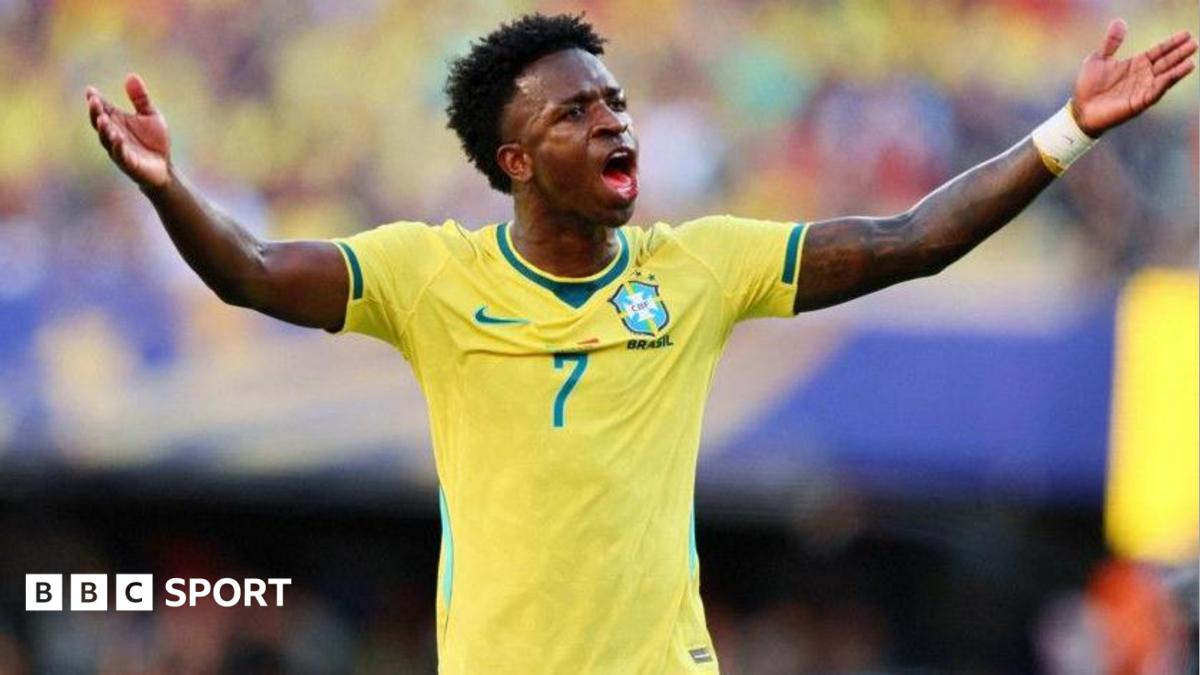
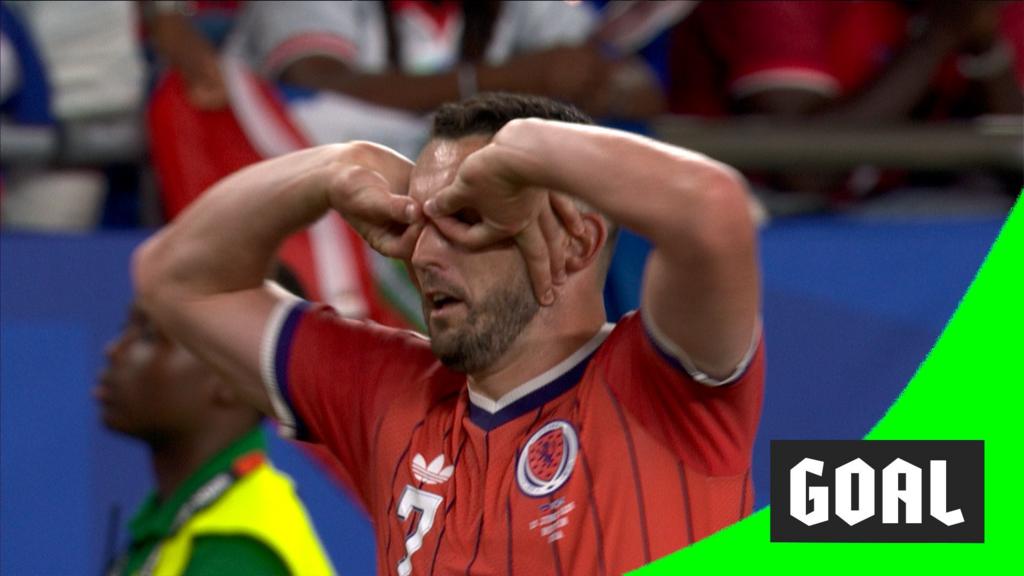
Broadcast blackout mars Scotland opening performance
The Scotland national team faced a disastrous start to their World Cup campaign today, June 14, 2026. The match against Haiti, meant to be the team's showcase for international prestige, suffered from a total broadcast failure that left fans in the dark during the middle of the game.
As reported by the Mirror, the BBC issued a formal apology after the live feed cut out abruptly. This is a severe failure for a World Cup group opener. Professional production standards demand redundancy, yet millions watching were left staring at static screens or error messages at a critical juncture in the second half.
Injury updates and squad stability
Beyond the technical failure, the actual match performance raised deeper concerns regarding squad fitness. The intensity of the high-pressing system employed by the manager has placed an outsized burden on the midfield core. Reports from the touchline indicate that two starters are undergoing assessment for lower-body fatigue.
Historically, Scotland has struggled to balance its aggressive transition play with the required physical longevity for tournament football. We saw similar issues during the qualification stages, where key players suffered soft-tissue injuries due to lack of rotation. The staff must adapt quickly or risk exhausting the squad by the end of the group phase.
The strategic cost of mismanagement
The lack of depth remains the single biggest liability for this roster. Relying on an aging veteran squad to maintain 90-minute energy levels in a summer tournament is a high-risk gamble. If the training load is not curtailed immediately, the recovery window for the next fixture will be dangerously short.
Critics point to the lack of integration for younger substitutes as a failure in managerial planning. When a match hits the 75th minute and the starters are visibly flagging, there should be a tactical secondary plan ready to execute. Instead, we witnessed disjointed play that allowed Haiti to dictate the pace of the final ten minutes.
Industry impact of broadcast instability
The broadcast failure is not an isolated incident; it serves as a wake-up call for how these networks handle peak traffic during international events. Revenue streams depend on consistent delivery. When the feed drops, the commercial value of the game evaporates instantly along with the viewer trust.
Competitors like ITV and Sky Sports often maintain secondary satellite fail-safes to ensure uptime. The lack of such a protocol here suggests either extreme negligence or under-investment in the digital delivery arm. Fans pay for high-quality coverage; they are not getting it at the standard required for a tournament of this scale.
Moving forward under pressure
The team travels to the training complex tomorrow for an assessment of the knocks sustained in today's match. The manager needs to decide if he will sacrifice the tactical shape to protect the players' health. If he sticks to the same personnel, the fatigue will likely manifest as unforced errors in the defensive third.
The margin for error is effectively zero now. With the points split potentially looming, Scotland must secure a result in the next match to stay relevant. Any further injuries will force a squad recalibration that they are currently unprepared to manage. The technical staff is now racing to fix both the team's recovery protocols and the reputation of the coverage broadcast.
Read Next
- Scotland are playing with fire against Haiti
- Scotland’s path to the World Cup starts with a massive headache
- Haiti's 52-year World Cup wait is a tactical anomaly
- Haiti vs Scotland: Why you shouldn't sleep on this World Cup opener
- 🏆 World Cup 2026 — Full Coverage Hub
- 🏴 Scotland World Cup 2026 — Tartan Army Hub
- 🇧🇷 WC 2026 Group C — Brazil, Morocco, Scotland, Haiti