The Vinicius Jr dependent trap
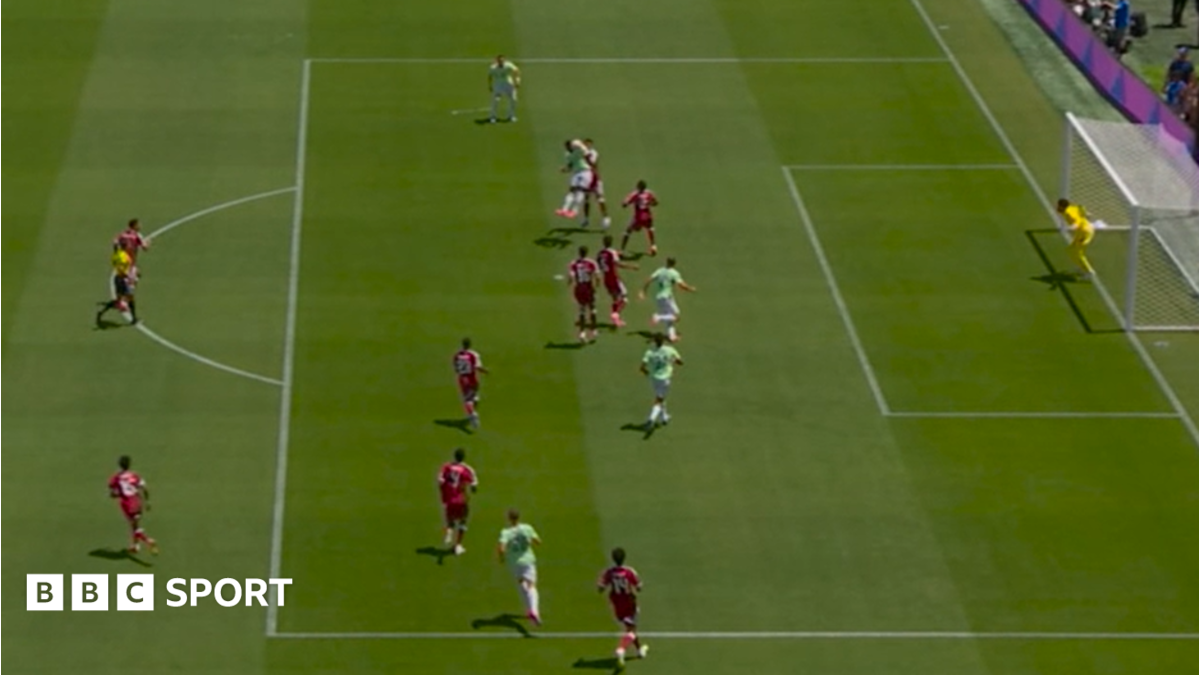
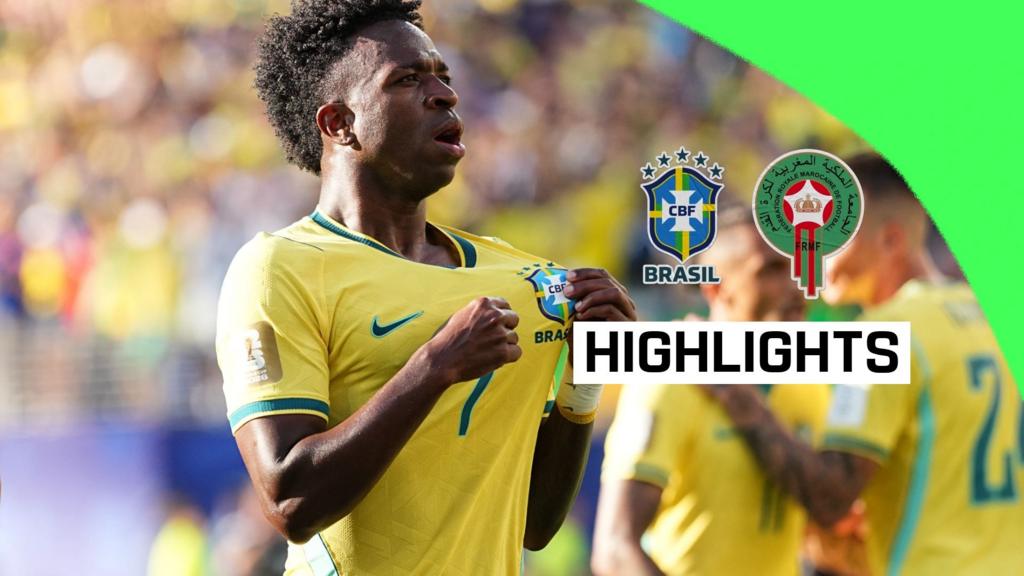
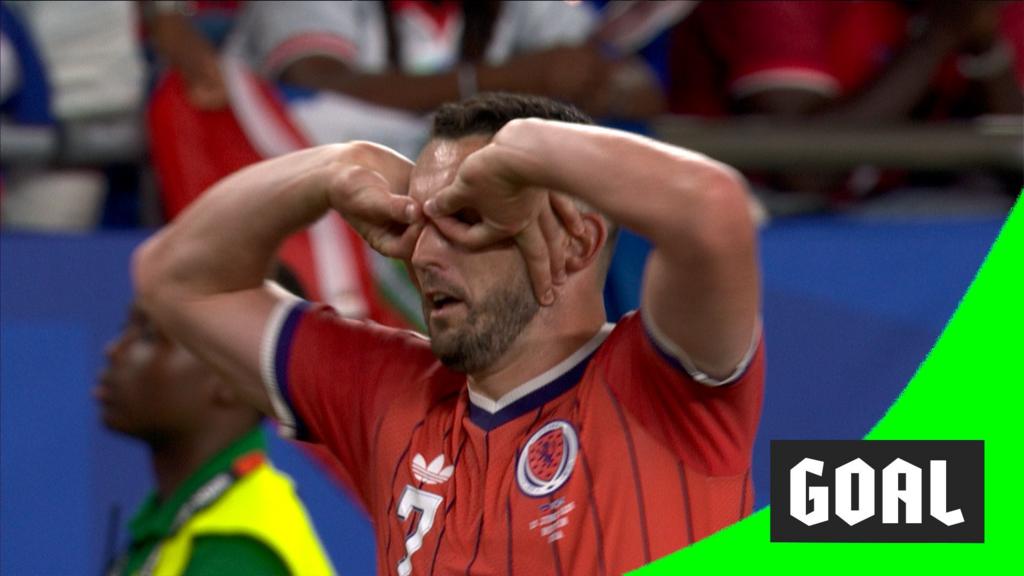
Watching Brazil navigate their recent 1-1 draw against Morocco was an exercise in frustration for anyone seeking structural coherence. The individual brilliance of Vinicius Jr provided the spark that led to his stunning 74th minute wonder goal, but that moment of magic masks a deeper, recurring issue in the national setup. The squad appears to have abandoned refined build-up play in favor of waiting for a solo flash of brilliance.
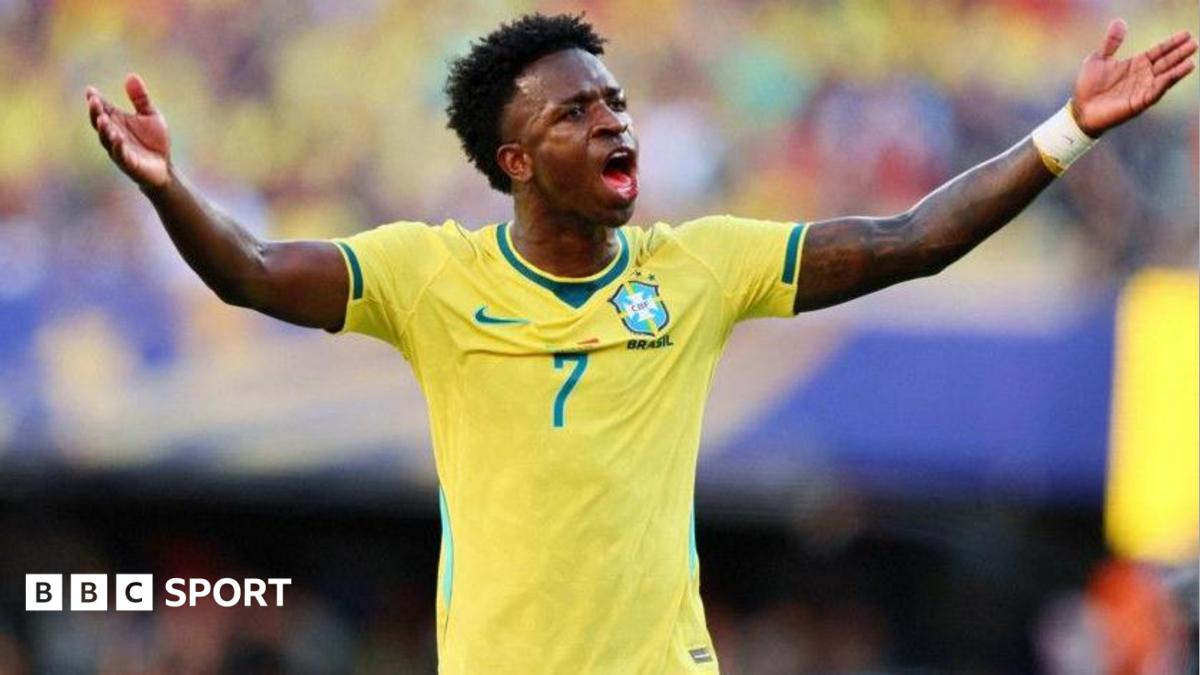
As the BBC recently highlighted, the reliance on Vinicius to bail out the team is no longer a sustainable strategy for major tournament football. When he is doubled or tripled-teamed, the offensive output craters. The lack of interior movement from the midfield makes the attacking third feel claustrophobic rather than creative.
Midfield spacing and defensive triggers
The transition game under pressure remains a significant concern. Against Morocco, Brazil’s central engine was bypassed with alarming frequency. The passing completion rates in the final third hovered near a mediocre 72%, a figure that suggests the creative links between the wingers and the number nine are failing to connect under sustained pressure.
Defensively, the team continues to suffer from poor horizontal coverage. Opponents are finding massive pockets of space between the center backs and the fullbacks. If they do not tighten the vertical distance between the defensive line and the holding midfielder, they will be shredded by more clinical sides who punish disjointed pressing triggers.
The creative vacuum in the final third
There is a troubling lack of diversity in Brazil’s attacking patterns. Watching the film, you see the same repetitive sequence: dump the ball out wide to Vinicius, hope for a one-on-one, drift inside, and shoot. It is predictable, stagnant, and easy for any organized defensive unit to scout and dismantle. The team needs to incorporate more overlapping runs from the fullbacks to drag defenders out of their designated zones.
Vinicius Jr scores a wonder goal to rescue his side but Brazil's performance against Morocco raises more questions than answers.
The scouting report for future opponents is now incredibly straightforward: jam the left channel and force the ball through the center where communication remains disjointed. Until the manager demands more discipline in positional play, Brazil remains a group of stars rather than a cohesive unit. The talent is undeniable, but it is currently being wasted in a formation that asks too much of one individual.
Tactical prognosis for the next window
The upcoming matches represent a clear fork in the road for this squad. If they persist with the current setup, expect further dropped points against disciplined low-block teams that force them to create through the middle. A change in formation, perhaps moving to a 4-3-3 with a more mobile inverted winger on the right, could fix the spacing issues currently strangling the attack.
My prediction for their next outing is a narrow, unconvincing victory where the scoreline finishes 2-1, once again built on a moment of individual genius rather than tactical growth. Until the coaching staff addresses the gaps in the midfield, they will continue to look like a side that is drowning in talent but starving for a plan.