The technical breakdown in Qatar
FIFA confirmed a catastrophic failure of the Video Assistant Referee technology during the match between Qatar and Switzerland on June 14, 2026. The outage occurred deep in the second half, forcing officials to rely entirely on on-field judgment during a pivotal sequence. The incident has cast doubt on the procedural integrity of the group stage.
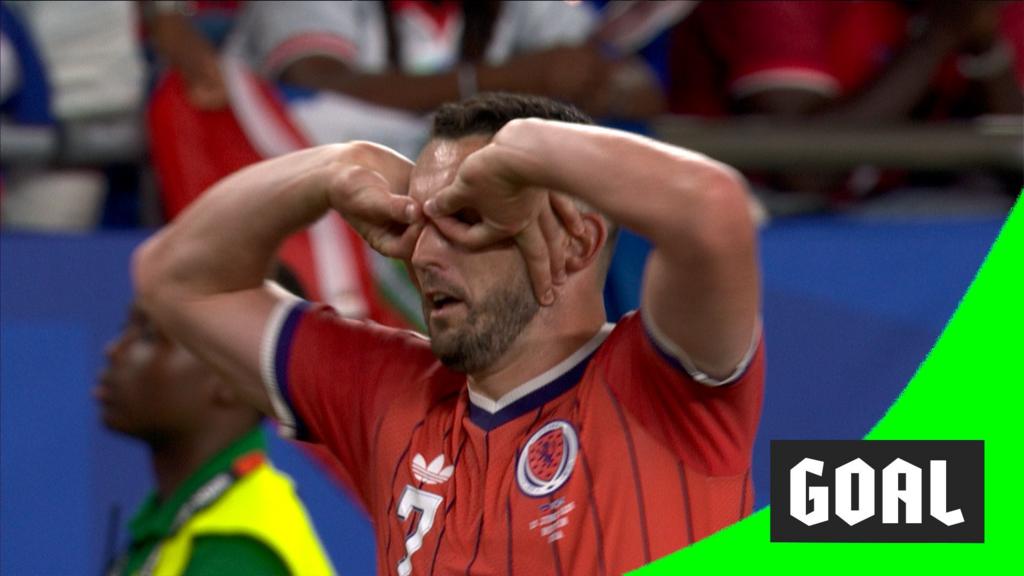
The controversy centered on a penalty awarded to Switzerland. Replays viewed by television audiences suggested Remo Freuler was in an offside position during the preceding phase of play. Without functional VAR, the assistant referee's initial no-call stood, and the penalty was converted. This error directly influenced the 1-1 scoreline at the final whistle.
FIFA's response and immediate fallout
Official statements from football's governing body confirmed a technical communication gap between the stadium and the remote officiating center. While the match continued under the standard officiating protocol, the loss of real-time video validation removes a fundamental layer of modern security for match outcomes. Observers noted that the stadium screens displayed no error messages when the link dropped.
The lack of a contingency protocol for digital failure remains a glaring weakness for the 2026 tournament. Referees at the highest level are trained to defer to the monitor on high-stakes calls, but those options vanished when the feed froze. Critics argue that the reliance on automated systems has eroded the instincts of field officials who are now accustomed to a safety net that is not guaranteed.
Historical context and the risk to the tournament
This is not the first time officiating technology has stuttered on the international stage, but it is the most high-profile collapse of the current cycle. Previous malfunctions at the club level often involved simple calibration errors, not a total server-side blackout. The 2026 tournament committee had pushed for higher uptime, yet today's event proves that data redundancy measures failed when tested.
The strategic implications regarding match outcomes are massive. Points dropped in the group stage frequently dictate the path to the knockout round, and the inability to correct a clear offside violation is a professional embarrassment. If FIFA cannot patch this stability issue, the credibility of every televised match until the final will face skepticism.
Competitor analysis and operational failure
While industry leaders champion the expansion of technology in sports, the human-in-the-loop requirement is failing under pressure. Other sporting bodies using similar high-speed data integration often maintain secondary hard-line cables to avoid wireless interference. Qatar's stadium infrastructure appeared to lack that basic backup.
Fans and players are left in an impossible position. Without the ability to challenge non-calls or review suspicious fouls, the sport regresses to the pre-2018 era of officiating error. The pressure on the remaining tournament staff is now 100 percent higher, as every decision will be scrutinized under the assumption that the technology will fail again. Players on both squads were visibly confused when no stoppage occurred before the spot-kick.
Moving forward, FIFA must address the software synchronization between the stadium and the VAR hub. A gap of even 60 seconds in connectivity is enough to alter a tournament trajectory permanently. The result remains official, but it leaves a sour taste for supporters who expected the highest level of execution in a World Cup environment. The margin for error has effectively vanished for the head officials in charge of upcoming fixtures.
Read Next
- Why the Qatar-Switzerland rematch is a disaster waiting to happen
- VAR technology failures loom over the Qatar and Switzerland rematch
- Gary Neville just nuked the VAR booth from orbit over the Swiss goal
- Qatar snatch historic first World Cup point against complacent Switzerland
- 🏆 World Cup 2026 — Full Coverage Hub
- 🇨🇭 Switzerland World Cup 2026 — La Nati Hub