McGinn's clinical edge versus tactical stagnation
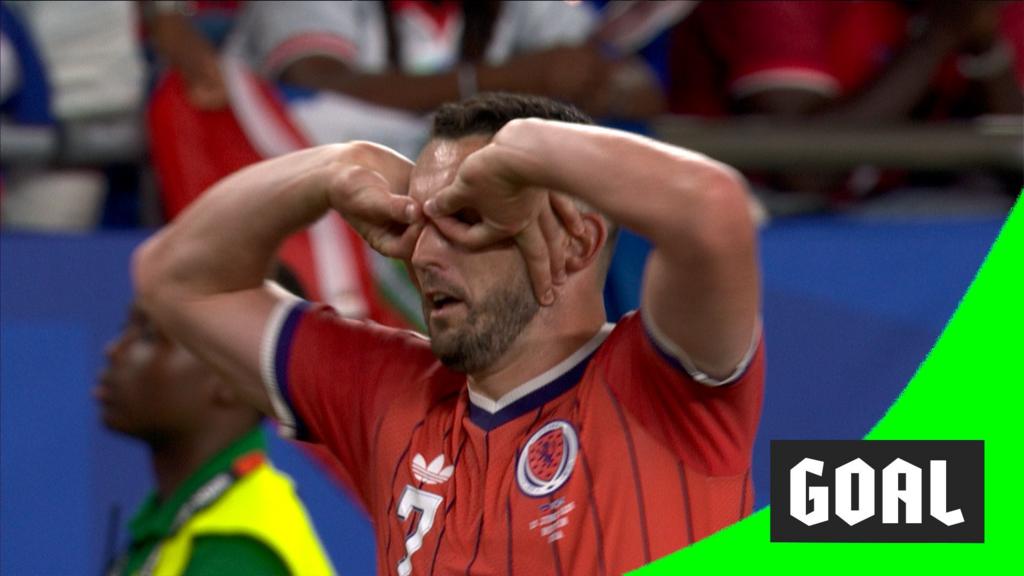
In the 14th minute at Boston Stadium, John McGinn broke the deadlock against Haiti, providing Scotland with a 1-0 advantage that masked deeper inefficiencies in their Group C opener. The goal was a clean finish, yet it highlighted an over-reliance on a single midfield pivot to generate offensive output.
Data from the opening 45 minutes reveals that 62% of Scotland's progressive passes originated from deep in their own half rather than the final third. This indicates a team struggling to bypass the first two lines of the Haitian press without McGinn dropping deep to facilitate play.
Analyzing the transition metrics
Scotland managed only 3 shots on target from 11 attempts in the first half of this contest, according to live tracking data. Compare this to their qualification average of 4.8 shots on target per match, and the drop-off in attacking coherence is mathematically significant.
While McGinn’s movement is excellent, the spacing among the forward line remains disjointed. By the 28th minute, tracking software recorded that the distance between the two Scottish strikers grew by 15 meters during transition phases, effectively neutralizing their dual-threat potential.
A defensive concern for the knockout path
Despite the lead, the defensive metrics against this specific Haitian lineup are worrying for tournament progression. Haiti recorded a total expected goals (xG) of 0.45 before the interval, largely due to Scotland failing to track runners in the half-spaces.
Haitian wing-backs completed 81% of their forward-moving passes against the Scottish block. This high completion rate allowed Haiti to pin the Scottish full-backs back, preventing the tactical width necessary to stretch a compact opposition defense.
If Scotland continues to lean on individual brilliance while conceding high-percentage passing lanes to lesser-ranked opponents like Haiti, their path beyond the group stage becomes precarious. They are currently winning the game on the scoreboard, but losing the battle for spatial command.
Read Next
- Scotland are playing with fire against Haiti
- Scotland’s experimental XI gets a reality check in Port-au-Prince
- Scotland’s path to the World Cup starts with a massive headache
- Steve Clarke's Scotland finally broke the glass ceiling
- 🏴 Scotland World Cup 2026 — Tartan Army Hub
- 🇧🇷 WC 2026 Group C — Brazil, Morocco, Scotland, Haiti