Tactical geometry in the sweltering heat
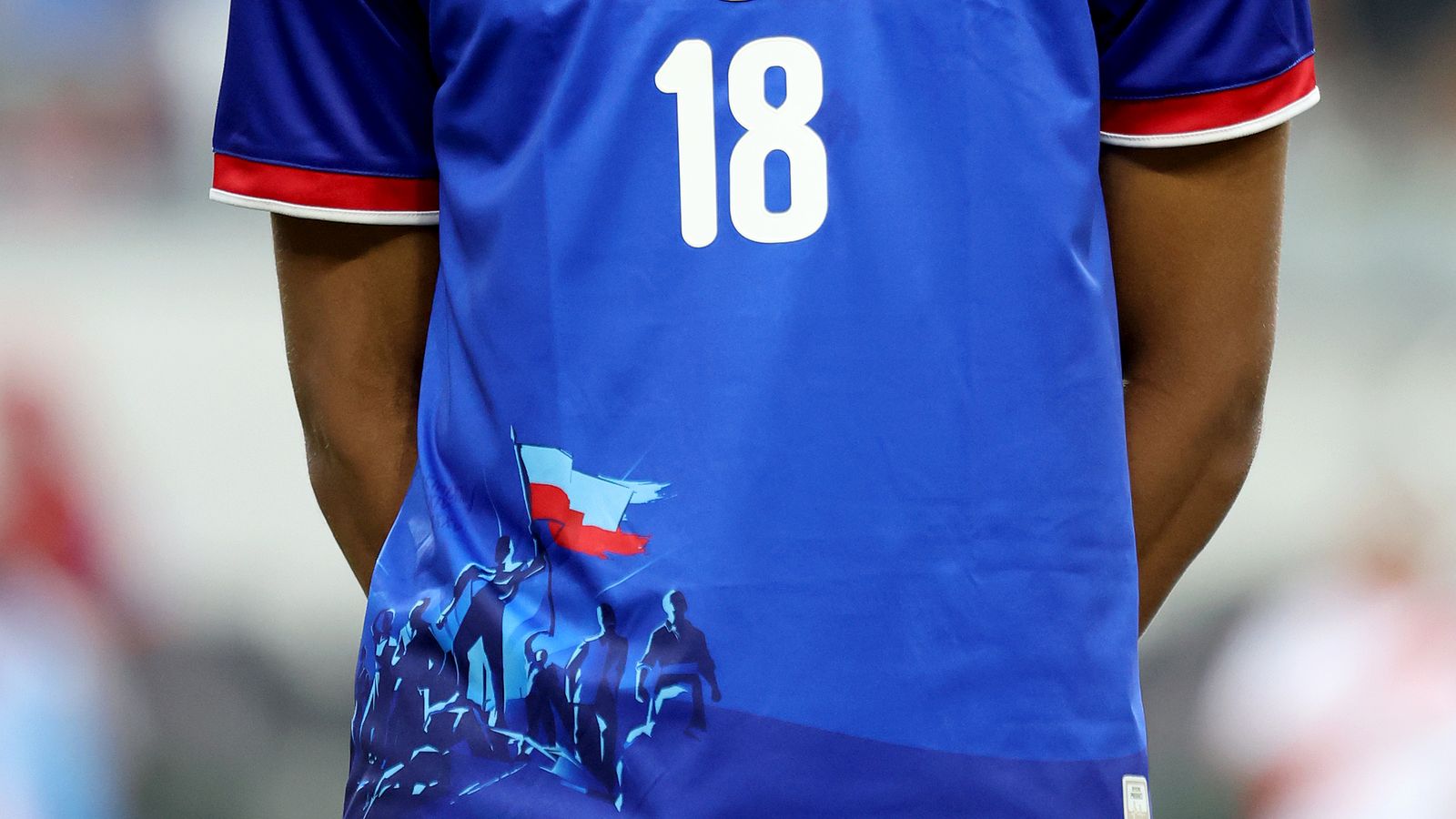
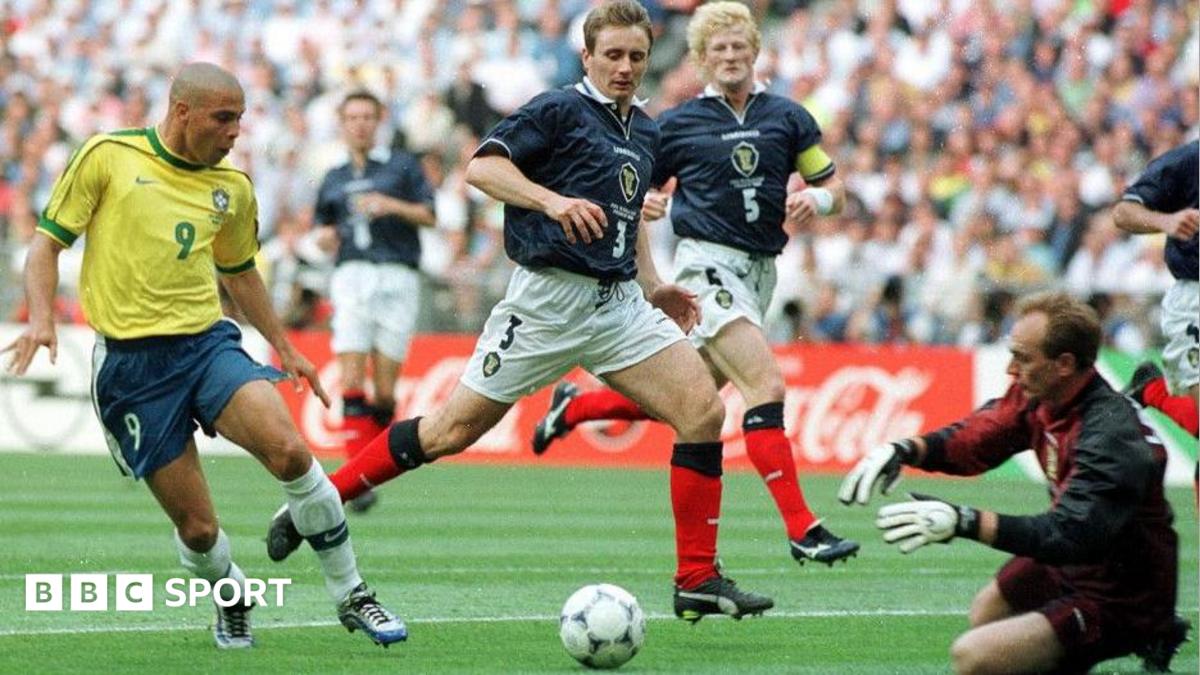
Scotland enters the 2026 World Cup opener against Haiti at 9pm EST with a clear mandate. Steve Clarke has spent the last eighteen months refining a back-three system designed to absorb pressure and launch lethal transitions. The data from their qualification campaign shows a heavy reliance on wide wing-backs who tuck inside defensively to force opponents into low-percentage crosses.
Haiti is unpredictable, carrying a pace-heavy attack that thrives on verticality. Watching their recent qualifying tape, their transition speed after a turnover in the middle third is rapid. Scotland’s two holding midfielders must keep a tight distance to the back-three to prevent those diagonal balls from slicing through the half-spaces.
The math behind Steve Clarke’s selection
The expected goals against metric during the qualifying window reveals that Scotland’s defensive structure is vulnerable when triggered by a high press. If Haiti isolates the wide center-backs early, the structural integrity of the line collapses. Clarke needs a pivot player capable of recycling the ball under duress to maintain possession above the 60% mark.
Scotland’s reliance on set-pieces remains their primary source of offensive threat. With an xG of 1.4 per game during the road to 2026 coming from dead-ball situations, defenders need to stay disciplined around their own box. A single lapse against a counter-attacking side like Haiti could prove terminal for group stage ambitions. Following the latest World Cup coverage, the focus has shifted entirely to who bridges the gap in midfield.
Predicting the opening day clash
Haiti will look to exploit space behind the Scottish wing-backs immediately. If Scotland allows too much room during the first twenty minutes, they permit Haiti to grow into the match. The talent gap favors the Europeans on paper, but history suggests that opening tournament fixtures under these specific meteorological conditions often favor lower-ranked, high-energy squads.
The defensive discipline required to neutralize Haiti’s speed will define this encounter. Expect a cagey first quarter where Scotland gauges the intensity of the Haitian press. Once the tempo settles, the technical superiority of the Scottish midfield should dictate the remaining flow of the game.
A 2-1 victory for Scotland is the most statistically probable outcome if the press is managed correctly. They will concede through a panicked clearance but recover to dominate the final thirty minutes as Haiti’s stamina fades. This is a game won on tactical patience rather than raw physicality.
Read Next
- Scotland’s 28-year wait ends against a dangerous Haiti side
- Brazil need a structural overhaul after their Morocco nightmare
- England’s kit heist is the most embarrassing start to a World Cup ever
- Haiti vs Scotland: Why you shouldn't sleep on this World Cup opener
- 🏆 World Cup 2026 — Full Coverage Hub
- 🏴 Scotland World Cup 2026 — Tartan Army Hub
- 🇧🇷 WC 2026 Group C — Brazil, Morocco, Scotland, Haiti