Style over substance on the eve of the opener
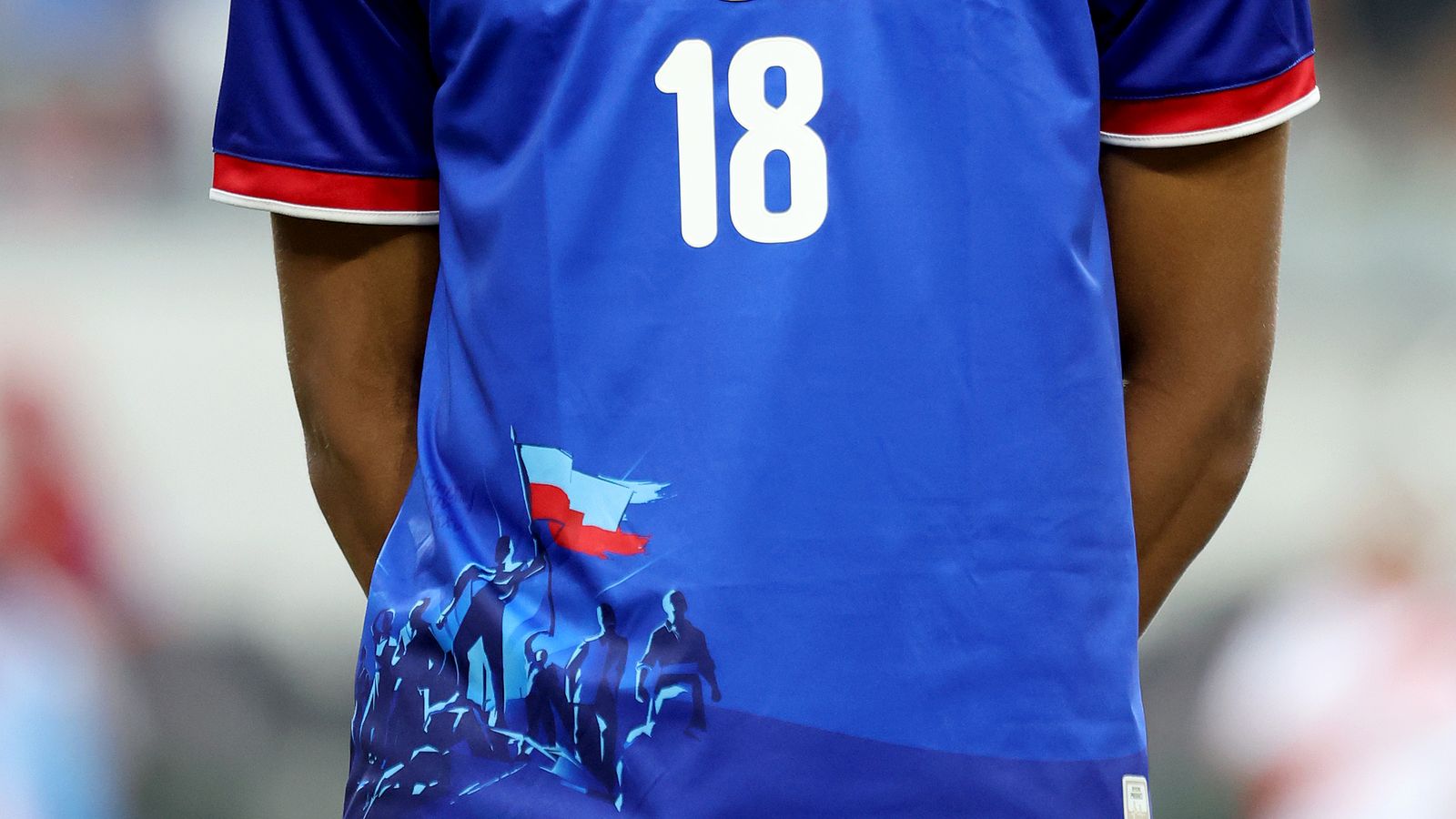
Haiti arrived for the 2026 World Cup with a clear objective: compete on the global stage. Instead, they spent their final pre-match hours scrambling to redesign their kit following a late-stage regulatory hurdle. Administrative disarray rarely sets a team up for tactical precision, and Scotland will be looking to capitalize on this distraction.
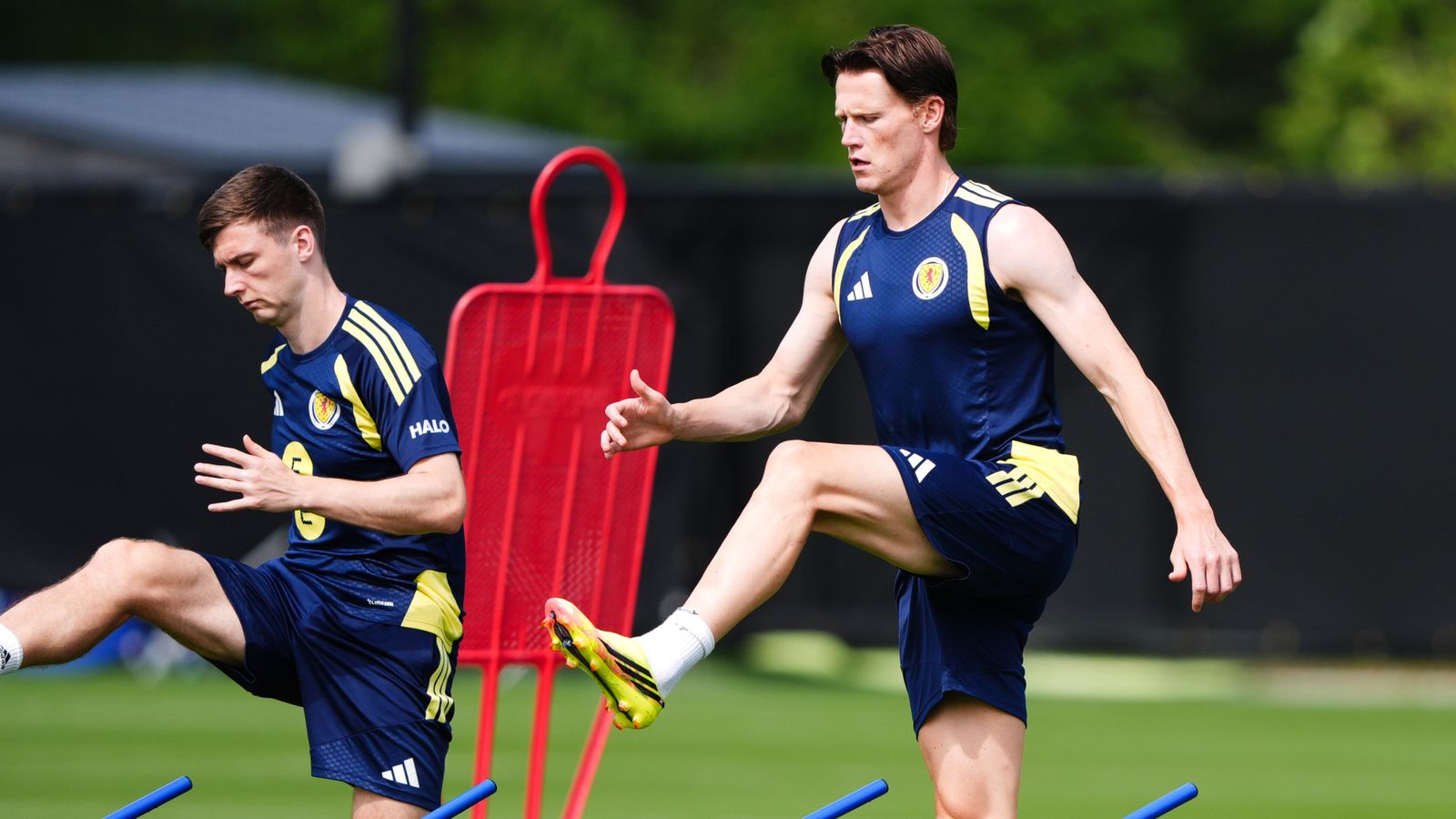
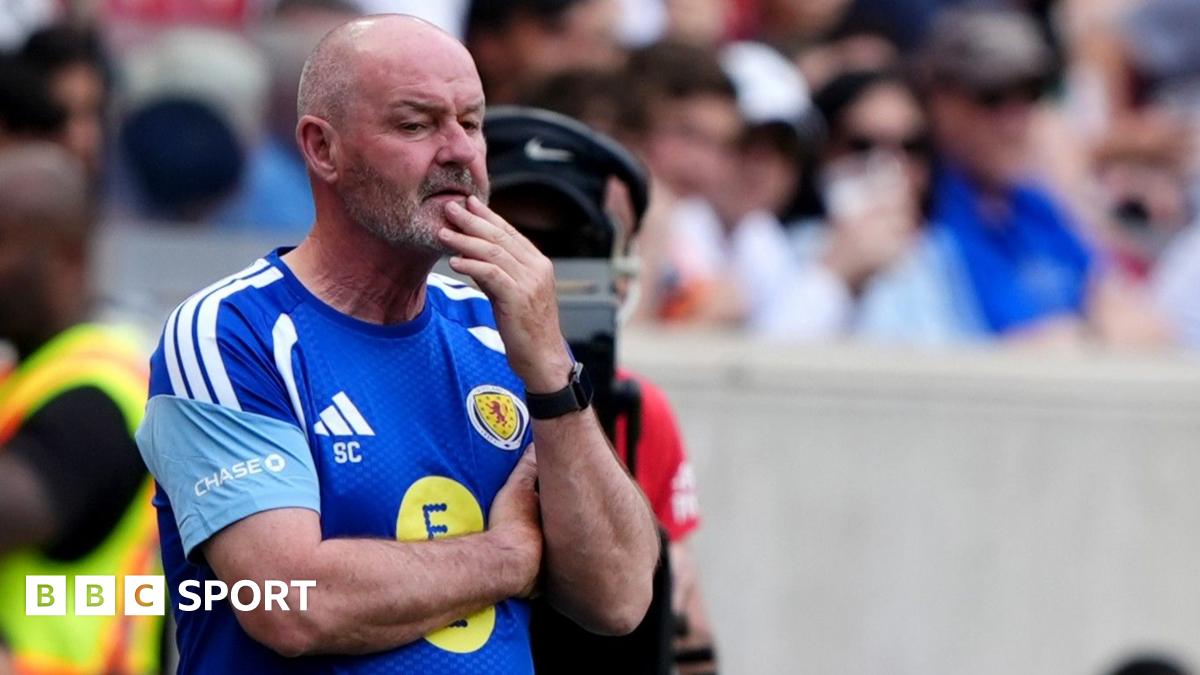
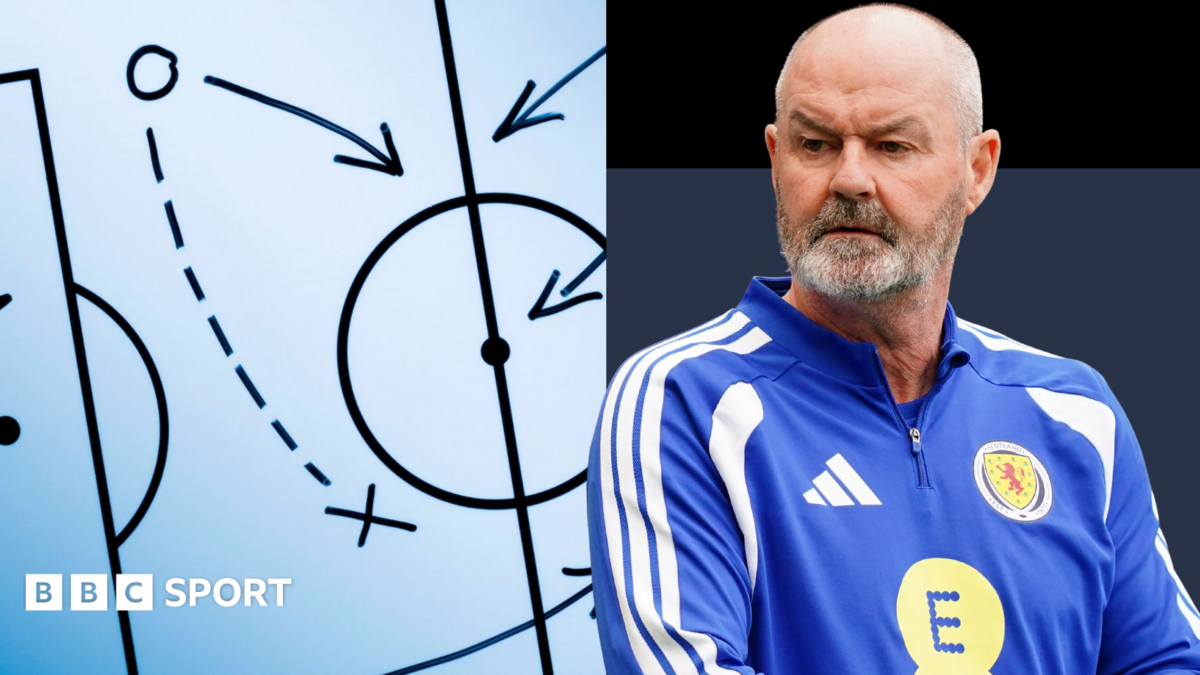
Scotland brings a rigid, disciplined structure into this match. Manager Steve Clarke has spent the last eighteen months hammering home the importance of defensive transitions. Watch for their wing-backs to push high immediately, forcing Haiti into a low block from the opening whistle.
The tactical shift expected from the Scots
Scotland relies on a selective press that triggers only when the opponent enters the third lane. They are comfortable ceding possession in the midfield to deny space behind their own center-backs. Against a side like Haiti, who prefer a direct, counter-attacking style, Scotland’s defensive trio will likely stay narrow.
Haiti must navigate this by utilizing their pace on the flanks. If they attempt to play through the middle against the Scottish holding midfielder, the turnover rate will spike. They need long, progressive diagonals to bypass the high press. If Haiti fails to stretch the pitch horizontally, this game will become a claustrophobic exercise in Scottish ball retention.
Where the match will be lost
The danger for Haiti lies in their own transition defense. Scotland excels at punishing disorganized teams after an attacking set-piece. In their qualifying campaign, Scotland converted 18% of their chances derived from secondary phases of play. Haiti’s tendency to commit seven or eight players forward during corners invites catastrophic gaps in their own final third.
There is also the matter of fitness and climate. The mid-June heat in the host cities often acts as a twelfth man for teams that rotate effectively. Scotland has shown an ability to manage workloads, whereas Haiti’s reliance on a core group of ten players is a structural flaw. By the 75th minute, expect the spacing between the Haitian defensive line and their midfield to quadruple.
A predictable outcome in the group stage
Haiti’s squad is capable of flashes of brilliance, but they lack the tactical rigor required to sustain a performance against a top-tier European side. This match is a collision between professional organization and chaotic ambition. Scotland’s experience in navigating tournament football under high pressure will be the final factor.
I expect the Scots to control the tempo from the kick-off, forcing a goal before the break and managing the game out to a comfortable finish. Unless Haiti finds an immediate, disciplined response to the high press, they will be chasing shadows for the duration of the 90 minutes. Scotland wins this, comfortably, by a margin of two goals.
Read Next
- Scotland are finally back, but Haiti is no charity case
- Scotland are walking into a tactical trap at the World Cup opener
- Azteca's heavy costs haunt the 2026 World Cup opener
- The divided loyalty of World Cup families is the ultimate sporting dilemma
- 🏆 World Cup 2026 — Full Coverage Hub
- 🏴 Scotland World Cup 2026 — Tartan Army Hub
- 🇧🇷 WC 2026 Group C — Brazil, Morocco, Scotland, Haiti