The reality check
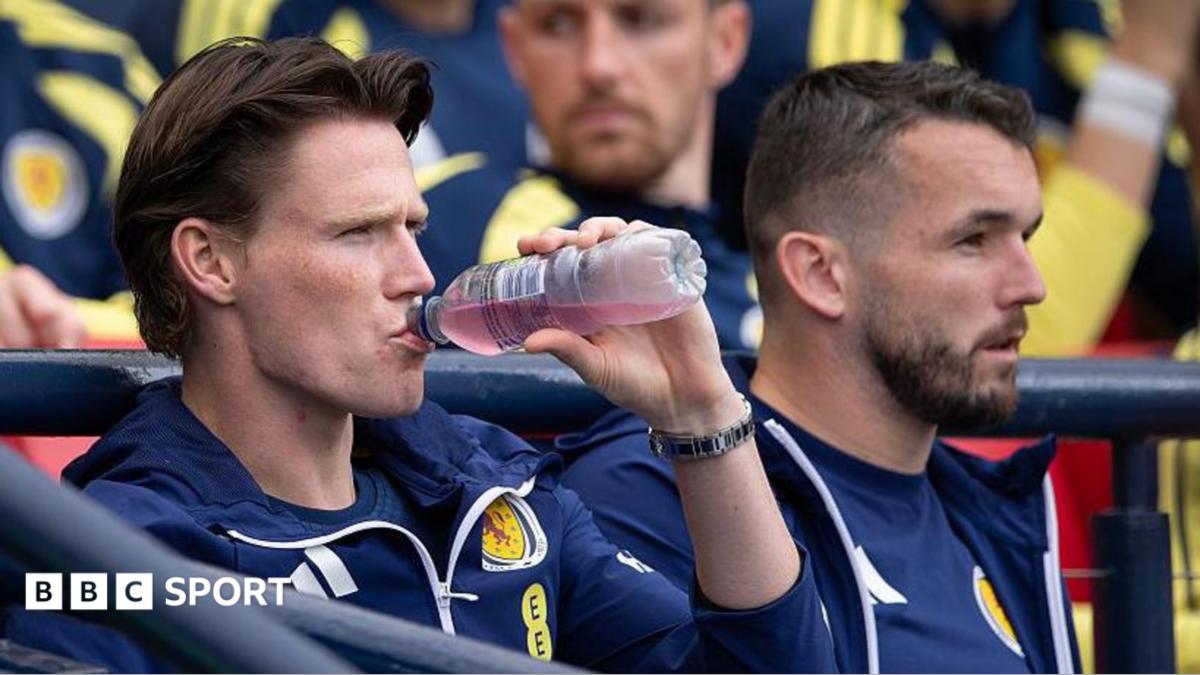
Scotland returns to the World Cup stage for the first time in 28 years this month. The hype train is currently running at full throttle across Glasgow and Edinburgh, but the tactical reality in Boston offers little room for optimism. While the build-up coverage is infectious, the squad is running into a wall of high-pressing international opponents who have spent years optimizing their transitional play.
The defensive rotation problem
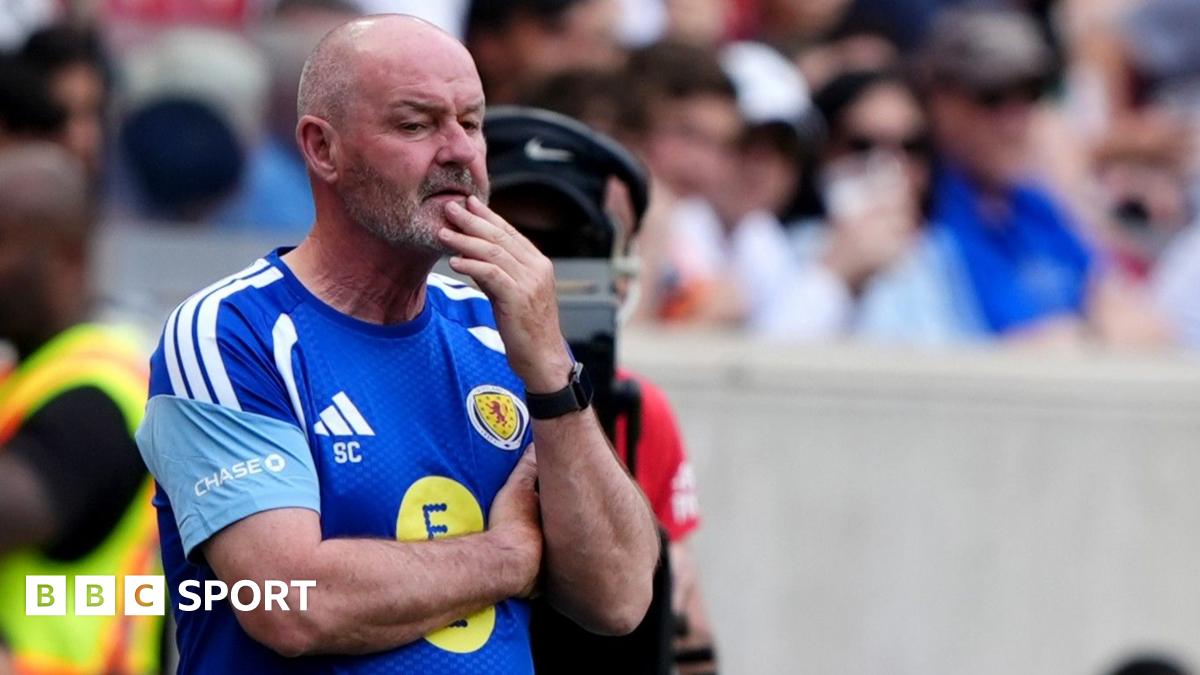
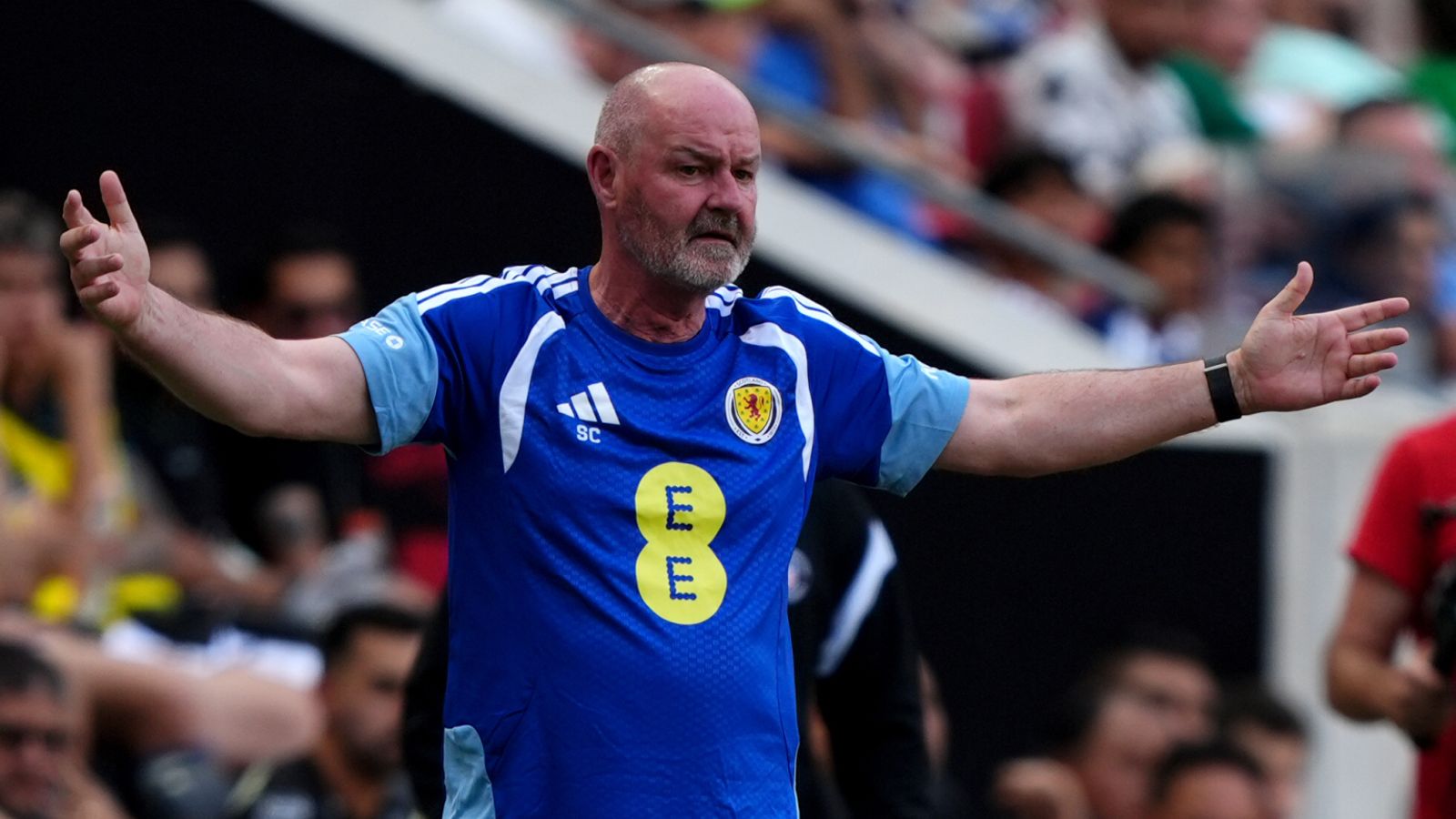
Steve Clarke has spent the last cycle perfecting a back-three system that relies heavily on wing-back efficiency. When that supply line gets cut in the middle third, the entire transition snaps. Facing elite creative midfields that specialize in drawing center-backs out of position will expose this vulnerability early.
The data suggests that Scottish defensive success depends entirely on low-block discipline. Once they are forced to shift into an expansive formation to chase a result, the gaps between the defensive line and the holding mid become massive. Opposing coaches are already planning to exploit these spaces with quick vertical passing.
The squad depth gap
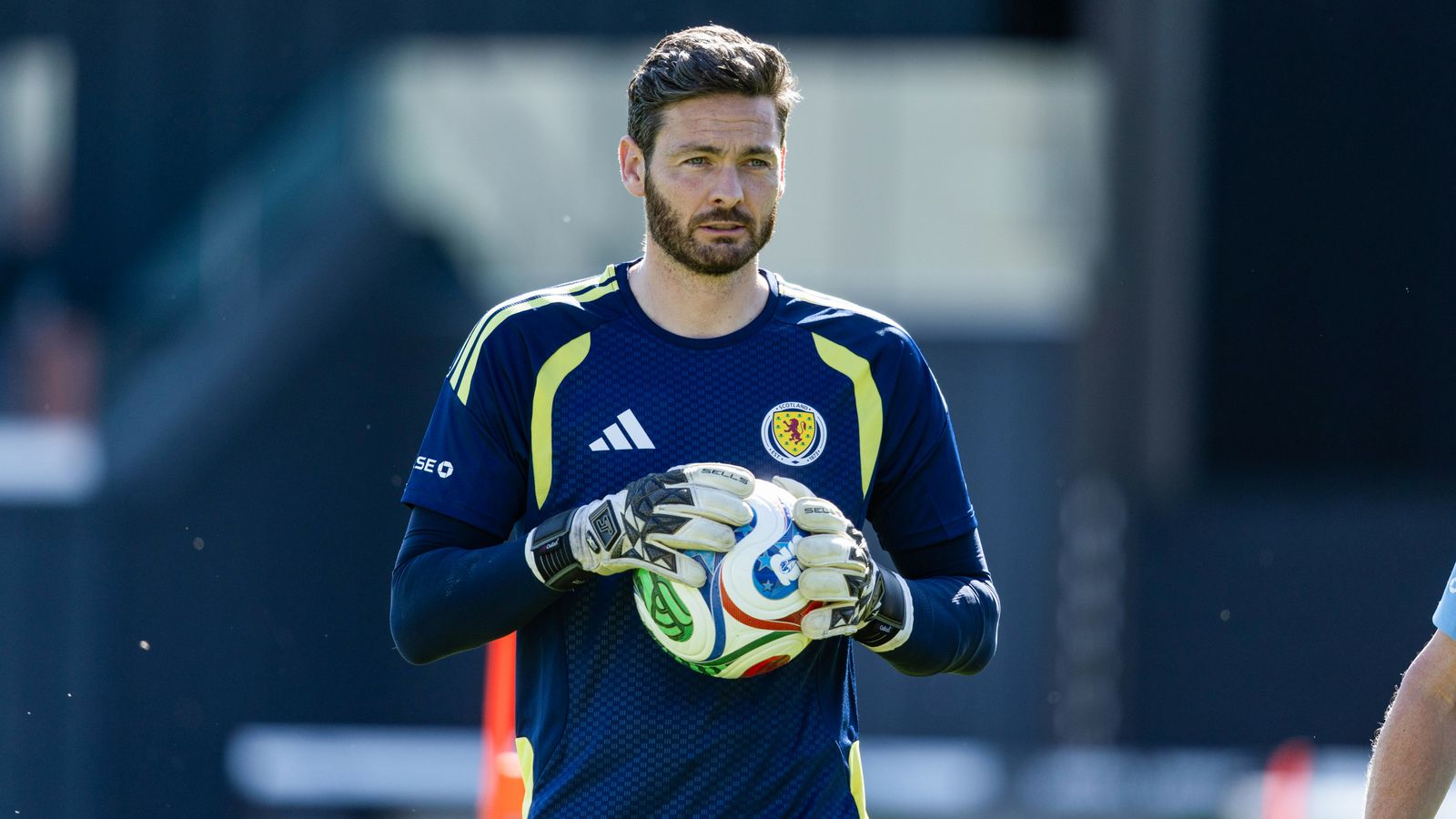
Looking at the roster, the reliance on a handful of key starters is alarming. International tournaments are won by bench impact, and the drop-off in output after the first substitution is noticeable in recent qualifiers. Expecting a group that has played together domestically to suddenly solve high-pressure defensive riddles against top-ten seeds is wishful thinking.
There is also the fatigue factor. Most of this core has played a high-intensity 45-game season. The lack of rotation options means we will likely see a fade in the 75th minute of every group stage match. That is exactly when a tournament is decided.
Why Boston isn't a neutral ground
The travel itinerary and the localized crowd dynamics won't favor the underdogs. Teams with established scouting departments in the US have already mapped out acclimatization schedules that bypass the standard rookie errors. Scotland's logistical setup feels quaint compared to the military precision shown by their group counterparts.
It is difficult to project anything beyond the group stage. The tactical rigidity that got them to the tournament will likely be the very thing that prevents them from progressing through it. Unless Clarke has a hidden tactical gear that hasn't been shown in three years of qualifying, they will be heading home after three games.
Read Next
- Scotland are walking into a Haiti minefield and the fans know it
- Scotland heads into their World Cup opener with everything to prove
- Haiti vs Scotland: Why you shouldn't sleep on this World Cup opener
- Steve Clarke's midfield headache won't fix itself against Haiti
- 🏴 Scotland World Cup 2026 — Tartan Army Hub
- 🇧🇷 WC 2026 Group C — Brazil, Morocco, Scotland, Haiti