The McTominay Problem
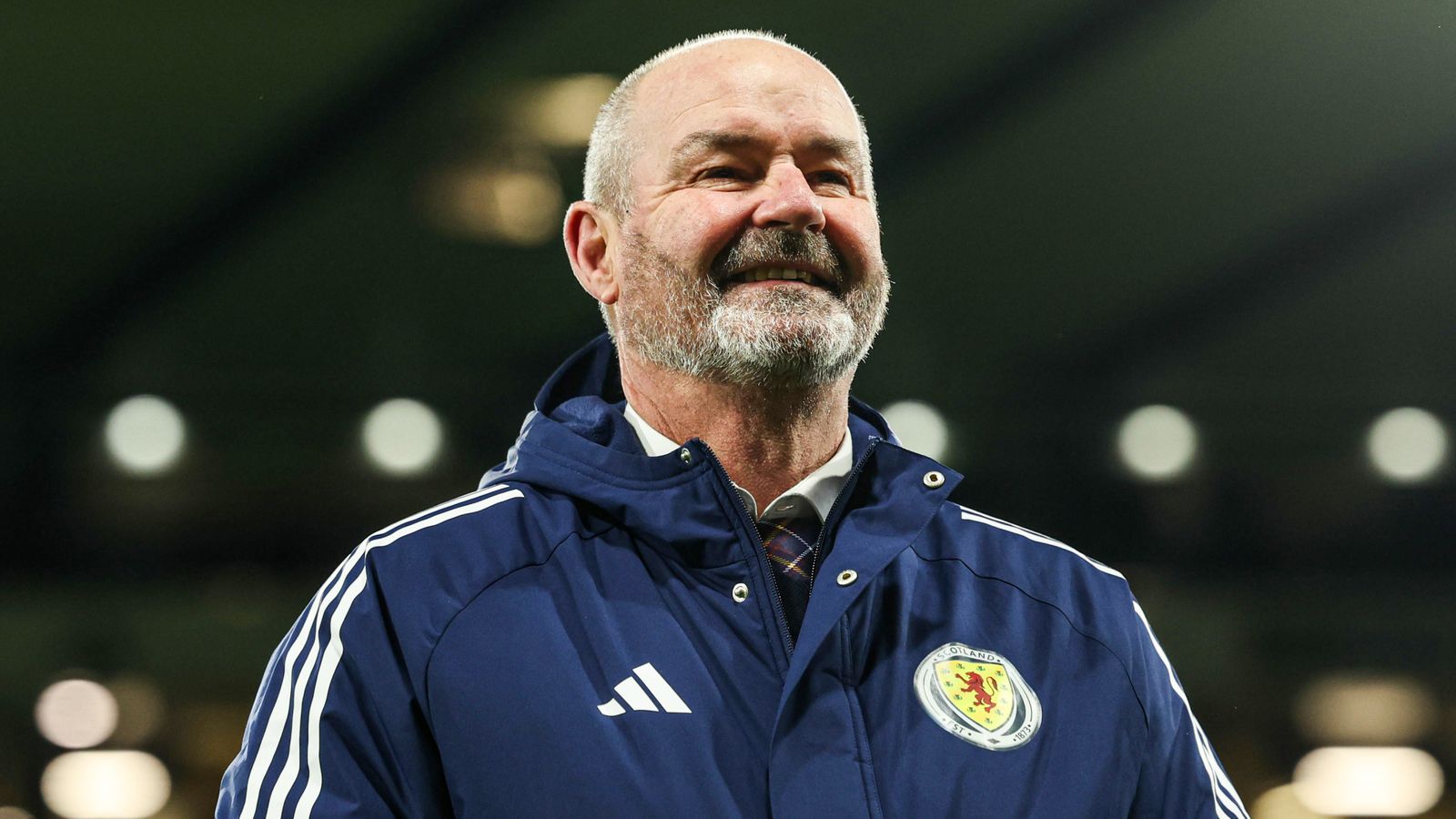
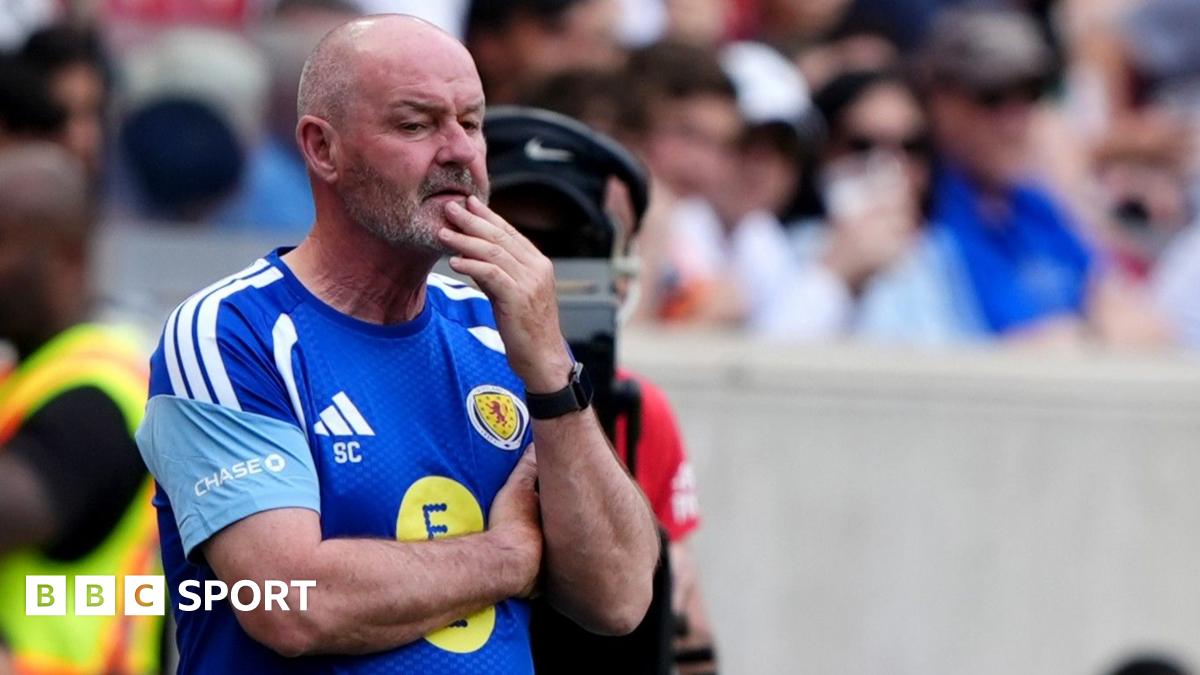
Steve Clarke has spent the last two years building a midfield around Scott McTominay, but the latest news from Boston brings that methodology under scrutiny. Traveling separately as a precaution highlights how thin the margins are for this Scotland side. When your primary engine room operator lacks full fitness, the entire house of cards begins to wobble.
McTominay is not just a provider of late runs; he is the highest points-contributor in the current setup. His form in the qualifiers provided 7 goals, a metric that effectively masks the lack of clinical finishing from the striker department. Without his vertical movement off the ball, Scotland’s possession becomes stagnant circulation between the center-backs and the wing-backs.
Tactical rigidity at the wrong time
Clarke’s three-at-the-back system relies heavily on the wing-backs providing width to stretch the opposition. However, without a fit McTominay to drag markers out of the pivot, the central channels become congested. Opponents can easily double-mark Andy Robertson and leave the holding midfielders isolated against a high press.
The data from recent fixtures shows a decline in progressive carries when McTominay is restricted to a bench role. If the medical staff holds him back for the opener, Scotland loses their primary transition outlet. Replacing him with a defensive-minded pivot changes the geometry of the team, turning an aggressive 3-4-2-1 into a panicked 5-4-1.
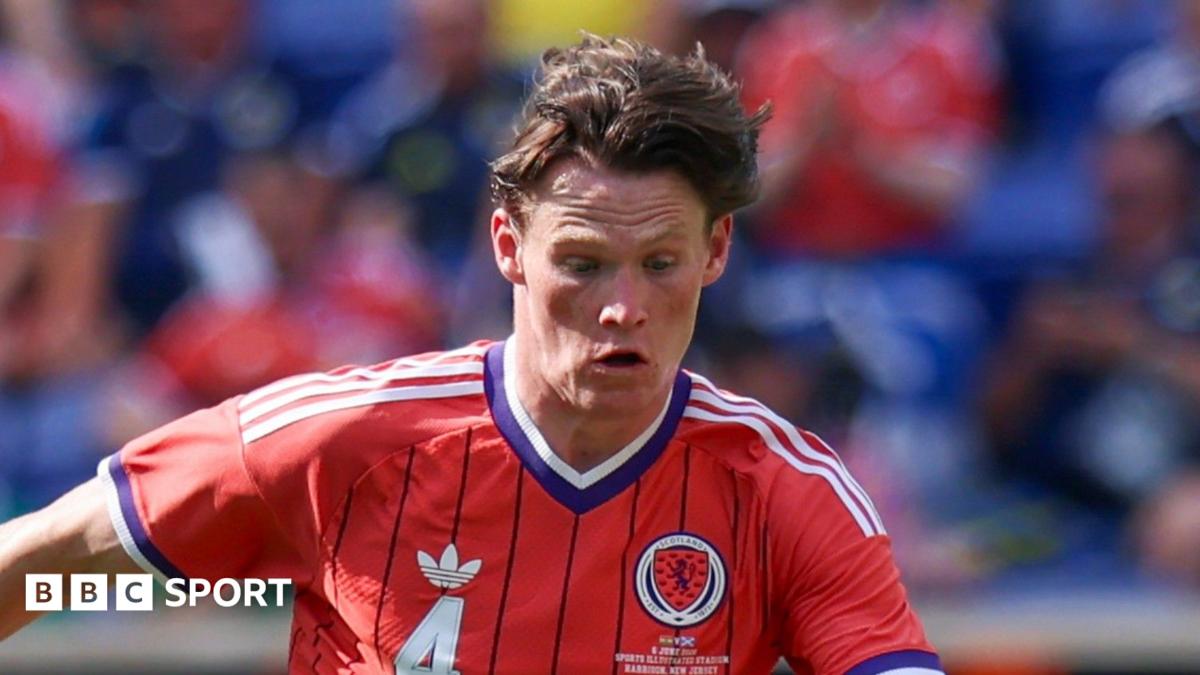
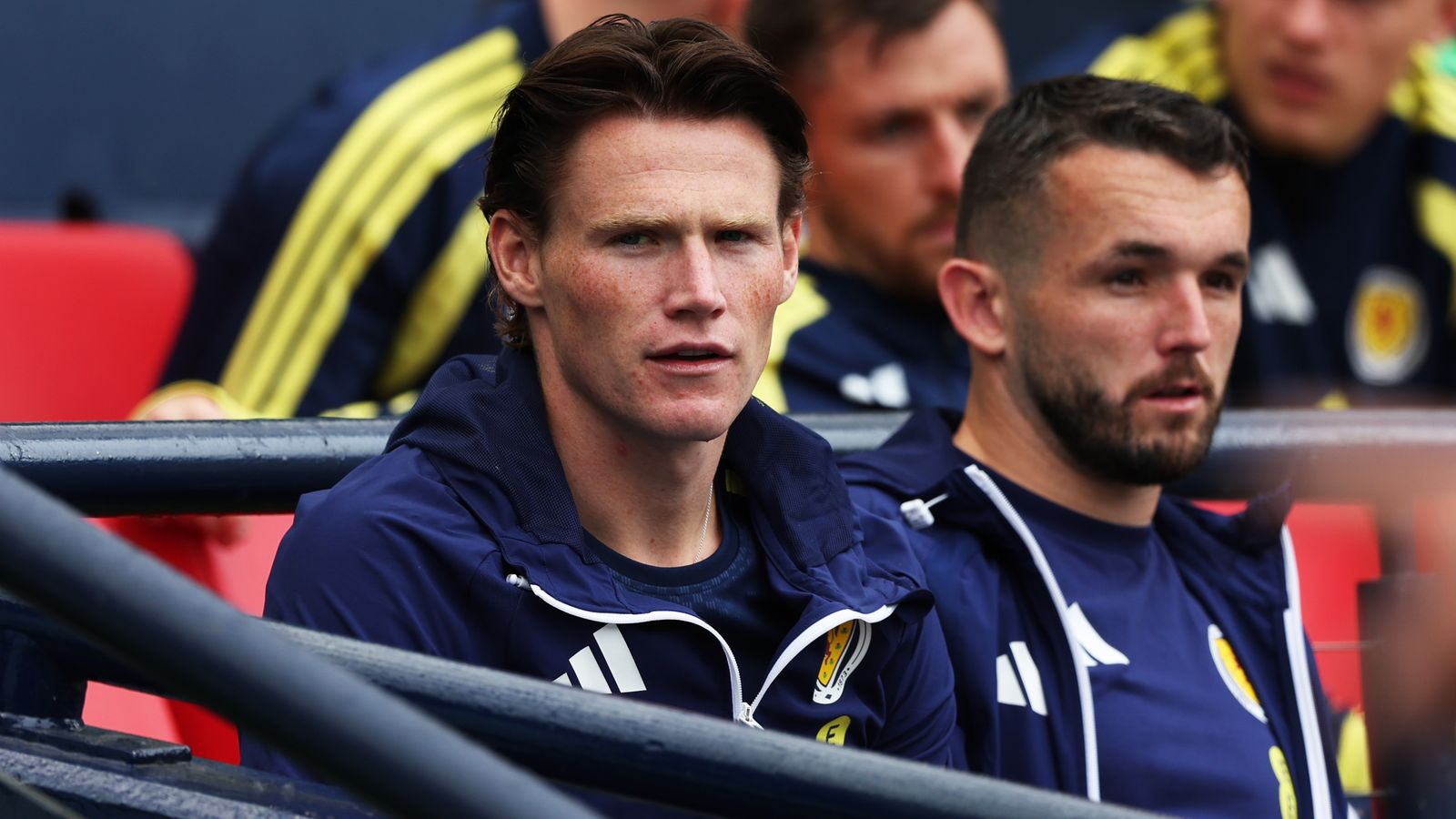
Scott McTominay travels separately in Boston as precaution.
Predictions based on the baseline
The tactical reality is that Scotland is too thin to absorb a key injury. As Sky Sports reported, this precaution suggests the staff is worried about his long-term availability. If he starts on the bench or plays limited minutes, the creative void is massive.
Expect Scotland to struggle to break down low blocks in their opening matches. Their reliance on set-pieces and McTominay’s late arrivals is not a sustainable long-term strategy for a major tournament. I expect a draw in their first game, followed by a failure to find the net against a tightened defensive structure.
Read Next
- Scotland are walking into a tactical trap at the World Cup opener
- Steve Clarke faces a defining moment in Scotland’s World Cup opener
- Scott McTominay transfer rumors swirl as World Cup preparations hit a snag
- Scotland’s McTominay travel saga casts shadow over World Cup opener
- 🏴 Scotland World Cup 2026 — Tartan Army Hub
- 🇧🇷 WC 2026 Group C — Brazil, Morocco, Scotland, Haiti
- ⚽ Scottish Premiership 2025-26 — Celtic vs Rangers Hub