Measuring the efficiency gap in Scotland's midfield
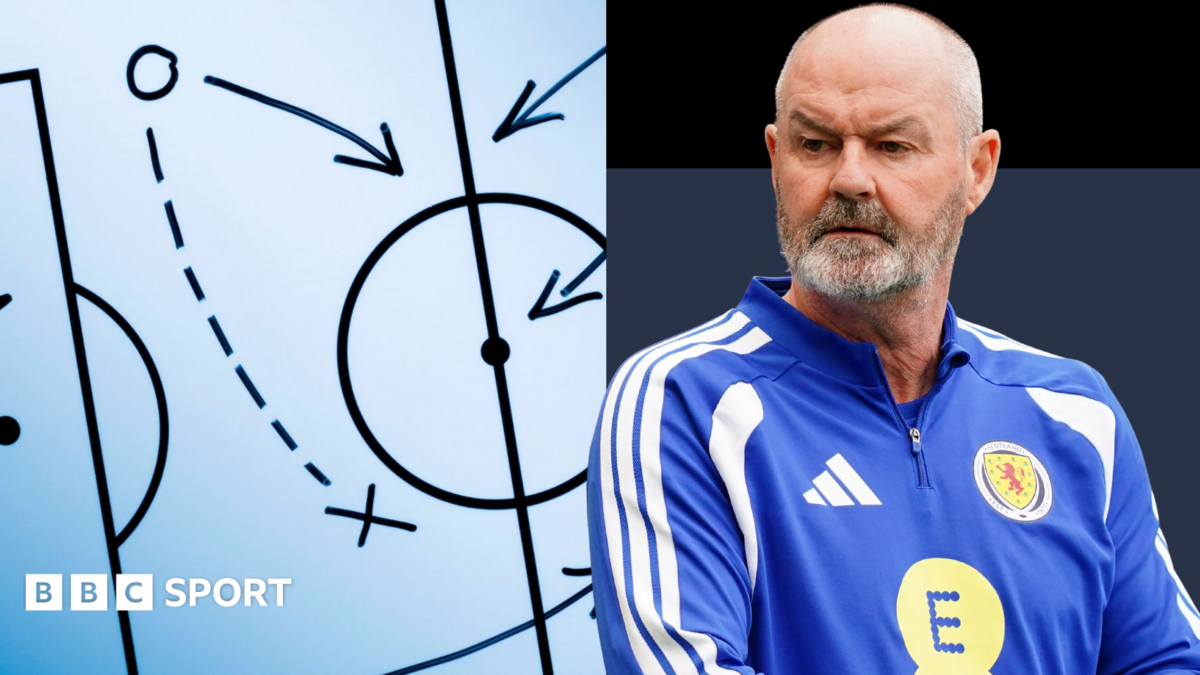
Steve Clarke has four days to engineer a solution for a structural problem that has plagued Scotland’s build-up play throughout the spring. With the FIFA World Cup 2026 opener against Haiti scheduled for June 11, the reliance on a static double-pivot is starting to look like a liability rather than a safety net.
During the qualifying cycle, Scotland maintained an average possession figure of 48.2 percent against top-20 ranked opponents. That number plummeted to 39.4 percent the moment they faced a high-press vertical system, revealing a severe lack of transition speed in the center of the park.
The Shankland factor and the conversion drop-off
Lawrence Shankland enters this tournament as the primary attacking focus, but his underlying numbers paint a complicated picture. In his last 15 appearances for the national side, he has registered an expected goals (xG) per 90 minutes of 0.38, yet his shot-on-target conversion rate sits at a modest 22 percent.
The lack of a secondary creator behind him forces Shankland to drop deeper than his heat maps suggest is effective. This leaves Scotland with a personnel deficit in the opposition box whenever a cross transitions from the wing-backs. It is a tactical gamble that ignores the high-block discipline of the Haitian defense.
Gunn’s distribution efficiency
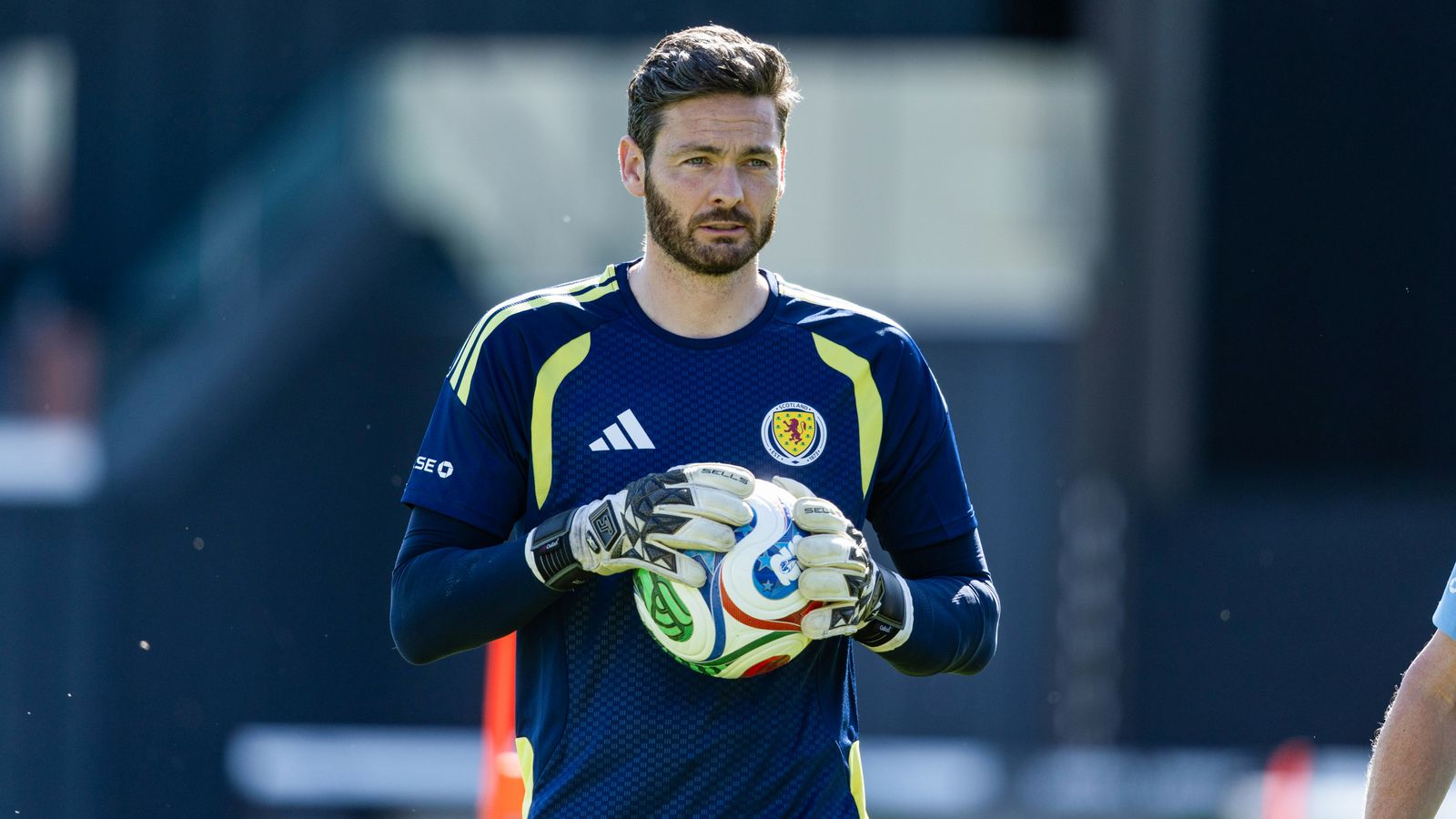
Angus Gunn remains the undisputed starter in goal, but his long-ball accuracy has dipped to 54 percent over his 10 most recent caps. When Scotland faces low-block opponents, Gunn frequently bypasses the midfield to find height, a strategy that results in a transition recovery rate of only 31 percent for his midfield teammates.
As the BBC reported, Clarke admits he has decisions to make regarding the balance of his central trio. If he persists with a conservative base, he risks isolating the front line against a quick, counter-attacking Haiti team that thrives on midfield turnover.
Defensive vulnerabilities in the transition phase
Statistical evidence suggests Scotland concedes 1.4 goals per game when the possession split falls below 40 percent. This is not merely a personnel issue; it is a fundamental misalignment between the defensive line’s positioning and the pivot's mobility.
The coaching staff must decide whether to promote a more progressive carrier into the starting XI or gamble on a defensive lock that has consistently failed to provide a platform for creativity. The clock is ticking toward Sunday, and the current net rating for this squad configuration signals a tactical ceiling that might not survive the group stage.
Read Next
- Scotland’s clinical warm-up surge sets a dangerous World Cup precedent
- Scotland are peaking at the right time before the World Cup
- Steve Clarke's final dry run against Bolivia is about more than just a win
- Scotland need a clinical edge before the World Cup opener
- 🏆 World Cup 2026 — Full Coverage Hub
- 🏴 Scotland World Cup 2026 — Tartan Army Hub
- 🇧🇷 WC 2026 Group C — Brazil, Morocco, Scotland, Haiti