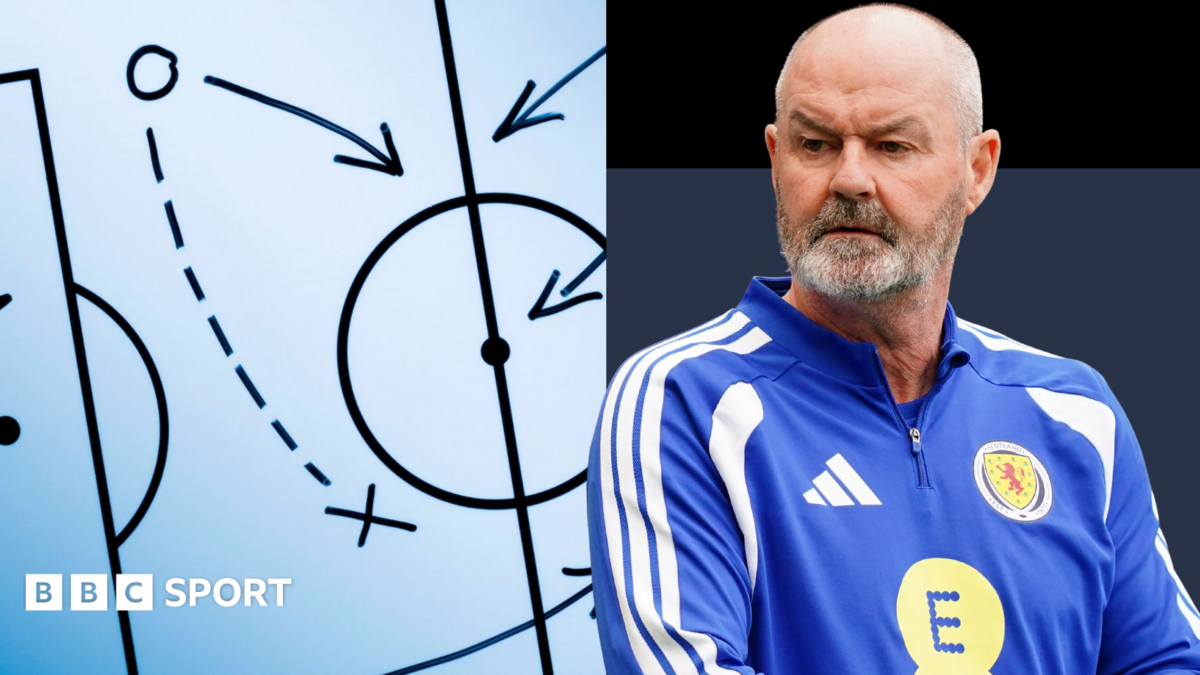
The selection headache at the back
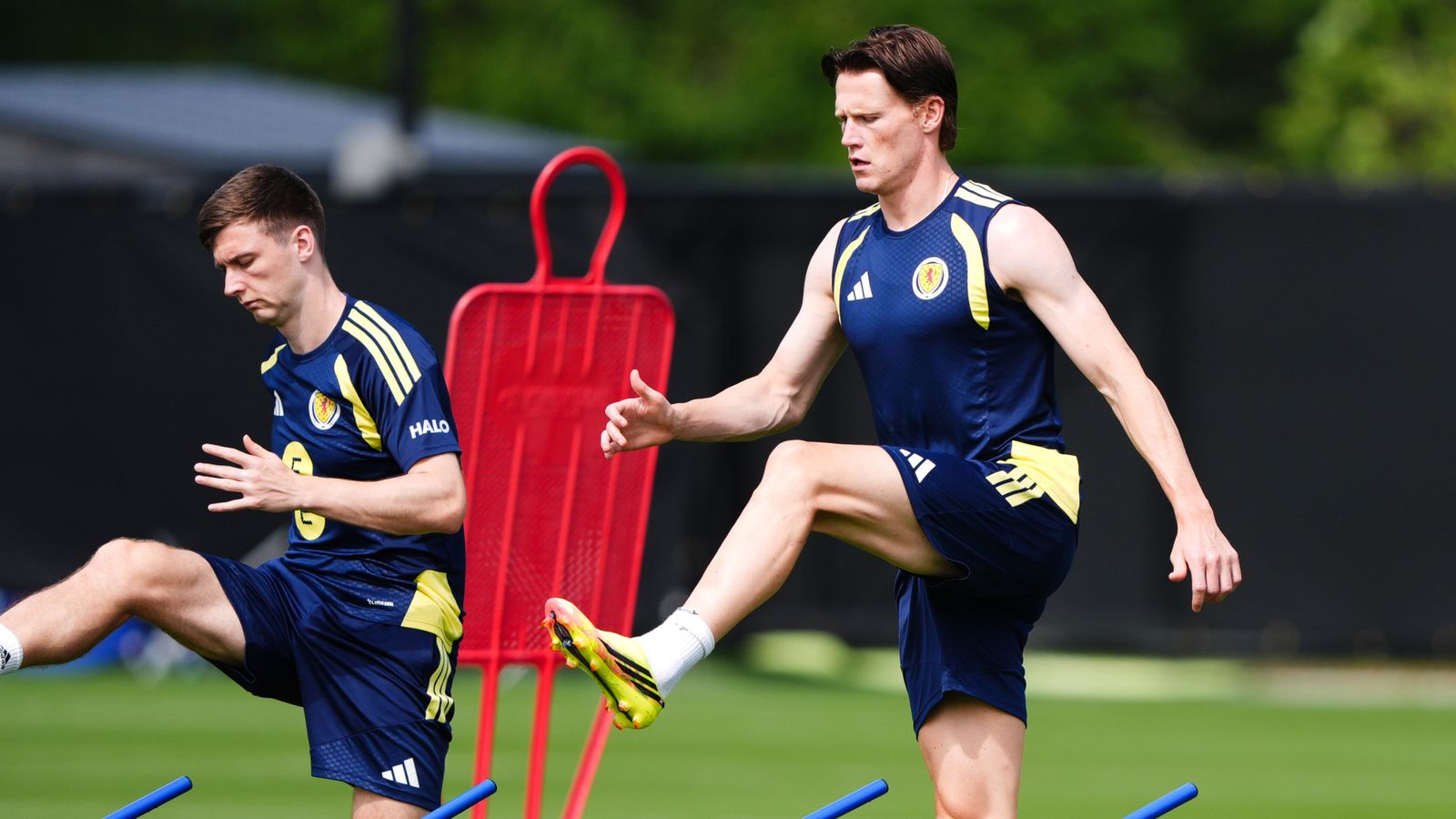
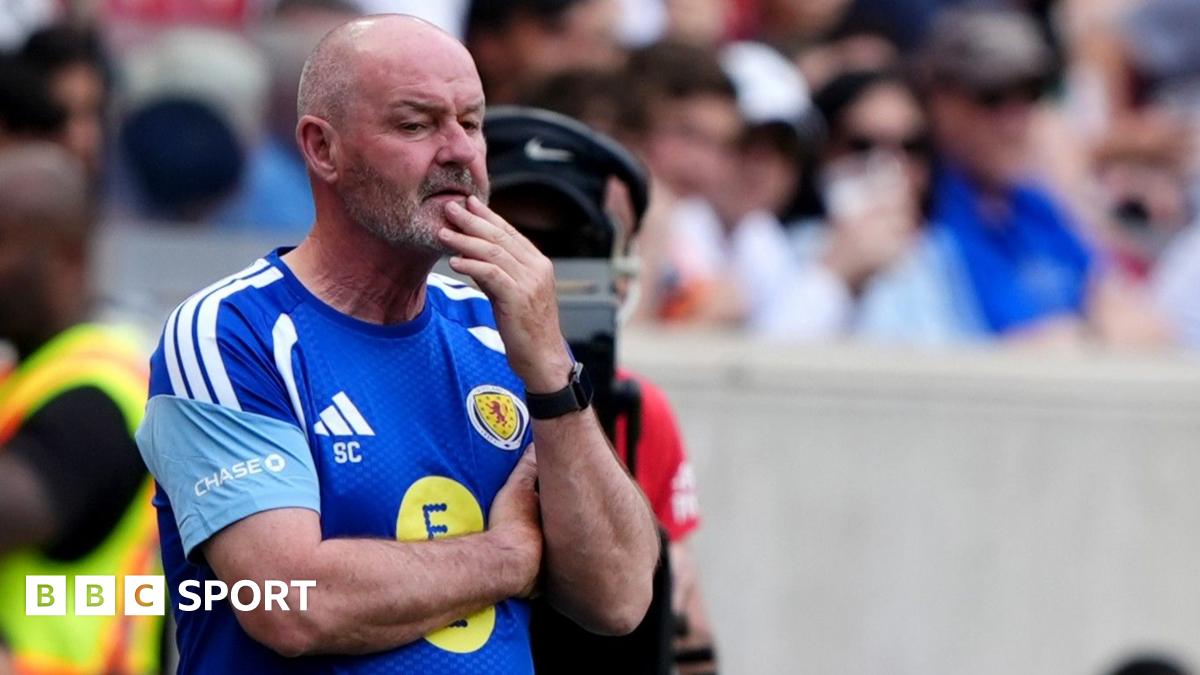
Steve Clarke has spent months fine-tuning a defensive structure that relies on three central defenders. Whether he sticks to that rigid formation against Haiti tonight is the primary debate among supporters. With the squad depth available, opting for a back four could provide a necessary attacking outlet but risks exposing the team to rapid transitions.
The defensive pivot hinges on the fitness of the veteran core. If the high line forces them into recovery runs against younger, pacey attackers, the match could turn into a liability. Clarke must decide if he trusts the current personnel to hold a disciplined shape or if he needs an additional midfielder to break up play before the ball reaches the back line.
Tactical rigidity vs. individual flair
Scotland often struggles when the opponent sits deep, a common occurrence in group-stage fixtures. The reliance on wingbacks to provide width is clear, but their defensive responsibilities frequently stifle offensive movement. We have seen this frustration manifest in stagnant possession cycles where the ball moves horizontally across the pitch without threatening the goal.
Haiti presents a unique set of challenges that differ wildly from what the team faced during the qualifying campaign. They prioritize chaos and speed, aiming to force errors through aggressive pressing in the final third. If Scotland attempts to play through the middle regardless, the risk of a turnover leading to a breakaway is alarmingly high.
Clarke’s management style has prioritized continuity, yet some critics point to a lack of tactical flexibility as the reason for recent stagnation. It is worth noting that sticking to the same plan against varied opposition has been a recurring flaw in the tenure. The failure to introduce a secondary attacking plan during the last international break remains a concern for those tracking the team’s development.
The weight of opening day expectations
Expectations for this tournament are higher than at any point in the last two decades. As reporting on the squad suggests, the pressure to secure three points early is immense to avoid the stress of chasing results in the final group match. A win would establish a foundation, but a draw would invite skepticism about the team's ability to compete at this level.
The midfield battle will likely decide the outcome. If they fail to control the tempo in the opening 20 minutes, the supporters will quickly turn, and the intensity will drop. This is a game where the manager must be willing to make bold, personnel-driven changes before the 60th minute if the score remains level.
A cautious prediction for matchday one
Scotland will likely keep the score sheet clean but struggle to find the net until late in the second half. My analysis leans toward a tight affair where the difference is a single moment of individual brilliance or a set-piece error. Expect a tentative start followed by a disorganized scramble for a winner.
I predict a 1-0 victory for Scotland. They will likely secure this through a set-piece conversion rather than a flowing team move. While the betting markets favor a comfortable margin, the reality of opening matches suggests we should prepare for a nervy afternoon that exposes the current lack of clinical finishing in the final third.
Read Next
- Scotland’s tactical challenge in the 2026 World Cup
- Mexico's World Cup kickoff is the adrenaline shot the tournament needed
- Top 10: England's World Cup Squad Power Rankings
- Scott McTominay transfer rumors swirl as World Cup preparations hit a snag
- 🏆 World Cup 2026 — Full Coverage Hub
- 🏴 Scotland World Cup 2026 — Tartan Army Hub
- 🇧🇷 WC 2026 Group C — Brazil, Morocco, Scotland, Haiti