Tier 1: The Ultimate Act of Defiance
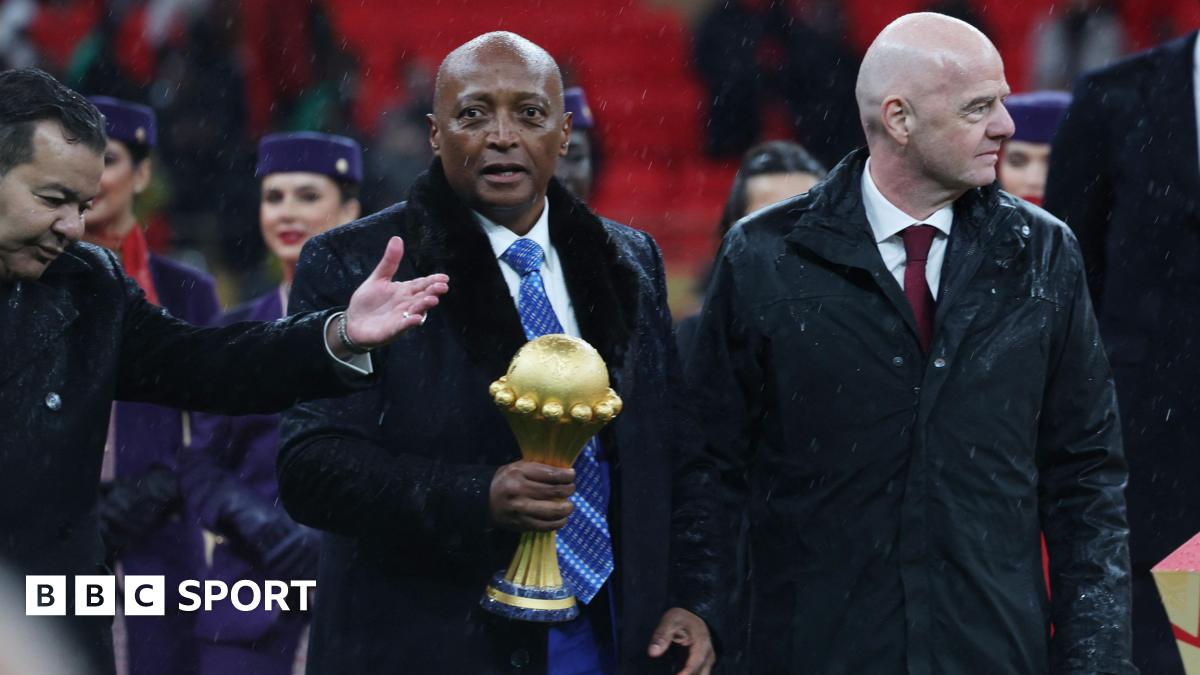
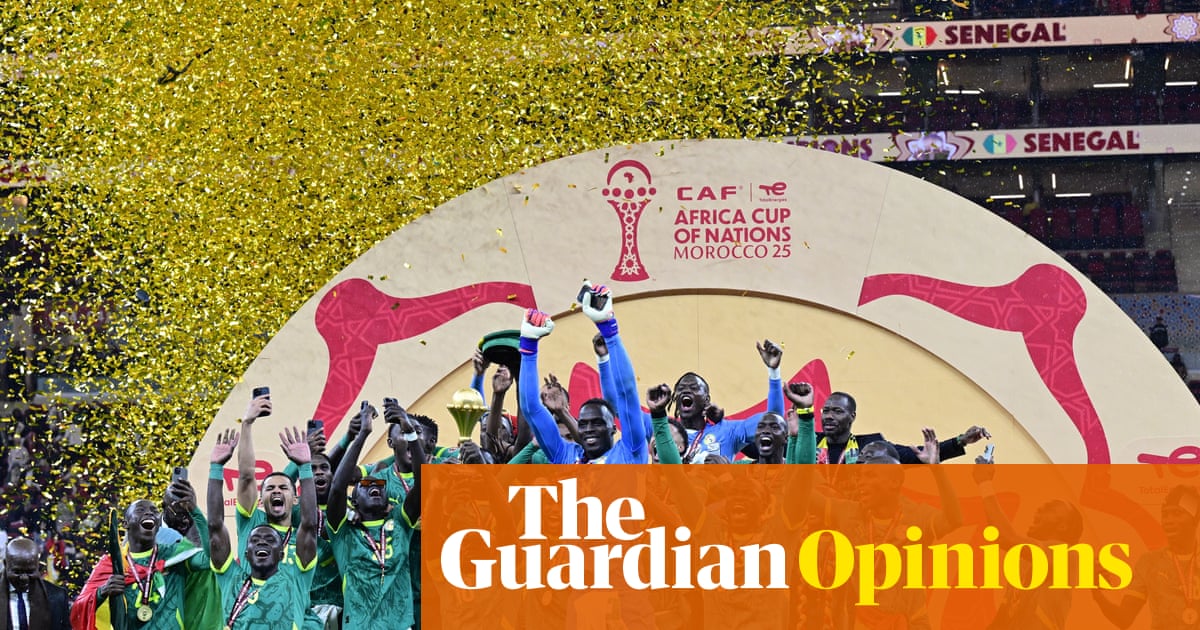
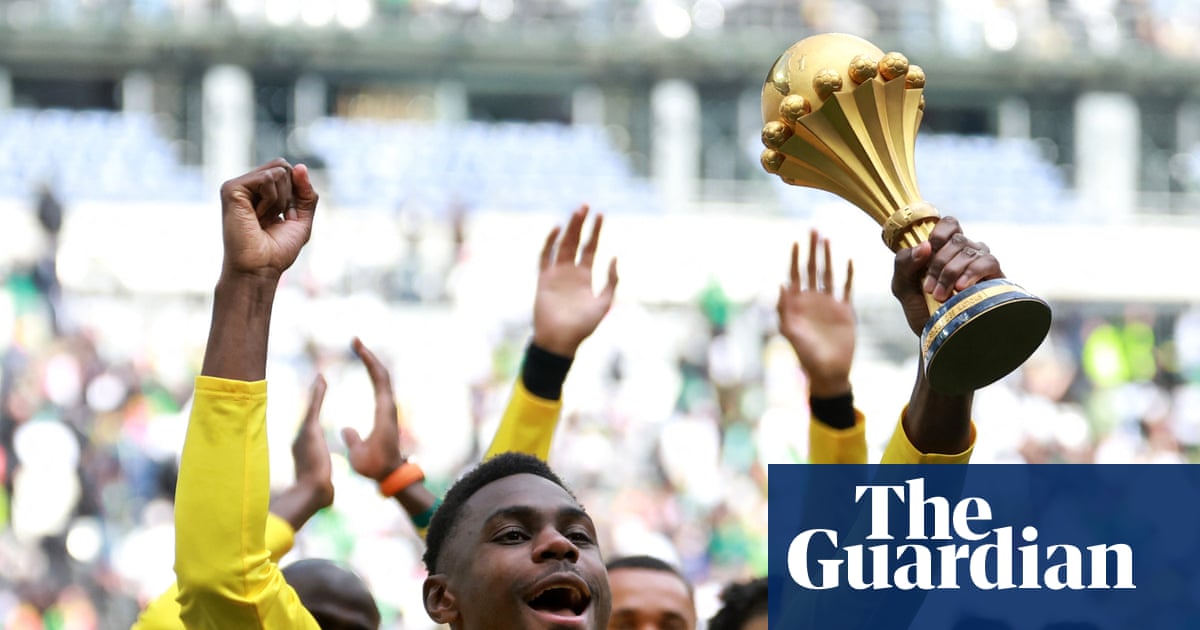
The pictures out of Paris are entirely unprecedented. Ahead of their Saturday friendly against Peru at the Stade de France, Senegal did the unthinkable by parading the Africa Cup of Nations trophy. This would be standard procedure for a newly crowned champion, except for one glaring detail.
The Confederation of African Football stripped Senegal of that exact title earlier this month. This was not an administrative mistake or a miscommunication between officials. It was a calculated, extremely public act of rebellion against the governing body.
The head coach summed up the mood of the entire dressing room in a single, unyielding sentence, as The Guardian reported.
"We know we're African champions."That is the official, uncompromising stance of the Senegalese national team. They do not recognize the CAF appeal board's authority on this specific matter.
They won the tournament on the pitch in January. As far as they are concerned, the metal stays with them.
We have seen teams protest refereeing decisions, orchestrate boycotts, and deliver angry press conferences. We have never seen a national team parade a revoked trophy in a major European stadium in front of international cameras.
The optics of this decision are staggering. Paris is a massive hub for the Senegalese diaspora, and by choosing the Stade de France for this display, the federation ensured maximum visibility. They knew exactly what they were doing. This was a broadcast to the entire footballing world.
The Root of the Conflict: The January Final
To understand how we arrived at a rogue trophy parade in March, you have to look back to the events of January. Senegal faced hosts Morocco in the AFCON final. Playing the host nation in a final is always a pressure cooker where every call is magnified and the crowd is relentlessly hostile.
The match quickly descended into pure controversy. We all know the breaking point. The Senegalese players walked off the field in protest.
Walking off the pitch is the ultimate taboo in modern football. It is the absolute nuclear option, and when a team crosses that line, the consequences are always going to be severe. You can argue about the officiating all you want or feel entirely robbed by the referee.
But abandoning a major international final is a massive, historic risk. Senegal took that risk because they believed the situation on the pitch warranted a full stoppage. Despite walking off, they still considered themselves the rightful winners of the tournament.
For a few weeks, it seemed they might actually get away with it. They took the trophy home to Dakar and celebrated with their fans. Then the hammer finally fell.
CAF's Unprecedented Strike
Earlier this month, the CAF appeal board took the unprecedented action to step in and deliver their verdict. Their decision was brutal, swift, and final. They officially disqualified Senegal.
The governing body essentially erased their victory from the history books. Walking off the pitch was deemed a step too far, ruled as an act that fundamentally compromised the integrity of the competition.
This was an unprecedented action from CAF. Stripping a national team of a continental title weeks after the final whistle sent shockwaves through the sport. It was a clear, unmistakable message that no team is bigger than the tournament itself.
Walk off the pitch, and you lose absolutely everything.
But CAF clearly underestimated Senegal's resolve. Instead of returning the trophy quietly and issuing a formal apology, Senegal kept it. And now, they are literally parading it around the pitch in France.
This puts CAF in an absolutely impossible position. What is their next move? They have already deployed their heaviest weapon by stripping the title.
Do they issue massive financial fines or ban Senegal from participating in the next AFCON tournament? The governing body has to respond to this provocation. If they do nothing, their authority is completely shattered.
A Critical Look at Senegal's Strategy
We have to look at this situation objectively. Senegal's defiance is incredible theater, but it is also deeply flawed.
Walking off the pitch during a final is entirely unprofessional. There are official channels for lodging protests, and while refereeing in high-stakes matches can be infuriating, abandoning the game damages the sport.
By parading a revoked trophy, Senegal are doubling down on a rule-breaking decision. They are acting like a rogue state within the footballing world. It is arrogant and assumes their specific grievance justifies ignoring the sport's established legal framework.
Their head coach can say they are champions all he wants. But the official record books will now forever have an asterisk or a blank space for that tournament. You cannot simply decide you won when the governing body has officially disqualified you.
It sets a dangerous example for younger players watching around the world. It suggests that if you are angry enough, the rules do not apply to your team. The fans in the Stade de France loved it, but from a purely sporting perspective, this is a complete mess.
The Logistics of Rebellion
Consider the actual logistics of what happened in Paris. Someone had to pack the physical Africa Cup of Nations trophy into a case and transport it to France.
They had to bring it into the stadium dressing room and coordinate the players walking out with it. This was not a spur-of-the-moment emotional reaction. It required planning and sign-off from the highest levels of the Senegalese football federation.
They sat down in a room and decided to openly mock CAF on international television. That level of premeditation takes this from a player protest to an institutional rebellion.
It forces the question of whether FIFA will eventually have to step in to mediate. When a member federation openly defies its continental governing body, the global structure of the sport is threatened.
The Peru Friendly and the Reality Check
Amidst all this intense political theater, there was actually a football match to play. Senegal lined up against Peru for a standard international friendly on a cold Saturday night.
But the football felt completely secondary to the pre-match parade. How do the players actually focus on a friendly match when they are locked in a massive war with their confederation?
The psychological toll of this entire saga must be incredibly heavy on the squad. They fought through a grueling tournament in Morocco, dealt with the absolute chaos of the final, and faced the subsequent disqualification.
Now they are carrying around a trophy that officially belongs to absolutely no one. The squad is highly talented and built to compete at the absolute highest level of international football.
But this off-field drama is a massive, unavoidable distraction. As we get closer to the 2026 World Cup qualifiers and the tournament itself, Senegal needs total stability. Right now, they have pure chaos.
Probability of Heavy Sanctions: 100%
If we are assessing the likelihood of CAF dropping the hammer, the probability is absolute. There is zero chance the confederation lets this slide.
The parade was too public and too deliberate. Expect formal charges to be announced within the week, with potential bans for federation officials and massive financial penalties.
The Expected Impact
This story is clearly not over. The parade in Paris absolutely guaranteed that CAF will hold emergency meetings in the coming days to address the fallout.
The working relationship between Senegal and CAF is completely broken. There is no easy diplomatic fix here because neither side is going to back down now.
Senegal feels completely justified in their actions, believing they were robbed in Morocco. They are simply asserting their rightful status as the best team on the continent. CAF feels entirely justified in their punishment, believing you simply cannot walk off the pitch without facing the most severe consequences available.
Both sides are deeply entrenched in their positions. The standoff will continue indefinitely, but for tonight in Paris, Senegal held the gold. Official or not, they made sure everyone in the world saw it.
Read Next
- Senegal's Stade de France rebellion and the tactical cost of defiance
- Top 10: Top Moments of the Season
- Roberto Martinez is taking a massive gamble with Portugal
- Manchester United’s £190m midfield crisis requires a ruthless tactical reset
- 🇲🇦 Morocco World Cup 2026 — Atlas Lions Hub
- 🇸🇳 Senegal World Cup 2026 — Lions of Teranga Hub
- 🇫🇷 WC 2026 Group I — France, Senegal, Norway