Senegal’s AFCON walk-off is about to become a CAS legal nightmare

The 58-day ghost of the AFCON final
International football is rarely efficient, but the current state of the Africa Cup of Nations has descended into a specific brand of administrative chaos that threatens to overshadow the upcoming World Cup. We are currently 58 days removed from the final in Morocco, and yet the identity of the continental champion remains a matter of litigation rather than athletic achievement. The Court of Arbitration for Sport (CAS) has now confirmed it will hear Senegal’s appeal, a move that effectively puts the entire CAF hierarchy on trial.
The facts of the January final are as jarring as they are controversial. Senegal’s players walked off the pitch in protest after a penalty was awarded to the hosts. It was a moment of collective defiance that has since been met with a hammer blow from the CAF appeal board, who took the unprecedented step of stripping Senegal of the title and awarding it to Morocco. As the Daily Mail reported, this decision came nearly two months after the final whistle should have blown, creating a vacuum where a trophy ceremony should have been.
From a tactical standpoint, the walk-off was the ultimate breakdown of structural discipline. Senegal had neutralized Morocco’s wing-play for the better part of eighty minutes, squeezing the space between the lines and forcing the hosts into hopeful, long-range efforts. When the penalty was signaled, the systemic collapse wasn't just emotional; it was a total abandonment of the professional contract. By leaving the field, Senegal forfeited their right to the narrative, but the subsequent 58 days of silence from CAF only served to validate the suspicion that the governing body was unprepared for such a high-stakes rebellion.
Wayne Rooney and the £27m City exit
While the legal battle rages in Lausanne, the domestic scene in England is producing its own friction as we approach the June kickoff in North America. Wayne Rooney, never one to mince words regarding player ambition, has publicly advised a Manchester City star to seek a move away from the Etihad. The player in question, valued at £27 million and heavily linked with Chelsea, has found himself on the periphery of Pep Guardiola’s rotation despite City’s recent Carabao Cup success against Arsenal.
Rooney’s intervention is a blunt assessment of the 'gold-plated bench' syndrome. At City, a player can win three trophies a season while playing fewer than 1,200 minutes. For a talent linked with a move to Stamford Bridge, the calculation has changed. With the World Cup less than eighty days away, squad status is no longer about medals; it is about match sharpness. As Metro UK detailed, Rooney’s logic is simple: a £27m asset is of no use to a national team if he is only seen during injury time of a cup final.
The irony of the situation is that City’s depth is exactly what makes them so formidable in the spring. Guardiola’s ability to swap one elite technician for another allows them to maintain a high-press intensity that Arsenal simply couldn't match in the Carabao Cup final. However, for the individual, the tactical rigidity of City’s system means that if you aren't a primary cog, you are invisible. Rooney knows that a move to Chelsea, despite their own historical instability, offers a clearer path to the starting eleven for a player of this profile.
Steve Clarke’s final countdown
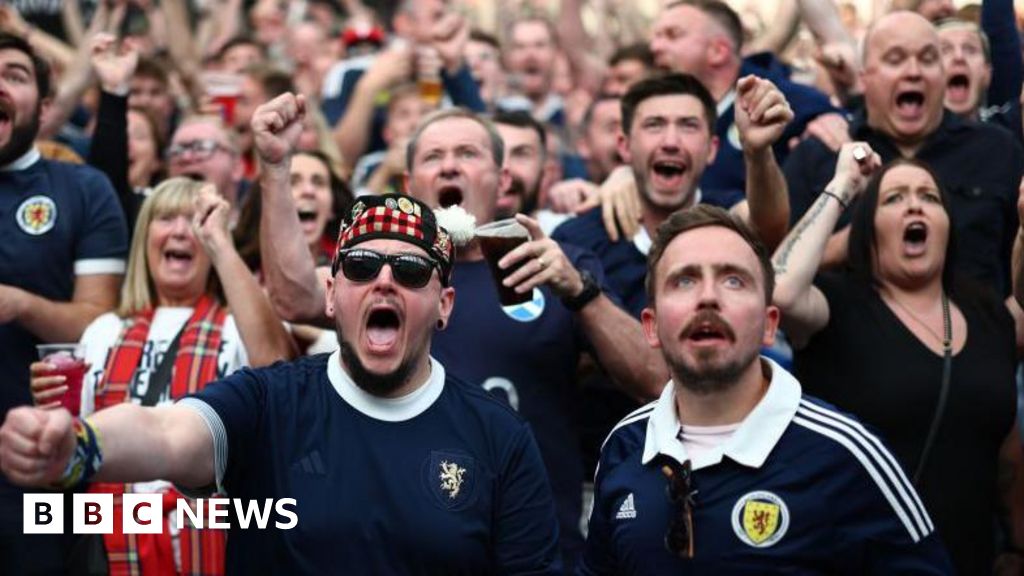
In Scotland, the mood is more sober but no less intense. Steve Clarke is preparing for the final pre-World Cup camp, and the questions facing him are fundamental to Scotland’s chances of progression in June. Clarke has built a team on the foundations of a disciplined back five and a transition-heavy midfield, but several key positions remain in flux. The goalkeeping situation, in particular, has become a point of contention among the Tartan Army as the veteran options face stiff competition from younger, more mobile alternatives.
The tactical challenge for Clarke is how to evolve without losing the defensive solidity that got them to the tournament. Scotland’s success has always been predicated on being difficult to beat, but in a World Cup format, draws are often not enough. As the BBC highlighted, this camp is the last opportunity for Clarke to experiment with his attacking triggers. Does he stick with the lone striker system that served him well in qualifying, or does he shift to a more aggressive 3-4-2-1 to accommodate the surging form of his creative midfielders?
One critical observation of the current Scotland setup is their over-reliance on a small core of Premier League regulars. If one of those pillars suffers an injury in the next six weeks, the drop-off in quality is significant. Clarke’s task in this final camp is to stress-test his 'B' options. It is a precarious balancing act: building momentum while simultaneously preparing for a worst-case scenario. The technical staff will be watching every training session with a microscope, looking for the specific pressing triggers that will be required against elite opposition in the group stages.
The CAS verdict and the shadow over June
Returning to the AFCON mess, the CAS statement promising a 'swift decision' is more than just a legal platitude. It is a necessity. If the 2026 World Cup begins while the African champions are still being decided in a courtroom, it will be a stain on the sport's global governance. Senegal’s appeal is based on the argument that the forfeit was a disproportionate response to a moment of genuine officiating grievance. Morocco, conversely, will argue that the integrity of the competition requires teams to finish the matches they start.
The Confederation of African Football appeal board took action after Senegal's players walked off the field in protest after a decision to hand their hosts a penalty.
The precedent here is dangerous. If CAS sides with Senegal and orders a replay or a reversal of the title stripping, it undermines the authority of the referee on the pitch. If they side with Morocco, it confirms that a walk-off is a terminal error regardless of the provocation. In the 87th minute of a final, emotions are at their peak, but the tactical discipline required to stay on the field and fight through a perceived injustice is what separates champions from also-rans.
There is a harsh reality that both Senegal and CAF must face: this entire episode has been a PR disaster. The 'U-turn' mentioned by Mirror Football regarding the initial handling of the final suggests a lack of clear protocol within the African governing body. This isn't just about a trophy; it's about the credibility of African football on the world stage. When the World Cup kicks off on June 11, the narrative should be about the talent on the pitch, not the lawyers in the boardroom.
Tactical fatigue and the summer ahead
As we look toward the summer, the convergence of these stories—the legal battle for AFCON, the transfer restlessness at City, and the tactical tinkering in Scotland—points to a tournament defined by uncertainty. Players are exhausted, managers are anxious, and the governing bodies are struggling to keep pace with the sheer volume of controversy. The modern game has become so dense with subplots that the actual football sometimes feels like a secondary concern.
The Scotland camp will likely provide the most grounded answers. Steve Clarke is a manager who thrives on clarity. He will use this week to filter out the noise and focus on the 180 minutes of football that will define his legacy. For Senegal, however, there is no such luxury. Their players will be training under the shadow of a decision that could retroactively change the history of their careers. It is an unenviable position, and one that highlights the fragility of the sport's current infrastructure.
In the end, the 2026 World Cup will arrive whether the AFCON title is settled or not. But for the fans in Dakar and Rabat, the wait has already been far too long. The 'swift decision' from CAS cannot come soon enough. Football belongs on the grass, not on a legal brief, and the sooner we return to discussing formation shifts instead of forfeit clauses, the better for everyone involved.
Read Next
- Wales' World Cup Dream Rests on One Final, Brutal Test
- The Title Decider? Man City and Arsenal Face a Reckoning
- Top 10: Moments Defining the 2026 Football Run-In
- Top 10: Moments Defining the 2026 Football Run-In
- 🏆 World Cup 2026 — Full Coverage Hub
- 🇲🇦 Morocco World Cup 2026 — Atlas Lions Hub
- 🇸🇳 Senegal World Cup 2026 — Lions of Teranga Hub
- 🏴 Scotland World Cup 2026 — Tartan Army Hub
- 🇧🇷 WC 2026 Group C — Brazil, Morocco, Scotland, Haiti
- 🇫🇷 WC 2026 Group I — France, Senegal, Norway
Nike Premier League Pitch Soccer Ball
A highly visible, durable training ball for everyday play.
More Coverage

Why England must fear Panama's disciplined low block
3 hours ago
Manchester City's business model is frankly terrifying
6 hours ago
Gareth Taylor is finally proving his skeptics wrong at Manchester City
10 hours ago
Cristian Volpato makes a high-stakes call ahead of the World Cup
12 hours ago
Arsenal and England breathe sigh of relief as Bukayo Saka manages training load
13 hours ago
Neymar's World Cup status in doubt after training camp medical emergency
14 hours agoMore Analysis

Véron Mosengo-Omba finally quits but Caf is still a blazing dumpster fire
2 months ago
Steve Clarke is walking a tightrope before the World Cup
1 week, 3 days ago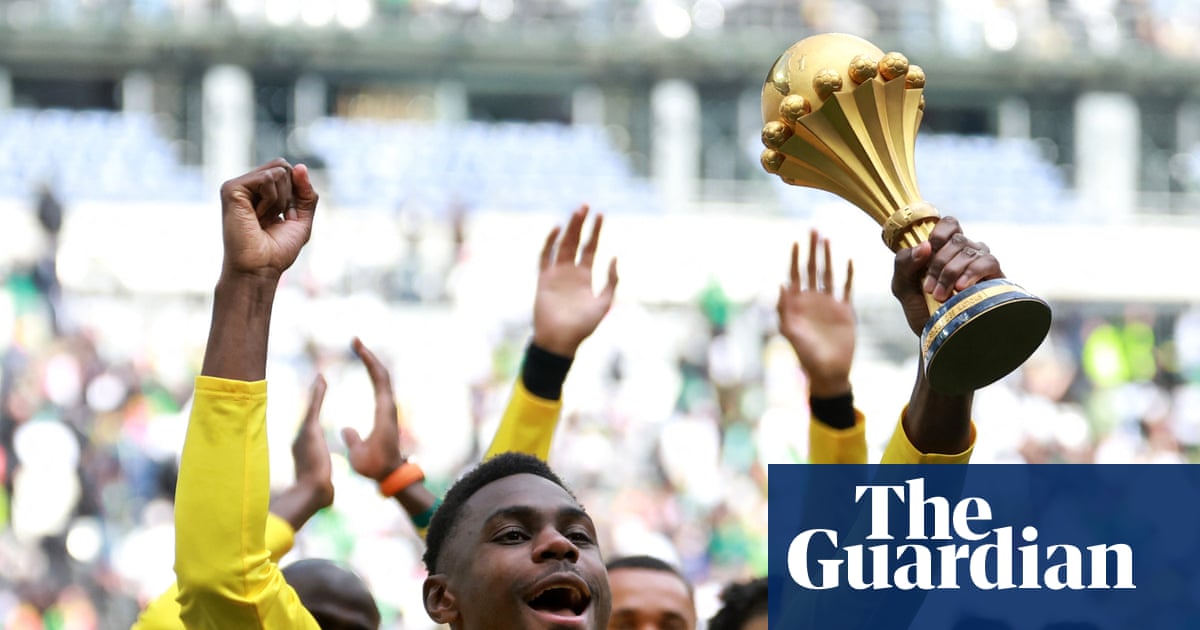
Senegal's rogue trophy parade in Paris is a direct challenge to CAF
2 months ago
Scotland are sleepwalking into a World Cup disaster
1 month, 4 weeks ago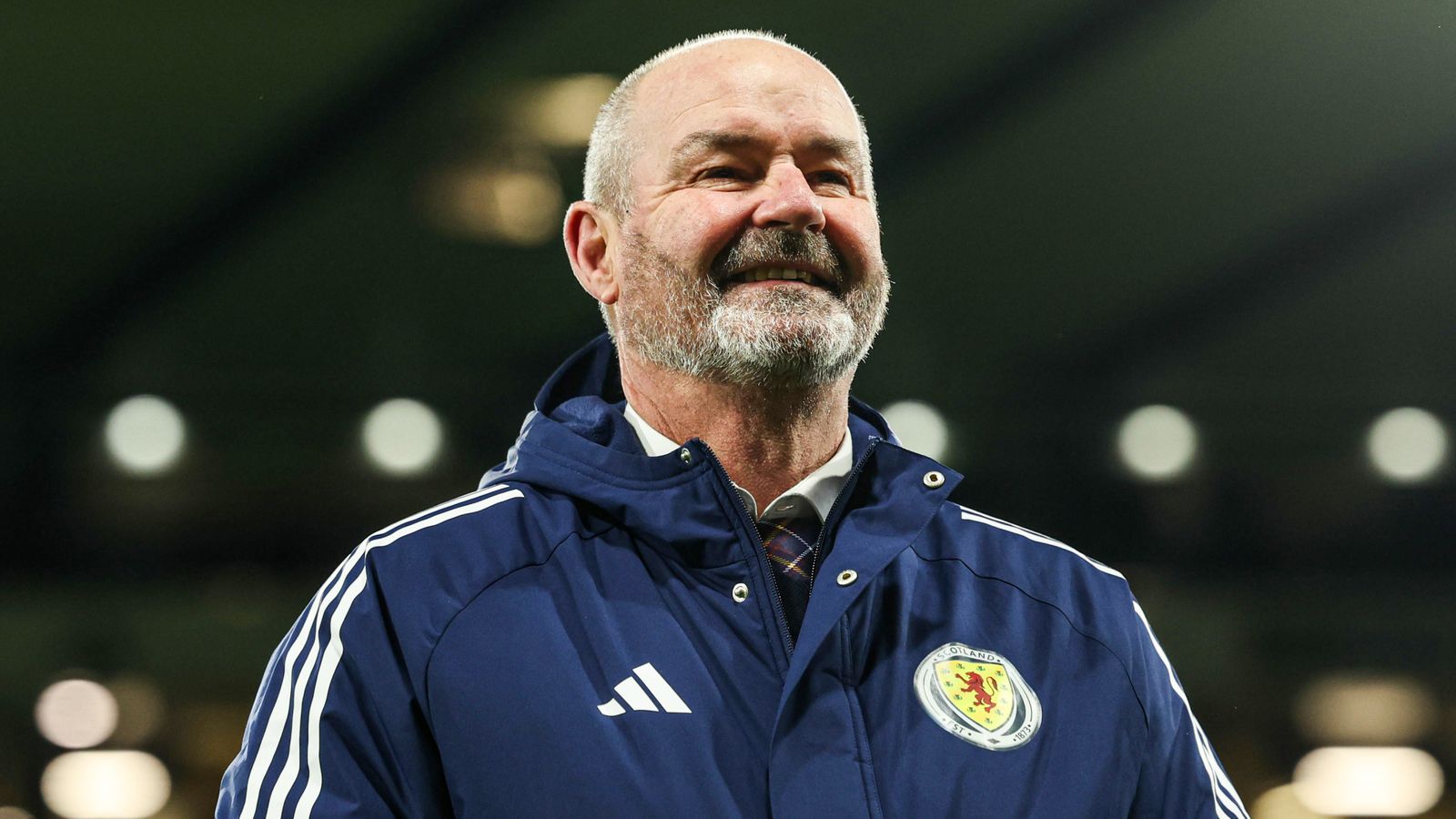
Steve Clarke's Scotland gamble is a dangerous game
1 month, 4 weeks ago