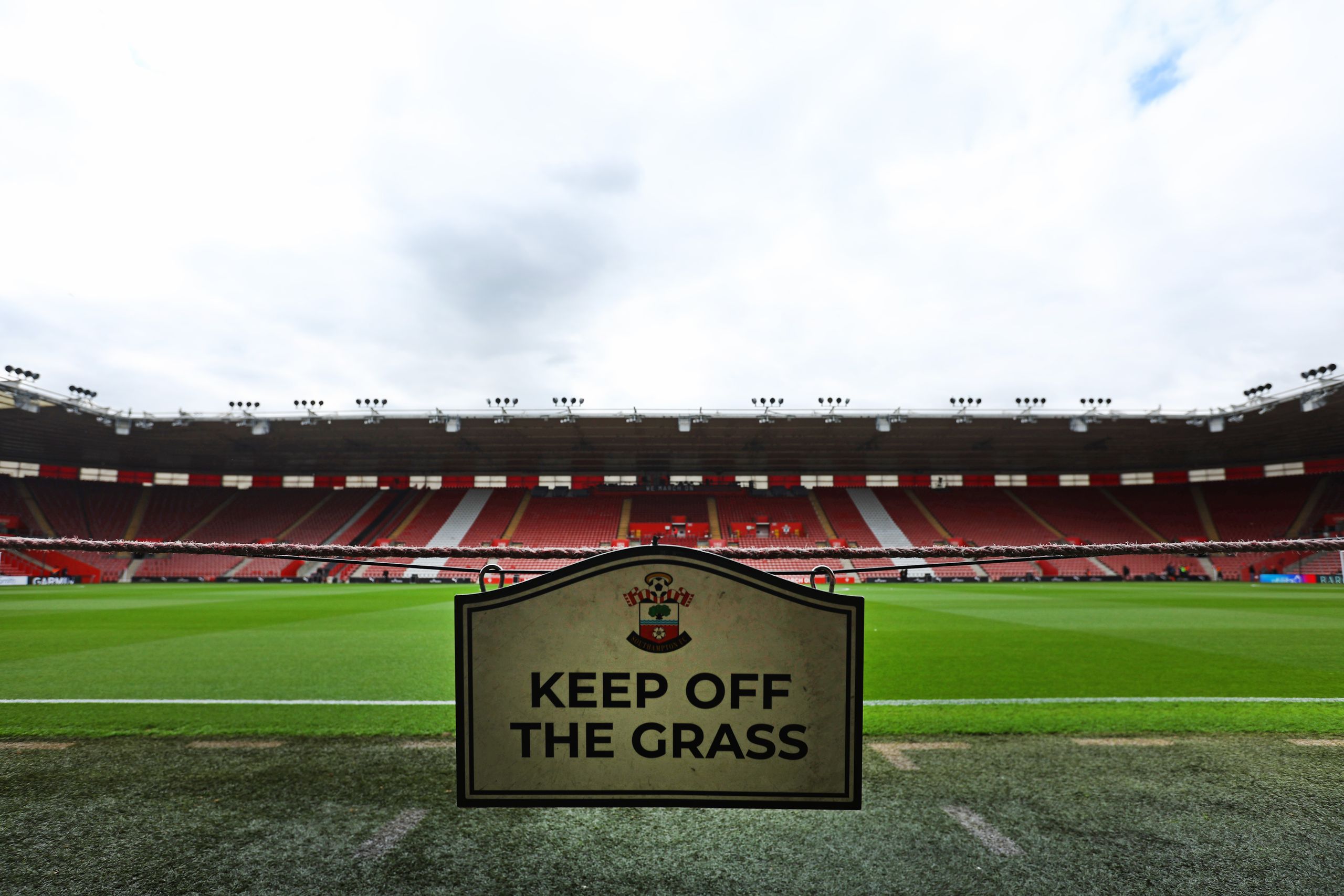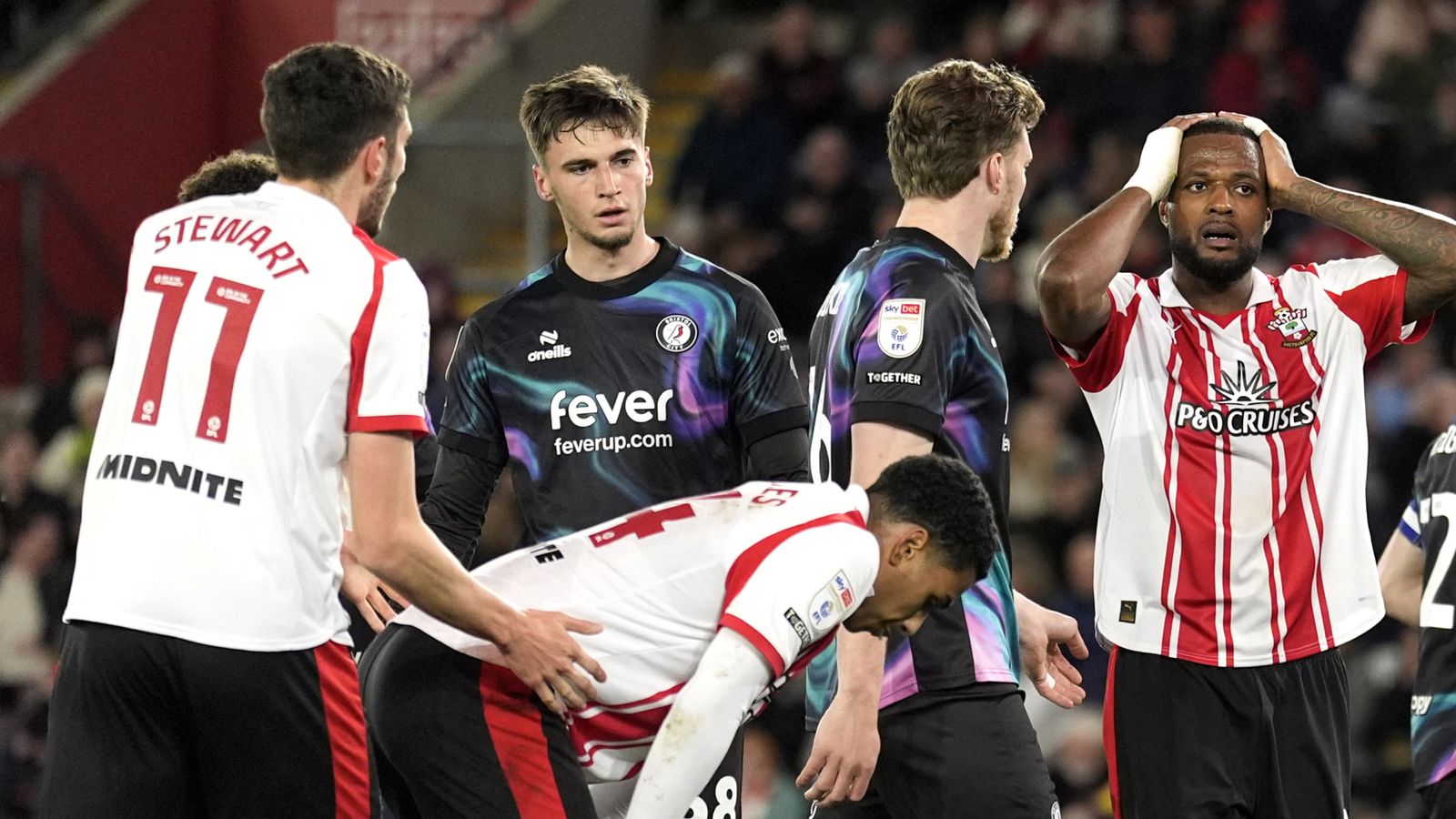
Eckert’s tactical discipline at St Mary’s
Fifty years after their solitary FA Cup victory, Southampton are rewriting their own history. Under manager Eckert, this squad has transitioned from relegation candidates to a genuine threat to the elite. They are currently hunting an improbable Wembley treble that would redefine the club’s modern standing.
The skepticism surrounding this group was rampant in August. Critics pointed to a porous transition defense that conceded 1.8 goals per game during the opening month. Eckert addressed this by pushing his defensive line higher, forcing opponents into tight zones rather than allowing them space to pivot in midfield.
The evolution of the Saints' press
The numbers behind this rise offer no room for debate. Southampton’s success rests on their intensity in the final third, winning the ball back in high-danger zones an average of 14 times per 90 minutes. This high-octane approach mirrors what Alan Shearer recently described as a structural revolution, not merely a run of good fortune.
However, the heavy load on the squad’s primary engine, the midfield duo, creates a vulnerability. In the 72nd minute of their last three fixtures, their pass completion rate dropped by 12 percent. Fatigue is becoming internal baggage, and against top-flight quality, a late-stage lapse in concentration could unravel weeks of defensive diligence.
What stands between Southampton and the trophy?
The path to Wembley requires precision in navigating the upcoming congested fixture list. With the FA Cup spotlight intensifying, they lack the squad depth to rotate without sacrificing their tactical identity. They succeed only when the press is synchronized; when one player tracks back late, the entire shape collapses.
Their next outing will be a litmus test of their conditioning. If Eckert persists with the same starting XI, he risks injuries to the players responsible for the high press. Yet, replacing them weakens the attacking threat that has seen them net 48 goals this campaign.
The verdict for the road ahead
Expect Southampton to lean heavily on set-pieces in their upcoming high-stakes clashes. They have scored 11 goals from dead-ball situations, a direct result of meticulous delivery and aggressive movement in the box. This provides a safety net when their fluid play stalls.
I predict they secure a spot in the final, though likely in a narrow fashion. They will concede early, force a comeback, and settle the match in the final 10 minutes. The dream of a treble is an outlier in the current data, but Southampton is defying the regression models that once predicted their failure.