The Physical Toll of the London Survival Fight
As the Premier League enters its final month, the battle for survival has narrowed to a two-team sprint between Tottenham Hotspur and West Ham United. On the surface, it is a fight for points and goal difference, but in the corridors of the training grounds, it is a struggle against physical breakdown. The contrast between these two London rivals is as much about their medical charts as it is about their tactical setups.
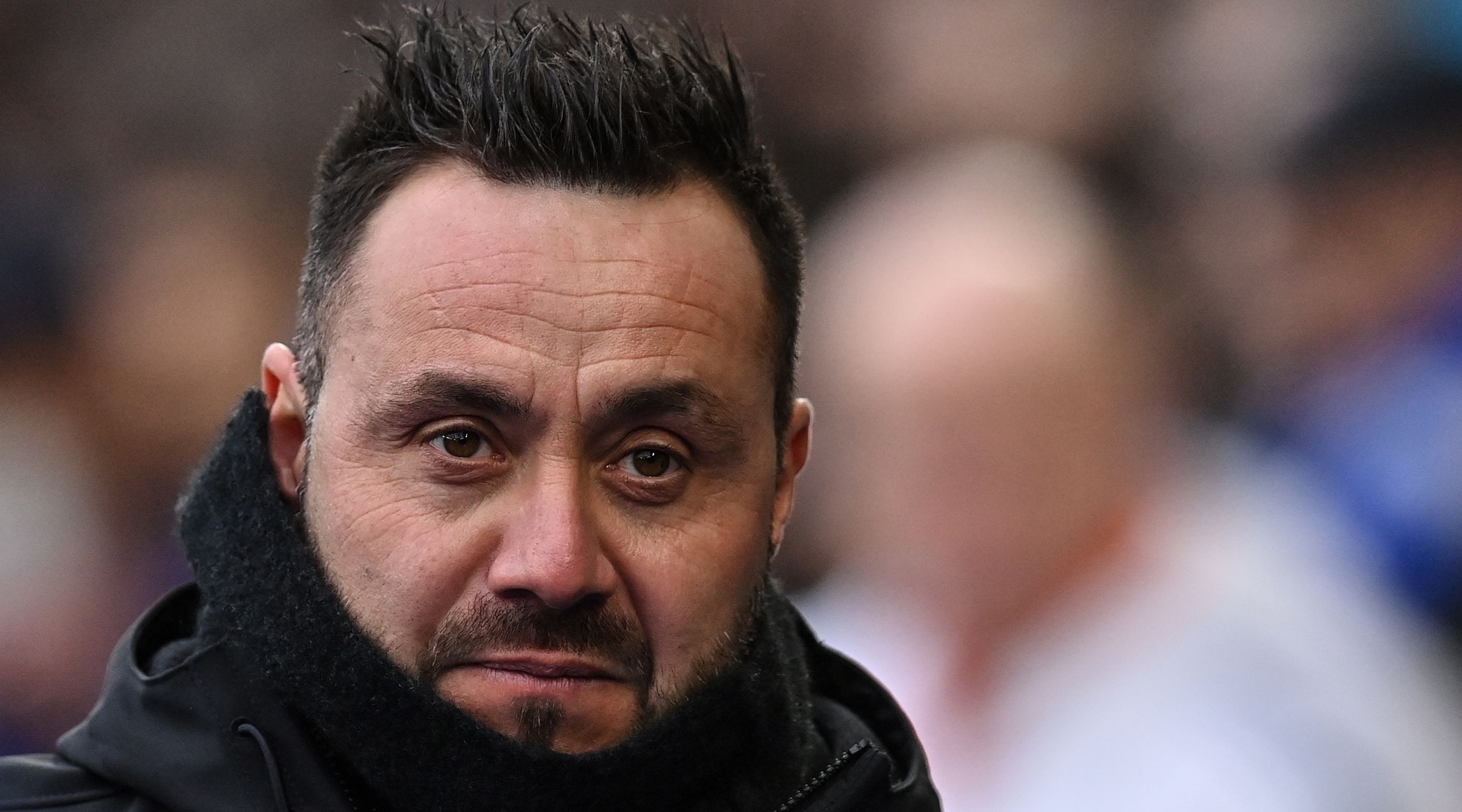
Tottenham, currently sitting 18th with 31 points, are in the midst of a historic winless streak that has now reached 15 matches. While Roberto De Zerbi’s tactical brilliance was supposed to elevate the club, his high-intensity requirements have instead left the squad looking like a walking casualty ward. The medical department at Enfield is under fire for failing to manage a load that has seen the first team's core decimated by long-term ligament injuries.
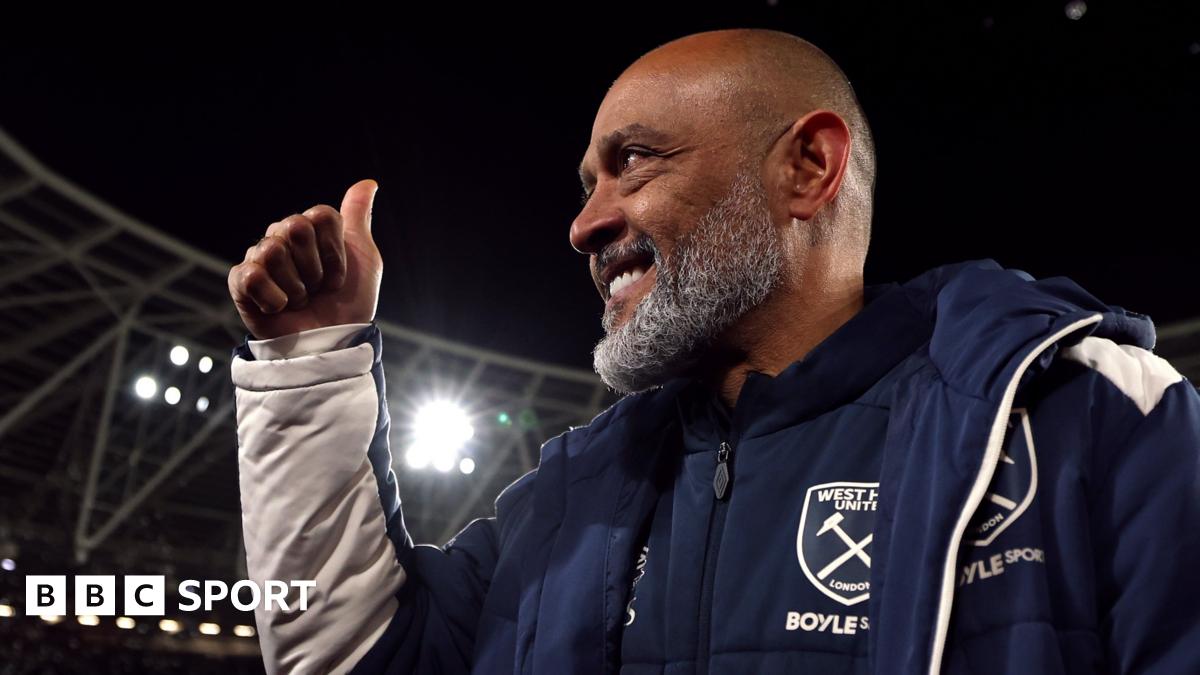
West Ham, by contrast, have found safety in the relative health of their squad under Nuno Espirito Santo. Sitting just two points above the drop zone, the Hammers are the betting favorites to survive simply because they have players available to play. It is a grim reality for a club of Spurs' stature, facing their first potential relegation since 1977, that their fate might be decided by a physiotherapist’s report rather than a striker's finishing.
The Tottenham Medical Meltdown
The situation at Tottenham is nothing short of a medical catastrophe. The news that captain Cristian Romero is officially out for the season with a knee injury sustained against Sunderland has effectively gutted the defense. Romero was the emotional and physical anchor of a backline that now looks exposed and timid without his presence.
Adding to the misery is the continued absence of Mohammed Kudus, whose recovery from a quad tendon injury has stalled significantly. Reports from the training ground suggest Kudus suffered a setback that may require further surgery, meaning he will almost certainly not feature in the final five matches. This leaves Spurs without their most creative outlet at a time when goals are the only currency that matters.
Perhaps most damning is the case of Dejan Kulusevski, who has not played a single minute this entire 2025-26 campaign. A complicated patella injury has kept him sidelined for months, a situation that many fans are beginning to question. How does a key asset miss an entire season without a clear timeline for return until it's effectively too late?
The return of James Maddison to the bench against Brighton on April 18 was a rare bright spot, but even that felt like a desperate throw of the dice. Maddison has missed the entire season with an ACL injury and throwing him into a relegation dogfight after nearly a year out is a massive gamble. It highlights the lack of options available to De Zerbi as he tries to find a way to stop the rot before the North London Derby.
Nuno’s Health-First Survival Strategy
While Spurs are patching together a lineup with youth prospects and returning long-term absentees, West Ham are enjoying a period of remarkable fitness. Nuno Espirito Santo’s style of football is often criticized for being overly cautious, but its impact on player longevity cannot be ignored. By playing a deeper block and reducing the distance covered at high speeds, Nuno has kept his star players on the pitch.
Jarrod Bowen, Lucas Paquetá, and Konstantinos Mavropanos are all fully fit and available for the run-in. This gives the Hammers a level of consistency that Spurs can only dream of. Even Crysencio Summerville, who gave the medical staff a scare with a calf strain earlier this month, is expected to be available for the upcoming Everton fixture.
The only significant absence for the Hammers is veteran goalkeeper Lukasz Fabianski, which has little impact on the starting eleven. Having a settled squad allows Nuno to drill his defensive patterns with the same group of players every week. In a survival fight, that familiarity is worth more than any tactical innovation that requires 12 kilometers of running per player.
The data suggests that West Ham’s lower intensity is their greatest asset in this specific moment. While Spurs are trying to play a version of total football with a squad held together by tape, West Ham are comfortably sitting in their shape and waiting for the opposition to break. It isn't pretty, but it is functional, and in April, functional wins matches.
The Strategic Failure of De Zerbi’s Intensity
There is a growing consensus that the injury crisis at Spurs is a direct result of the training methods introduced by Roberto De Zerbi. The Italian demands a level of physical output that the current squad was perhaps not built to sustain. Moving from a more pragmatic approach to a system that requires constant pressing and explosive transitions has led to an epidemic of soft tissue and ligament failures.
The loss of Wilson Odobert to a ruptured ACL in February was the tipping point. Odobert was one of the few players who seemed to thrive in De Zerbi's system, but the sheer volume of high-speed sprints eventually took its toll. Critics have pointed out that Spurs have had more ACL and knee-related injuries this season than in the previous three seasons combined.
This raises serious questions about the communication between the coaching staff and the medical department. In the modern game, load management is a science, yet Spurs seem to be operating with a reckless disregard for player safety. One critical observation that cannot be ignored is that Spurs are often leading matches only to collapse in the final 15 minutes—a clear sign of physical exhaustion.
If you cannot maintain the intensity for 90 minutes, the system becomes a liability rather than an advantage. The 2-2 draw against Brighton was the perfect example of this. Spurs looked brilliant for an hour but finished the match looking like they were playing in slow motion. Conceding a 95th-minute equalizer is a fitness failure, not just a tactical one.
Historical Context of Injury-Led Relegation
We have seen this script play out before in the Premier League. The 2003-04 Leeds United side is perhaps the most famous example of a large club falling apart due to a combination of financial mismanagement and a thinning squad. While Spurs don't have the same financial worries, the result on the pitch is eerily similar—a team that looks too good to go down but doesn't have the bodies to stay up.
More recently, Leicester City's drop in 2023 was accelerated by key injuries to their creative core. When a team loses its defensive leader and its primary playmaker at the same time, the structure of the side evaporates. Spurs are currently playing without their best defender, their two best wingers, and their primary attacking midfielder has only just returned to the bench.
The psychological impact of seeing teammates go down one by one cannot be overstated. There is a sense of impending doom that permeates a squad when every match seems to result in another name being added to the injury list. It leads to players second-guessing their own movements, fearing the same fate, which only increases the risk of mistakes.
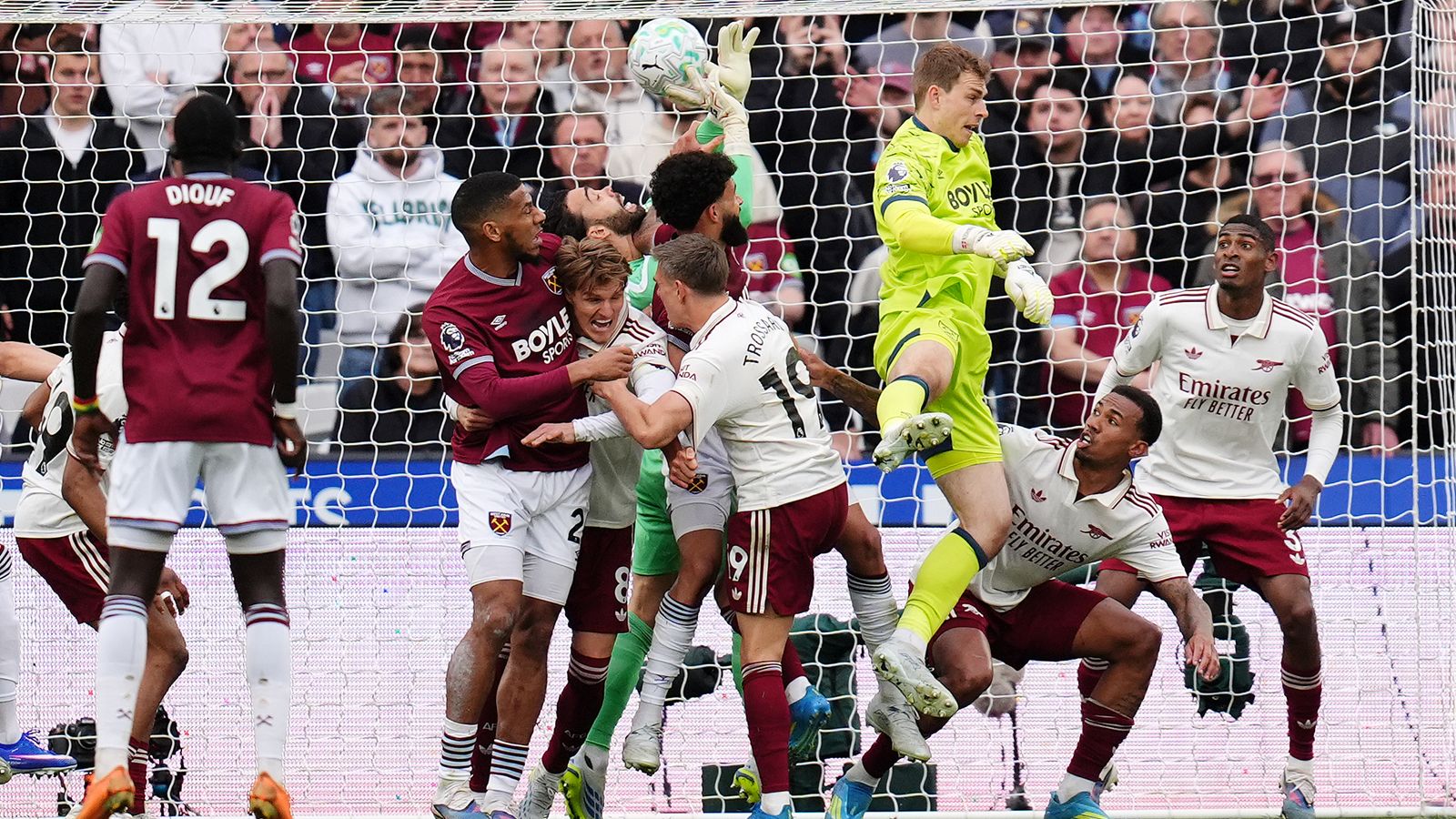
West Ham, conversely, are playing with the confidence of a team that knows it can rely on its physical strength. They are winning the 'second ball' battles that often decide relegation scraps. Nuno has leaned into this, emphasizing a physical, almost abrasive style of play that is designed to wear down opponents who are already on the edge of exhaustion.
The Final Five Games: A Race Against the Clock
The run-in favors the Hammers, both in terms of fixtures and fitness. West Ham have winnable games against Everton and Leeds at home, where their physical superiority should tell. Spurs, meanwhile, face a daunting trip to Wolves followed by a North London Derby against Arsenal that could be the final nail in their top-flight coffin.
For Spurs to survive, they need a medical miracle. They need James Maddison to find his 2024 form in his first 20 minutes on the pitch. They need Guglielmo Vicario to return from hernia surgery and provide a level of shot-stopping that Antonin Kinsky simply hasn't matched. Most importantly, they need De Zerbi to accept that his system may need to be dialed back to accommodate a tired and depleted squad.
The Opta supercomputer currently gives Tottenham a 57.2% chance of relegation. It is a staggering number for a club that was playing in a Champions League final less than a decade ago. If they do go down, the post-mortem will likely focus on the tactical rigidity of the manager, but the real story is in the treatment room.
West Ham aren't safe yet, but they have the momentum of health. In the high-stakes world of the Premier League, sometimes the most important ability is availability. As we head into the final weeks of April 2026, the Hammers have it, and Spurs are desperately searching for it in a pharmacy.