The physical collapse of a North London giant
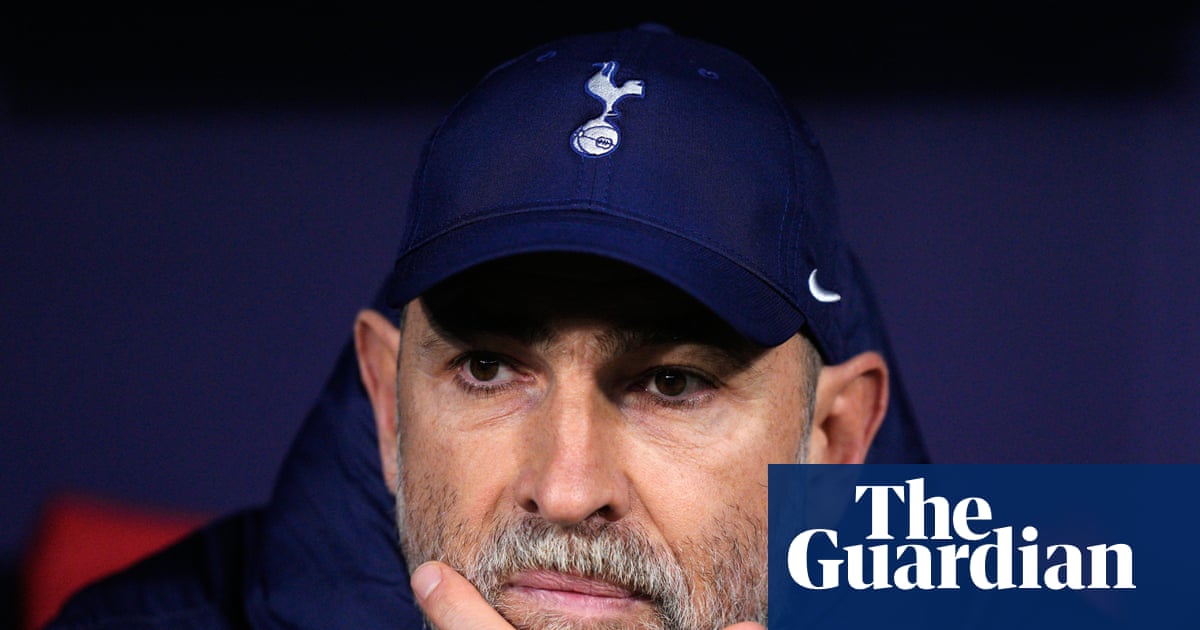
Tottenham Hotspur’s winless run continued at the weekend, pushing the club deeper into a crisis that no longer feels like a temporary dip in form. The reality is now staring fans in the face: a side that was playing Champions League football just weeks ago is now in serious danger of playing in the Championship next season. While the tactical failings of Igor Tudor have been dissected by every pundit from Carragher to Keane, the real story is the catastrophic breakdown of the squad’s physical condition.
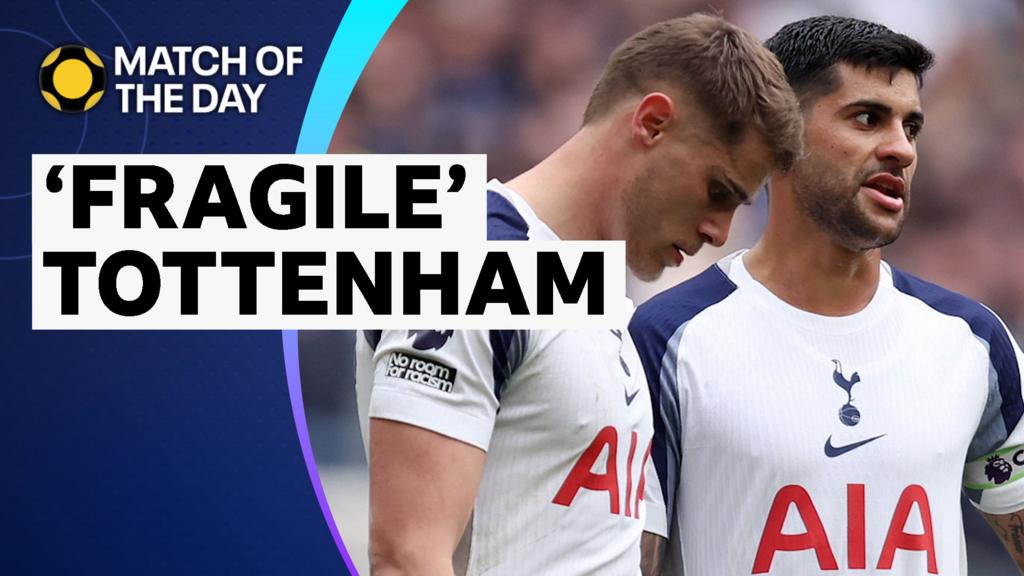
The latest blow fell on Saturday morning when Micky van de Ven was ruled out of the weekend fixture with a recurrence of the hamstring issue that has plagued his 2025-26 campaign. Medical staff at Hotspur Way confirmed it is a grade three tear, effectively ending his season and putting his participation in the 2026 World Cup for the Netherlands at risk. Without his recovery pace, the high line Tudor insists on playing has become a suicide note in every Premier League fixture.
Van de Ven isn't an isolated case. James Maddison has been playing through what sources describe as a chronic syndesmosis issue in his right ankle, a legacy of the heavy challenges he’s absorbed since February. His movement is restricted, his lateral quickness is gone, and his substitution in the 62nd minute of the last three matches isn't tactical — it's a medical necessity to prevent a total ligament rupture. When your primary creative engine is running on 40% capacity, the goals dry up fast.
Training intensity and the Tudor philosophy
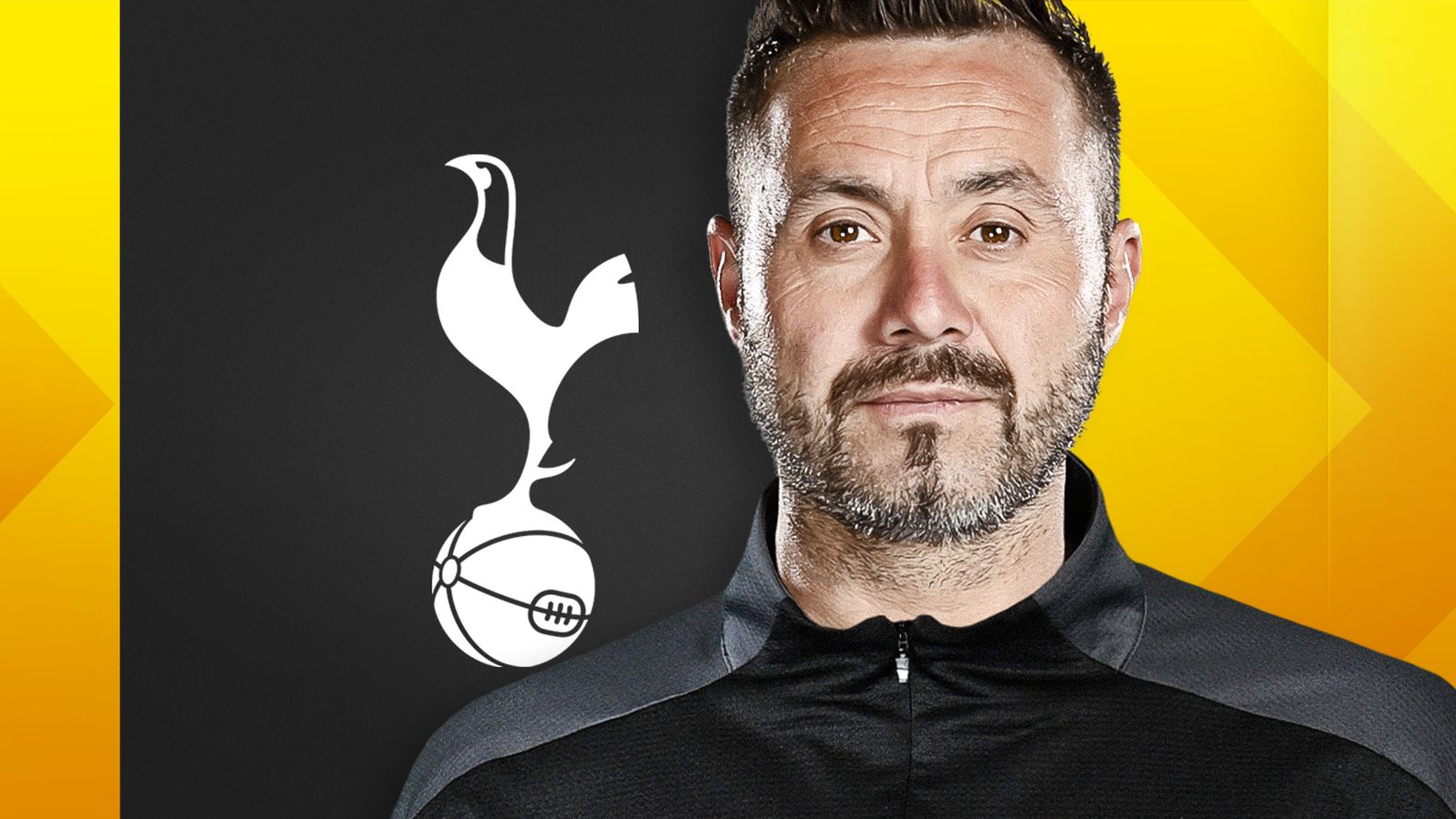
The arrival of Igor Tudor as manager was meant to bring steel to a club often accused of being too soft. Instead, it has brought a wave of soft-tissue injuries that suggests a disconnect between the coaching staff’s demands and the players’ physiological limits. Tudor has publicly dismissed the medical concerns, famously telling his players to shut out the "bulls***" and "black magic" and simply stand up and fight. But fighting requires healthy hamstrings and functioning joints.
Insiders suggest that the double sessions implemented during the March international break — intended to instill a "relegation battle mentality" — have backfired. Cristian Romero, who only recently returned from a calf strain, looked visibly exhausted by the 70-minute mark of the weekend’s defeat. The high-pressing system requires a level of aerobic capacity that this squad simply hasn't maintained, leading to a late-game collapse that has seen Spurs drop 12 points from winning positions since the start of March.
The goalkeeping situation adds another layer of farce to the medical report. Guglielmo Vicario’s absence against Atlético Madrid was originally framed as a performance-based decision, with Antonin Kinsky taking the gloves. However, it has emerged that Vicario has been managing a wrist fracture sustained in training. The decision to keep him on the bench as cover rather than sending him for surgery highlights the desperation of a club that cannot afford to lose another senior figure.
Lauren and the rival perspective
The plight of the club has become so dire that even their fiercest rivals are starting to feel a twinge of concern. Arsenal Invincible Lauren has spoken out about the situation, explaining that he actually wants to see Tottenham remain in the top flight. "Tottenham's winless run continued at the weekend and their Premier League status is now in serious doubt," Lauren noted, as The Mirror reported earlier today. It is a rare moment of cross-London solidarity, though likely born from a desire to keep the North London Derby on the calendar rather than any genuine love for the Lilywhites.
Lauren's comments reflect a broader industry fear: that the Premier League is better with its traditional big hitters involved. But history doesn't care about brand value or stadium size. When Leeds United went down in 2004, they did so with a squad that looked, on paper, like it belonged in Europe. The same happened to West Ham in 2003 with their "too good to go down" generation. This Spurs side is following that exact trajectory, where a bloated wage bill meets a thinning medical report.
"It is the biggest nonsense to suggest the players do not care about the club's current plight," Micky van de Ven said recently, hitting back at claims of a lack of commitment.
While commitment might be there, the physical capability is not. The squad is being asked to sprint when their bodies are screaming for rest. The resulting lack of cohesion is what leads to the errors that have characterized this winless run — misplaced passes, slow reactions to second balls, and a total lack of marking on set pieces.
The World Cup shadow
With the 2026 World Cup just 51 days away, the medical department is also battling the psychological impact of injury. Players like Son Heung-min and Romero are well aware that one major setback now ends their dream of leading their countries in the USA, Canada, and Mexico. This leads to a protective style of play that is lethal in a relegation scrap. You cannot win a 50-50 challenge if you are thinking about an ACL tear that costs you a trip to Los Angeles in June.
Son Heung-min remains the club's top scorer this season with 16 goals, but he hasn't found the net in four games. His data shows a significant drop in top-end sprint speed, down from 35.1 km/h to 31.8 km/h over the last month. For a player whose game is built on explosive transitions, that 10% drop is the difference between beating a defender and getting caught in possession. He is playing through a minor hip flexor strain that would usually see a player sidelined for two weeks, but in a relegation fight, there are no off-days.
The strategic implications for the summer are grim. If Tottenham do go down, the injury history of these players will significantly lower their transfer value. A "fire sale" of injured stars is a worst-case scenario for the balance sheet. Micky van de Ven’s valuation, once north of £70 million, takes a massive hit if he enters the market with a history of recurring hamstring tears. The club's chief revenue officer, Ryan Norys, has already seen high-profile marketing events cancelled due to the "gloom" surrounding the facility.
Looking ahead to the final stretch
Tottenham have four games left to save their season, but they will likely have to do it without four of their five most important players. The medical team is reportedly working 18-hour shifts to get James Maddison fit for the next fixture, but the risk of long-term damage is high. It is a classic gambler's ruin scenario: the club is doubling down on injured assets in the hope of one final win to stay above the line.
The atmosphere at the Tottenham Hotspur Stadium has shifted from frustration to a joyless pit of fury. Fans are booing at half-time, not just because of the scoreline, but because the team looks physically incapable of competing. When Richarlison scored that late equalizer at Anfield in March, it felt like a turning point. Instead, it was a stay of execution. The team hasn't won since, and the medical room has only gotten more crowded.
If the club fails to avoid the drop, the inquest will focus on why a £1 billion stadium is hosting Championship football. The answer won't be found in the boardroom or the tactics board alone — it will be found in the treatment room, where a season of mismanagement and physical over-exertion has finally caught up with a squad that simply has nothing left to give. The "Spursy" tag used to be about mental fragility; in 2026, it's about a total physiological collapse at the worst possible moment.