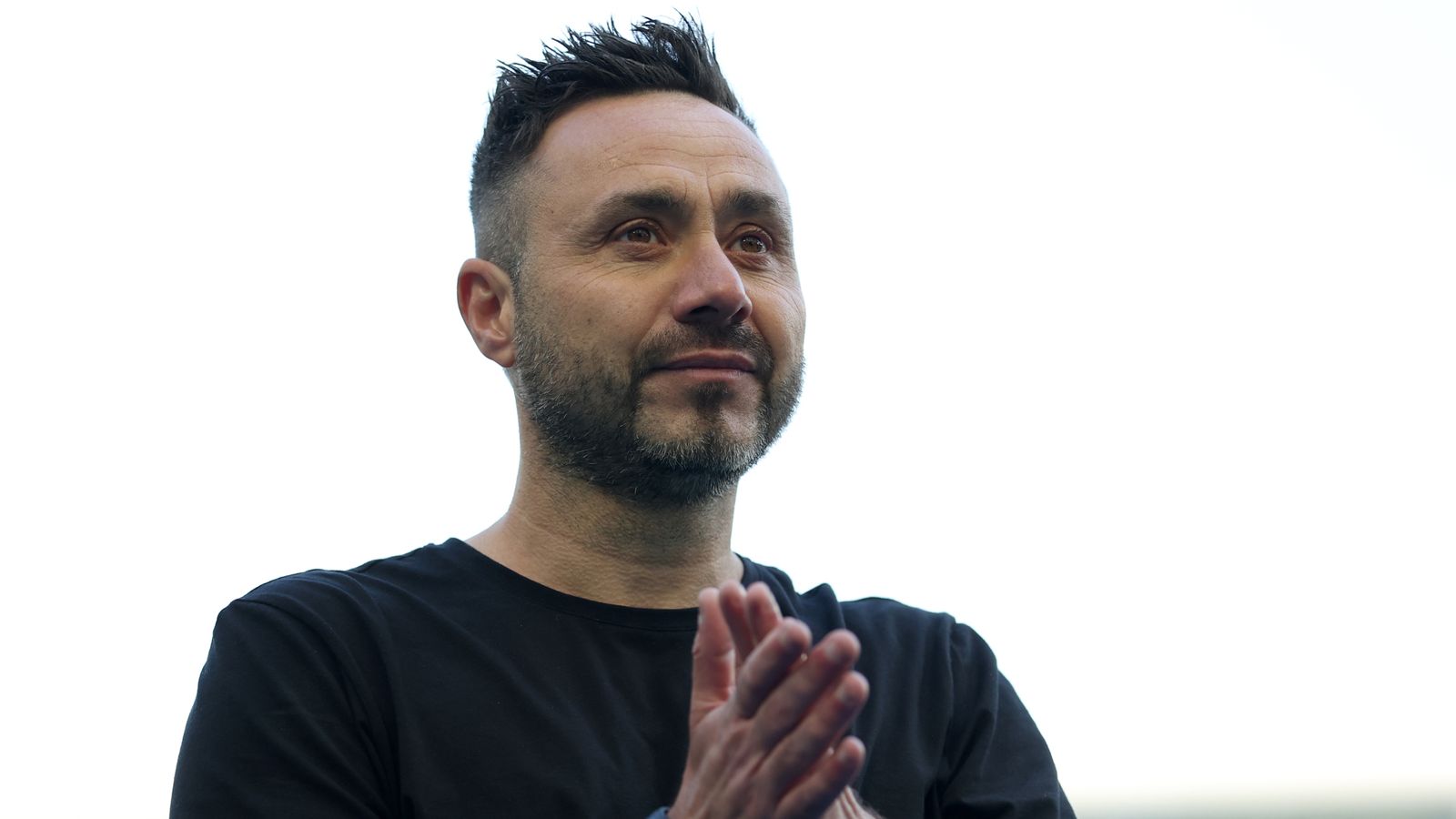
The Holding Pattern in North London
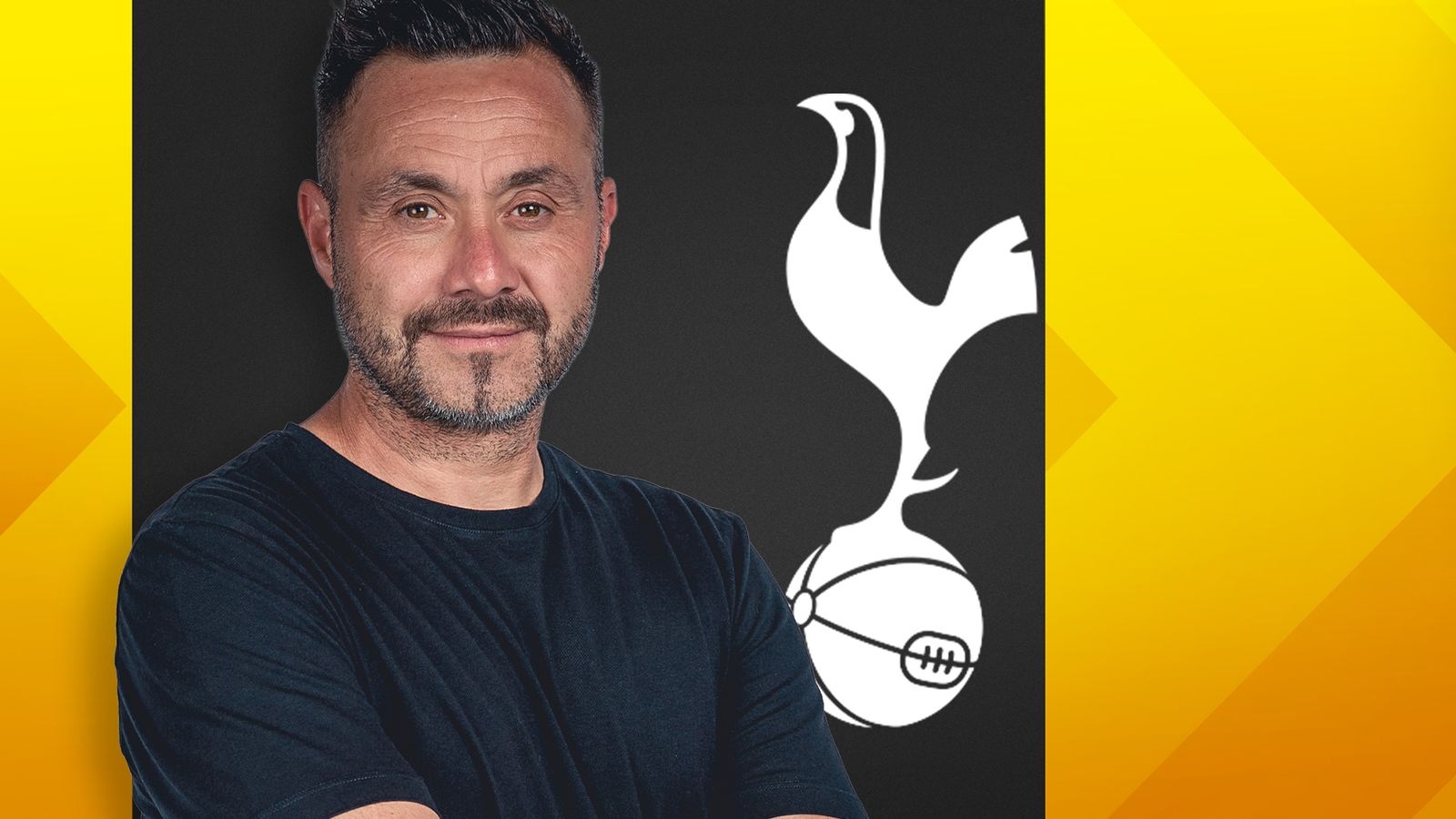
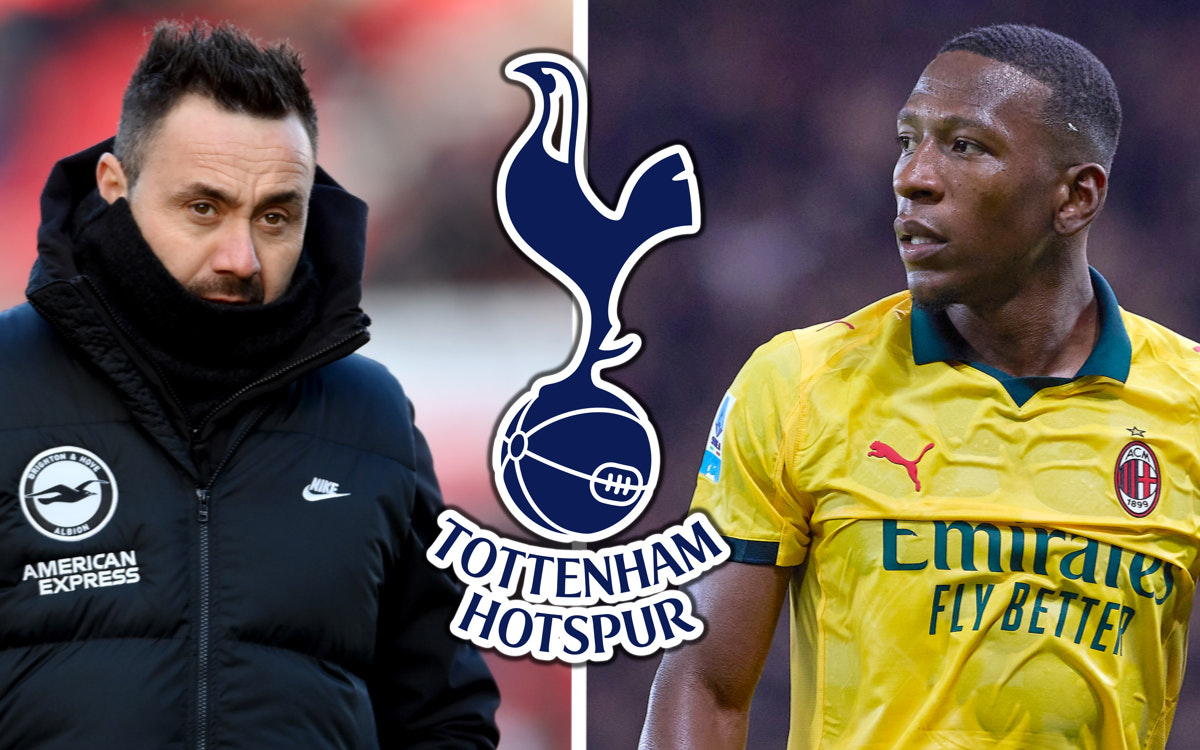
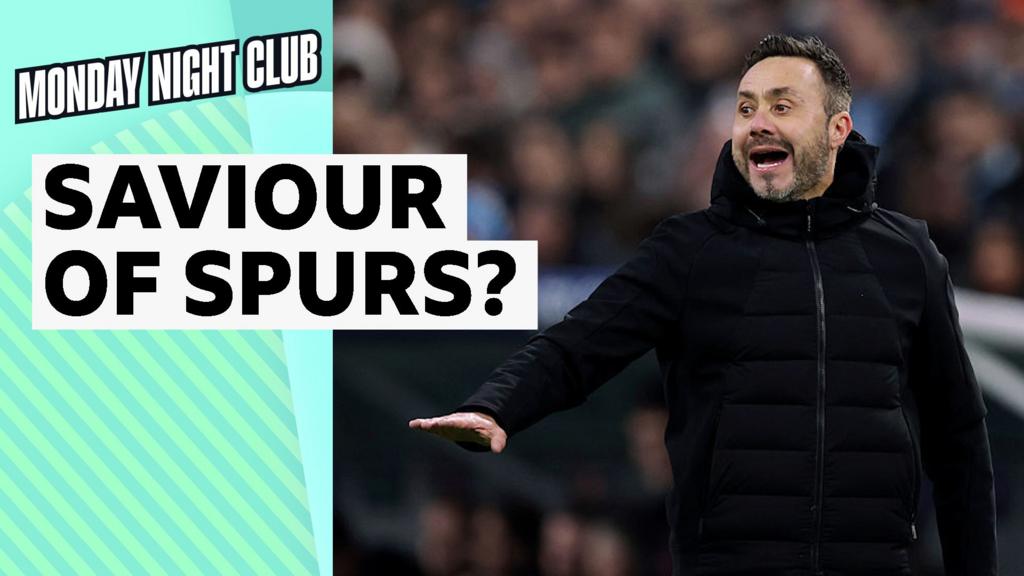
Tottenham Hotspur are stuck in an uncomfortable limbo. According to recent reports from Sky Sports, Roberto De Zerbi is not expected to take over the Premier League club before the end of the current season. He is waiting for the summer.
From a purely tactical perspective, this decision is entirely logical. De Zerbi does not do mid-season rescue jobs. His brand of football is highly choreographed. It relies on intricate, rehearsed passing circuits and a dangerous commitment to baiting the opposition press deep inside his own penalty area.
You simply cannot install that level of complexity in a week. Especially not with a squad that looks low on tactical confidence. But for Spurs fans, the delay is agonizing. The current campaign is drifting aimlessly. The supporters are desperate for a definitive direction, a clean break from the disjointed football they have endured recently.
They look at De Zerbi as the tactical antidote. But the Italian is smart enough to know that arriving in late March is a trap. He needs a blank canvas, not a half-finished painting.
The Pre-Season Prerequisite
If you watch a De Zerbi team closely, the first thing you notice is the sole-of-the-boot control. Center-backs pausing on the ball, perfectly still, inviting pressure. They wait for the opposing striker to commit before slicing a vertical pass through the lines.
It requires immense bravery. It also requires supreme technical security. Implementing this system demands a full pre-season. It requires repetitive, tedious, and exhausting drilling on the training pitch.
Throwing a manager with such extreme, uncompromising tactical demands into the deep end in April is a recipe for absolute disaster. The current Tottenham players would likely short-circuit trying to absorb the sheer volume of micro-instructions he demands.
Waiting until the summer gives De Zerbi the most important commodity in modern football: time. It allows him to assess the squad properly. He needs specific, narrow player profiles. If a center-back cannot execute rapid, one-touch passing under severe pressure, they have zero utility in his system.
Analyzing the Squad Fit
Look at the current Spurs roster. Destiny Udogie and Pedro Porro seem tailor-made for the aggressive full-back roles De Zerbi utilizes. However, his preference for touchline-hugging wingers who isolate their full-backs one-on-one might require a significant adjustment in how Spurs currently build their wide attacks.
James Maddison clearly has the technical quality to operate in the half-spaces. He thrives when receiving the ball on the half-turn between the opposition's midfield and defensive lines. De Zerbi's system excels at finding those exact pockets of space.
The core problem, however, lies deeper. Do Spurs actually possess the pivot players necessary to execute the double-pivot build-up that De Zerbi demands? At Brighton, he was blessed with Moises Caicedo and Alexis Mac Allister. Later, he utilized Pascal Gross and Billy Gilmour.
These are players who never hide from the ball, regardless of the pressure. This is where a massive dose of skepticism is required. Spurs’ central midfield often looks functionally broken when pressed aggressively by top-half opposition.
The Midfield Dilemma
Expecting the current Tottenham midfield personnel to suddenly transform into press-resistant metronomes is incredibly naive. If De Zerbi arrives, the recruitment department will be under immense pressure. They must deliver at least two elite, ball-playing central midfielders before the first ball is kicked in August.
Without the right central midfield pivot, the entire De Zerbi system collapses. The center-backs are forced to go long, bypassing the meticulously planned passing structures. The wingers get starved of service. The entire tactical framework falls apart.
The board must be prepared to back him heavily in the transfer market. If they hire him but refuse to buy the profiles he specifically requests, it will end in tears. We have seen this movie before in North London.
The Ghost of Managers Past
Spurs fans have seen this script play out before. The pursuit of a high-profile, tactically rigid manager who demands total control. It rarely ends with a trophy parade down the High Road. The shadows of Antonio Conte and Jose Mourinho still linger over the club's training ground.
While De Zerbi's football is aesthetically the polar opposite of Mourinho's low block or Conte's rigid counter-attacking 3-4-3, the underlying dynamic is startlingly similar. All three men are uncompromising. All three require very specific player profiles to function. All three have a tendency to publicly clash with ownership when their demands are not met.
The concern is whether the Tottenham hierarchy has actually learned anything from those expensive failures. Hiring De Zerbi without committing to a total, ruthless squad overhaul is pointless. You cannot fit square pegs into De Zerbi's perfectly spherical tactical holes. If Daniel Levy expects the Italian to simply polish the current roster and achieve top-four, he is deeply mistaken.
The High Line Calculus
One of the most drastic changes De Zerbi will bring is the behavior of the defensive line. Under his system, the center-backs are not just defenders; they are the primary playmakers. They dictate the tempo of the entire match from the edge of their own penalty box.
Cristian Romero has the aggression and the technical ability to thrive in this role, but his rash decision-making is a massive red flag. De Zerbi requires ice-cold composure under immense physical pressure. A rash challenge or a loss of focus in the build-up phase under the Italian's system is immediately punished by Premier League attackers.
Micky van de Ven possesses elite recovery pace, which is essential when the team is counter-pressed and the defensive line is caught high. However, his passing range and ability to break lines with vertical passes will be severely tested. At Brighton, Lewis Dunk was effectively a deep-lying midfielder in possession. Can van de Ven replicate that level of passing volume and accuracy?
The Risk of the Wait
By effectively writing off the remainder of this season to secure their preferred managerial target, the Tottenham board is taking a massive gamble. It sends a dangerous psychological message to the current dressing room.
It tells the players they are merely keeping the seat warm. In professional sports, a small drop in application results in a huge drop in performance. Motivation drops. Tactical discipline slips. Results suffer.
Furthermore, there is zero guarantee that De Zerbi is the definitive savior. We saw at the end of his tenure at Brighton how fragile his system can become. When injuries hit, or when smart opponents figured out how to aggressively man-mark his build-up, Brighton struggled badly.
If you successfully disrupt his initial build-up phase, his teams can look devastatingly open in transition. He commits so many bodies forward that a single misplaced pass in midfield often leads to a direct shot on goal.
The Stubbornness Factor
He is a brilliant, innovative coach, but he is certainly not infallible. His tactical stubbornness can often be his undoing. He rarely resorts to a Plan B. If the short passing isn't working, his solution is usually to try the short passing again, just better.
If Spurs fail to secure European football this season while they wait for his arrival, the financial constraints will be severe. That lack of revenue might severely limit his ability to rebuild the squad in his image during the vital summer window.
The Premier League is unforgiving. You cannot afford to stand still. While Spurs wait, their rivals are refining their systems and plotting their summer moves. The delay might be necessary for De Zerbi, but it is incredibly costly for Tottenham.
What Happens Next
Tottenham will likely stumble through the next few months. They will occasionally pick up points based entirely on raw individual talent. Son Heung-min will still score brilliant goals. But the structural, underlying deficiencies will remain painfully obvious.
De Zerbi will watch from afar. He will be analyzing every minute of footage, noting exactly who fits his intricate blueprint and who needs to be immediately sold. The current players are effectively on a three-month audition for a manager who isn't even in the building yet.
When the summer finally arrives, expect a massive, ruthless turnover in North London. De Zerbi will demand absolute control over the playing style and the tactical direction. If the board genuinely gives it to him, the resulting football will be thrilling, chaotic, and completely unpredictable. But make no mistake, the decision to wait is a massive risk. Spurs are betting their entire short-term future on a manager who demands perfection from a squad that is currently far from it.