The Value of Instructional Time
Tottenham fans are exhausted. You can feel it bleeding out of the stands every weekend. The current season has devolved into a miserable holding pattern, with supporters essentially wishing away the remaining fixtures. March 25, 2026, marks the point where the actual football feels entirely secondary to the boardroom maneuvering.
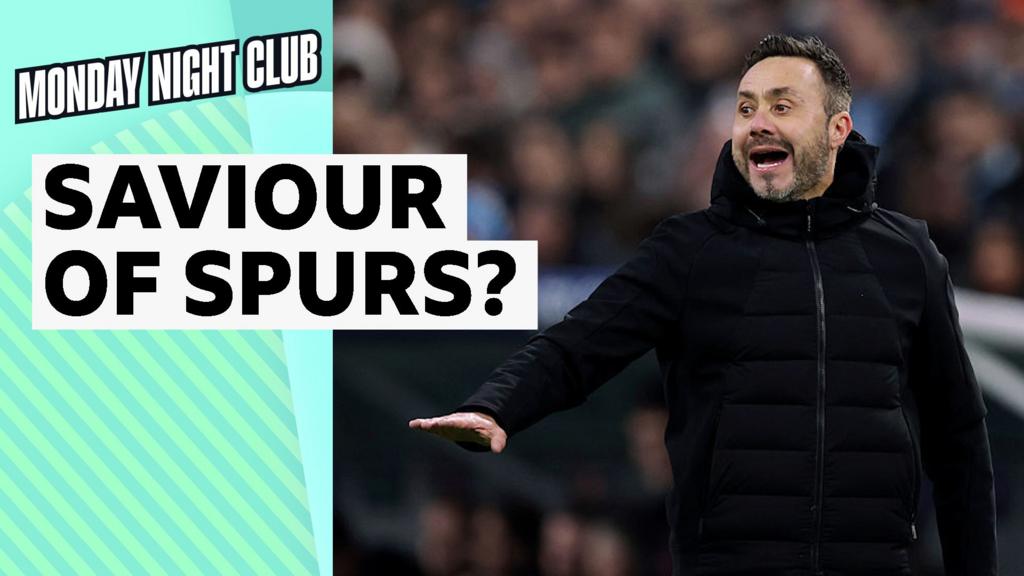
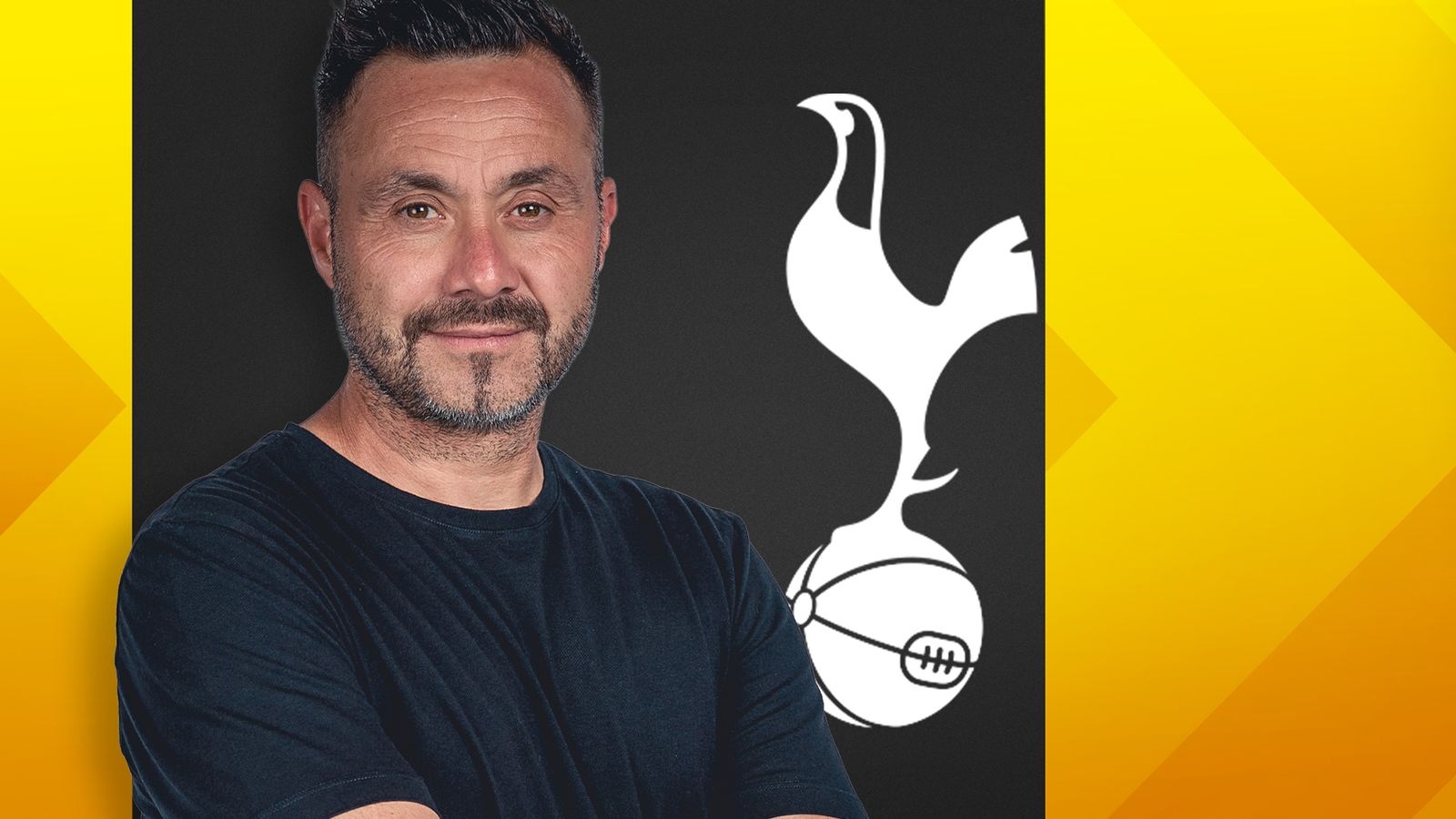
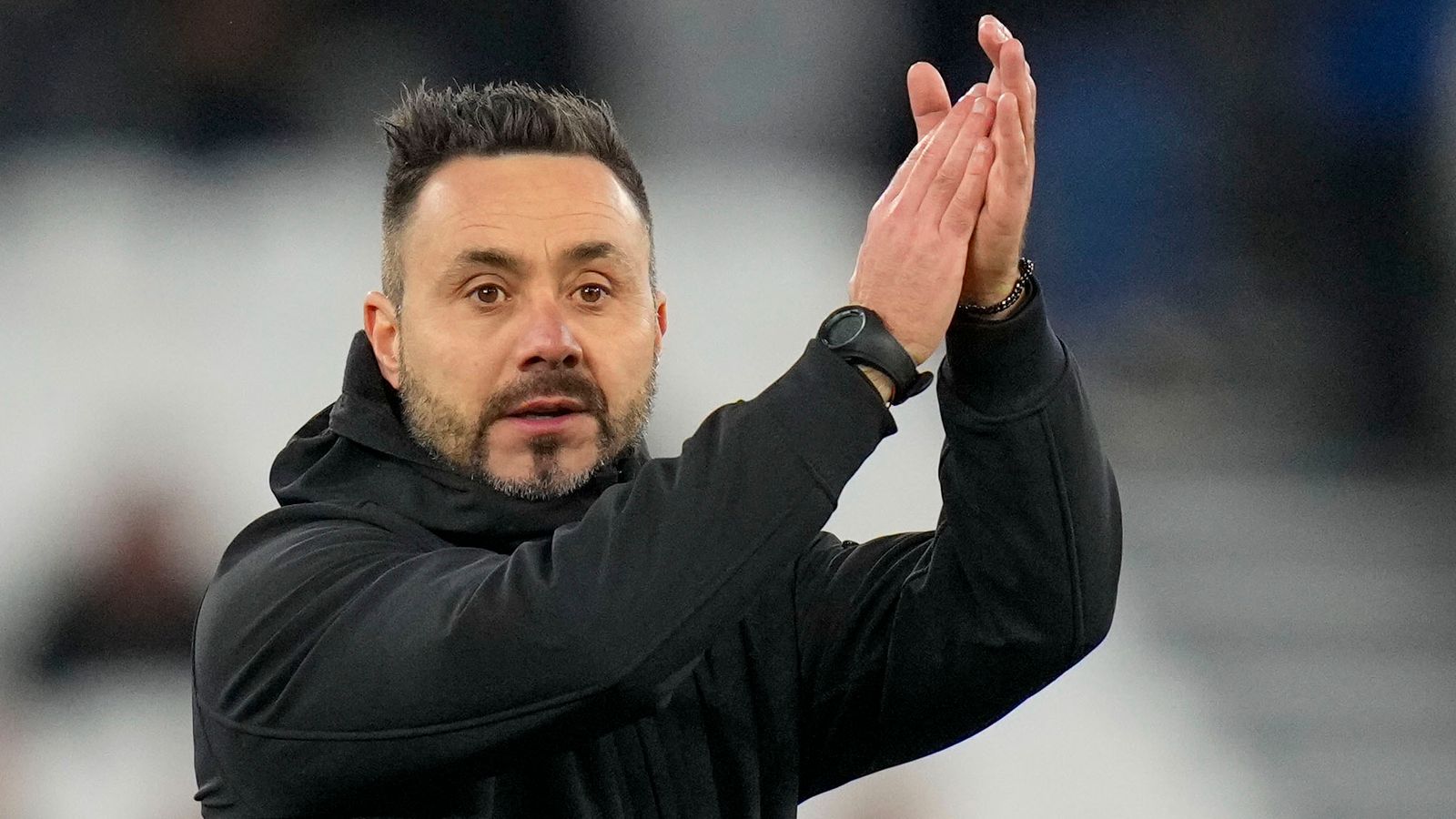
But Sky Sports confirmed today that Roberto De Zerbi is pushing his expected arrival back to the summer. He will not step into the dugout before the end of the season. On the surface, it looks like another delay for a club defined by hesitation. In reality, it is the smartest structural decision the Tottenham hierarchy has made in half a decade.
Parachuting a manager like De Zerbi into a fractured, tired squad in late March is managerial suicide. His football does not work on a makeshift basis. You cannot ask a broken team to suddenly implement his radical build-up structure on three days of training. It requires six weeks of grueling pre-season repetition just to get the center-backs comfortable stepping on the ball.
The Mechanics of the Trap
Look at how his previous teams built from the back. It relies on extreme, almost arrogant provocation. The goalkeeper becomes a situational center-back. The two central defenders split wide into the penalty area, and the double pivot drops directly to the edge of the box.
They stand completely still. They put their foot on the ball and they wait. The entire goal is to goad the opposition's first line of pressure into jumping out of structure. If a winger bites and presses the center-back, the ball is immediately zipped into the vacated space. It is a terrifying way to play football if you do not have absolute faith in the player next to you.
If you try to teach that mid-season, players panic. They clear the ball into the stands. You end up conceding chaotic transitions and losing games by a 4-1 margin. Cristian Romero has the required aggression, and Micky van de Ven certainly has the recovery pace. But do they currently have the ice in their veins to hold the ball six yards from their own goal line while a striker charges at them? Absolutely not.
That level of execution requires hundreds of unopposed drills. It requires a manager stopping the session every four minutes to correct a player's body angle. Tottenham are buying themselves the most valuable commodity in modern elite football: instructional time.
Familiar Faces and Market Moves
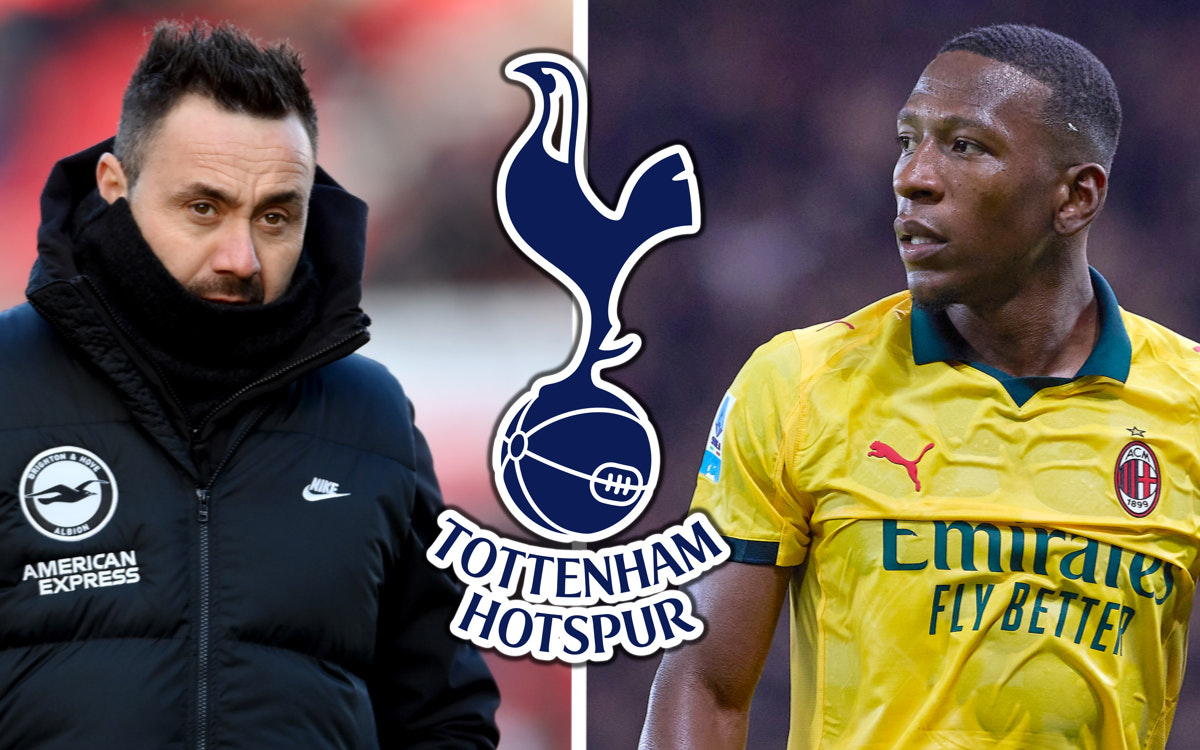
This necessity for players who already understand the spatial geometry explains the latest market rumblings out of Italy. Sempre Milan indicates that Spurs have made preliminary enquiries regarding Milan defender Pervis Estupinan.
At first glance, pursuing a left-back when Destiny Udogie is already at the club seems like a misallocation of resources. Udogie is dynamic and physically imposing. But tactically, targeting Estupinan tracks perfectly with a pending managerial shift. Estupinan was a lethal weapon in De Zerbi's previous system. He understands the exact timing of the delayed overlapping run.
More importantly, Estupinan knows when to invert and when to hold the touchline based on the winger's positioning. When the wide attacker drops inside to drag a defender away, the full-back has to recognize that trigger instantly. You do not have to teach Estupinan these triggers. He already has them hardwired into his muscle memory.
The Midfield Conundrum
The bigger issue awaiting the new manager is the midfield configuration. Yves Bissouma is still at Tottenham, and he was the undisputed engine room for the early iterations of De Zerbismo. He understands how to receive the ball on the half-turn under extreme pressure.
But Bissouma has spent the last year playing reactive, disjointed football. He looks physically drained and tactically lost. Reprogramming him requires a blank slate, not a hurried tactical session crammed between a Wednesday night fixture and a Saturday lunchtime kickoff.
Then there is the number ten problem. How does a free-roaming playmaker fit into a system built on strict positional discipline? De Zerbi does not allow his attacking midfielders to wander across the pitch hunting for touches. You stay in your designated zone, you pin the opposition defensive midfielder, and you wait for the trap to be sprung behind you.
James Maddison's natural instinct is to drop deep and demand the ball from his center-backs. If he does that under this new regime, the entire spacing structure collapses. The passing lanes to the wingers disappear. Fixing that positional indiscipline is a massive summer project.
The Structural Contrast
While Tottenham are at least trying to establish a coherent tactical timeline, Manchester United are already dealing with their usual spring leaks. FourFourTwo reported this morning that a key first-team star has confirmed his exit at the end of the season, categorically ruling out a return to his home country.
The specific name almost does not matter. The pattern is what stands out. It is the hallmark of the post-Ferguson era at Old Trafford. United rarely sell players on their own terms. They let contracts run down into the final year, or players eventually force their way out when the dressing room environment turns toxic.
INEOS promised a ruthless revolution. So far, the reality looks like the same disjointed squad planning with a slightly improved public relations spin. You cannot execute a long-term rebuild when you are constantly reacting to player demands and plugging holes caused by free transfers.
The Flaws in the Blueprint
Let's be clear about what Tottenham are getting, though. This incoming tactical shift is not a flawless masterplan. De Zerbi is notoriously rigid. When top-tier opponents figure out his pressing trap and simply refuse to jump, he rarely shifts to a Plan B.
He just asks his players to execute Plan A with more speed and precision. That stubbornness cost him heavily during his final months on the south coast. It will absolutely infuriate the Tottenham crowd when they are dominating possession but getting countered at home by deep-lying, mid-table opposition.
His high defensive line leaves massive, terrifying gaps behind the midfield. If the initial counter-press fails, the center-backs are left completely exposed. It is high-wire football, and when a player slips, the resulting fall is brutal.
April and May are going to be miserable for Tottenham fans. The current football will likely remain dire as the squad goes through the motions of a dead season. But they have to endure it. The alternative is rushing a highly complex system, breaking the players' confidence, and ruining the experiment before it even begins.